10 Washing Machine Mistakes That Damage Clothes, Fade Colours And Ruin Fabric
Every day laundry habits can quietly ruin clothes, fade colours and weaken fabric. From overloading machines to using excess detergent, these common washing mistakes shorten the life of even the best outfits. Say goodbye to fabric damage from washing machine cycles with these easy tips.
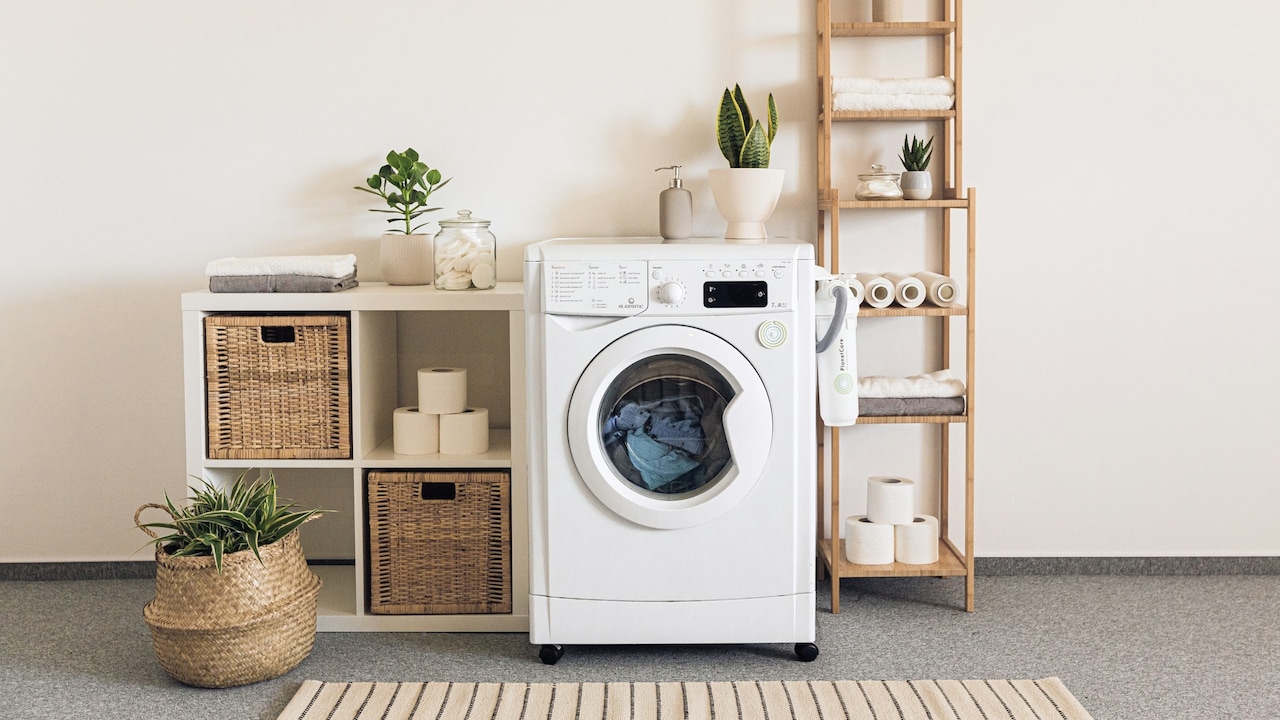
Washing Machine Mistakes That Damage Clothes And Ruin Fabric Quality And Colour.
A washing machine feels like a modern miracle. Toss in dirty clothes, press a button, and out comes freshness. Still, many wardrobes tell a different story. Colours dull too fast. Whites turn grey. Cotton shrinks, silk loses its shine, and denims fade before its time. Often, the machine gets blamed. The real culprit tends to be everyday washing habits.
Stop damaging your beloved clothes by avoiding these common washing machine mistakes; Photo Credit: Pexels
Laundry care rarely gets taught. Most people learn through trial, error and the occasional ruined kurta or faded saree blouse. With clothing prices climbing and good fabric costing ₹2,000 or more for a single outfit, careless washing hits the wallet hard. More importantly, clothes carry memories. That festival outfit or office favourite deserves better treatment.
Understanding how washing machines work, and how fabrics behave inside them, makes a big difference. This article explores ten common mistakes that damage clothes and ruin fabric quality and colour. Each section offers practical tips, relatable examples and easy fixes. Laundry does not need to feel like a science project. A little awareness can keep clothes looking new, comfortable and vibrant for much longer.
Also Read: Top 7 Washing Machine Features Rarely Used While Doing Laundry
Common Laundry Habits That Quietly Shorten the Life of Your Clothes
1. Overloading the Washing Machine
Stuffing the drum to the brim feels efficient. Fewer cycles save time, water and electricity. Yet, overloading ranks among the most damaging laundry habits. Clothes need space to move. When packed tightly, fabrics rub harshly against each other. Fibres stretch, seams weaken, and colours bleed.
Imagine a crowded local train at peak hour. Everyone pushes and pulls. Clothes inside an overloaded drum face similar stress. The detergent fails to dissolve evenly. Dirt stays trapped. Rinsing becomes poor, leaving residue that stiffens fabric over time.
Overloading also strains the machine. A struggling motor leads to uneven spins, which twist garments out of shape. That ₹1,500 cotton shirt soon loses its crisp form.
The fix feels simple. Follow the machine's load guide. Leave enough space to fit a hand comfortably on top of the laundry. Wash heavy items like jeans or towels separately. Balanced loads clean better and protect fibres. Clothes emerge cleaner, softer and closer to their original shape.
2. Ignoring Fabric Care Labels
Those tiny tags stitched inside clothes often get ignored or snipped off. They may look annoying, yet they hold vital information. Fabric care labels guide washing temperature, cycle type and drying method. Ignoring them leads to shrinkage, fading and texture loss.
A woollen sweater washed in hot water turns into a child-sized version. A delicate kurta spun at high speed loses its structure. These mishaps rarely come from faulty machines. They stem from skipped instructions.
Different fabrics react differently to water and agitation. Cotton handles regular cycles well. Silk and lace demand gentler treatment. Synthetic blends prefer cooler washes to retain shape and colour.
Taking a few seconds to check labels saves money and frustration. Sorting clothes by fabric type helps, too. Delicates deserve mesh laundry bags. Heavy items need sturdier cycles. Respecting care labels keeps clothes comfortable and wearable for longer. It also preserves colour depth and fabric softness, which no amount of fabric conditioner can restore once lost.
3. Using Too Much Detergent
More detergent does not mean cleaner clothes. This myth ruins fabric faster than expected. Excess detergent creates too much foam. The machine struggles to rinse it out. Residue sticks to fibres, making clothes stiff and dull.
Dark fabrics show the damage clearly. White streaks appear after drying. Colours lose brightness. Skin irritation may follow, especially during humid months.
Detergents contain strong chemicals designed to lift dirt. When overused, they attack fabric fibres. Cotton weakens. Elastic loses stretch. Delicate materials feel rough.
Most modern detergents work well in small amounts. Machines today use less water, which makes correct dosing crucial. Follow the measuring cap or scoop. Adjust quantity based on load size and soil level.
For lightly worn clothes, use even less. Save heavy doses for muddy sportswear or monsoon-soaked garments. Proper detergent use keeps clothes fresh without harming texture or colour. It also stretches detergent packs further, saving a few hundred rupees each month.
4. Washing Everything in Hot Water
Hot water feels powerful. It dissolves detergent fast and kills germs. Yet, frequent hot washes quietly destroy clothes. High temperatures weaken fibres, cause shrinkage and accelerate colour fading.
Bright hues suffer most. Reds bleed. Blues fade. Blacks turn charcoal grey. Cotton and linen lose strength over time. Elastic components warp, especially in undergarments.
Hot water makes sense for specific items. Bedsheets during illness or heavily soiled towels benefit from heat. Every day clothes rarely need it. Cold or warm water cleans just as well with modern detergents.
Switching to cooler washes offers multiple benefits. Clothes last longer. Colours stay vibrant. Energy bills drop. A household can save ₹500 or more annually on electricity alone.
Reserve hot washes for special cases. Let cold water handle daily laundry. Fabrics retain their shape, softness and colour. The washing machine also thanks you with a longer lifespan.
5. Mixing Colours Without Thought
Throwing all clothes into one load saves time. It also invites colour disasters. Colour bleeding remains a common complaint. A white shirt turns pink. Pastel dupattas pick up unwanted shades.
New clothes pose the highest risk. Excess dye often releases during early washes. Dark colours like navy, maroon and black bleed more. When mixed with lighter fabrics, damage becomes irreversible.
Sorting clothes by colour sounds tedious. In practice, it takes minutes. Create three piles: whites, lights and darks. Wash new garments separately for the first few cycles. Adding a colour catcher sheet helps too.
Careful sorting preserves colour clarity. Whites stay bright. Lights remain fresh. Darks hold depth. Clothes look newer for longer, reducing replacement costs. That ₹2,500 outfit deserves more than a careless colour mix-up.
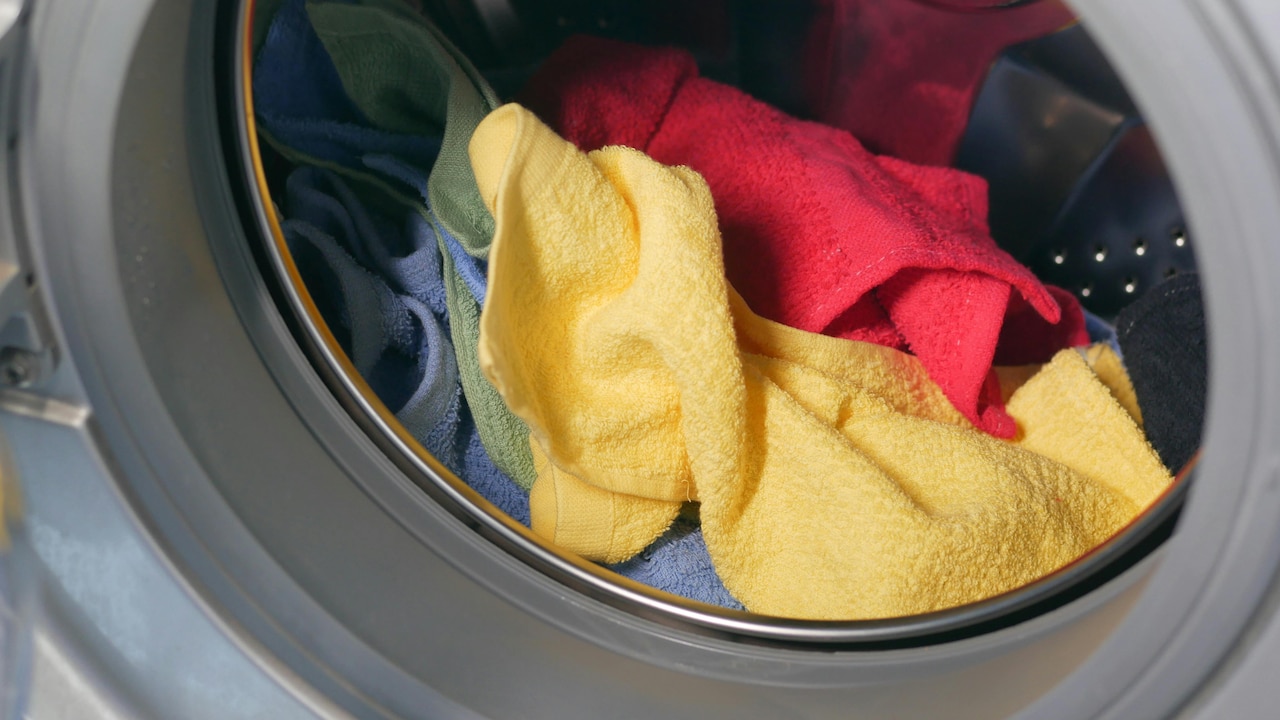
Avoid throwing every colour in one wash to avoid damage from colour bleeding; Photo Credit: Pexels
6. Choosing the Wrong Wash Cycle
Wash cycles exist for a reason. Using one setting for everything harms clothes. Heavy-duty cycles use strong agitation. They suit towels and denim. Delicate fabrics suffer under such force.
Silk, chiffon and lace need gentle movement. High-speed spins stretch fibres and distort shapes. Even everyday cottons benefit from varied cycles based on weight and weave.
Quick wash cycles seem convenient. They often skip proper rinsing. Detergent residue remains, leading to stiffness and fading. Regular cycles balance cleaning and care better.
Take time to select the right cycle. Match it to fabric type and soil level. Use delicate cycles for lightweight garments. Save heavy cycles for sturdy loads. Clothes respond well to thoughtful settings. Fabric quality stays intact, and colours remain true.
7. Overusing Fabric Softeners
Fabric softeners promise cloud-like softness and lasting fragrance. Overuse causes hidden harm. These products coat fibres with chemicals. Over time, the coating builds up, trapping dirt and dulling colours.
Towels lose absorbency. Sportswear stops wicking sweat. Breathability drops, causing discomfort during warm weather.
Softeners also weaken elastic fibres. Waistbands loosen. Stretchy garments lose shape. Sensitive skin may react to residues.
Using softeners sparingly helps. Pour less than recommended. Skip them for towels and activewear. White vinegar serves as a natural alternative. It softens fabric without residue and costs very little.
Reducing softener use improves fabric performance. Clothes feel fresher and last longer. Subtle fragrance beats overpowering scents any day.
8. Neglecting to Clean the Washing Machine
A washing machine cleans clothes, yet it needs cleaning too. Detergent residue, lint and moisture build up inside. Over time, mould and bacteria form. They transfer odours and stains to clothes.
A musty smell after washing signals trouble. Dark spots on rubber seals confirm it. Ignoring maintenance leads to poor wash results and fabric damage.
Cleaning the machine monthly helps. Run an empty hot cycle with vinegar or a machine cleaner. Wipe seals and detergent drawers. Leave the door open after use to dry interiors.
A clean machine treats clothes gently. It washes effectively without leaving residue. Fabrics smell fresh. Colours stay bright. Regular maintenance extends machine life, too, saving costly repairs.
9. Drying Clothes Incorrectly After Washing
Washing ends when drying begins. Mistakes here undo good laundry habits. Overdrying in harsh sunlight fades colours quickly. Direct sun weakens fibres, especially cotton and silk.
Hanging heavy clothes improperly stretches them. Shoulder bumps appear on knitwear. Elastic loses shape when clipped incorrectly.
Tumble drying everything causes shrinkage and wear. High heat damages fibres. Delicate items suffer most.
Choose drying methods wisely. Air-dry coloured clothes in shade. Lay knitwear flat. Use tumble dryers sparingly and select low heat settings.
Proper drying preserves fit, texture and colour. Clothes look better and feel comfortable. Drying with care completes the laundry process correctly.
10. Leaving Wet Clothes Sitting Too Long
Forgetting wet clothes inside the machine feels harmless. Hours later, trouble begins. Damp environments breed bacteria and mildew. Musty smells develop fast.
Once odours settle into fabric, removal becomes tough. Rewashing helps, but repeated cycles stress fibres. Colours fade faster.
Wet clothes also wrinkle deeply when left crumpled. Ironing then requires more heat, which further damages fabric.
Make it a habit to remove laundry promptly. Set a timer if needed. If clothes sit too long, rewash with vinegar to neutralise odours.
Timely removal keeps clothes fresh and hygienic. It reduces unnecessary rewashing and fabric stress. Small habits make a big difference.
Products Related To This Article
1. LG 9 Kg, Wi-Fi, Dual Inverter Heat Pump
2. Samsung 7 kg, 5 Star, Eco Bubble Technology
3. Godrej Smart Choice 7 Kg 5 Star
4. Whirlpool 7.5 Kg 5 Star StainWash Magic Clean PRO Fully Automatic Top Load Washing Machine
5. Voltas Beko, A Tata Product 7 Kg 5 Star Inverter Quick wash Fully-Automatic Front Loading Washing Machine
6. Bosch 7 kg, 5 Star, AI active water+, Anti-Wrinkle
7. IFB 6 Kg 5 Star, DeepClean® Technology, AI Powered
Laundry habits shape the lifespan of clothes more than brands or prices. Washing machines serve well when used thoughtfully. Small mistakes, repeated weekly, slowly destroy fabric quality and colour. Overloading, wrong detergents, careless sorting and poor drying choices add up.
Good laundry care does not demand extra effort. It requires awareness. Reading labels, choosing the right cycle and using products correctly protect clothes and save money. A well-maintained machine works efficiently and treats fabrics gently.
Clothes carry comfort, confidence and memories. They deserve mindful care. With these simple adjustments, wardrobes stay vibrant, fabrics feel better and favourite outfits last longer. Laundry then shifts from a chore to a quiet act of care, one wash at a time.
(Disclaimer: This article may include references to or features of products and services made available through affiliate marketing campaigns. NDTV Convergence Limited (“NDTV”) strives to maintain editorial independence while participating in such campaigns. NDTV does not assume responsibility for the performance or claims of any featured products or services.)