How To Use A Garment Steamer Safely Without Damaging Clothes Or Delicate Fabric Fibres
Learn how to use a garment steamer safely without ruining clothes or delicate fabrics. Practical tips, common mistakes to avoid, and smart steaming techniques to keep outfits fresh, smooth, and long-lasting.
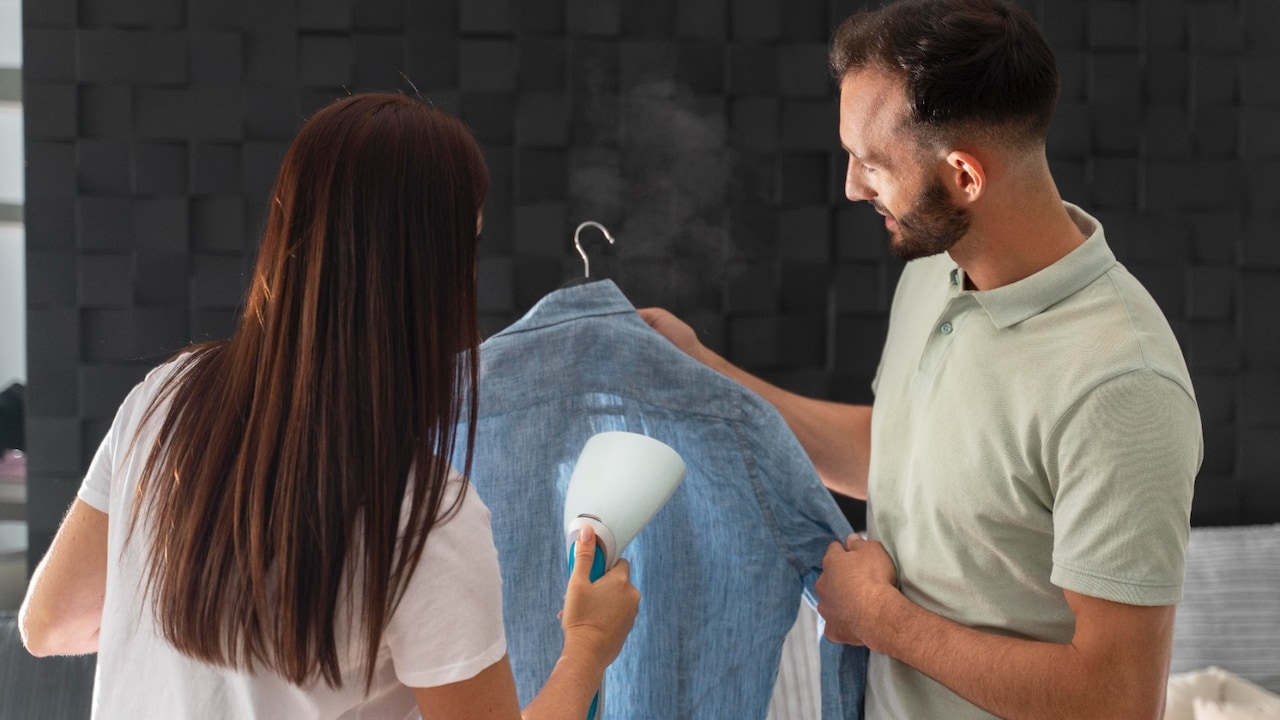
Using A Garment Steamer The Right Way: Check Out The Safe Methods To Prevent Damage.
There is a quiet satisfaction in watching wrinkles disappear under a cloud of warm steam. Garment steamers have earned a permanent place in many homes because they save time and reduce the hassle of ironing. They work wonders on curtains, dresses, suits, and even heavily embroidered outfits worn during festivals or weddings.
However, steaming without care can cause damage that no amount of dry cleaning can fix. Burn marks, water spots, or stretched necklines often result from small oversights. Many people assume steam equals safety, but fabrics react differently to heat and moisture.
This article explores how to use a garment steamer safely while protecting fabric fibres. It covers preparation, technique, fabric-specific tips, and common mistakes to avoid. Whether handling everyday cotton kurtas or expensive silk blouses, these practical tips help clothes look fresh and last longer. A little knowledge goes a long way when steam meets fabric.
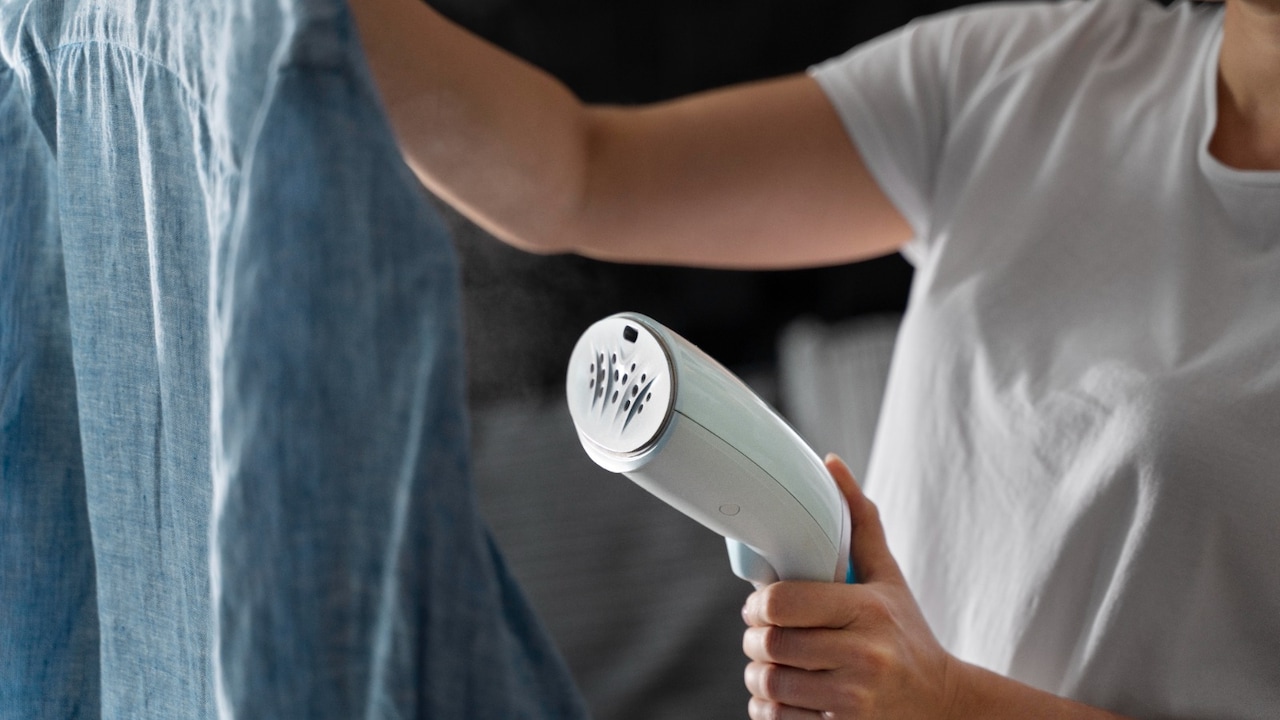
Using A Garment Steamer The Right Way: Safe Methods To Prevent Damage; Photo Credit: Pexels
Smart Steaming Starts With The Right Technique
1. Read the Fabric Label Like a Habit, Not a Chore
Fabric labels often get ignored, yet they offer crucial guidance. Before switching on the steamer, take a moment to check the care tag. It clearly states whether steaming suits the fabric or not. Some materials handle steam beautifully, while others react badly even to gentle heat.
Silk, chiffon, and velvet need extra caution. Labels may suggest low heat or warn against steam altogether. Linen and cotton usually tolerate steam well, which explains their popularity for daily wear. Synthetic blends, often found in budget-friendly clothing, can melt or warp if exposed to high temperatures.
Following the label prevents costly mistakes. A ₹3,000 dress ruined by impatience feels far worse than spending two minutes reading instructions. When labels fade or disappear, test steam on an inside seam first. This small step protects clothes and builds confidence in handling different fabrics safely.
2. Prepare the Steamer Properly Before Every Use
A garment steamer works best when prepared correctly. Start with clean water, preferably filtered. Tap water often contains minerals that cause white residue or stains on dark fabrics. Over time, mineral build-up also clogs the steamer, reducing steam flow.
Fill the water tank only to the recommended level. Overfilling leads to spitting, where hot water droplets land on clothes and leave marks. Allow the steamer to heat fully before use. Half-heated steam feels uneven and forces repeated passes over fabric, increasing damage risk.
Place the steamer on a stable surface. A wobbly setup invites accidents, especially with curious children or pets around. Proper preparation ensures smooth steaming and protects both clothes and hands. Think of it as setting the stage before the performance begins.
Also Read: Discover 5 Top-Rated Garment Steamers Under ₹3,000 To Refresh Your Wardrobe
3. Maintain the Right Distance Between Steamer and Fabric
Pressing the steamer head directly onto fabric may seem effective, but it often causes more harm than good. Steam needs space to relax fibres gently. Holding the steamer about one to two inches away works best for most fabrics.
Delicate materials like organza or net require even more distance. Direct contact can flatten textures or leave shiny patches. Heavier fabrics such as denim tolerate closer steaming, yet constant rubbing still weakens fibres over time.
Use slow, downward strokes and let gravity help. Tugging or stretching fabric while steaming leads to misshapen hems or widened necklines. Clothes should hang freely, whether on a hanger or a curtain rod. This method protects fabric structure and ensures an even finish without unnecessary stress.
4. Steam From Top to Bottom for Better Control
Steaming randomly across a garment often leads to missed creases and uneven results. Starting from the top and working downward creates a natural flow. Gravity assists the steam, smoothing wrinkles efficiently without repeated passes.
Begin with collars, shoulders, and sleeves. These areas hold stubborn creases due to frequent movement. Move slowly down the body of the garment, keeping strokes consistent. For long outfits like dresses or saree pallus, section the fabric mentally and work through each part calmly.
This method also prevents freshly steamed areas from wrinkling again. Rushing back and forth creates chaos, much like sweeping dust without a plan. A top-to-bottom approach saves time, reduces heat exposure, and keeps garments looking crisp and well cared for.
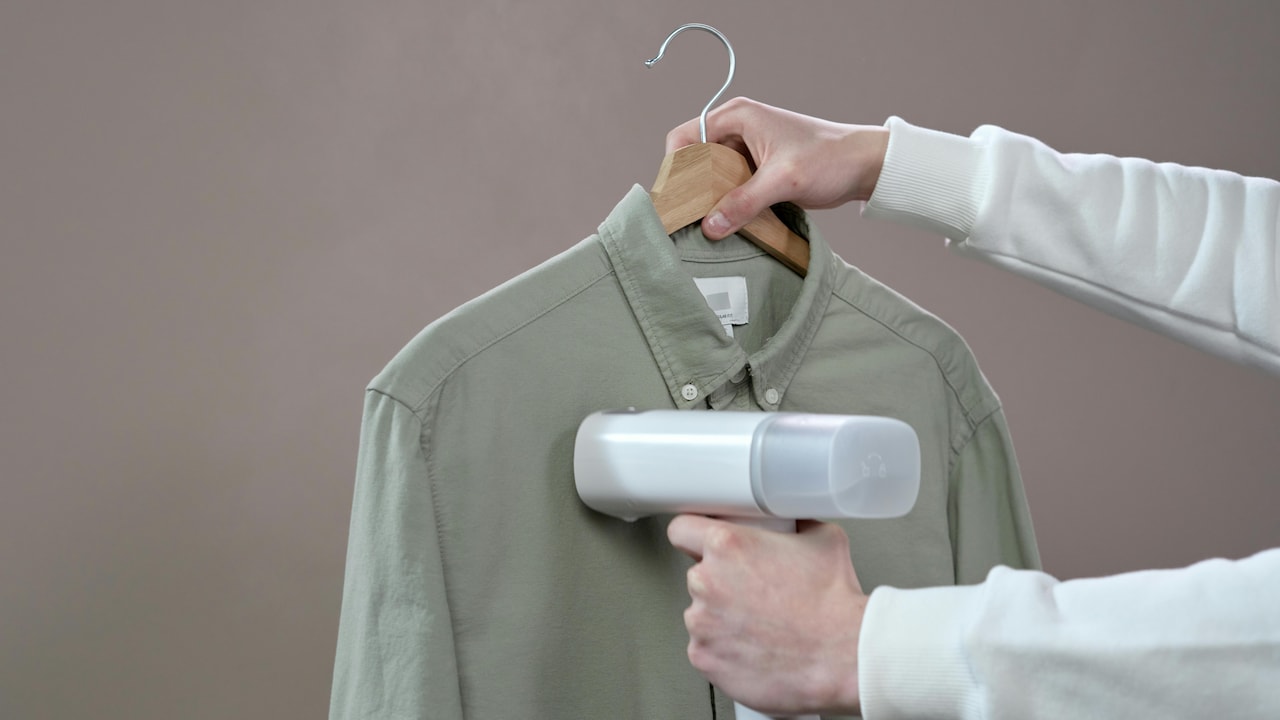
Using A Garment Steamer The Right Way: Safe Methods To Prevent Damage; Photo Credit: Pexels
5. Handle Delicate Fabrics With Extra Patience
Delicate fabrics demand respect. Silk, satin, georgette, and lace react quickly to heat and moisture. Steam them sparingly and always from a distance. Using a cloth barrier between the steamer and the fabric adds an extra layer of safety.
Avoid steaming embellishments, sequins, or embroidery directly. Heat can loosen glue or dull metallic threads. For festive outfits costing ₹10,000 or more, caution protects both investment and sentiment attached to the garment.
Steam inside out whenever possible. This technique reduces surface shine and preserves texture. Patience proves essential here. A few gentle passes beat aggressive steaming every time. Delicate clothes reward careful handling with longevity and elegance.
6. Avoid Over-Steaming and Know When to Stop
More steam does not equal better results. Over-steaming saturates fabric with moisture, leading to damp patches and stretched fibres. Clothes should feel warm and relaxed, not wet.
Watch how fabric responds. Wrinkles often disappear after one or two passes. Continuing beyond that only weakens fibres. If a crease refuses to budge, let the fabric rest and cool before trying again. Sometimes, stubborn wrinkles need ironing rather than steaming.
Overconfidence often causes damage. Knowing when to stop protects clothes and saves electricity. A garment steamer works best as a refresher, not a forceful wrinkle eraser. Respecting its limits ensures safer, smarter use.
7. Pay Attention to Steam Direction and Hand Placement
Steam travels upward, and careless hand placement invites burns. Always keep your hands behind the fabric, never directly behind the steam path. Use heat-resistant gloves if available, especially when steaming sleeves or pleats.
Direct steam away from the body. Accidental bursts can cause painful scalds. Children should stay away during steaming sessions. Safety matters as much as fabric care.
Angle the steamer slightly downward for better control. This direction helps steam penetrate fibres gently and escape without lingering. Conscious movements reduce accidents and create a calmer, more controlled steaming experience.
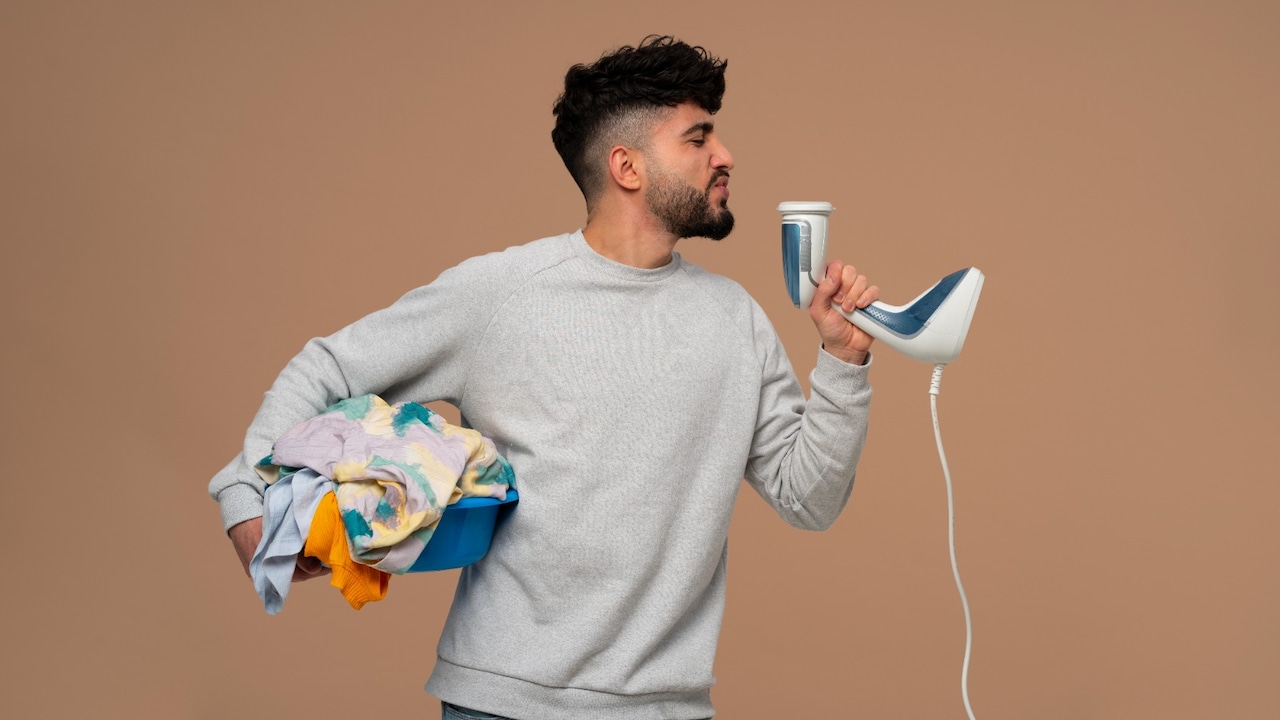
Using A Garment Steamer The Right Way: Safe Methods To Prevent Damage; Photo Credit: Pexels
8. Clean and Descale the Steamer Regularly
A neglected steamer harms clothes silently. Mineral deposits clog vents, causing uneven steam and spitting. Regular cleaning keeps performance consistent and safe.
Descale the steamer as per the manufacturer's instructions. Many models recommend a vinegar-water solution every few months. Empty the water tank after each use to prevent stagnation and odour.
A clean steamer produces pure steam, free from residue. This practice protects light-coloured clothes from stains and extends the appliance's lifespan. Spending a few minutes on maintenance saves thousands in garment replacement costs.
9. Use the Right Accessories for Better Results
Many steamers come with attachments like fabric brushes or crease clips. These accessories exist for a reason. Fabric brushes help steam penetrate thicker materials like wool or coats without excessive heat.
Crease clips assist in creating sharp lines on trousers without pressing hard. Using accessories reduces direct heat exposure and improves results. Ignoring them often leads to repeated steaming and unnecessary fabric stress.
Treat accessories as helpful tools, not optional extras. They enhance efficiency and protect clothes. A well-used accessory often makes the difference between a rushed finish and a polished look.
10. Store Clothes Properly After Steaming
Steaming does not end when the appliance switches off. Proper storage matters just as much. Allow garments to cool and dry fully before placing them in wardrobes. Hanging damp clothes invites mildew and unpleasant smells.
Use padded hangers for heavy garments to prevent shoulder bumps. Lightweight clothes benefit from breathable garment covers rather than plastic ones. Proper airflow maintains freshness and fabric health.
Well-stored clothes retain their shape and finish longer. Steaming followed by careless storage undoes all the effort. A thoughtful final step completes the garment care routine beautifully.
Products Related To This Article
1. NUUK STROM GO V2 Super Compact and Lightweight Travel Garment Steamer For Clothes
2. PHILIPS Handheld Garment Steamer
3. OWNAIR Steamer for Ironing Clothes
4. Hamilton Beach Professional Garment Steamer
5. Braun QuickStyle 3 GS3012BG Garment Steamer
A garment steamer offers convenience, speed, and gentle care when used correctly. Safe steaming relies on understanding fabrics, maintaining equipment, and practising patience. Small habits like reading labels, keeping distance, and avoiding overuse protect clothes from damage.
Clothing often carries memories, effort, and hard-earned money. Treating garments with care extends their life and keeps them looking presentable for years. With the right approach, steaming transforms from a risky shortcut into a trusted ally. A little steam, used wisely, keeps wardrobes fresh and worry-free.
(Disclaimer: This article may include references to or features of products and services made available through affiliate marketing campaigns. NDTV Convergence Limited (“NDTV”) strives to maintain editorial independence while participating in such campaigns. NDTV does not assume responsibility for the performance or claims of any featured products or services.)