7 Hidden Costs of Daily Massage Chairs No One Tells You About
Massage chairs look like a one-time luxury purchase, but daily use can drain your wallet through electricity costs, repairs, pricey parts and unexpected upkeep. This is what you're really paying for behind the comfort. Important things you may not know about massage chairs.
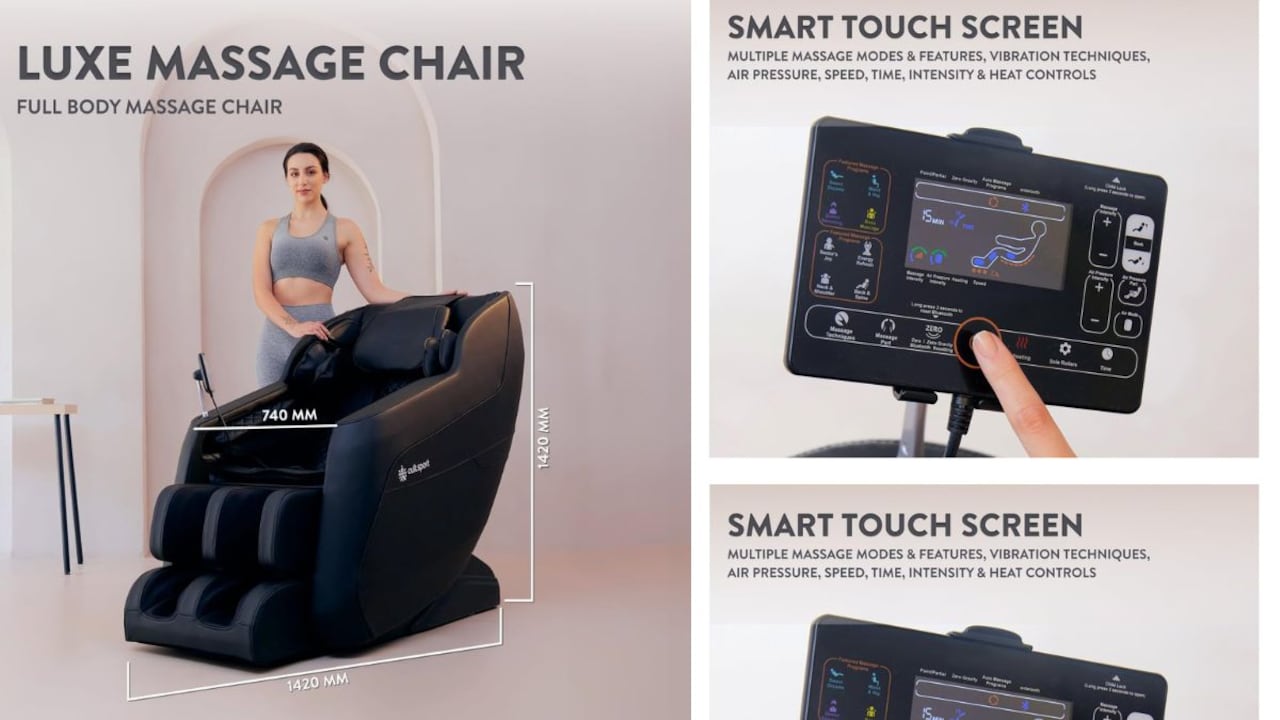
Are Massage Chairs Worth It? 7 Unexpected Costs Youre Not Told About.
Walk into any premium appliance store today, and you'll notice how massage chairs are no longer just flashy gizmos for posh spas. They sit like royalty in living rooms, lounges and high-end shops, promising relaxation at the touch of a button. People imagine coming home tired after a long commute, grabbing a quick shower, and sinking into a massage chair that kneads every knot away. Sounds dreamy, right? The story takes a twist after a few weeks. Families realise it's not just a one-time investment like a sofa. That glossy massage chair, with blinking lights and futuristic rollers, comes with hidden costs that don't show up on the fancy brochure. Before one knows it, the “stress-reliever” can slowly become a stress-creator. So, is a massage chair worth it?
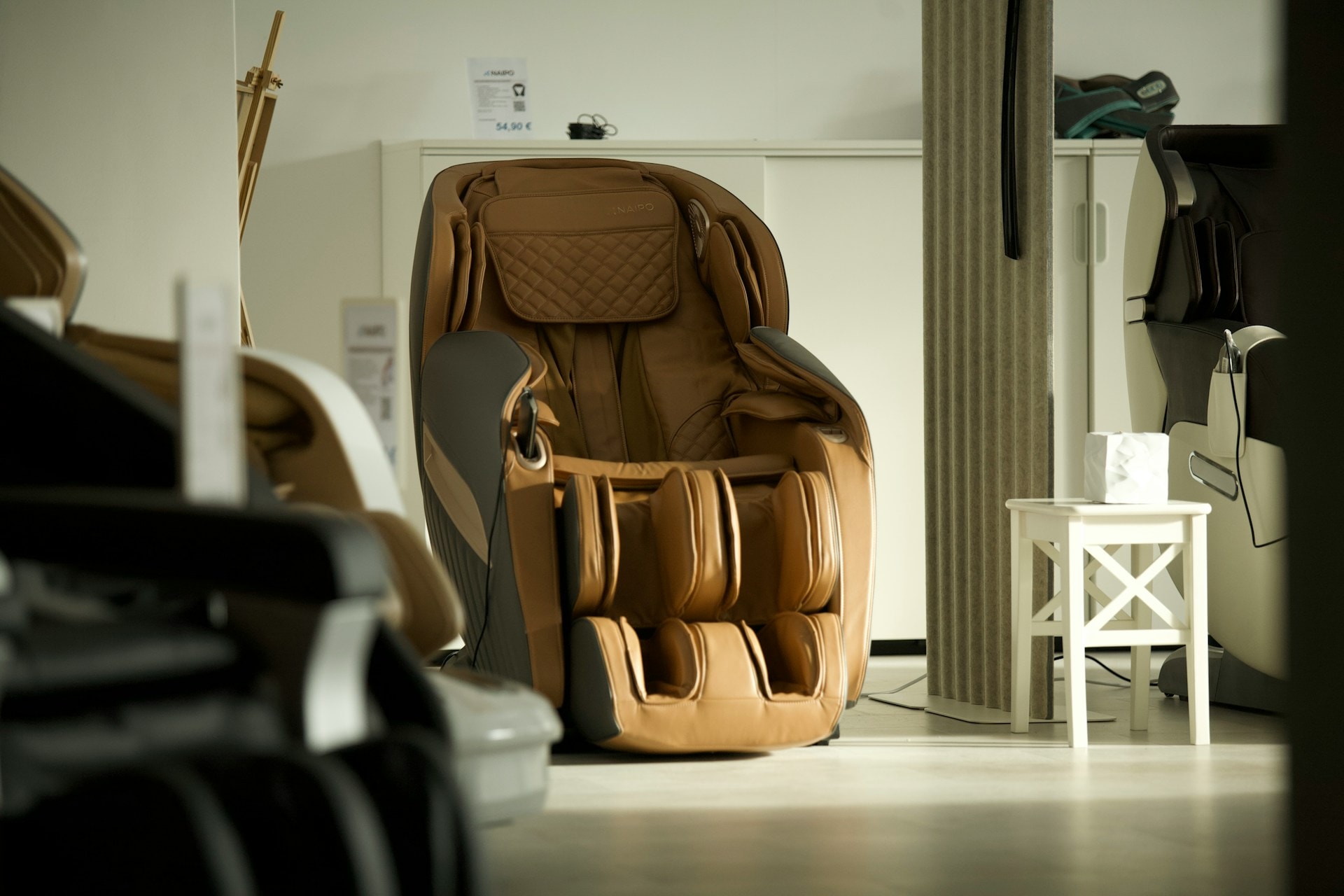
Key things to know about massage chairs before buying one for yourself; Photo Credit: Unsplash
Below are the 7 hidden costs of massage chairs that often sneak up, especially when it is used every day.
Also Read: Transform Your Home: These High-End Massage Chairs Can Be Your Personal Wellness Retreats
The Real Price Of Everyday Relaxation
1. Skyrocketing Electricity Bills
Massage chairs aren't just cosy seats with extra padding. They come loaded with motors, heating units, vibration technology and complex control systems. On paper, it looks like advanced engineering. On the electricity bill, it looks like a steady rise month after month. A full-body massage chair can easily consume 150 to 300 watts per session. Now imagine using it every day, sometimes twice a day, because someone at home has “discovering settings” as their new hobby.
It might not seem like a big deal for the first few weeks, but add up the daily usage and the power consumption begins to compete with other home appliances. The surprise usually hits when the electricity bill jumps by a few hundred rupees. ₹300 here, ₹400 there, and soon the annual cost becomes enough to buy a decent smartphone. Relaxation suddenly feels a little too “high-voltage.”
2. Maintenance Fees That Never Stop
Massage chairs need care, not the dust-and-wipe type, but serious technical servicing. The rollers need lubrication, the motors need inspection, and the internal tracks demand alignment after heavy use. Service centres charge service fees that often start around ₹800–₹1,500 per visit, sometimes higher depending on the model. And that's just the labour. If a part needs replacement, the bill inflates faster than a birthday balloon.
Daily use accelerates wear and tear, meaning more frequent servicing. Some companies push annual maintenance packages, which sound convenient but often cost a few thousand rupees a year. The real trick? These plans usually exclude “major part replacements.” So even after paying for maintenance, a heavy-duty part failure means opening the wallet again. The math slowly begins to look less like self-care and more like paying rent for a chair.
3. Replacement Parts Priced Like Luxury Goods
Once a motor burns out or a roller cracks, the real ordeal starts. Imported components, fancy mechanisms and limited dealership networks make parts surprisingly expensive. A small roller replacement can cost around ₹1,200–₹3,000. Full-track or motor replacements can easily stretch toward ₹8,000 or more. Some high-end brands quote prices that sound suspiciously like car repairs.
The frustrating part is the lack of standardised parts. You can't just walk into a local electronics market and pick up a cheaper version. These chairs are engineered with custom-built components, meaning only the manufacturer or certified technicians can fix them. When one part wears out due to daily use, the whole system ends up costing more to maintain than a regular monthly spa visit.
4. Upholstery Wear Takes Away the “Premium” Look
The exterior looks classy in the showroom, with faux leather shining under spotlights. But daily use at home brings crumbs, sweat, dust, and regular friction from clothing. Over time, the upholstery begins to peel, crack or dull, especially in humid cities. Replacing the cover is not like changing sofa fabric; the specialised stitching and fitted padding significantly raise costs. A proper re-upholstery job usually ranges from ₹4,000 to ₹12,000, depending on the design.
Add children bouncing on it like a playground seat or someone sitting on it casually while watching TV, and the wear speeds up dramatically. Slowly, the chair that once looked like a status symbol starts resembling an overused gaming seat. People then spend extra money trying to restore its “posh look,” because no one wants a scruffy machine sitting in the living room.
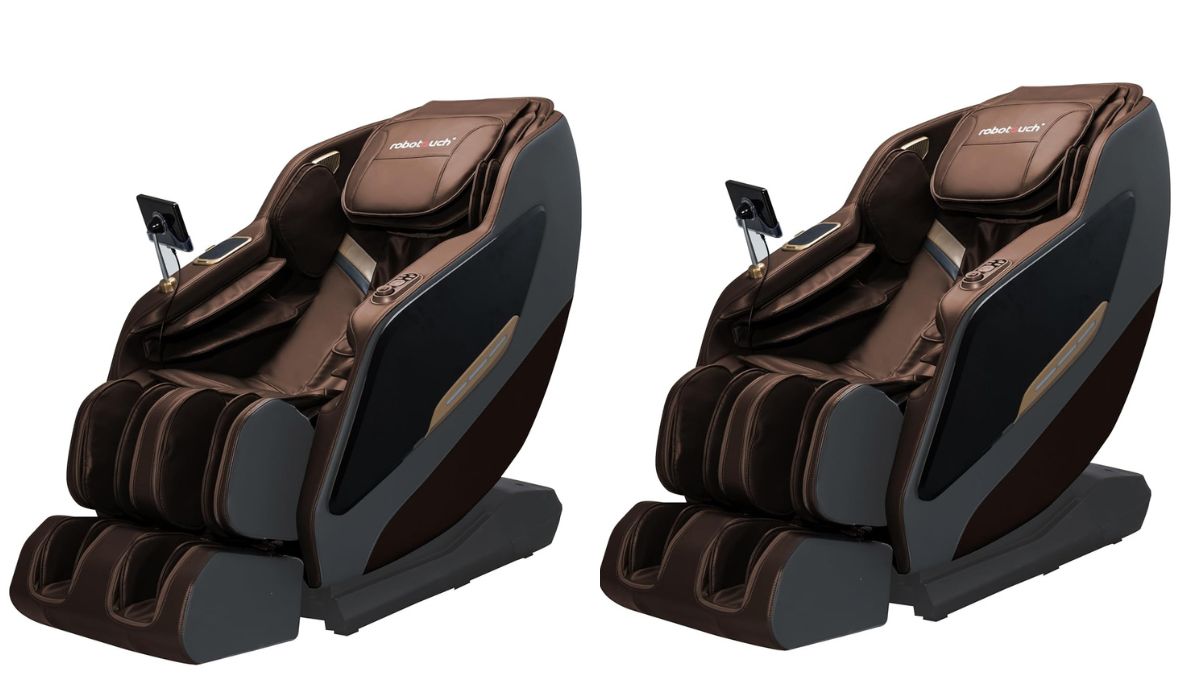
Massage chairs may cause wear and tear with gradual use; Photo Credit: Amazon
5. Occupies an Entire Corner (and Interior Budget)
A massage chair isn't compact. It demands a spacious corner, often requiring rearrangement or even the purchase of additional decor to make the room look “balanced.” Suddenly, there's a need for lamps, side tables, rugs and wall decor because the massive chair sticks out awkwardly. A single piece of furniture triggers a mini interior makeover, which could cost anywhere from ₹5,000 upward, depending on how fancy the setup becomes.
Daily usage also means the chair cannot be pushed to a corner like an unused treadmill. It needs breathing room to recline, expand and rotate. Families often sacrifice valuable space in already compact living areas. Over time, the space commitment becomes a permanent fixture, and once rearranged, other furniture choices must revolve around that one chair.
6. Health Over-Dependency Creates New Problems
Massage chairs can be a blessing after long working hours, but daily reliance brings a hidden health cost. When people replace regular stretching or physical activity with machine massages, muscles become dependent and lazier. The body begins expecting external stimulation rather than building flexibility or strength naturally. Excessive use can even lead to muscle tenderness, joint discomfort or numbness due to over-pressure on specific nerve areas.
Doctors often recommend moderated use, like 15–20 minutes a few times a week. But when the chair sits temptingly near the sofa, it becomes hard to resist. “Just five minutes!” often turns into thirty. Slowly, users spend more time sitting and less time moving. Ironically, the tool to reduce stiffness can end up causing it if used without balance. Relaxation should supplement healthy habits, not replace them.
7. Warranty Traps That Don't Cover Everything
Many massage chair buyers feel safe under the comforting blanket of warranties, until they need them. That's when the fine print reveals its claws. Most warranties cover only a limited list of parts, often excluding electrical failures, upholstery issues and natural wear from “excessive usage.” Daily use is exactly what triggers these exclusions, leaving owners stuck with repair bills even when the product is officially “under warranty.”
Extended warranties sound reassuring, but they often come at extra cost and still skip major components. Service delays add frustration, with technicians visiting after several days of waiting. Meanwhile, customers either leave the chair unused or risk worsening the damage. In the end, the warranty works more as a marketing comfort than actual protection.
Products Related To This Article
1. RoboTouch ABS Ecozen Zero Gravity Full Body Electric Massage Chair
2. SOBO Z91 Full Body Massage Chair Automatic Leg Extension with Touch Screen Remote
3. Lifelong LLM549 Full Body Massage Chair with Recliner
4. Massage Chair Pad with Heat, 10 Kneading Nodes
5. COMFIER Full Body Massage Chair, Massage Recliner Chair
Massage chairs provide comfort, style and convenience, especially after hectic schedules. Yet daily usage brings costs that are rarely highlighted during purchase. From electricity and repairs to health dependency and space demands, the expenses go beyond the initial price tag. A chair meant to reduce stress can accidentally add new pressures if not used wisely.
The smarter approach is balance. Enjoy the comfort when needed, but don't replace natural movement or turn the massage chair into a daily routine out of habit. When used thoughtfully, it remains a luxury worth its cost rather than a burden disguised as relaxation.
(Disclaimer: This article may include references to or features of products and services made available through affiliate marketing campaigns. NDTV Convergence Limited (“NDTV”) strives to maintain editorial independence while participating in such campaigns. NDTV does not assume responsibility for the performance or claims of any featured products or services.)