10 Air Cooler Mistakes That Increase Humidity Without Cooling The Room
Poor ventilation, dirty cooling pads and excess water can make an air cooler raise humidity without lowering the temperature. Avoid these common mistakes to improve airflow, cooling performance and indoor comfort.
Proper ventilation is essential for an air cooler to deliver effective cooling
On a blazing summer afternoon, the hum of an air cooler can sound like a promise. Cold water goes into the tank, the fan starts spinning, and everyone waits for that first refreshing breeze. Sometimes, however, the room feels just as warm after half an hour. Worse, the air becomes damp, heavy and strangely uncomfortable. This usually does not mean the cooler has stopped working. In many cases, the problem lies in how the appliance is placed, operated or maintained.
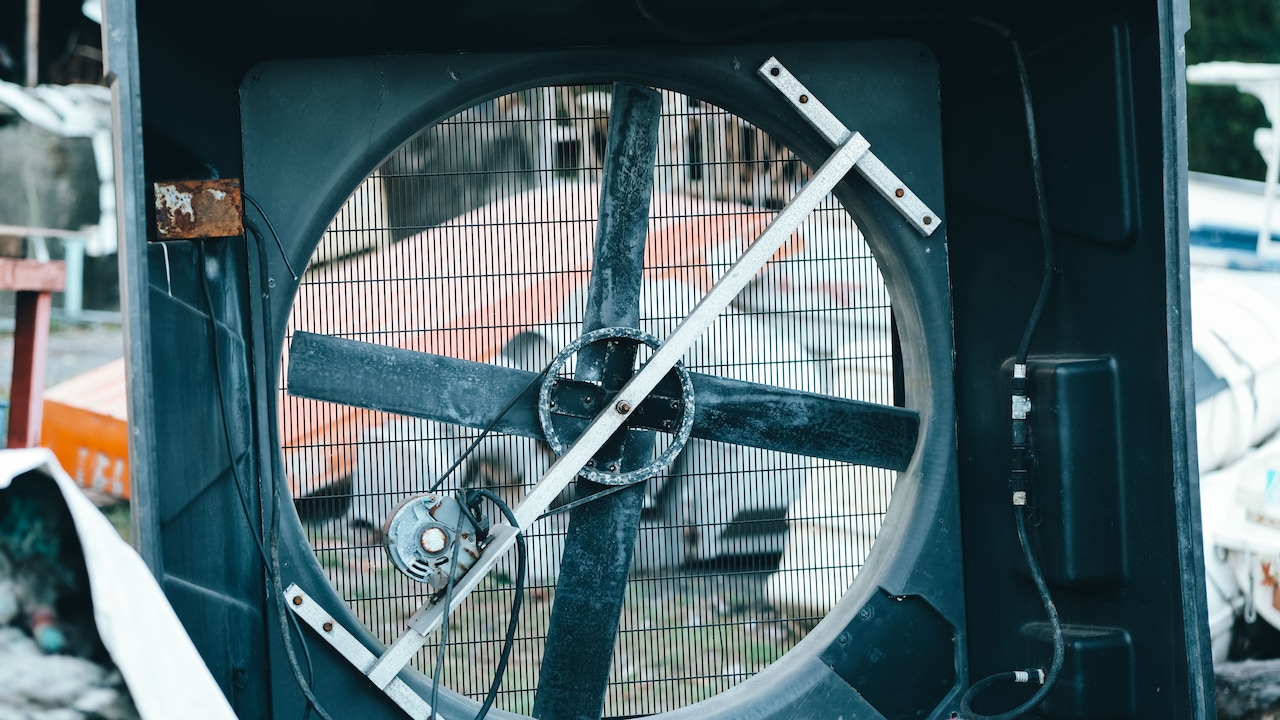
Regular cleaning and fresh water help improve cooling performance and prevent unpleasant odours.
Photo Credit: Pexels
Unlike an air conditioner, an air cooler adds moisture to the air. It works best when hot, dry air enters the room, passes through wet cooling pads and then flows out through an open door or window. When this circulation gets blocked, moisture begins to collect indoors. The room may smell damp, clothes may feel slightly clammy, and the cooling effect can disappear. The following common mistakes can turn a useful summer appliance into an expensive humidity machine.
Also Read: Do Expensive Bedsheets Feel Cooler? Here Is What You Need To Know
Common Air Cooler Mistakes That Make Rooms Humid Instead Of Cool
Keeping Every Door And Window Closed
Closing every door and window may feel logical. After all, nobody wants hot air entering a room that needs cooling. That approach works with an air conditioner, but an air cooler follows a completely different rulebook.
A cooler needs a steady supply of fresh, dry air. It pulls this air through wet cooling pads and sends a cooler breeze into the room. The warm, moisture-filled air must then escape. When the room remains sealed, the same damp air keeps circulating.
Soon, the humidity rises. The cooler continues to run, but evaporation slows down because the air already contains too much moisture. The room starts feeling like a crowded kitchen after several pressure cookers have been opened at once.
Keep one window or door slightly open on the opposite side of the cooler. This creates cross-ventilation and gives humid air a clear exit. There is no need to open the entire house and invite dust, traffic noise and neighbourhood gossip. A small opening often works well.
Good ventilation does not waste cooling. It allows the cooler to do the job it was designed to do.
Placing The Cooler Inside A Closed Corner
Many people place the cooler in a convenient empty corner, especially when furniture already occupies the best spots. Unfortunately, a dark corner far from a window often becomes the worst location for evaporative cooling.
The appliance needs access to hot, dry air from outside. When placed deep inside the room, it keeps drawing air that has already passed through the wet pads. That air becomes increasingly humid with every cycle.
The result feels disappointing. The fan blows strongly, the pump keeps running and the electricity meter stays busy, yet the room refuses to cool.
Place the cooler near an open window, balcony door or ventilated entrance. The back of the machine should face the incoming air. The front should point towards the part of the room where people sit, sleep or work.
Avoid pressing the cooler tightly against a wall. Leave enough space behind it for air to enter freely. Even powerful machines struggle when their air intake gets blocked.
Think of the cooler as a street-food stall during the evening rush. It needs a steady flow of customers in and out. Lock the entrance, and the entire system becomes crowded, slow and uncomfortable.
Using The Water Pump Continuously In Humid Weather
The water pump wets the cooling pads, which helps reduce the temperature through evaporation. However, running the pump without interruption does not always improve cooling.
During humid weather, the air already holds plenty of moisture. Adding more water vapour can make the room feel sticky without producing a noticeable drop in temperature. This often happens during the monsoon or in coastal cities.
On such days, try running the cooler in fan-only mode for short periods. The strong airflow may feel more comfortable than constant wet cooling. Switching the pump off occasionally also gives the room a chance to release excess moisture.
Pay attention to how the air feels rather than blindly following one setting. If the breeze feels damp or the room develops a musty smell, the pump may be adding more humidity than comfort.
Modern coolers often include separate fan and pump controls, so use them thoughtfully. A cooler does not need to behave like a temple water fountain throughout the day.
Cooling depends on evaporation, and evaporation depends on dry air. When the weather turns muggy, less water can sometimes create more comfort.
Overfilling The Water Tank
A full tank can keep the cooler running for longer, but filling it beyond the recommended level creates problems. Water may splash inside the machine, leak onto the floor or reach parts that should remain dry.
Overfilling can also interfere with the float valve in models connected to a continuous water supply. When the valve cannot work properly, water may keep entering the tank and cause an untidy indoor flood.
More water does not automatically mean colder air. The cooling pads only need an even supply. Once the pads become properly wet, extra litres sitting in the tank provide no immediate cooling benefit.
Follow the maximum water-level mark provided by the manufacturer. If the marking has faded, leave some space near the top rather than filling the tank to the brim.
This small habit also makes moving the cooler safer. A heavily filled machine can slosh water across the room, especially when someone pulls it by the handle with great confidence and very little patience.
Use clean water and check the level regularly. Sensible filling protects the pump, reduces leakage and keeps humidity under control. The tank should support the cooling process, not become an indoor swimming pool.
Adding Too Much Ice

Common mistakes such as closed rooms, dirty cooling pads, and poor placement can make an air cooler less effective.
Photo Credit: Pexels
Dropping ice into the cooler tank feels like a clever summer trick. A few cubes or a small ice pack can provide temporary relief. Problems begin when the tank gets loaded with large blocks of ice in the hope of creating air-conditioner-level cooling.
Very cold water can reduce evaporation for a short time. Since evaporative cooling depends on water turning into vapour, slower evaporation may weaken the cooler's main process.
The breeze may feel cold for several minutes because the water itself has cooled. Once the ice melts, the effect quickly fades. Meanwhile, excess moisture can remain in the room if ventilation is poor.
Ice can also damage delicate pump components if large pieces block the water flow. In some designs, sharp chunks may scrape the tank or disturb the distribution system.
Use ice sparingly and only when the manufacturer allows it. Dedicated ice chambers work better than throwing cubes directly into the tank.
A cooler cannot transform into an air conditioner simply because a ₹20 packet of ice enters the scene. Proper airflow, clean pads and ventilation have a much greater impact than frozen shortcuts.
Ignoring Dirty Cooling Pads
Cooling pads collect dust, mineral deposits, pollen and tiny particles from the air. Over time, this layer blocks airflow and prevents water from spreading evenly across the pad.
A dirty pad may remain wet in some sections and completely dry in others. The fan then pushes out uneven air that feels humid but not particularly cool.
Neglected pads can also develop an unpleasant smell. Anyone who has entered a room and noticed a damp, earthy odour knows how quickly the mood changes. The cooler may suddenly smell like an old storeroom during the rainy season.
Clean the pads at regular intervals, especially when the cooler runs every day. Switch off the appliance, disconnect the power and follow the cleaning instructions in the manual. Some pads can be rinsed gently, while others need replacement after a certain period.
Honeycomb pads usually last longer than traditional wood-wool pads, but they still require care. Hard water can leave white mineral deposits that reduce performance.
Fresh pads allow better airflow and faster evaporation. They also improve air quality. A cooler cannot deliver a clean, refreshing breeze when its main cooling surface carries an entire season's dust.
Running The Cooler At The Lowest Fan Speed
Low fan speed may seem quieter and more economical, particularly at night. However, running the cooler too slowly can reduce air circulation and allow moisture to settle in the room.
Evaporative cooling needs a strong movement of air through the wet pads. When the fan speed remains very low, less hot air enters the machine and less humid air leaves the room. The appliance keeps adding moisture, but the cool breeze does not travel far enough.
Use a medium or high fan speed when starting the cooler. This helps replace the hot indoor air quickly. Once the room feels comfortable, reduce the speed if needed.
The ideal setting depends on room size, cooler capacity and weather conditions. A small personal cooler may work well at medium speed near a bed or desk. A large desert cooler usually needs stronger airflow to cool a spacious living room.
Do not treat the lowest setting as the most efficient option in every situation. A slow fan that runs for six hours without cooling the room may waste more electricity than a faster setting used wisely.
Sometimes, the cooler needs to stretch its legs before settling down.
Choosing The Wrong Cooler Size
A compact cooler may look neat, cost less and fit easily beside a table. Yet it cannot cool a large hall simply through determination.
Every cooler has a recommended coverage area. When the room exceeds that capacity, the machine struggles to circulate enough air. The pump continues to wet the pads, which adds moisture, but the weak airflow cannot spread cooling across the space.
A cooler that is too large can also cause trouble in a small room. It may release more moist air than the space can handle, especially when doors and windows remain mostly closed.
Check the air-delivery rating, tank capacity and suggested room size before buying. Ceiling height also matters. A room with a high ceiling contains more air than a standard bedroom of the same floor area.
For a large open space, a desert cooler with powerful airflow often works better. For a small bedroom or study, a personal or tower cooler may provide enough comfort.
Choosing the right size prevents disappointment and unnecessary humidity. The cheapest option is not always economical if it runs all day without producing relief. Matching the machine to the room saves electricity, water and summer patience.
Leaving The Tank Water Unchanged For Days
Water that sits in the cooler tank for several days can develop dust, slime, bacteria and an unpleasant smell. This problem becomes worse when the appliance stays unused between cooling sessions.
Stale water does not directly create extra humidity, but it reduces overall performance and makes the damp air feel far less pleasant. The pump may circulate dirty water through the pads, spreading odour across the room.
Empty and clean the tank regularly. During daily use, replace the water every few days, depending on dust levels and local water quality. When the cooler will remain unused, drain the tank completely and let it dry.
Check the tank corners, pump inlet and water channels for dirt. These areas often collect a slippery layer that normal refilling does not remove.
A small amount of mild cleaning solution may help, but avoid harsh chemicals that could damage the pump or leave strong fumes. Follow the manufacturer's instructions.
Fresh water supports better evaporation and cleaner airflow. It also keeps mosquitoes away from standing water.
A cooler should smell like a summer breeze, not like a forgotten bucket near the bathroom tap.
Expecting The Cooler To Work In Every Climate
Air coolers perform brilliantly in hot, dry weather. They become less effective when outdoor humidity rises. This limitation comes from basic science, not poor branding or bad luck.
Dry air absorbs water quickly, which lowers the temperature. Humid air cannot absorb much more moisture, so evaporation slows down. The cooler may still provide airflow, but the temperature drop becomes smaller.
During sticky weather, use the cooler with strong ventilation. Keep the fan running and operate the water pump only when it improves comfort. A ceiling fan can help distribute the breeze and prevent damp air from collecting in one part of the room.
Avoid expecting the cooler to produce the same results every day. A machine that feels wonderfully cold in May may feel far less effective during a humid spell in July.
Weather apps often show the humidity level. Checking it can explain why the cooler behaves differently from one evening to another.
No setting can defeat the laws of evaporation. Sometimes, the best solution involves ventilation, fan-only mode or a different cooling system. Understanding the climate prevents endless knob-turning and suspicious staring at the appliance.
Blocking The Airflow With Furniture Or Curtains
A cooler may have the perfect position near a window, clean pads and plenty of water, yet still perform poorly because a sofa, curtain or drying rack blocks the breeze.
Air needs a clear path across the room. Heavy furniture placed directly in front of the cooler interrupts circulation. Thick curtains can cover the rear air intake. Wet clothes hung nearby add even more moisture to the indoor air.
Keep the front and back of the cooler free from obstacles. Point the airflow towards an open area rather than a wall or cupboard. Adjust the louvres so the breeze moves across the occupied part of the room.
Avoid drying laundry in the same space while the water pump runs. The combination of wet pads and damp clothes can turn a bedroom into a steam chamber without the luxury spa benefits.
Rearranging one chair or tying back a curtain may improve cooling more than changing the fan speed repeatedly.
Airflow remains the heart of evaporative cooling. Give the breeze room to travel, and the cooler can distribute comfort evenly instead of creating one chilly patch beside the machine and a warm, humid zone everywhere else.
Products Related To This Article
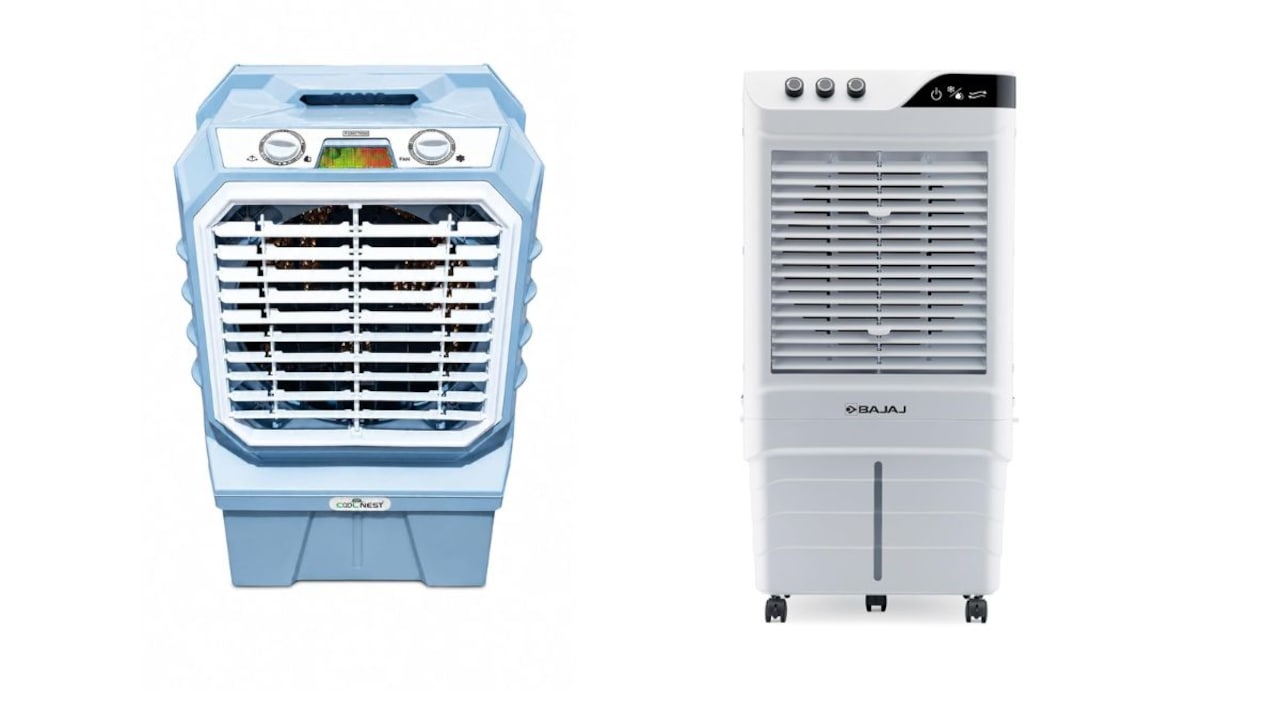
1. Bajaj DMH 90 Neo 90L Desert Air Cooler for Home
2. Cadlec ChillMate 50L Personal Air Cooler For Home
3. Bajaj PX25 Torque Air Cooler For Room 24L
4. HIFRESH 107CM Tower Fan for Room w/Cooling Function
5. Crompton Ozone Royale 75 Litres Desert Air Cooler for home
6. BHABURLY | GLX 35 LTR
7. HIFRESH 107CM Tower Fan for Room w/Cooling Function
An air cooler works best when air keeps moving. Fresh, dry air must enter, pass through the wet pads and leave the room after collecting moisture. Any mistake that interrupts this cycle can raise humidity and reduce cooling.
Sealed rooms, dirty pads, stale water, poor placement and excessive ice often make the appliance work harder without making the room more comfortable. Weather conditions also matter. Even a well-maintained cooler cannot perform at its best when the air already feels heavy with moisture.
Most fixes cost little or nothing. Opening a window slightly, cleaning the tank, increasing fan speed or moving a curtain can transform the cooling experience. These simple changes also reduce water waste, protect the appliance and prevent unpleasant odours.
A cooler should bring relief after a long, sun-soaked day. Used correctly, it can create a fresh and comfortable room without sending the electricity bill into a dramatic summer fever. Donot forget to checkout some promising cooler options from Amazon.
(Disclaimer: This article may include references to or features of products and services made available through affiliate marketing campaigns. NDTV Convergence Limited (“NDTV”) strives to maintain editorial independence while participating in such campaigns. NDTV does not assume responsibility for the performance or claims of any featured products or services.)