Rotisserie, Convection And Toast Modes: Which Oven Features Are Actually Useful?
Confused by rotisserie, convection and toast modes? This guide explains which oven features improve everyday cooking, which suit occasional use, and which may not justify the extra cost.

Oven Modes Explained: Which Features Are Actually Worth It?
Buying an oven can feel oddly similar to choosing a smartphone. One model promises twelve cooking functions, another offers “advanced hot-air circulation”, and a third displays enough symbols to resemble an aircraft control panel. Yet most households eventually rely on only a handful of settings. The real question is not which oven has the longest feature list. It is the features that suit everyday meals, weekend experiments, and the occasional ambitious dinner. A mode that sounds impressive in a showroom may prove unnecessary when the daily menu involves toast, reheated samosas, biscuits, paneer tikka and the birthday cake that everyone watches nervously through the glass door.
Oven Modes Explained: Which Features Are Actually Worth It?; Photo Credit: Pexels
Rotisserie, convection and toast modes often receive the most attention, but they serve very different purposes. Understanding how each one works can prevent uneven cakes, burnt bread and chicken that looks glorious outside but remains stubbornly undercooked near the bone. More importantly, it can help buyers avoid paying extra for functions they may never use.
Understanding Which Oven Modes Truly Matter
1. Rotisserie Mode Brings Drama To The Dinner Table
Rotisserie mode uses a metal spit that turns food slowly while it cooks. The rotation allows heat to reach the surface from different angles, helping meat brown evenly while its juices move across the exterior. The result can look wonderfully theatrical: golden chicken, crisp edges and the sort of aroma that pulls family members into the kitchen before dinner is ready.
This mode works best for whole chicken, small meat joints and tightly secured rolls. It can also handle compact arrangements of paneer, mushrooms or vegetables, although loose pieces may slide around unless fastened carefully. For many homes, rotisserie cooking remains a weekend activity rather than an everyday habit.
The feature becomes useful only when the oven includes a strong spit, secure forks and enough internal space for smooth rotation. Cleaning also deserves consideration. Dripping fat can create a smoky mess if the tray below sits too far away or contains no water.
Rotisserie mode offers excellent results for roast lovers. However, households that rarely cook whole poultry may admire the accessory more often than they use it.
Also Read: 10 OTG Oven Benefits: Budget-Friendly, Compact and Perfect For Baking, Grilling And More
2. Convection Mode Deserves The Most Attention
Convection mode uses a fan to circulate hot air throughout the oven cavity. This constant movement reduces hot and cold spots, helping food cook more evenly. Among all the specialised oven functions, convection usually delivers the greatest everyday value.
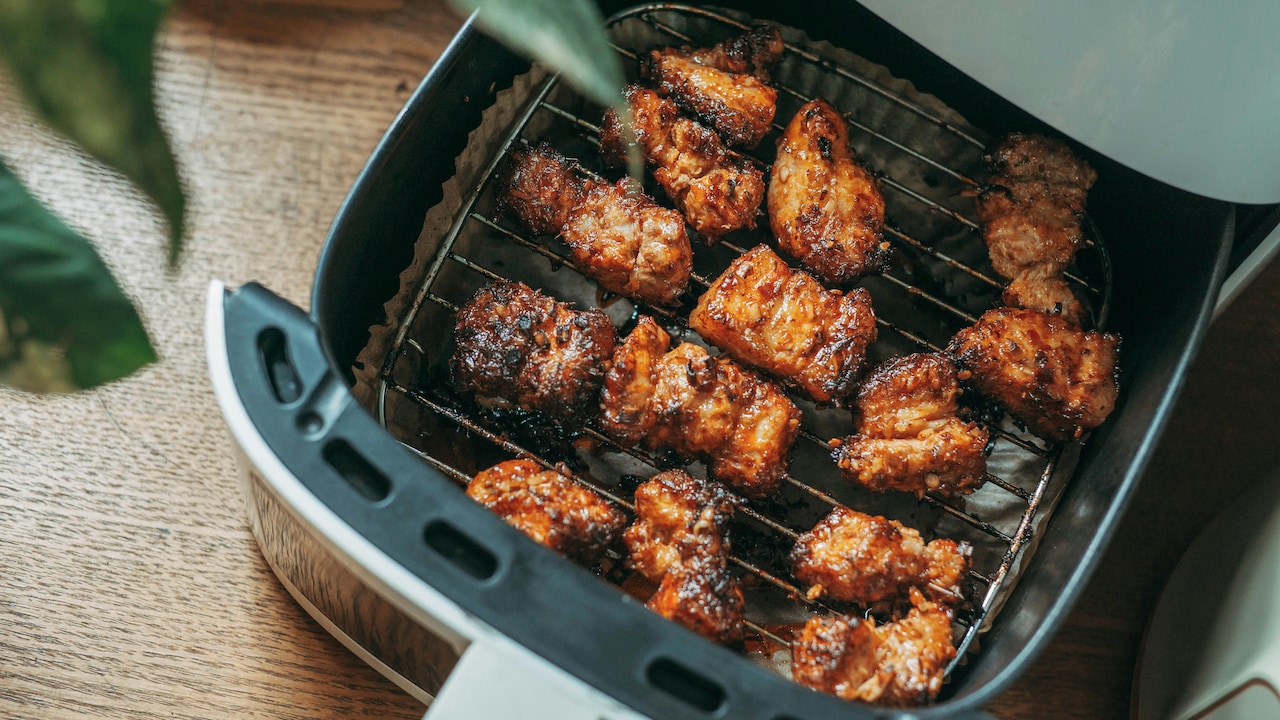
It suits cakes, biscuits, pizzas, baked pasta, roasted vegetables, kebabs and savoury snacks. A tray of nankhatai can brown more consistently, while potato wedges gain a crisper surface without drowning in oil. Convection also allows heat to reach food more efficiently, which may shorten cooking time.
However, the fan can dry delicate dishes when the temperature runs too high. Recipes written for conventional ovens often need a reduction of about 10°C to 20°C when cooked with convection. Checking food a little earlier also prevents unpleasant surprises.
The fan itself matters too. A noisy fan may turn peaceful baking into a miniature construction project, while weak circulation defeats the purpose of the mode.
For households that enjoy varied cooking, convection is not merely a showroom attraction. It is the feature most likely to work several times a week.
3. Toast Mode Is Simple But Surprisingly Valuable
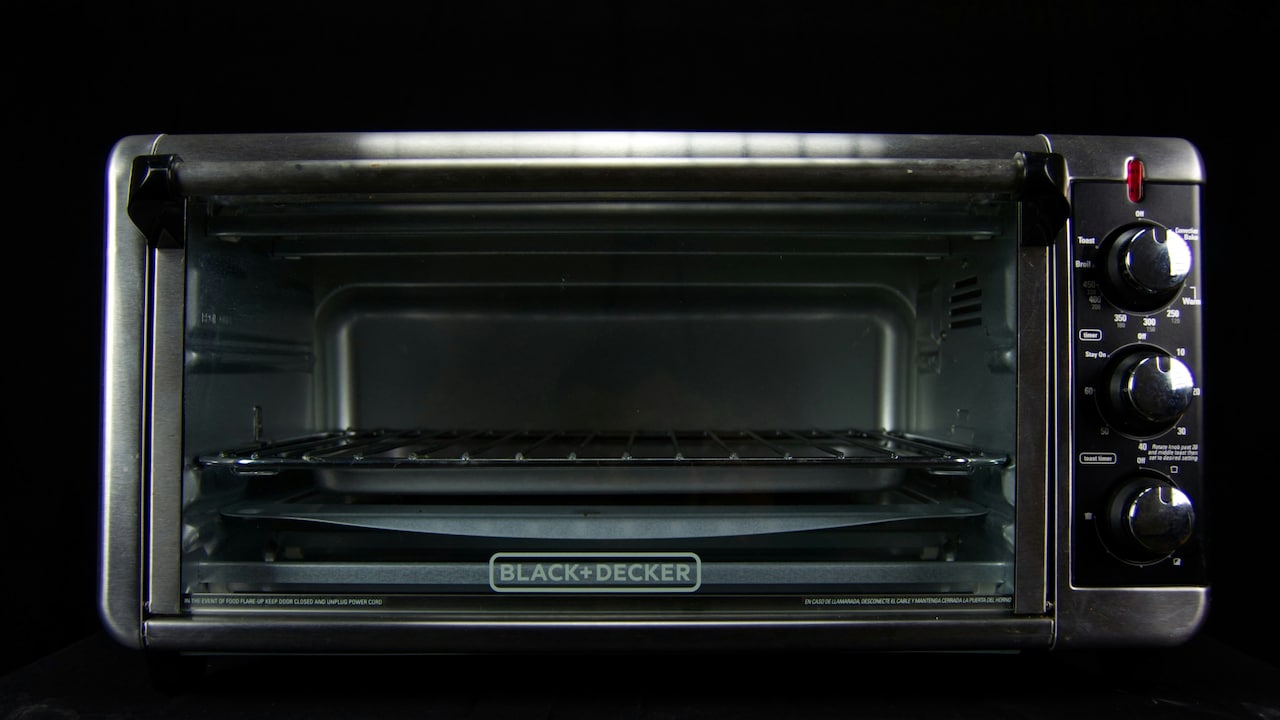
Toast mode usually activates the upper and lower heating elements without relying heavily on the fan. It provides direct heat for bread, buns, pav and open sandwiches. The function sounds basic, yet simplicity often proves more useful than novelty.
A dedicated toaster remains faster for two slices of morning bread. An oven, however, handles larger quantities. It can toast six or eight slices at once, warm burger buns for a family meal or crisp several pieces of garlic bread without repeated batches. It also works well for cheese toast, masala bread and leftover pizza that deserves better treatment than a soggy microwave reheating.
Results depend on rack position. Bread placed too close to the upper element can burn in seconds, especially when butter or cheese starts bubbling. Turning slices halfway may still be necessary if the oven heats unevenly.
Toast mode earns its place in busy households, particularly where breakfast happens in batches. It may not sound glamorous, but it performs useful work with little fuss. Sometimes the least exciting button becomes the one covered in the most fingerprints.
Oven Modes Explained: Which Features Are Actually Worth It?; Photo Credit: Pexels
4. Conventional Heating Still Handles Delicate Baking Well
Conventional mode uses the top and bottom heating elements without a circulating fan. Heat rises naturally, creating a gentler cooking environment. Although convection receives more praise, conventional heating remains valuable for recipes that need steady warmth rather than strong airflow.
Cheesecakes, custards, soufflés and soft sponge cakes often benefit from this mode. The absence of a fan protects delicate surfaces from drying or cracking too quickly. Bread dough may also rise more evenly when the air inside the oven stays calm.
The drawback lies in uneven heat distribution. Many ovens run hotter near the back or top, so trays may require rotation during cooking. Preheating becomes especially important because the cavity needs time to reach a stable temperature.
Conventional mode also takes longer than convection in many cases. That delay can feel inconvenient during rushed evenings, but it may produce a softer crumb and a more controlled bake.
This feature rarely appears in advertising headlines because it lacks sparkle. Still, anyone who enjoys traditional baking should not dismiss it. Quiet, predictable heat often achieves what a powerful fan cannot.
5. Grill Mode Is Excellent For Browning And Charring
Grill mode directs intense heat from the upper element. It cooks the surface quickly, making it ideal for browning cheese, charring kebabs and adding colour to dishes that already contain cooked ingredients.
A tray of paneer tikka can develop smoky-looking edges under the grill. Baked pasta gains a bubbling, golden top. Even simple tomatoes, mushrooms or corn can pick up attractive colour and a deeper flavour. The mode also rescues pale dishes that taste fine but look as though they have spent the afternoon avoiding sunlight.
Grilling demands close attention. Food can move from golden to black during a brief conversation or one careless scroll through the phone. The rack should sit near the upper element, but not so close that marinades splatter or cheese touches the heater.
This mode does not replace full oven cooking. Thick pieces may burn outside before cooking through, so partial cooking beforehand often helps.
For households that enjoy kebabs, gratins and crisp toppings, grill mode provides real value. It is practical, fast and capable of adding restaurant-style finishing touches without requiring complicated technique.
6. Preheat Functions Save Guesswork, Not Necessarily Time
Many ovens include a dedicated preheat setting or an indicator that signals when the chosen temperature has been reached. This feature matters more than it first appears, especially for baking.
Cakes, biscuits and breads depend on immediate, controlled heat. Placing batter inside a cold oven can affect rising, texture and browning. A sponge may turn dense, while cookies may spread before their edges begin to set. Proper preheating gives recipes the environment they expect from the first minute.
Some ovens claim rapid preheating, but speed varies with cavity size and power. A compact oven may reach 180°C quickly, while a large model can take longer. Opening the door repeatedly also releases heat and delays recovery.
The preheat alarm offers convenience, although an inexpensive oven thermometer can reveal whether the displayed temperature matches reality. Some models cheerfully announce readiness while remaining noticeably cooler inside.
This function is genuinely useful, but buyers should not pay a huge premium for it. Most ovens can preheat through ordinary temperature controls. The indicator simply removes some uncertainty and helps prevent eager bakers from placing the cake inside five minutes too soon.

Oven Modes Explained: Which Features Are Actually Worth It?; Photo Credit: Pexels
7. Air-Fry Mode Can Be Useful With Realistic Expectations
Air-fry mode has become a popular addition to modern ovens. It uses fast-moving hot air, often combined with a perforated basket, to crisp food with less oil than deep frying. The idea sounds irresistible, particularly when evenings call for chips, nuggets or crunchy snacks without a pan full of oil.
In practice, oven air-frying works best with small, evenly spaced portions. Overcrowding blocks airflow and produces soft patches. Frozen snacks, potato wedges, cauliflower bites and reheated cutlets usually perform well. Foods coated in wet batter do not. Pakoras prepared with loose batter may drip through the basket and create an abstract artwork on the oven floor.
Dedicated air fryers often heat faster because their cooking chambers are smaller. Oven models offer more capacity but may need longer preheating and cooking times.
The feature makes sense for families that regularly prepare crisp snacks in larger batches. Those expecting the exact crunch of deep frying may feel disappointed. Air-fry mode offers a lighter texture and cleaner kitchen, not culinary magic. Used sensibly, it can become a helpful extra rather than another forgotten symbol.
8. Defrost And Reheat Modes Have Limited Everyday Appeal
Defrost and reheat functions sound practical, but their usefulness depends heavily on cooking habits. Oven defrosting usually circulates room-temperature or mildly warm air around frozen food. It works more gently than full heating, yet it remains slower than microwave defrosting.
Bread, buns and baked items respond reasonably well. Frozen meat requires greater care because the outer layer may warm while the centre stays solid. Safe thawing in the refrigerator remains a better choice when time allows.
Reheat mode can revive pizza, samosas, kachori and baked dishes without turning them soft. It restores crispness far better than a microwave, although it takes longer and uses more electricity. A leftover slice of pizza may emerge with a crackling base, but waiting fifteen minutes for one piece can feel slightly extravagant.
These modes offer convenience rather than necessity. Standard convection or toast settings can often perform the same tasks with minor adjustments.
Households that frequently reheat fried or baked snacks may appreciate the dedicated controls. Others may use them twice, forget the symbols and return to familiar settings.
9. Temperature Accuracy Matters More Than Mode Count
An oven with fifteen cooking modes can still disappoint if its temperature control lacks accuracy. Reliable heat matters more than decorative buttons, digital animations, or elaborate cooking presets.
A cake baked at an actual temperature of 210°C instead of the selected 180°C will not care that the oven offers rotisserie, fermentation and six types of grilling. It will rise too quickly, darken at the edges and possibly collapse in the centre. Similarly, an underpowered oven can leave pizza bases pale and vegetables limp.
Before buying, reviews should mention heating consistency, preheating time and temperature stability. Double-glazed doors help retain heat, while good insulation keeps the exterior safer and reduces energy loss. Clear controls also matter. A function becomes useless when its symbol resembles three wavy lines engaged in an argument.
An oven thermometer, often available for a modest amount in ₹, can help check accuracy after purchase. The small investment may save several batches of ingredients and considerable frustration.
Feature lists attract attention, but dependable temperature performance determines whether food succeeds. A precise basic oven can outperform a feature-heavy model with unreliable heating.
10. The Best Features Depend On What The Kitchen Cooks
No oven mode qualifies as universally essential. The right combination depends on household size, menu preferences, available space and patience for cleaning.
Frequent bakers should prioritise stable temperature control, convection and conventional heating. Families fond of grilled sandwiches, garlic bread and reheated snacks will value toast and grill modes. Rotisserie makes sense for those who regularly cook whole chicken or enjoy elaborate weekend meals. Air-fry mode suits larger batches of crisp snacks, though it should not become the sole reason to choose an expensive model.
Capacity also shapes usefulness. A 20-litre oven may handle toast and small cakes comfortably but struggle with a rotating chicken. Larger ovens offer flexibility, yet they occupy more counter space and take longer to heat. Accessories matter as well. A crumb tray, sturdy rack, baking tray and rotisserie handle often prove more useful than obscure presets.
The smartest purchase begins with an honest look at weekly cooking. Aspirational features feel exciting, but everyday habits tell the truth. An oven should serve the kitchen that exists, not the imaginary one where sourdough rises every morning and roast dinners appear every Sunday.
Products Related To This Article
1. Milton 10L OTG Oven Toaster Griller for Kitchen | 800W
2. Cadlec MultiChef Pro 3 in 1 Breakfast Maker With Oven Toaster Griller
3. Glen Multi-Function OTG for Kitchen, 25 Litre, 1700W
4. AGARO Marvel 48 Liters Oven Toaster Griller
5. iBELL Ibleo25Lgnew 25 Liters Electric Oven Toaster Grill Otg With Rotisserie
6. Longway Royal OTG 12 Ltr Oven Toaster Griller with Heating Modes
7. Bajaj 1603 16 Litres Oven Toaster Grill (16L OTG) With Baking & Grilling Accessories
Rotisserie, convection, and toast modes all have genuine uses, but they do not offer equal value to every household. Convection stands out as the most versatile option, handling everything from cakes and pizzas to vegetables and kebabs. Toast mode brings dependable convenience, especially for larger breakfasts and crisp reheating. Rotisserie delivers impressive results, though only regular roast cooking can justify the extra hardware and cleaning.
Grill and conventional modes also deserve attention. One adds colour and char, while the other protects delicate bakes from aggressive airflow. Air-fry, defrost, and reheat settings can help, but they should remain secondary considerations rather than deciding factors.
A good oven does not need to resemble a control room. It needs accurate heat, sensible capacity, durable accessories and modes that match real cooking habits. Before paying extra for twenty functions, picture an ordinary Tuesday evening. The features used on that evening will matter far more than the ones demonstrated under bright showroom lights.
In the end, the best oven is not the model with the most buttons. It is the one whose buttons actually get pressed.
(Disclaimer: This article may include references to or features of products and services made available through affiliate marketing campaigns. NDTV Convergence Limited (“NDTV”) strives to maintain editorial independence while participating in such campaigns. NDTV does not assume responsibility for the performance or claims of any featured products or services.)