Soundbar Vs Home Theatre Speakers: Which One Creates Better Movie Sound?
Soundbars offer easy setup and clean design, while home theatre speakers deliver richer, more immersive sound. Here’s how they compare on clarity, bass, space, price and performance.
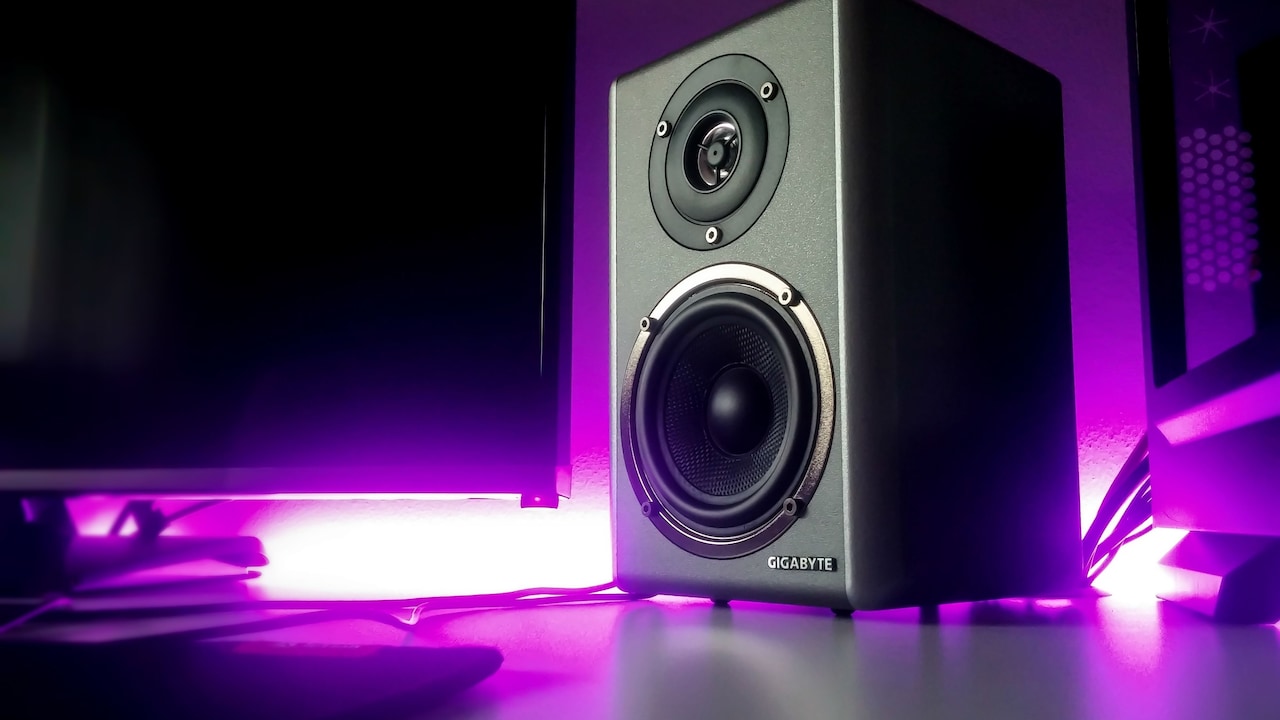
The right choice depends on room size, budget, and viewing preference
A television may display a dazzling 4K picture, rich colours and every wrinkle on an actor's face, yet its built-in speakers often make a blockbuster sound like it is playing through a lunchbox. Slim televisions simply do not have enough room for large audio drivers. The result usually includes weak bass, unclear dialogue and action scenes that lose their punch. That is where the real contest begins: soundbar versus home theatre speakers. A soundbar promises convenience. Place it below the television, connect one cable and press play. A home theatre system asks for more effort, more space and often more money. In return, it can surround the sofa with sound and make a familiar living room feel like a mini cinema.
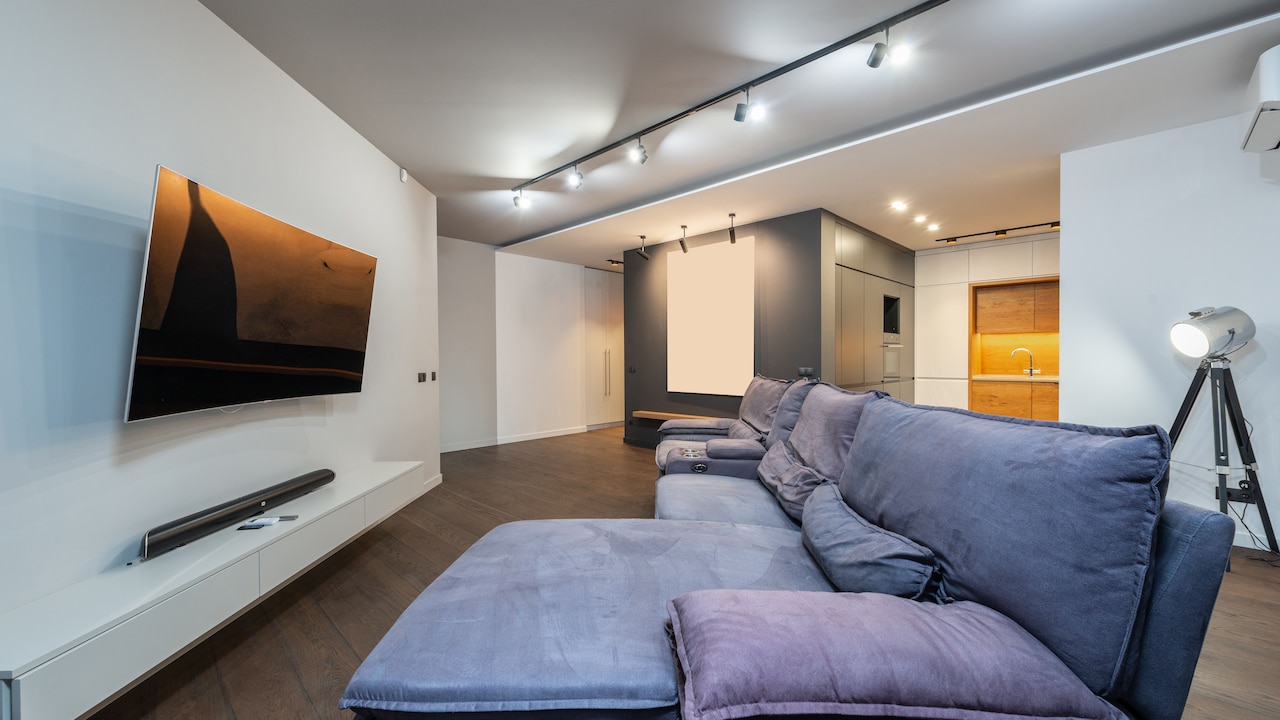
Soundbars offer an easy and space-saving way to improve TV audio quality.
Photo Credit: Pexels
Neither option wins every battle. A compact apartment, a spacious drawing room, a rented flat and a dedicated media room all demand different solutions. Even family habits matter. Someone watching late-night thrillers may value clear dialogue, while a weekend action-film enthusiast may want bass powerful enough to rattle the steel containers in the kitchen.
Also Read: Top 5 Wireless Earbuds Under ₹2,000
Soundbar Vs Home Theatre Speakers: 10 Key Differences That Matter
1. Sound Quality And Overall Clarity
Soundbars have improved dramatically. Even a mid-range model can produce clearer voices, sharper background music and fuller effects than television speakers. Many use multiple drivers placed across a single cabinet to create a broad soundstage. Some also use digital processing to make sound appear wider than the bar itself.
For everyday viewing, this can feel like a major upgrade. News presenters sound natural, songs gain warmth, and film dialogue no longer disappears beneath background music. A good soundbar also keeps audio consistent, which helps during family movie nights when nobody wants to keep adjusting the volume.
Home theatre speakers, however, usually provide greater detail and separation. Since each speaker handles sound from a different position, effects do not compete inside one narrow enclosure. Dialogue comes from the centre, music spreads through the front speakers, and ambient sounds arrive from the sides or rear.
This separation creates cleaner, more convincing audio. In a crowded action sequence, viewers can hear tyres screeching, glass breaking and characters speaking without everything collapsing into noise. A soundbar sounds better than a television. A well-set-up home theatre system sounds closer to the filmmaker's intention.

Soundbars are ideal for apartments and everyday entertainment needs.
Photo Credit: Pexels
2. Surround Sound And Movie Immersion
Surround sound decides whether a movie merely plays in front of the sofa or unfolds around it. A soundbar can imitate this effect through angled drivers, wall reflections and audio processing. Premium models support formats such as Dolby Atmos and may bounce sound towards the ceiling to create a sense of height.
In the right room, the illusion works surprisingly well. Rain appears to fall from above, vehicles seem to move across the screen, and background activity spreads beyond the television. Yet the effect depends heavily on the room's shape. Open layouts, high ceilings and uneven walls can weaken those reflected sound cues.
Home theatre speakers create surround sound in a more direct way. Rear speakers physically sit behind or beside the seating area, so footsteps, traffic and crowd noise genuinely come from those directions. Add ceiling or upward-firing speakers, and the system can produce a far more convincing three-dimensional sound field.
This difference becomes obvious during horror films and thrillers. A door creaking behind the sofa feels far more unsettling when the sound actually comes from behind. Soundbars create an impressive bubble. Home theatre speakers place the audience inside the scene.
3. Bass Performance And Action Scenes
Bass gives movie sound its weight. It turns a gentle rumble into an approaching train, makes thunder feel physical and gives dramatic background scores their emotional force. Without proper bass, even the grandest action sequence can feel strangely polite.
Many soundbars include a separate wireless subwoofer. This combination works well in most living rooms and delivers enough impact for superhero battles, racing scenes and dance tracks. Wireless placement also reduces cable clutter. The subwoofer still needs a power socket, but it can usually sit beside a cabinet or near a wall.
Some compact soundbars claim to produce deep bass without a separate subwoofer. They may sound rich at moderate volume, but their small drivers cannot move enough air to match a dedicated bass unit. Physics remains stubborn, even when marketing becomes imaginative.
Home theatre systems offer greater flexibility. Buyers can choose a larger subwoofer, upgrade it later or even add a second one for smoother bass across a large room. A capable system produces bass that feels controlled rather than boomy.
In a compact flat, a soundbar subwoofer may provide more than enough excitement. In a large room, home theatre bass delivers the kind of impact that makes popcorn jump.
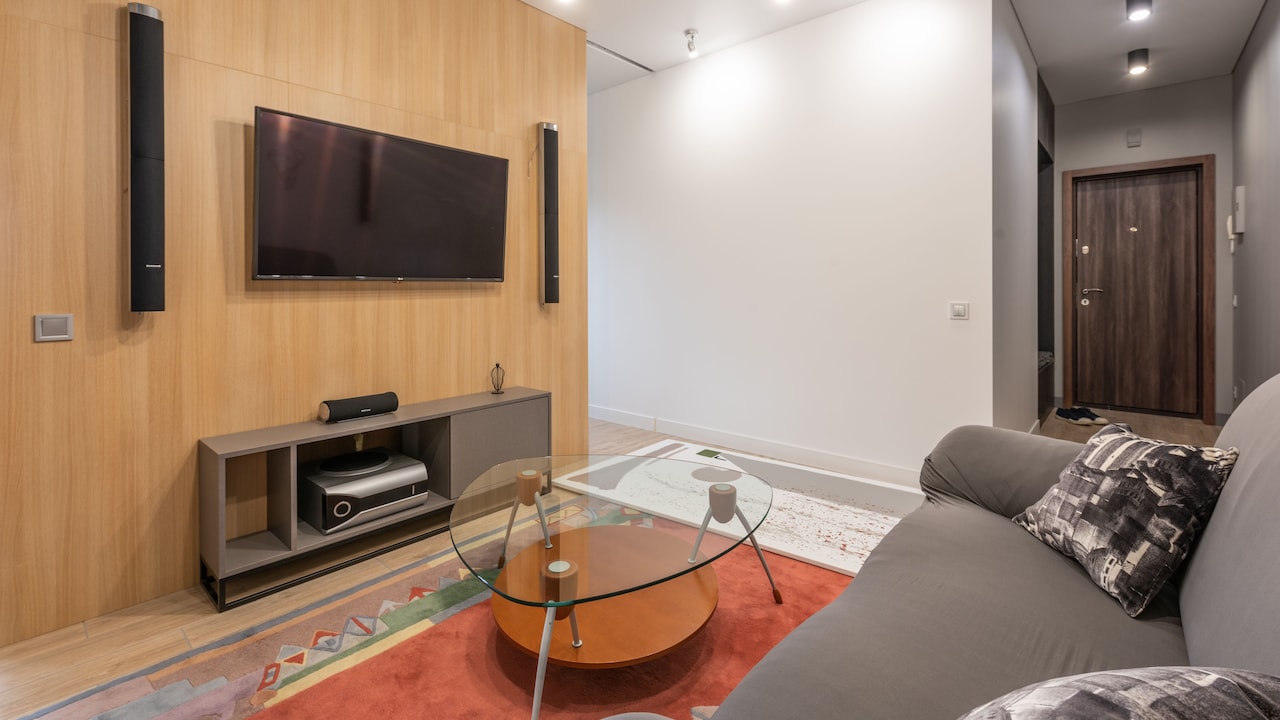
Home theatre systems are better suited for cinema enthusiasts seeking a true theatre-like experience at home.
Photo Credit: Pexels
4. Dialogue Clarity During Films And Shows
Modern films often mix whispered conversations with loud music and sudden explosions. That may work beautifully in a cinema, but at home it can lead to a familiar ritual: raise the volume for dialogue, lower it during action, then repeat every five minutes.
Soundbars handle this problem well. Since they sit directly below the television, they keep voices anchored near the screen. Many models include a dedicated centre channel or dialogue enhancement mode. These features push speech forward without making every other sound painfully loud.
This makes a soundbar especially useful for dramas, streaming series, sports commentary and late-night viewing. It also suits households where several people watch together and not everyone hears quiet speech equally well.
Home theatre speakers can deliver even clearer dialogue, provided the system includes a good centre speaker. In most surround mixes, the centre channel carries the majority of spoken lines. A large, well-positioned centre speaker gives voices more body and makes them easier to understand.
However, poor placement can spoil the result. Hiding the centre speaker inside a closed cabinet may make speech sound muffled. Soundbars offer dependable clarity with little effort. Home theatre systems offer superior clarity when carefully arranged.
5. Installation And Everyday Convenience
A soundbar appeals to anyone who wants better sound without turning installation into a Sunday project. Most models connect through a single HDMI cable. Once the television recognises the device, its remote can often control the volume. Streaming music through Bluetooth or Wi-Fi usually takes only a few taps.
This simplicity matters in rented homes, compact spaces and households where technology should work without a family meeting. There are fewer cables, fewer settings and fewer opportunities for someone to unplug the wrong wire while charging a phone.
A home theatre system requires more planning. Speakers need suitable positions, cables must reach the receiver, and the subwoofer needs enough breathing room. The system may also require calibration so that every speaker plays at the correct level and distance.
Wireless rear speakers can reduce some clutter, though “wireless” often means they still need power sockets. In older homes, limited plug points can become an unexpected villain.
Once installed properly, a home theatre setup becomes easy to use. The initial effort remains much greater, though. A soundbar offers instant improvement. A home theatre system rewards patience, measuring tape and a willingness to negotiate furniture placement.
6. Space, Design And Living-Room Appeal
A soundbar fits naturally into modern interiors. Its slim shape sits neatly below a wall-mounted television or rests on a media console. It does not demand speaker stands, long cable runs or major changes to the room. For smaller flats, this tidy design can decide the entire contest.
The only common problem involves television stands. A tall soundbar may block the bottom edge of the screen or interfere with the remote-control sensor. Checking dimensions before purchase saves a great deal of irritation.
Home theatre speakers take up more visual space. Floor-standing speakers can dominate a room, while bookshelf models need shelves or stands. Rear speakers also require careful placement, and visible cables may clash with a clean interior.
Yet speakers can also become part of the room's character. A well-designed pair of wooden cabinets can look elegant beside a television. In a spacious living room, a full system may appear purposeful rather than cluttered.
The decision often depends on how the room functions. A shared family area may benefit from the restraint of a soundbar. A dedicated entertainment room can comfortably accommodate several speakers. Soundbars blend in. Home theatre systems proudly announce that serious movie nights happen here.
7. Price And Long-Term Value
Soundbars cover a wide price range. Entry-level models can cost a few thousand rupees, while premium Dolby Atmos systems can cross ₹1,00,000. This makes it easy to find an option for almost any budget. A model around ₹15,000 to ₹35,000 can provide a strong improvement for a typical living room.
The package usually includes amplification, speakers, processing and often a subwoofer. That makes the purchase simple. There is no need to match separate components or calculate whether an amplifier can drive a particular speaker.
Home theatre systems often cost more at the beginning. Buyers may need an AV receiver, front speakers, a centre speaker, surround speakers, a subwoofer and cables. A capable setup can begin around ₹50,000 and rise quickly depending on the room and expectations.
However, home theatre equipment usually offers better long-term flexibility. Individual speakers can last for many years. Owners can upgrade the receiver, replace the subwoofer or add extra channels without discarding the whole system.
A soundbar provides excellent value through convenience. A home theatre setup provides value through performance and upgradability. The cheaper option today may not always prove cheaper over a decade.
8. Music Playback And Everyday Entertainment
A sound system rarely serves movies alone. It may play playlists during dinner, devotional music in the morning, cricket commentary in the afternoon and dance tracks during a family celebration. Its musical ability therefore deserves attention.
A soundbar works well for casual listening. It fills the room more effectively than television speakers and connects easily to a phone. Models with a separate subwoofer add energy to pop, film songs and electronic music. For background listening, the experience feels enjoyable and fuss-free.
However, soundbars often prioritise width and dialogue over precise stereo imaging. Vocals may sound centred, but instruments do not always occupy distinct positions. The result feels lively rather than truly spacious.
Traditional front speakers usually perform better with music. A good stereo pair creates a natural soundstage where singers, drums and instruments appear to occupy separate spaces. Larger cabinets also produce richer midrange and more controlled bass.
A home theatre receiver may offer dedicated stereo modes that use only the front speakers and subwoofer. This gives music lovers greater flexibility.
For playlists during household chores, a soundbar does the job happily. For listeners who sit down and pay attention to every tabla beat or guitar note, separate speakers hold the advantage.
9. Upgrades, Repairs And Future Compatibility
Technology changes quickly. New audio formats appear, streaming features evolve, and televisions gain updated connection standards. A sound system should ideally survive more than one television upgrade.
Soundbars offer limited expansion. Some models allow buyers to add wireless rear speakers or a compatible subwoofer, but the choices usually remain tied to the same brand and product family. When the main unit becomes outdated or develops a fault, replacing the whole package may become necessary.
This closed design keeps things simple, though it reduces freedom. A five-year-old soundbar may still sound good, but it might lack newer HDMI features or advanced surround support.
Home theatre systems follow a modular approach. Speakers connect separately to an AV receiver, so each part can change independently. A buyer can keep a beloved speaker set and replace only the receiver when new formats or ports become important.
Repairs may also prove more practical because the system contains separate components. One damaged speaker does not always condemn the entire setup.
For buyers who prefer a single purchase with minimal thought, a soundbar feels reassuring. For enthusiasts who enjoy improving their system over time, home theatre speakers provide a clearer path forward.
10. Choosing The Right System For The Room
The best audio system does not exist in isolation. It must suit the room, the people and the way they watch. A powerful home theatre setup can overwhelm a small bedroom, while a compact soundbar may struggle to fill a large drawing room.
For a bedroom, rented flat or modest living area, a soundbar usually makes sense. It improves speech, adds bass and keeps the space tidy. A model with a wireless subwoofer offers enough excitement for weekend films without inviting complaints from every neighbour on the floor.
For a medium-sized room, the choice becomes more personal. A premium soundbar suits viewers who value simplicity. A 5.1 speaker package suits those who want genuine surround effects and have space for rear channels.
A large room strongly favours home theatre speakers. Separate channels move more air, cover a wider seating area and maintain clarity at higher volumes. They also allow proper placement around several viewers.
Room acoustics matter as well. Curtains, rugs and sofas help reduce harsh echoes. Bare walls and marble floors can make even expensive equipment sound sharp. The room always joins the performance, whether invited or not.
Products Related To This Article
1. Sonos Ray | Compact Soundbar for TV and Music
2. Portronics 600W Sound Slick X1 5.1.2 CH Dolby Atmos Soundbar Home Theatre
3. Boat Aavante Bar 490 10W Signature Sound
4. Sony HT-S20R Real 5.1ch Dolby Digital Soundbar for TV with subwoofer
5. Boat Aavante Bar 3600/3500, 500W Signature Sound
6. Mivi Nex 100 Sound Bar for Smart TV
7. amazon basics X20R 20W Bluetooth Soundbar with 2000mAh Battery
Soundbars and home theatre speakers solve the same problem in very different ways. A soundbar brings stronger, clearer and more cinematic audio without demanding much space or effort. It suits apartments, rented homes, bedrooms and busy households. For most viewers, it offers the easiest route from thin television sound to enjoyable movie audio.
Home theatre speakers aim higher. They produce genuine directional sound, stronger separation, larger-scale bass and a more convincing sense of immersion. They suit spacious rooms, serious film enthusiasts and anyone willing to invest time in placement and setup.
So, which one creates better movie sound?
Home theatre speakers win on pure performance. Their physical separation allows effects to move naturally around the room, while a dedicated centre speaker improves dialogue and a larger subwoofer gives action scenes real authority.
A soundbar wins on practicality. It delivers a noticeable improvement, keeps the room uncluttered and avoids a jungle of cables. Premium models can also sound remarkably cinematic.
The final choice depends on priorities. Choose a soundbar for convenience, clean design and strong everyday performance. Choose home theatre speakers for scale, realism and the thrill of hearing a helicopter travel from the television to the space behind the sofa. Either option beats asking everyone to stay silent because the television has swallowed another important line of dialogue.
(Disclaimer: This article may include references to or features of products and services made available through affiliate marketing campaigns. NDTV Convergence Limited (“NDTV”) strives to maintain editorial independence while participating in such campaigns. NDTV does not assume responsibility for the performance or claims of any featured products or services.)