Air Fryer Buying Guide: How To Choose The Right Size, Wattage And Features
How to choose an air fryer: This air fryer guide helps you pick the perfect model by comparing size, wattage, and essential features for your cooking needs
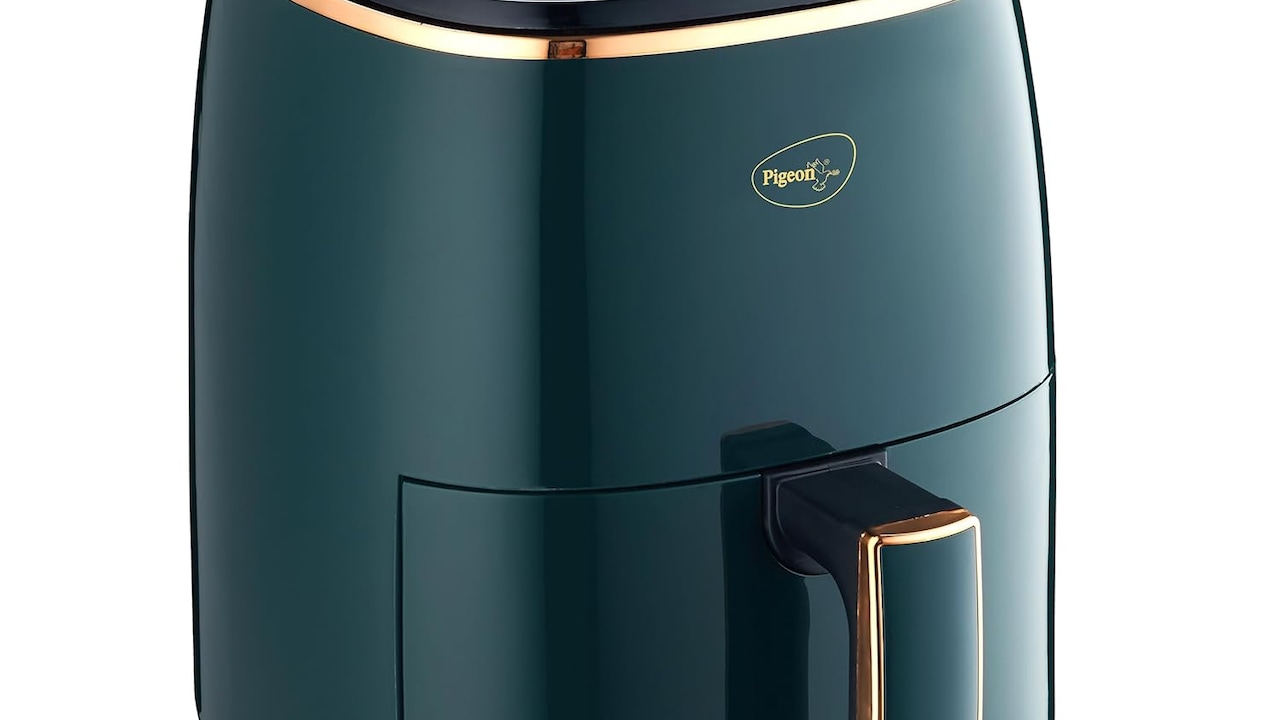
In Our Air Fryers Buying Guide, We Explain The Importance Of Size, Wattage And Features.
The modern kitchen has changed. Time feels shorter, appetites remain demanding, and health sits high on the priority list. Enter the air fryer, a countertop gadget that claims to deliver deep-fried taste using a fraction of the oil. It sounds almost magical, yet the reality depends heavily on the model chosen. Walk into any electronics store or browse online, and the options feel endless. Compact air fryers promise affordability, larger ones boast family-sized meals, while premium versions flash digital screens and smart presets. Without clarity, it becomes easy to overspend or end up with an appliance that gathers dust.
This air fryer buying guide focuses on how to choose the right size, wattage and features. It avoids technical jargon and marketing fluff. Instead, it uses everyday examples, practical insights, and a touch of kitchen humour. The goal remains simple: to help readers make a confident choice and enjoy every crunchy bite.
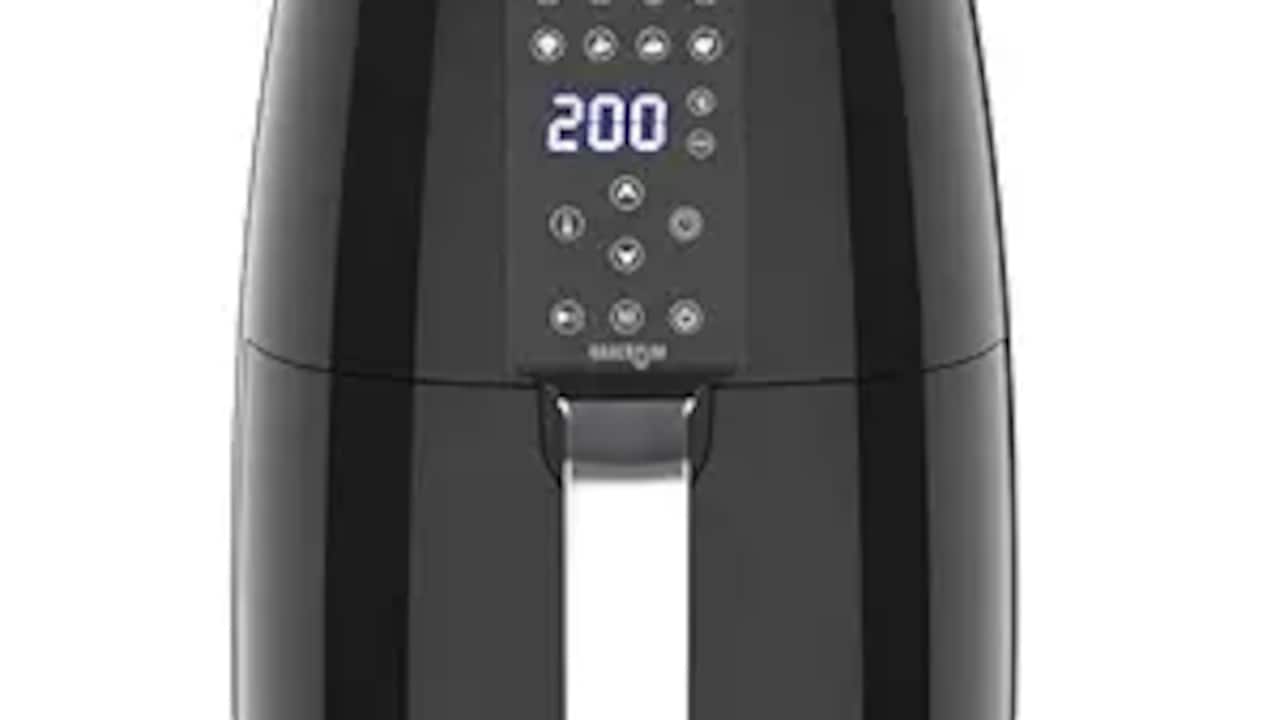
Air Fryers Buying Guide: Size, Wattage And Features Explained
Photo Credit: Amazon
What To Look For Before Buying An Air Fryer
1. Understanding Air Fryer Capacity: Why Size Truly Matters
Size stands as the first and most important decision. Air fryer capacity usually ranges from 2 litres to over 6 litres. A smaller unit suits solo dwellers, students, or couples who cook light meals. It handles snacks, toast, or a portion of fries without trouble. However, hosting friends with a tiny basket can test patience.
Medium-sized air fryers, around 3.5 to 4.5 litres, strike a balance. They suit small families and everyday cooking. From roasting vegetables to grilling paneer, these models manage variety without crowding the kitchen counter.
Larger air fryers cater to joint families or those who enjoy batch cooking. A 6-litre basket can cook a whole chicken or multiple servings in one go. That said, bigger also means more counter space and higher power consumption. Measuring the kitchen slab before buying avoids awkward rearrangements later.
Choosing size depends less on appetite and more on routine. Think about who eats, how often cooking happens, and whether leftovers play a role.
2. Wattage Explained: Power, Performance And Electricity Bills
Wattage influences how fast and evenly food cooks. Most air fryers operate between 1,200 and 2,000 watts. Lower wattage models consume less electricity but take longer to cook. They suit light use, reheating, or simple snacks.
Higher wattage models heat faster and maintain consistent temperatures. They excel at crisping food evenly, especially thicker items like chicken legs or frozen snacks. However, higher wattage can increase electricity bills if used daily.
For homes mindful of monthly expenses, a mid-range wattage around 1,400 to 1,700 watts offers a sweet spot. It balances speed and efficiency without straining power usage.
Power also affects performance during peak cooking times. In areas with voltage fluctuations, stable wattage matters. A reliable brand with built-in safety features handles such situations better. Wattage should support lifestyle, not overpower it.
3. Cooking Space Design: Basket Vs Oven-Style Air Fryers
Not all air fryers look or work the same. Basket-style air fryers dominate the market. They feature a pull-out drawer and compact design. These models suit quick cooking and easy cleaning. Shaking the basket midway ensures even crisping, though it requires attention.
Oven-style air fryers resemble miniature ovens with shelves and glass doors. They handle larger quantities and offer versatility. Baking, grilling, toasting, and dehydrating become possible in one appliance. Watching food cook through the glass door adds reassurance.
However, oven-style models take up more space and cost more. Cleaning multiple trays also demands effort. Basket models win on simplicity, while oven-style versions suit experimental cooks.
The choice depends on cooking habits. Those who enjoy quick meals may prefer baskets. Those who love variety may lean towards oven-style designs.
Also Read: Healthy Air Fryer Recipes: Top 10 Things To Air Fry, Samosas to Aloo Tikki, Instead Of Deep Frying
4. Temperature Control And Presets: Convenience At Your Fingertips
Temperature control defines cooking precision. Basic air fryers offer manual dials, while advanced models provide digital panels. Digital controls allow exact temperature settings, which helps with delicate dishes.
Presets simplify life. With one touch, the air fryer adjusts time and temperature for fries, chicken, or vegetables. These presets reduce guesswork and speed up cooking, especially for beginners.
That said, presets should feel flexible, not restrictive. Good models allow adjustments even after selecting a preset. This feature helps adapt recipes to personal taste.
Temperature range also matters. A wider range, typically from 80°C to 200°C, supports diverse cooking styles. From slow roasting to quick crisping, flexibility enhances value. Controls should feel intuitive, not intimidating.
5. Build Quality And Materials: Durability Meets Safety
An air fryer becomes a daily companion, so build quality matters. Look for sturdy construction with heat-resistant materials. The outer body should remain cool during operation, ensuring safety in busy kitchens.
Non-stick baskets simplify cleaning, but quality varies. Cheap coatings peel over time, affecting both food safety and taste. A durable, food-grade coating lasts longer and cleans easily.
Removable parts add convenience. Dishwasher-safe baskets and trays save time. Secure handles and smooth drawer movement reduce accidents.
Safety features like auto shut-off and overheat protection offer peace of mind. These features prevent mishaps during long cooking sessions. Investing in quality ensures the appliance lasts beyond the warranty period.
6. Health Claims And Reality: What Air Fryers Truly Deliver
Air fryers often promise healthier meals, and to an extent, they deliver. Using hot air instead of oil reduces fat content significantly. Snacks feel lighter, and guilt reduces.
However, an air fryer does not transform junk food into health food. Frozen fries remain fries. Moderation still matters. The real benefit lies in control. Cooking at home allows better ingredient choices and portion sizes.
Air fryers also reduce smoke and lingering oil smells. Kitchens feel fresher after cooking. For families with children, this matters more than calorie counts.
Understanding these benefits keeps expectations realistic. An air fryer supports healthier habits but does not replace balanced meals.
7. Noise Levels And Kitchen Comfort
Noise rarely features in buying decisions, yet it affects daily comfort. Air fryers produce fan noise similar to a small exhaust. Cheaper models often run louder, which can disrupt quiet evenings.
Premium models focus on noise control. A smoother fan and an insulated body reduce disturbance. For open kitchens, this feature becomes important.
Checking reviews helps gauge noise levels. A silent model feels unrealistic, but manageable noise ensures cooking does not interrupt conversations or television time.
Comfort extends beyond cooking results. A pleasant kitchen experience encourages regular use.
8. Cleaning And Maintenance: The Hidden Deal-Breaker
Cleaning determines whether an appliance becomes a favourite or a burden. Air fryers with simple designs clean faster. Smooth interiors prevent food from sticking.
Removable parts simplify washing. Dishwasher-safe baskets save effort, especially after oily dishes. Avoid models with too many crevices, as grease builds up over time.
Regular cleaning maintains performance and taste. Residue affects airflow and flavour. Easy maintenance ensures consistent results and extends appliance life.
Choosing a model that cleans easily saves time daily, not just occasionally.
Air Fryers Buying Guide: Size, Wattage And Features Explained
Photo Credit: Amazon
9. Price Ranges And Value For Money
Air fryers span a wide price range, from ₹3,000 to over ₹15,000. Budget models cover basic needs and suit occasional use. Mid-range options offer better build, presets, and reliability.
Premium models justify cost with versatility, larger capacity, and advanced controls. They suit frequent cooks and larger households.
Value lies in matching features to needs. Overspending leads to unused functions, while under-spending may cause frustration. Comparing warranty, service support, and brand reputation helps make a smarter decision.
A good air fryer feels worth every rupee spent.
10. Matching The Air Fryer To Lifestyle And Kitchen Habits
The perfect air fryer fits seamlessly into daily life. Busy professionals may prefer quick presets and a compact size. Families may value capacity and durability. Fitness-focused households may focus on oil-free cooking.
Kitchen space also plays a role. A crowded slab benefits from vertical designs or compact models. Storage space matters when the appliance stays unused for days.
Thinking about routine before buying avoids regret. An air fryer should simplify cooking, not complicate it.
Products Related To This Article
1. Milton Rapid Digital Air Fryer 4.2L
2. Pigeon Healthifry Digital Air Fryer
3. Nutricook 5L Air Fryer Slim (2025)
4. SOLARA 12L Air Fryer Oven for Home Kitchen
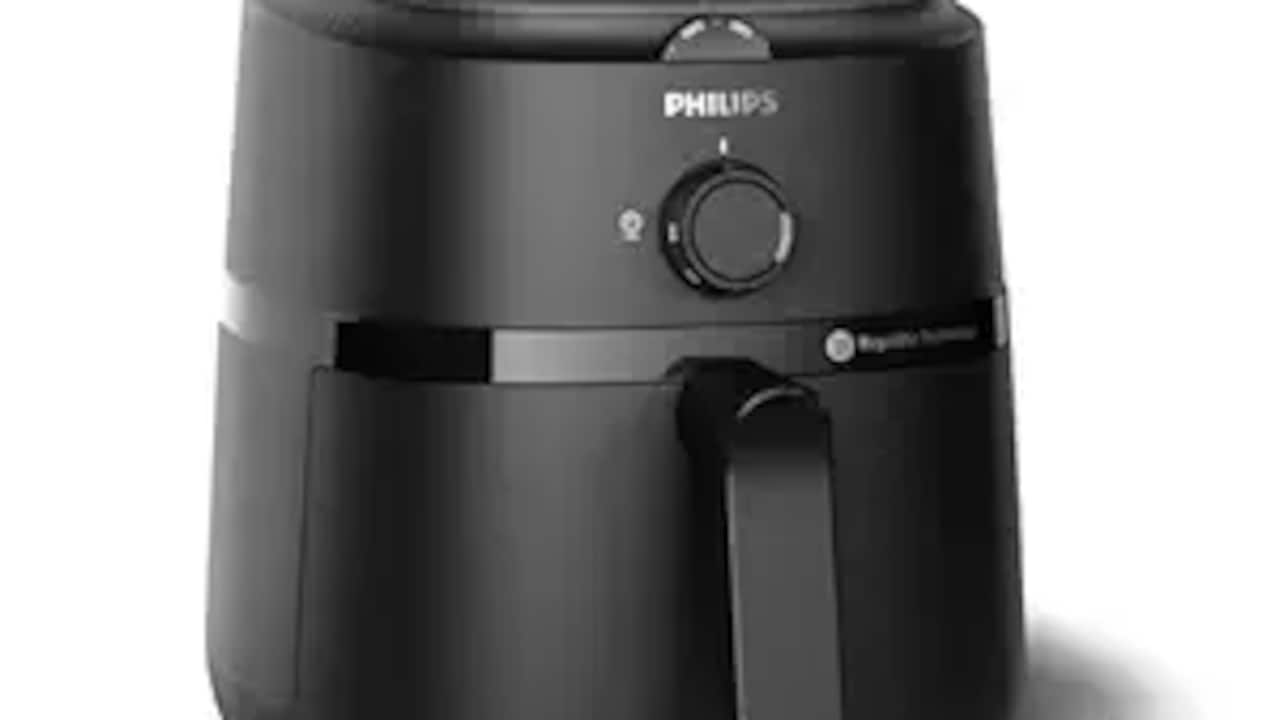
5. PHILIPS Air fryer for Home
6. Havells Prolife Brio Air Fryer 4.2 L
7. COSORI Air Fryer 5 QT (4.7 Litre) Black
An air fryer can transform everyday cooking, but only when chosen thoughtfully. Size determines convenience, wattage affects performance, and features define usability. Beyond specifications, lifestyle and habits matter most. The best air fryer feels intuitive, reliable, and enjoyable to use. Choosing an air fryer wisely ensures every meal arrives crispy, satisfying, and stress-free.
(Disclaimer: This article may include references to or features of products and services made available through affiliate marketing campaigns. NDTV Convergence Limited (“NDTV”) strives to maintain editorial independence while participating in such campaigns. NDTV does not assume responsibility for the performance or claims of any featured products or services.)