Best Cold Press Juicer Buying Guide: Preserve Fibre, Enzymes And Fresh Nutrition
Cold-press juicers extract juice slowly, keeping fibre and enzymes intact. Before buying one, understand key features like motor strength, auger quality and cleaning ease to get maximum nutrition from every glass.
Cold Press Juicers Buying Guide: Drink Healthy, Just Don't Lose Fibre And Essential Enzymes.
The craving for a refreshing glass of juice strikes at any time, after a morning walk, during a lazy evening at home, or while battling summer heat waves. What many do not realise is that the way juice is extracted has a huge impact on its nutritional value. Juice taken from a fast, noisy centrifugal juicer may look fresh, yet much of its natural goodness escapes due to high heat and oxidation. This is where cold-press juicers (also called slow juicers) make a real difference.
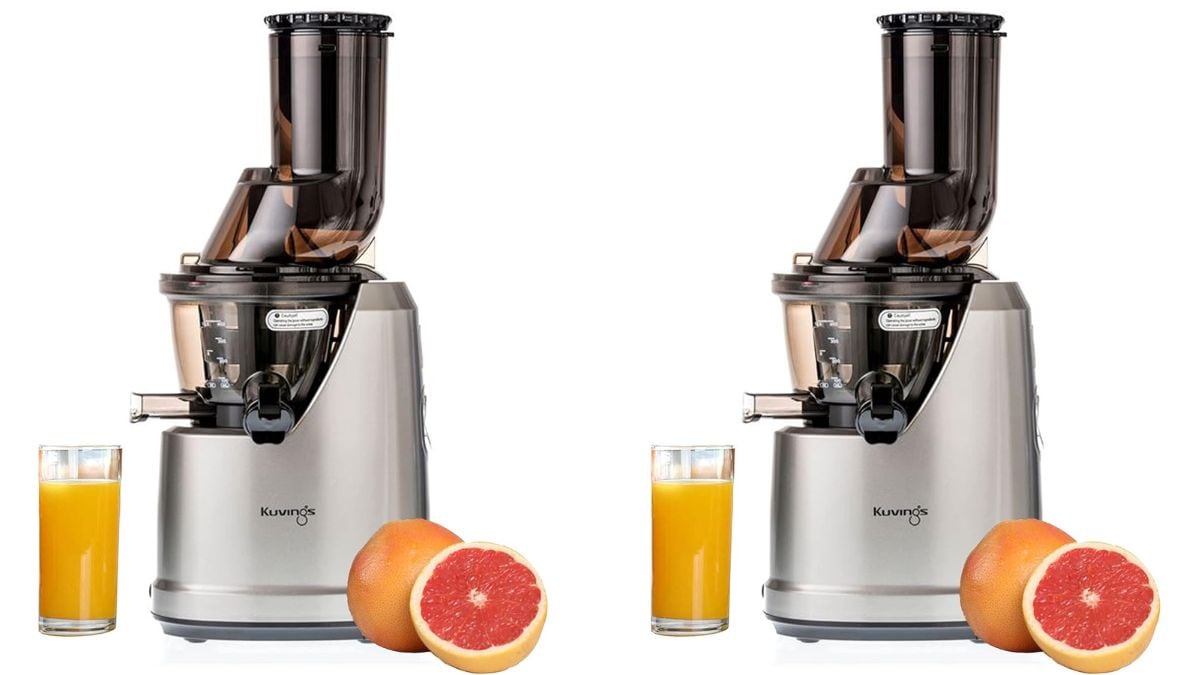
Use these easy tips to buy cold press juicers like a pro; Photo Credit: Amazon
Instead of spinning blades at high speed, cold press juicers crush and squeeze fruits and vegetables slowly, creating thick, flavour-rich juice packed with enzymes, fibre and vitamins. They may take a little more time, but good things rarely come in a hurry. If planning to buy one and unsure what to look for, this guide walks through essential features, practical tips and handy comparisons to help make a confident, value-for-money choice.
What to Look for When Buying A Cold Press Juicer
1. Why Cold Press Matters: Nutrition You Can Taste
Cold-press juicers work like gentle squeezers rather than aggressive grinders. Their slow mechanism prevents heat build-up, which helps keep enzymes and nutrients intact. Imagine squeezing a slice of orange slowly in your hand. The juice may be thick and flavourful, unlike the watery gush from twisting it too fast. The same principle applies here. Slow squeezing reduces oxidation, resulting in a brighter colour, stronger aroma and long-lasting freshness.
Many families choose cold-pressed juice for lifestyle reasons, be it digestion, weight management or boosting immunity. Since the juice retains more soluble fibre, the body digests it gradually and prevents sudden sugar spikes. Even leafy greens like spinach, coriander and wheatgrass release more juice through this technique. Those who enjoy detox drinks or prefer natural sweetness over added sugar will notice an immediate difference. In short, cold-press juicers deliver nutrition that tastes as fresh as it looks.
2. Types of Cold-Press Juicers: Horizontal vs. Vertical
Cold-press juicers come mainly in two designs, horizontal and vertical. The vertical ones fit comfortably on small kitchen counters. Their slender form and upright auger make them sleek and user-friendly for everyday use. Most come with self-feeding chutes, so fruits like apples, oranges and melons slide in easily. These models work well for beginners and busy households, especially where space is tight.
Horizontal juicers, on the other hand, usually perform better with greens and fibrous produce. They excel at extracting juice from celery, mint, ginger and herbs. Many even double as multifunction machines that churn nut butters, sorbets and homemade pasta. Though they occupy more space, they provide a broader range of uses. Choosing between them depends on priority, compact convenience or versatility. If the kitchen has room and leafy juices are a favourite, horizontal may be a better investment. But for quick daily juicing of mixed produce, vertical models do the job beautifully.
3. Look for the Right Motor Power
The heart of a cold-press juicer is its motor. Lower speeds are excellent, but that does not mean low power. Good cold-press juicers run between 40 to 150 watts, strong enough to crush tough ingredients like carrots and beetroot without overheating. Think of it like a scooter engine; it doesn't need to race to reach the destination, but it must pull its weight without strain.
A durable motor also reduces noise levels. Since these juicers operate slowly, the process is naturally quieter than centrifugal ones. It is an added advantage when the family sleeps or when mornings are peaceful. Check whether the juicer can run continuously for 15–30 minutes without shutting off. Reliable brands specify running time, offering assurance that the motor won't give up mid-juice, especially when preparing large batches during festive gatherings or weekend wellness sessions.
4. The Auger: The Real Workhorse
The auger is the internal component that crushes and squeezes ingredients. A high-quality auger works like a sturdy pestle, patiently grinding produce to extract every drop. Strong augers are usually made from BPA-free, food-grade material called Ultem. This makes them resistant to pressure and ideal for extracting hard and fibrous items.
A good auger design ensures the juice is thick, pulpy and rich, without foam. When the auger rotates slowly and steadily, the yield increases and the waste of leftover pulp reduces. Observing the pulp can reveal how effective the auger is. If the pulp comes out almost dry, the machine is doing its job well. Families that prepare juice in bulk, store it overnight or use greens frequently benefit from powerful augers. It boosts efficiency while preventing wear and tear.
5. Wide Feeding Tube Saves Preparation Time
Many cold-press juicers require chopping fruits and vegetables into small pieces. A wide feeding tube, especially above 70 mm, allows larger chunks to pass easily. It means fewer minutes spent slicing apples, carrots or papaya. Those rushing through breakfast before leaving for work will understand the value of saved time. With wider chutes, the machine works more smoothly and reduces jamming.
A wide chute also minimises accidental cuts during preparation. It reduces repeated handling of ingredients and encourages children to participate safely when making juice. Some models even allow whole small fruits like tomatoes or grapes to go straight inside. This feature may seem small, but it makes the juicing process more manageable during busy days, Sunday brunches, or evening snack breaks when quick servings keep everyone happy.
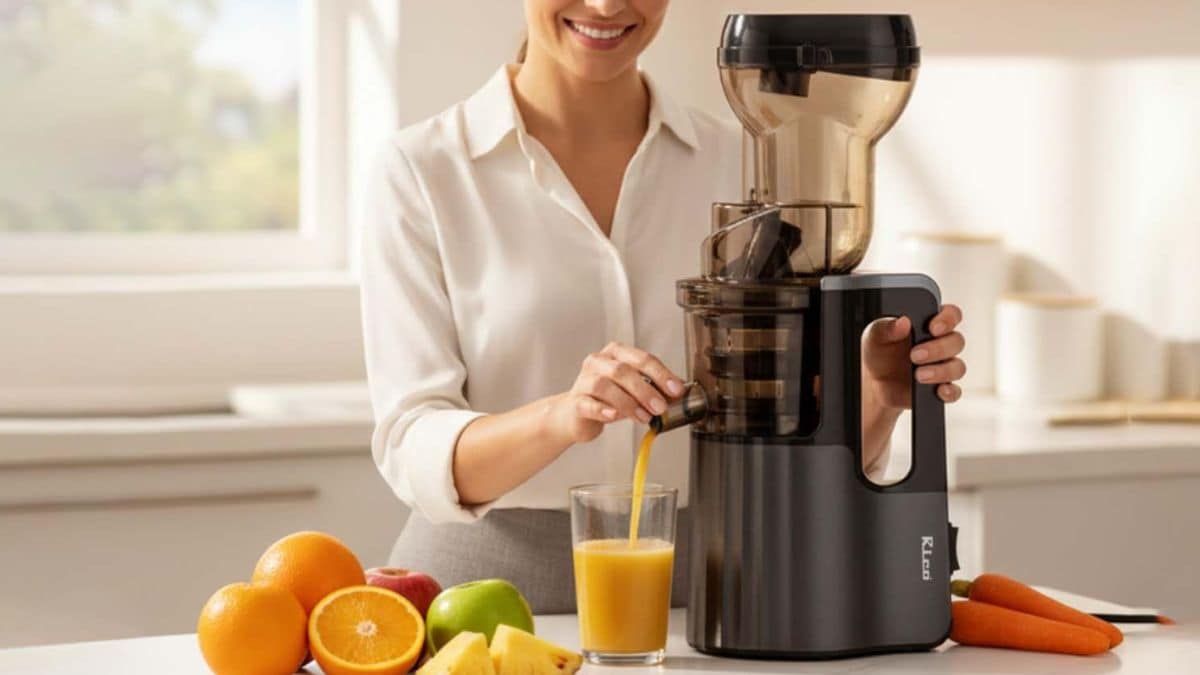
Look for juicers with a wide feeding tube; Photo Credit: Amazon
6. Material Matters: Plastic, Stainless Steel or Tritan
Choosing safe materials is as important as selecting good features. Look for BPA-free plastics, tough Tritan jars and food-grade stainless steel filters. Since juice is consumed raw, anything that leaches into it can compromise health. High-quality materials resist staining from beetroot, turmeric and leafy greens. They also last longer without cracking or absorbing odours.
Premium builds result in sturdier machines that withstand frequent washing and long-term use. For example, spending a little extra on durable material prevents recurring repair costs later. It also protects enzymes and taste because the juicer doesn't heat up or interact with acidic fruits like oranges and pineapples. A reliable build maintains hygiene and freshness, ensuring every glass poured remains safe and nutritious.
7. Juicing Leafy Greens and Nuts: Test Versatility
One strong advantage of cold-press juicers is versatility. They handle a variety of ingredients, including coconut, almonds and greens that other juicers struggle with. Imagine preparing almond milk at home instead of buying expensive packs costing more than ₹200 per litre. A cold-press juicer makes it possible, and it tastes richer without preservatives.
Families that enjoy detox juices can extract celery, spinach or wheatgrass with higher yield. Those who crave sweet treats can make sorbets from frozen fruits like mango and banana without adding sugar. A versatile juicer becomes a lifelong kitchen companion because it adapts to different needs, health drinks during summer, festive mocktails when guests arrive, and nut milk for daily breakfast. Choosing a model that supports multiple functions is always more cost-effective in the long run.
8. Easy Cleaning Saves Stress
The enthusiasm to make juice often disappears when cleaning takes longer than the juice preparation itself. Many modern cold-press models offer simple disassembly with fewer parts. The filters are easier to wash, and some even include cleaning brushes. A good design allows rinsing components quickly under running water without endlessly scrubbing.
Some brands provide detachable pulp containers and smooth interiors that prevent residue build-up. Families with busy schedules, children running around or elders needing convenience appreciate models that do not feel like a post-meal chore. Juicing should feel refreshing, not exhausting. If a juicer takes more than five minutes to clean, it risks being pushed into a forgotten corner of the kitchen. Always prioritise easy maintenance to sustain long-term use.
9. Warranty and After-Sales Support
Investing in a good cold-press juicer costs anywhere between ₹6,000 to ₹25,000, and sometimes more. When spending that much, a reliable warranty and service become essential. Look for motors covered for five to ten years and complete machine warranties of at least two to three years. Brands that offer accessible customer support and spare part availability provide more peace of mind.
After-sales support makes a huge difference in cities where service centres are far away, or when spare parts are unexpectedly high. Quick service ensures the juicer doesn't sit unused for weeks. A transparent warranty shows brand confidence. It is wiser to pay slightly more for a dependable machine than to save a small amount and regret constant repairs later.
10. Budgeting Smartly: Spend Less, Gain More
A cold-press juicer is not a daily snack purchase, but a long-term investment in health. The price range varies widely depending on features such as auger design, motor strength and versatility. Entry-level models around ₹6,000 to ₹10,000 offer basic functionality for everyday fruit juices. Mid-range machines from ₹12,000 to ₹18,000 strike a balance between performance and convenience. Premium models above ₹20,000 deliver wide chutes, superior motors and multi-tasking capabilities.
Instead of rushing to purchase the most expensive option, evaluate personal needs. For example, a family that loves vegetable juices and nut milk gains more value from a higher model. Meanwhile, someone who juices occasionally may not need extra attachments. Smart choices prevent overspending and ensure every sip reflects the worth of investment.
Products Related To This Article
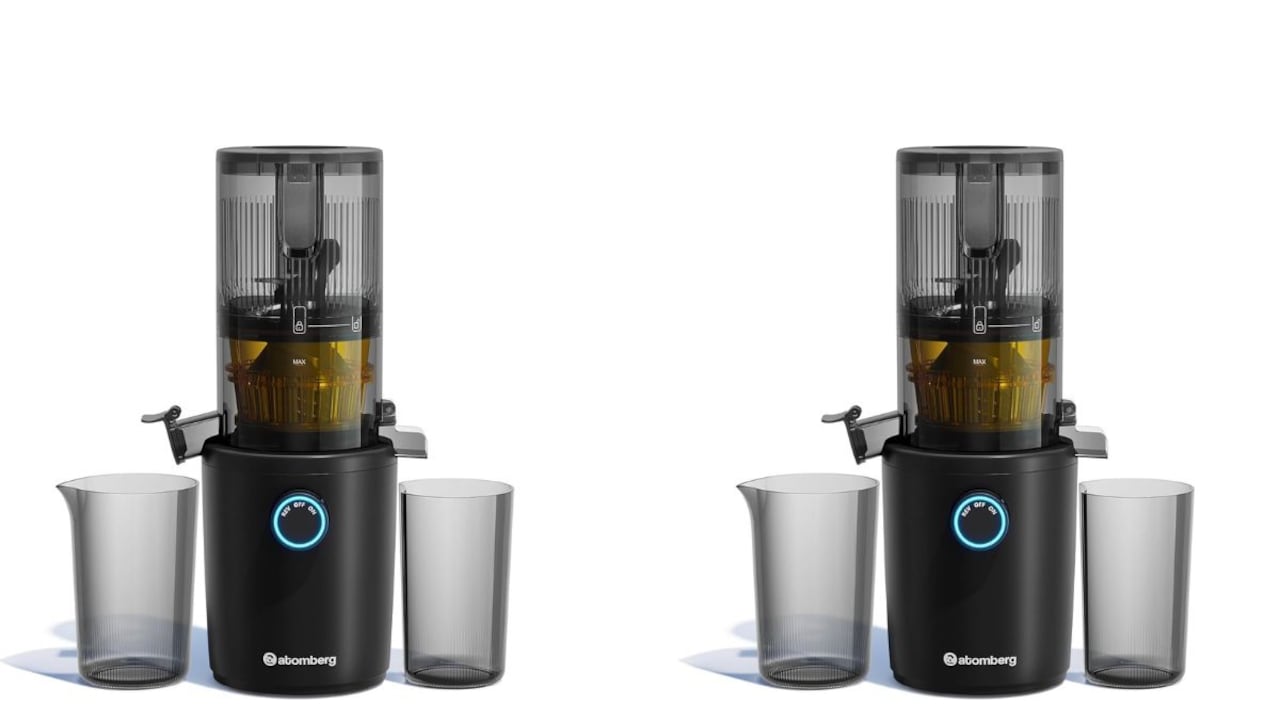
1. Atomberg Althea Cold Press Juicer
2. Kuvings B1700 Cold Press Whole Slow Juicer
3. Rico Cold Press Juicer with Ice Cream Maker |
4. AGARO Imperial Slow Juicer
5. SOLARA Cold Press Juicer for Home
A glass of juice can be more than a refreshing drink; it can be a mindful step towards better health. Selecting the right cold press juicer means valuing nutrition, flavour and practicality. Pay attention to motor strength, auger quality, chute width, ease of cleaning and long-term service support. The best juicer is not the sleekest one on the shelf but the one that suits lifestyle, budget and taste. With the right pick, each drop remains rich in fibre, enzymes and natural goodness, just the way nature intended. Cheers to healthier mornings and delicious, nutrient-packed glasses that celebrate real freshness at home.
(Disclaimer: This article may include references to or features of products and services made available through affiliate marketing campaigns. NDTV Convergence Limited (“NDTV”) strives to maintain editorial independence while participating in such campaigns. NDTV does not assume responsibility for the performance or claims of any featured products or services.)