Electric vs Manual Lint Remover: Which Is Safest for Your Sweaters?
Electric or manual lint remover, which protects sweaters better? Explore safety, fabric care, cost, and practicality to discover the safest way to remove lint without damaging favourite winter knits.
Best Lint Remover for Sweaters: Electric vs Manual Safety Comparison | Explained.
Every wardrobe carries at least one beloved sweater, perhaps a cosy woollen picked up during a hill-station holiday, a college hoodie that survived countless winters, or a carefully chosen office cardigan bought during an end-of-season sale for ₹2,500 after long hesitation. Over time, however, even the finest knits begin to pill. Those tiny fuzz balls appear quietly, then suddenly the garment looks tired despite being perfectly wearable.
Lint removers step in as saviours. Walk through any home store or browse online marketplaces, and two clear options emerge: electric lint removers that promise effortless results, and manual tools that rely on simple mechanics and patience. Both claim to restore sweaters safely, yet stories vary. One neighbour swears by electric devices that revive garments in minutes, while another mourns a favourite wool sweater ruined by over-enthusiastic shaving.
Safety, therefore, becomes the real question. Beyond convenience or price lies the deeper concern of fabric health. Sweaters, especially wool, cashmere blends, and acrylic knits, require gentle care. Choosing the wrong tool may shorten their lifespan.
This article examines electric and manual lint removers through a practical lens, focusing on how each interacts with fabric, daily usability, maintenance, and long-term safety. The aim remains simple: help readers protect sweaters without sacrificing ease or efficiency.
Electric vs Manual Lint Remover: Which Is Safest for Your Sweaters?
Photo Credit: Amazon
Breaking Down The Safety Debate Between Electric And Manual Lint Removers
Understanding Why Sweaters Pill In The First Place
Before comparing tools, understanding pilling changes the conversation entirely. Sweaters do not develop lint because of poor quality alone. Friction plays the real villain. Backpack straps rubbing against shoulders, desk edges brushing sleeves, and repeated washing cycles loosen fibres. These fibres twist together, forming small knots that cling stubbornly to fabric surfaces.
Natural fibres such as wool and cotton pill differently from synthetics. Wool pills early but stabilises later, while polyester blends continue forming pills longer because stronger fibres refuse to break away. That explains why a budget sweater sometimes looks fuzzier than an expensive one after only a few wears.
Climate also plays a role. Dry winter air increases static, encouraging fibres to tangle. Packed wardrobes worsen friction as clothes press tightly together. Even sitting through daily commutes contributes more than expected.
Lint removers work by cutting or lifting these pills without damaging the underlying threads. The challenge lies in precision. Remove too little and the sweater remains dull. Remove too much, and the fabric weakens. Safety, therefore, depends less on the tool itself and more on how aggressively it interacts with fibres.
Understanding this balance helps frame the debate between electric speed and manual control. Both methods aim to remove pills, yet their approaches differ dramatically, shaping how safe each option truly becomes.
How Electric Lint Removers Work And Why They Feel Convenient
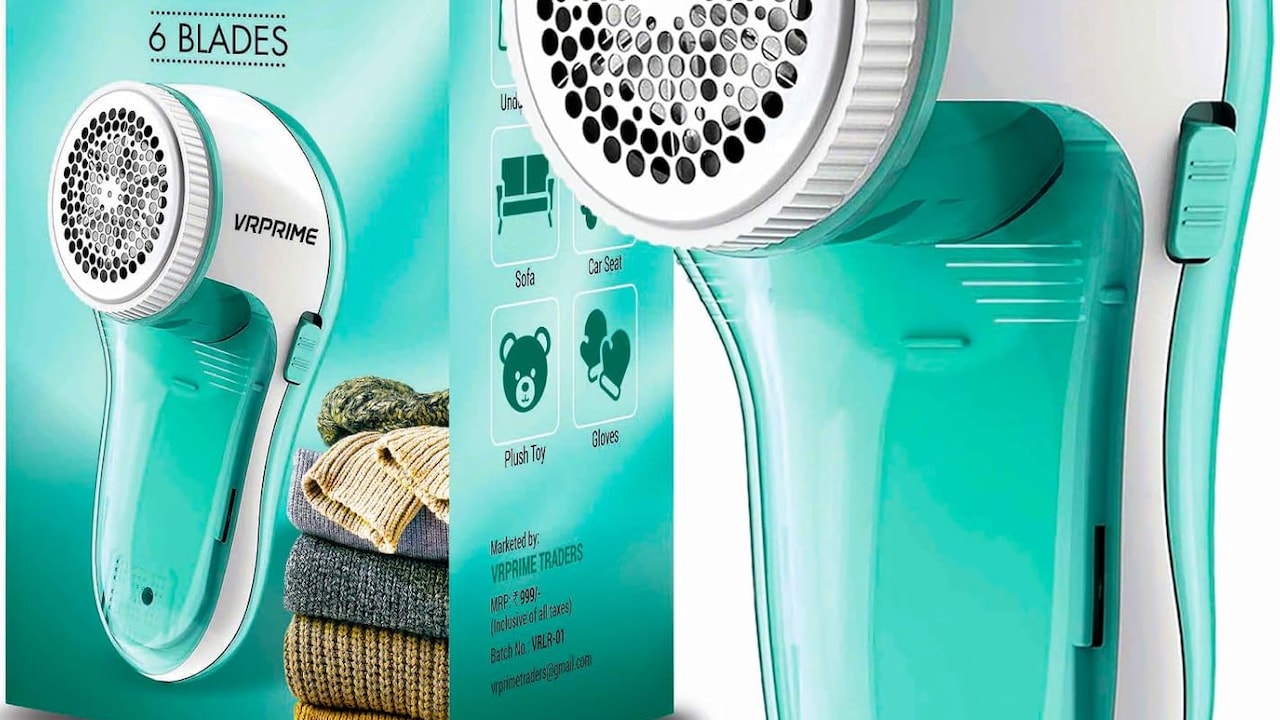
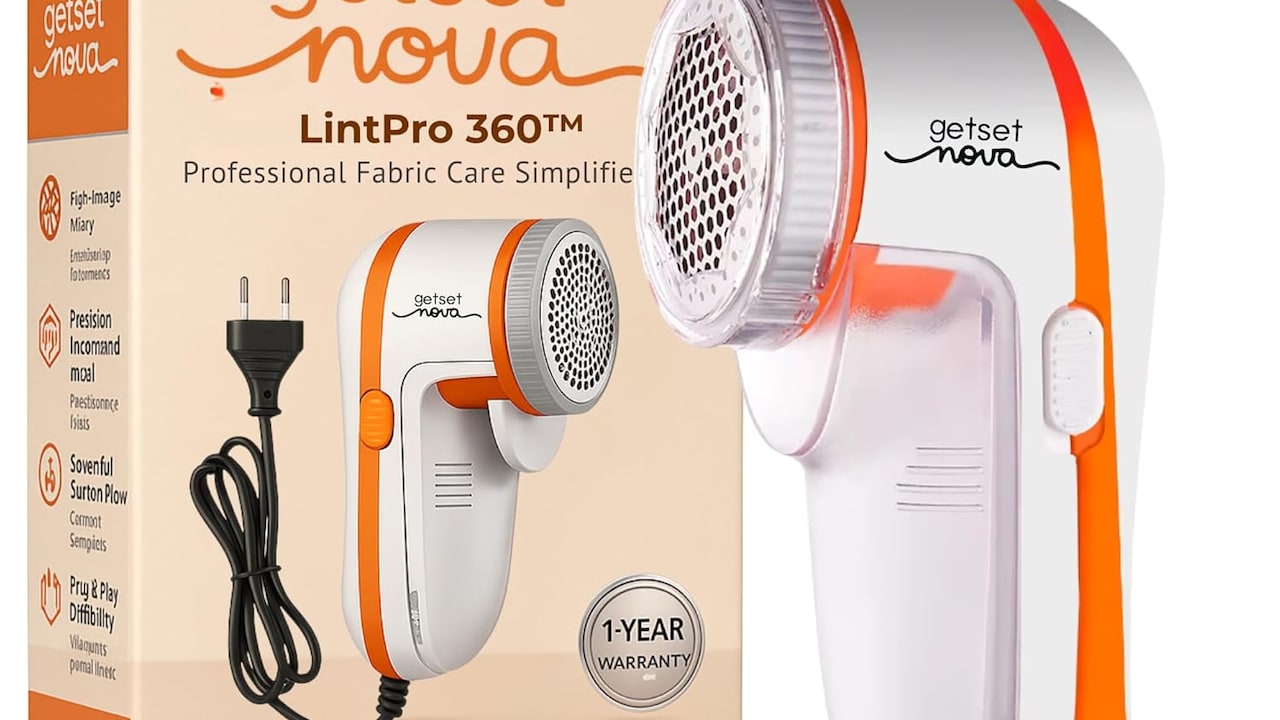
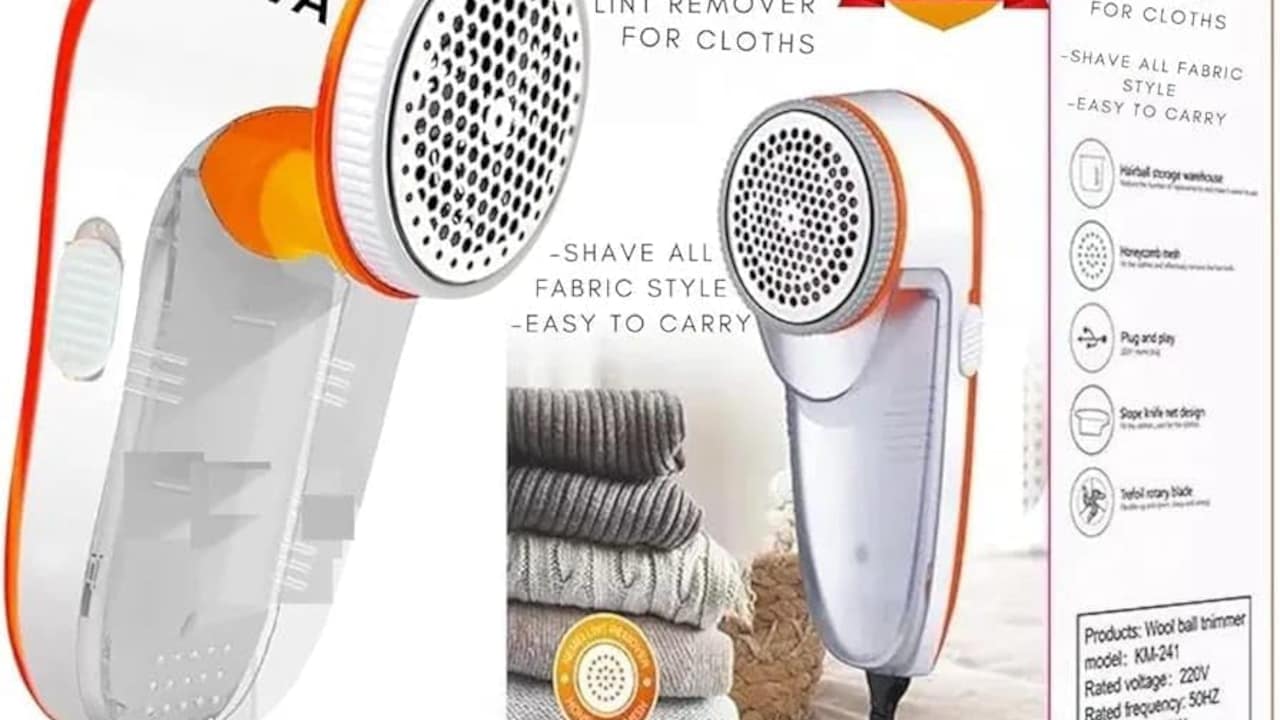
Electric lint removers resemble miniature fabric shavers. Inside the device, rotating blades spin beneath a perforated metal guard. As the device glides across a sweater, pills pass through tiny holes and blades trim them away instantly. The result feels almost magical. Within minutes, a tired sweater often looks newly purchased.
Convenience drives their popularity. Busy mornings rarely allow time for careful garment maintenance. An electric remover completes the task while morning tea cools nearby. Rechargeable models eliminate battery worries, and many cost between ₹700 and ₹2,000, making them accessible household gadgets.
Modern designs include safety meshes that prevent blades from touching fabric directly. Adjustable height settings also help manage delicate knits. These features reduce risk, though they do not eliminate it entirely.
The real attraction lies in consistency. Electric devices deliver uniform results across large surfaces such as oversized pullovers or blankets. Manual fatigue never enters the equation. For families handling multiple winter garments, efficiency becomes a strong advantage.
Yet convenience sometimes encourages haste. Rapid movement across fabric increases the chances of over-shaving, particularly on thin wool or stretched areas. Electric removers reward patience despite their speed, a paradox many users discover only after minor fabric damage appears.
The Traditional Appeal Of Manual Lint Removers
Manual lint removers rely on simplicity. Some resemble combs, others look like pumice stones or copper-edge tools designed to lift pills gently. No batteries hum, no motors spin. Only controlled hand movement guides the process.
This slower pace often reassures cautious garment owners. Each stroke allows visual monitoring, making it easier to avoid fragile sections such as cuffs, seams, or embroidered areas. The tactile feedback creates a sense of connection with the garment, almost like careful grooming rather than mechanical repair.
Manual tools also carry impressive affordability. Many effective options cost under ₹300 and last for years without maintenance. Travellers appreciate their portability; a small comb slips easily into luggage during winter trips.
Another advantage lies in adaptability. Different pressure levels suit different fabrics. Light strokes refresh cashmere blends, while firmer passes handle thicker acrylic sweaters. This flexibility enhances safety when used patiently.
However, effort becomes the trade-off. Removing lint from a large sweater demands time and persistence. Arms tyre, attention drifts, and uneven results occasionally appear. Ironically, impatience with manual tools sometimes leads users to apply excessive pressure, creating snags.
The charm of manual removers, therefore, rests in mindfulness. They reward slow, attentive care rather than quick fixes.
Safety For Delicate Fabrics: Which Tool Wins?
Safety matters most when dealing with delicate fibres such as merino wool, angora blends, or lightweight knits purchased after careful saving. Damage often remains invisible until holes appear weeks later.
Manual lint removers generally offer greater control. Since no blade spins automatically, fabric removal occurs gradually. Users sense resistance instantly and adjust pressure accordingly. This makes manual tools safer for thin sweaters or sentimental garments that cannot be replaced easily.
Electric removers, despite protective guards, still rely on cutting mechanisms. On sturdy fabrics, they perform beautifully, yet delicate knits require steady hands and low-pressure movement. Holding the device too firmly compresses fabric into blade openings, increasing risk.
That said, modern electric models with adjustable settings narrow the safety gap significantly. When used on the lowest setting with gentle strokes, they handle many fabrics safely.
The deciding factor often becomes user behaviour rather than technology. Someone rushing through wardrobe maintenance may harm a sweater with either tool. A careful user, on the other hand, can achieve excellent results using both.
For ultimate caution, manual tools still edge ahead, especially for heirloom sweaters or luxury purchases worth several thousand rupees.
Speed Versus Control In Everyday Use
Morning routines rarely allow leisurely garment care. This reality explains why electric lint removers dominate online reviews, praising time savings. A single session often restores multiple sweaters within fifteen minutes, making them ideal during seasonal wardrobe rotations.
Electric devices excel at covering large areas quickly. Uniform shaving reduces visible patchiness, giving garments a professionally refreshed appearance. For households managing school uniforms, office wear, and winter blankets simultaneously, efficiency becomes invaluable.
Manual removers, however, provide unmatched control. They shine when targeting specific areas such as underarms or elbows, where pilling concentrates. Precision prevents unnecessary fibre removal from unaffected sections.
The difference resembles using a mixer grinder versus a traditional stone grinder in the kitchen. One prioritises speed, the other precision and texture. Both produce results, yet each suits different moods and needs.
Safety intersects directly with this balance. Faster tools increase risk when attention slips, while slower tools minimise accidents but require patience. Many experienced users eventually combine both methods: electric removers for broad surfaces and manual tools for delicate finishing touches.
This hybrid approach often delivers the safest and most satisfying outcome.
Long-Term Impact On Sweater Lifespan
A lint remover should extend garment life, not shorten it. Each removal session cuts or lifts fibres, meaning excessive use gradually thins fabric regardless of tool choice.
Electric removers, due to efficiency, sometimes encourage frequent use. A quick pass becomes tempting after every wear. Over time, repeated shaving weakens yarn structure, causing sweaters to lose density and warmth.
Manual tools naturally discourage overuse because they demand effort. This unintended restraint benefits fabric longevity. Users typically address visible pilling rather than minor imperfections.
Frequency matters more than method. Experts recommend removing pills only when they become noticeable rather than chasing a perfectly smooth surface. Slight texture forms part of a sweater's natural ageing process.
Storage habits also influence lifespan. Folding sweaters instead of hanging prevents stretching, reducing future pilling and lowering reliance on lint removers altogether.
In long-term safety comparisons, manual tools indirectly protect garments by promoting moderation, while electric devices require disciplined usage to achieve the same benefit.
Ease Of Maintenance And Practical Ownership
Ownership experience extends beyond performance. Electric lint removers require charging, cleaning lint containers, and occasional blade replacement. Neglecting maintenance reduces effectiveness and increases snag risk as dull blades tug fibres instead of cutting cleanly.
Cleaning the lint chamber after each session prevents overheating and maintains smooth operation. Fortunately, most devices now include detachable containers that empty easily into dustbins.
Manual removers demand almost no upkeep. A quick rinse or brush cleaning restores functionality instantly. Their durability makes them appealing for minimal-maintenance households.
Noise levels also influence practicality. Electric devices produce a soft buzzing sound that feels harmless during daytime use but slightly intrusive late at night. Manual tools operate silently, making them ideal during quiet hours.
From a safety standpoint, well-maintained electric devices remain reliable, yet neglected ones pose a higher risk. Manual tools maintain consistent performance regardless of upkeep, reinforcing their reputation as dependable wardrobe companions.
Cost Considerations And Value Over Time
Budget decisions rarely depend solely on purchase price. Electric lint removers cost more initially, typically ranging between ₹700 and ₹2,000 depending on brand and features. Replacement blades or batteries may add small recurring expenses.
Manual lint removers appear economical upfront, often costing less than ₹300. Their longevity enhances value, especially for occasional users who maintain only a few winter garments.
However, value also includes time saved. For someone managing multiple sweaters, blankets, and shawls, an electric remover quickly justifies its cost through efficiency. Spending thirty minutes less each week during winter holds real worth.
Safety ties subtly into cost. Damaging a ₹4,000 sweater due to improper tool choice outweighs any savings from cheaper equipment. Investing in a reliable device, electric or manual, reduces this risk.
Ultimately, value depends on lifestyle. Frequent sweater wearers may benefit from electric convenience, while occasional users often find manual tools perfectly sufficient and financially sensible.
Electric vs Manual Lint Remover: Which Is Safest for Your Sweaters?
Photo Credit: Amazon
Environmental And Energy Perspectives
Modern households increasingly consider environmental impact when choosing appliances. Electric lint removers consume small amounts of electricity, especially rechargeable models. While energy use remains minimal, manufacturing batteries and electronic components carries environmental cost.
Manual lint removers stand out for sustainability. They require no power, generate no electronic waste, and often last years without replacement. For environmentally conscious users, this simplicity holds strong appeal.
Fabric preservation also influences sustainability. Extending garment lifespan reduces clothing waste, an often overlooked environmental benefit. Both lint remover types support this goal when used responsibly.
Choosing quality over disposability matters more than choosing electric or manual alone. A durable electric device used for several years may prove more sustainable than repeatedly purchasing cheap manual tools that wear out quickly.
Environmental safety, therefore, depends less on technology and more on mindful ownership, maintenance, and long-term usage habits.
Which Option Suits Different Types Of Users
Lifestyle ultimately shapes the safest choice. Busy professionals juggling packed schedules often appreciate electric lint removers because they simplify garment care dramatically. Speed reduces procrastination, ensuring sweaters receive maintenance before pilling worsens.
Students or minimalists with smaller wardrobes may prefer manual tools. Their affordability and portability suit hostel living or shared spaces where storage remains limited.
Those owning delicate wool collections usually gravitate toward manual removers for added reassurance. Meanwhile, families managing heavy winter clothing loads benefit from electric efficiency combined with occasional manual finishing.
Experience level matters too. Beginners often achieve safer results with manual tools because learning curves remain gentle. Electric devices reward users who understand fabric sensitivity and apply controlled pressure.
Rather than declaring a universal winner, the safest choice aligns with habits, patience levels, and wardrobe size. Matching the tool to the lifestyle ensures consistent, careful usage, the true foundation of sweater safety.
Products Related To This Article
1. AGARO LR2007 Lint Remover, Fabric Brush, Rechargeable
2. VazzLox Lint Roller Ball Sticky Reusable Washable Portable Lint Remover for Clothes Lynch Remover Ball Gel Lint Roller
3. Lint Remover for Clothes | Electric Fabric Lint Shaver for Sweater
4. VazzLox Lint Remover for Clothes Roller 300 Sheets Reusable Sticky Picker Cleaner Lint Roller for Clothes Lint Remover Roller Brush Easy Tear Sheets Lint Roller for Travel Pet Hair Clothes
5. NOVA Lint Remover for Clothes & Fabric Shaver for Woolen Clothes & Lint Shaver | 1 Year Warranty
The debate between electric and manual lint removers rarely ends with a single correct answer. Both tools serve the same purpose, yet approach fabric care from opposite philosophies. Electric removers celebrate speed and convenience, transforming tired sweaters quickly with impressive uniformity. Manual tools embrace patience, offering control and reassurance, particularly for delicate garments.
Safety depends less on technology and more on technique. Gentle handling, moderate frequency, and attention to fabric type protect sweaters far more effectively than brand or price alone. Electric devices suit fast-paced routines when used carefully, while manual removers remain trusted companions for mindful garment care.
Perhaps the wisest approach blends both worlds. Use electric efficiency for larger surfaces and manual precision for sensitive areas. This balance mirrors good wardrobe care itself, practical yet attentive.
A well-maintained sweater carries stories through many winters. Choosing the right lint remover simply ensures those stories continue, soft, warm, and free from unnecessary wear.
(Disclaimer: This article may include references to or features of products and services made available through affiliate marketing campaigns. NDTV Convergence Limited (“NDTV”) strives to maintain editorial independence while participating in such campaigns. NDTV does not assume responsibility for the performance or claims of any featured products or services.)