Glass Kettle vs Steel Kettle: Which Is Safer for Boiling Water?
Glass or steel, which kettle is truly safer for boiling water? From material safety to durability and daily use, this guide breaks down the real differences to help households choose wisely.
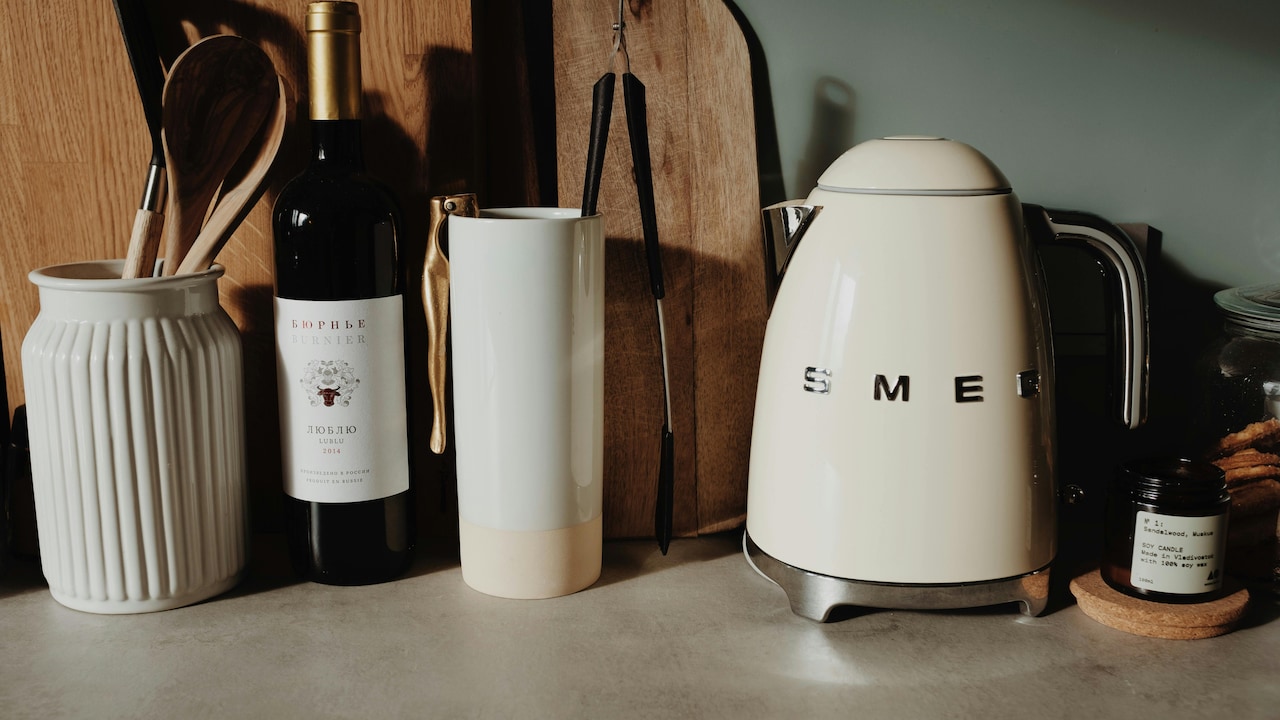
Glass Vs Steel Kettles Explained: Safety, Water Quality, And Long-Term Use | Explained.
Few kitchen appliances work harder than the humble electric kettle. It wakes up households before sunrise, prepares late-night noodles during exam season, and fuels endless conversations over tea. Despite its ordinary appearance, the kettle holds a surprisingly important role: it directly affects the quality and safety of the water consumed every day.
Walk into any appliance store, and two options dominate the shelves: transparent glass kettles glowing with blue LED lights and sturdy stainless steel kettles built like dependable workhorses. The choice often becomes emotional rather than practical. Glass feels modern and clean. Steel feels strong and trustworthy. Yet safety concerns quietly influence buyers more than design ever does.
Many households wonder whether boiling water in glass causes cracking or chemical exposure. Others worry about metal leaching or overheating in steel models. Online opinions only add confusion, turning a simple purchase into a mini research project.
Understanding kettle safety requires looking beyond appearances. Materials, heating mechanisms, maintenance habits, and even water quality all play roles. By examining these factors closely, this article aims to answer a simple but meaningful question: between glass and steel kettles, which one truly offers safer boiling for everyday use?
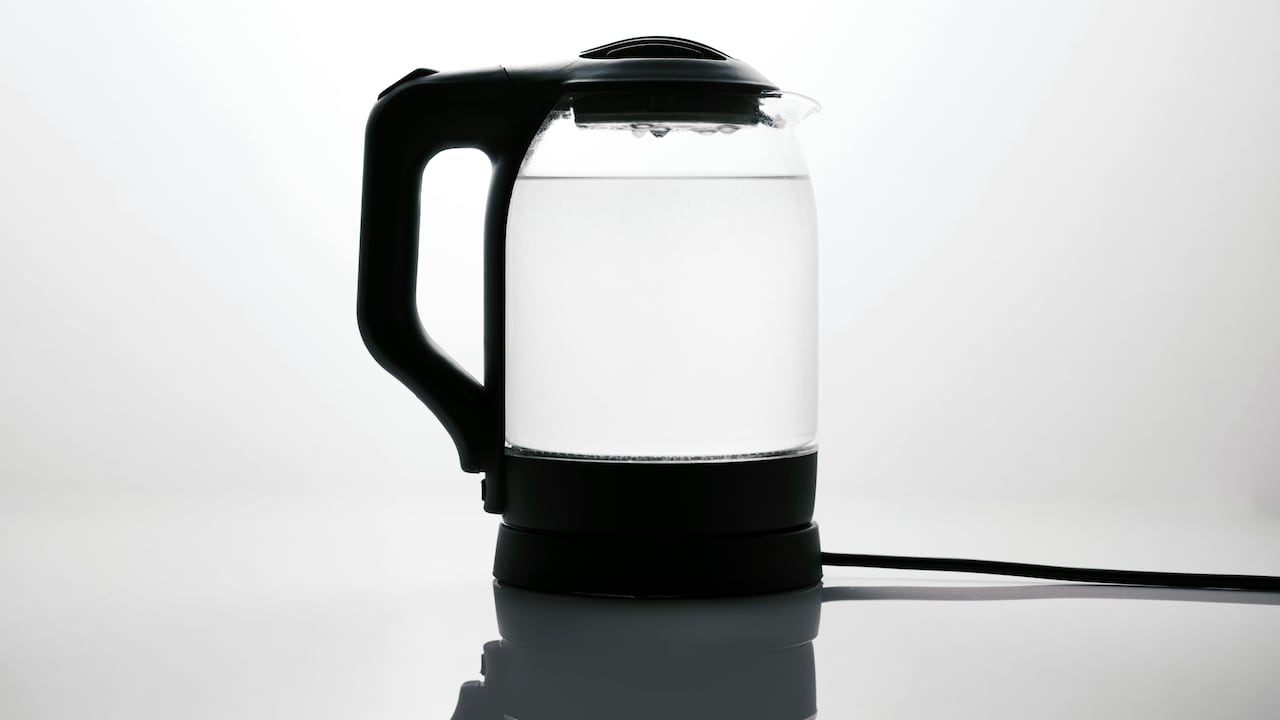
Glass Kettle vs Steel Kettle: Which Is Safer for Boiling Water?
Photo Credit: Pexels
What Really Matters When Choosing Between Glass And Steel Kettles
Material Matters: Understanding What You Are Boiling In
Safety begins with material science, though it rarely sounds exciting while shopping for appliances. Glass kettles typically use borosilicate glass, designed to withstand rapid temperature changes. This material resists thermal shock better than regular glass, meaning boiling water should not cause cracking under normal use. The transparency reassures users because water remains visible throughout heating, creating a psychological sense of cleanliness.
Steel kettles, on the other hand, rely on food-grade stainless steel, usually labelled as 304 or 316 grade. These metals resist rust, corrosion, and chemical reactions with water. Unlike coated appliances, good stainless steel contains no plastic layers touching boiling water, which many households consider reassuring.
However, material safety depends heavily on manufacturing quality. A ₹1,200 kettle built with poor-grade steel or thin glass may fail sooner than a ₹2,500 model from a reliable brand. Thickness, sealing, and heating plate design matter more than marketing claims.
Glass appears fragile yet chemically neutral. Steel appears tough yet slightly reactive if poorly manufactured. Understanding these differences helps shift the decision from aesthetics to practical safety. The safest kettle often turns out to be the one made with higher material standards rather than a specific category.
Chemical Safety And Water Purity
Concerns about chemicals drive many purchasing decisions today. Nobody wants unwanted substances mixing with drinking water. Glass holds a strong advantage here because it remains chemically inert. It does not absorb odours, release compounds, or react with minerals present in tap water. For households worried about microplastics or coatings, glass feels reassuringly pure.
Steel kettles also rank highly in safety when made from certified stainless steel. High-quality steel does not leach harmful metals under normal boiling temperatures. Problems arise only when inferior alloys enter the market. Low-grade steel may contain excess nickel or chromium that could slowly affect taste and safety over the years of use.
Interestingly, plastic components create greater concern than either glass or steel. Many kettles include plastic lids or filters. Repeated exposure to steam and heat can degrade cheap plastic parts, regardless of kettle type. This detail often escapes attention during purchase.
Water purity, therefore, depends less on glass versus steel and more on overall construction quality. A well-designed steel kettle can be just as safe as glass. Yet for those seeking absolute chemical neutrality, glass earns emotional confidence because its transparency leaves little room for doubt.
Heat Resistance And Risk Of Breakage
Safety also involves physical durability. A kettle must survive daily handling, accidental bumps, and unpredictable kitchen chaos. Glass kettles handle heat extremely well but remain vulnerable to impact. A minor slip near the sink or a sudden knock against a steel utensil can cause cracks invisible at first glance.
Thermal shock presents another concern. Pouring cold water into a still-hot glass kettle stresses the material, especially if users rush through back-to-back boiling cycles. Though borosilicate glass reduces this risk, careless habits still shorten lifespan.
Steel kettles shine in this area. Stainless steel tolerates rough handling, quick temperature changes, and crowded countertops. Busy households often appreciate this resilience. Even after years of use, dents rarely compromise safety unless they damage internal wiring.
From a purely physical safety perspective, steel wins the durability contest. Glass requires gentle treatment and mindful use. That said, many users value visibility enough to accept the trade-off. Watching water bubble feels oddly calming, turning an everyday task into a small moment of pause amid hectic schedules.
Taste, Smell, And Everyday Experience
Water may appear flavourless, yet kettle material subtly influences taste perception. Glass kettles preserve neutrality because glass neither absorbs nor transfers flavours. Tea enthusiasts often claim that water boiled in a glass tastes fresher, especially when preparing delicate green tea or herbal infusions.
Steel kettles sometimes develop a faint metallic note during early use. This usually disappears after several boiling cycles. Proper cleaning removes residues that might otherwise affect flavour. Hard water areas may cause mineral deposits inside both types, though steel hides them better while glass displays every stain proudly.
This visibility creates an interesting psychological effect. Glass kettles encourage regular cleaning because scale buildup becomes impossible to ignore. Steel kettles may appear clean externally, while limescale quietly accumulates inside.
Daily experience also matters. The glowing light of a glass kettle adds charm during late evenings, while steel offers quiet practicality without visual distraction. Safety connects indirectly to maintenance habits, and maintenance often depends on what users can see. In that sense, glass promotes awareness, while steel rewards simplicity.
Energy Efficiency And Heat Retention
Electricity costs influence appliance choices more than ever. A kettle used several times a day contributes noticeably to monthly bills, especially where tariffs rise steadily. Material affects how efficiently heat transfers and retains energy.
Glass kettles heat water quickly because heating elements directly transfer energy through a thin base. However, glass loses heat faster once boiling stops. Users often reheat water, unknowingly increasing electricity consumption.
Steel kettles retain warmth longer due to the metal's insulating properties. Double-walled steel models perform even better, keeping water hot for extended periods without reheating. Over months, this difference can save noticeable amounts, especially in households preparing tea repeatedly throughout the day.
Energy efficiency also influences safety indirectly. Less reheating reduces wear on internal components and lowers the chance of overheating. Steel kettles, therefore, gain an advantage for long-term operational stability.
That said, efficiency differences remain modest. A kettle costing ₹2,000 instead of ₹1,500 will not dramatically change electricity bills. Still, for frequent users, steel's heat retention quietly supports both convenience and safety through reduced strain on the appliance.
Cleaning, Maintenance, And Hygiene
A safe kettle stays clean. Mineral deposits, leftover moisture, and neglected interiors can affect both performance and water quality. Glass kettles excel at visual accountability. Every mark, stain, or floating particle becomes instantly visible, prompting timely cleaning.
Descaling glass feels straightforward. A mixture of vinegar and water restores clarity quickly. However, constant exposure to stains may frustrate users who prefer spotless appliances. Hard water leaves cloudy patches that never fully disappear despite cleaning.
Steel kettles hide imperfections well. This quality reduces visual stress but may encourage delayed maintenance. Limescale buildup inside steel kettles can reduce heating efficiency and slightly alter taste over time.
Hygiene also connects to design. Wide openings allow easier cleaning regardless of the material. Narrow-neck kettles trap residue and complicate scrubbing. Many households discover too late that convenience matters more than appearance.
Between the two, glass encourages better habits while steel forgives occasional neglect. Safety ultimately depends on routine care rather than material alone. A regularly cleaned kettle, whether glass or steel, remains far safer than a neglected premium model.
Longevity And Value For Money
Safety improves when appliances last longer. Frequent replacements increase both expense and environmental waste. Steel kettles typically outlive glass models because metal tolerates drops, scratches, and constant use.
A well-maintained steel kettle can function reliably for five to seven years. Glass kettles often last three to five years, depending on handling. Replacement costs, therefore, become part of the safety equation. A broken kettle creates hazards ranging from exposed wiring to sharp fragments.
Price ranges overlap significantly. Reliable glass kettles usually cost between ₹1,800 and ₹3,000, while quality steel models fall within a similar bracket. Spending slightly more upfront often delivers thicker materials, safer wiring, and better automatic shut-off features.
Value does not always align with appearance. The sleek design of glass attracts attention, yet durability often proves more valuable in the long run. Families prioritising reliability may lean towards steel, while those seeking aesthetics balanced with moderate use may find glass perfectly adequate.
In the long term, durability reduces risk. Fewer replacements mean fewer chances of faulty units entering daily use.
Safety Features And Modern Technology
Modern kettles include multiple safety mechanisms regardless of material. Automatic shut-off prevents boiling dry, while thermal cut-off systems stop overheating. These features matter more than many realise, as electrical safety often outweighs material differences.
Glass kettles frequently showcase boiling progress through illumination, making it easier to notice unusual behaviour such as excessive bubbling or delayed shut-off. Visual feedback enhances user awareness.
Steel kettles often focus on insulation and exterior safety. Double-walled designs remain cooler to touch, reducing burn risks in busy kitchens where hands move quickly between tasks. This feature proves especially useful in homes with children or elderly family members.
Cordless bases, secure lids, and stable handles also contribute significantly to safety. Poor design can make even the strongest material unsafe. A loose lid or unstable base poses a greater risk than the choice between glass and steel.
Technology has narrowed the safety gap considerably. Today's decision depends less on inherent danger and more on thoughtful design combined with responsible usage habits.
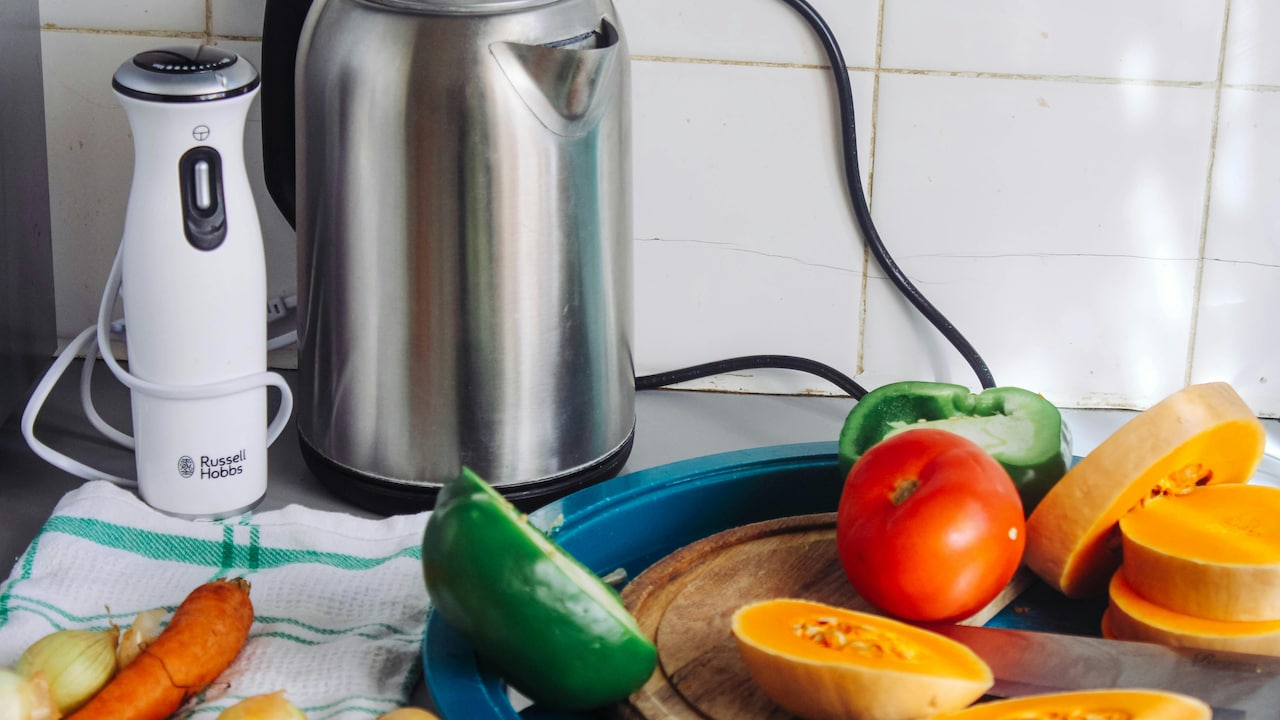
Glass Kettle vs Steel Kettle: Which Is Safer for Boiling Water?
Photo Credit: Pexels
Lifestyle Fit: Matching The Kettle To Daily Habits
The safest kettle often aligns with lifestyle rather than laboratory comparisons. Households that enjoy slow mornings and careful handling may appreciate glass kettles for their elegance and transparency. Watching water boil becomes part of the ritual rather than a rushed chore.
Busy environments filled with constant movement favour steel kettles. Their durability suits crowded countertops, frequent use, and occasional carelessness that naturally occurs during hectic schedules.
Water quality also influences the decision. Areas with hard water may find steel easier to maintain visually, while glass encourages regular descaling that keeps performance consistent.
Even emotional factors matter. Some people trust visible purity, while others trust sturdy construction. Safety feels different depending on personal comfort.
Choosing between glass and steel, therefore, reflects habits, patience levels, and kitchen rhythm. The right kettle integrates smoothly into daily life instead of demanding constant attention.
Products Related To This Article
1. AGARO Regency Multi Cook Kettle With Steamer, 1.2L Inner Pot
2. Lifelong Glass Electric Kettle 1.8L
3. InstaCuppa Electric Gooseneck Kettle 1L
4. Milton Rapid Electric Kettle 1.8L
5. iBELL Gekb17M Black Glass Electric Kettle, Glass Kettle
The debate between glass and steel kettles rarely produces a single universal winner because safety depends on context. Glass kettles offer unmatched chemical neutrality and visual reassurance. Steel kettles deliver superior durability, heat retention, and long-term reliability.
When manufactured well and maintained properly, both options remain safe for boiling water. The real risks emerge from poor-quality materials, neglected cleaning, or unsafe electrical components rather than the core material itself.
For households valuing purity, aesthetics, and visible cleanliness, glass kettles provide confidence and charm. For those prioritising resilience, efficiency, and longevity, stainless steel stands as a dependable companion.
Ultimately, safety grows from mindful use. Regular descaling, careful handling, and choosing reputable brands matter far more than choosing between transparent elegance and metallic strength. The kettle may seem ordinary, yet it quietly shapes everyday comfort, one cup of boiling water at a time.
(Disclaimer: This article may include references to or features of products and services made available through affiliate marketing campaigns. NDTV Convergence Limited (“NDTV”) strives to maintain editorial independence while participating in such campaigns. NDTV does not assume responsibility for the performance or claims of any featured products or services.)