Blender Wattage Guide: How Many Watts Do You Need for Smoothies and Chutneys?
Find the right blender wattage for smoothies, chutneys, masalas, and batter. This guide breaks down what power you actually need, so you don't overspend or underbuy.
Blender Wattage Guide: Learn How Much Power You Really Need for Smoothies and Chutneys.
Wattage is one of those words that gets thrown around like it's the only thing that matters. It's printed in big bold numbers on the box, often like a badge of honour. But wattage alone doesn't decide whether your blender will make a silky smoothie or leave you chewing on half-blended banana chunks like a punishment.
The good news: you don't need a technical degree to pick the right one. You just need to match the wattage to what you actually blend. A person who makes coconut chutney and tomato puree needs a different machine from someone who blends frozen berries, nuts, and protein powder every morning like a gym routine.
This guide keeps it simple, practical, and real-life friendly. It also saves you from the classic mistake: spending ₹7,000 on a high-watt blender, only to use it twice a week for lassi.
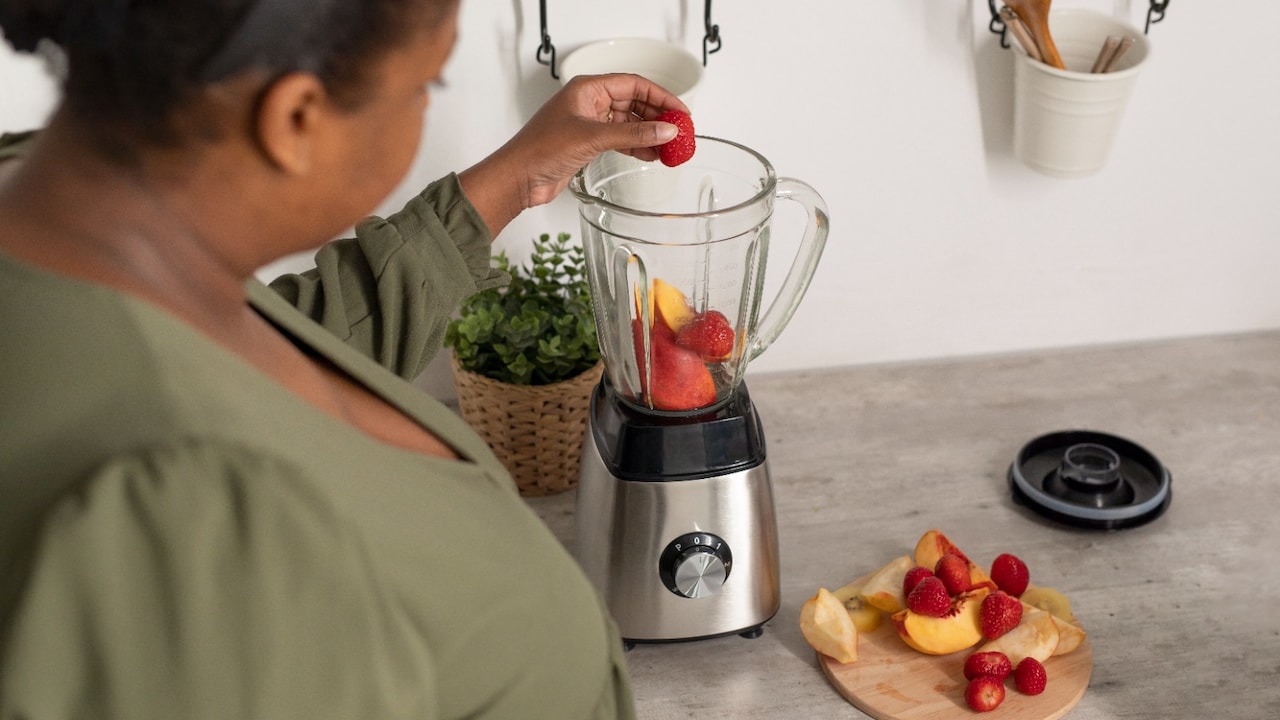
How To Pick The Right Blender Wattage For Smoothies, Chutneys And Masalas; Photo Credit: Pexels
Choosing The Right Wattage: A Simple Guide For Daily Use
1) What Blender Wattage Really Means (And What It Doesn't)
Wattage tells you how much electrical power the blender motor can draw. Higher wattage usually means the motor can handle tougher ingredients and longer blending sessions without heating up or slowing down.
But wattage is not the whole story. A 750W blender with strong blades and a good jar design can sometimes outperform a 900W blender with average build quality. Think of it like buying a scooter: engine power matters, but tyres, suspension, and braking also matter if you want a smooth ride.
Also, some brands advertise peak wattage. That's the maximum burst the motor can hit for a moment. What you really want is steady performance, especially when blending thick chutneys, soaked dals, or frozen fruits.
So yes, wattage matters. But don't treat it like the only clue. Treat it like the starting point, not the final decision.
2) The Sweet Spot for Daily Smoothies: 500W to 800W
For most homes, smoothies sit in the “moderately demanding” category. A typical smoothie involves banana, mango, chikoo, milk, curd, oats, maybe some nuts, and occasionally ice. This doesn't require a monster motor, but it does need consistent blending.
A 500W blender works well for soft fruits and liquid-heavy smoothies. Add frozen fruits or oats, and you'll notice strain. The blender may sound like it's negotiating for a break.
A 650W to 800W blender hits the sweet spot for smoothie lovers. It handles oats, soaked almonds, peanut butter, and ice cubes without acting dramatically. It also blends faster, which matters on busy mornings when the school tiffin still needs packing.
If smoothies happen daily, going below 500W often leads to frustration. If smoothies happen occasionally, 500W is enough, and your wallet will thank you.
Also Read: 5 Best Hand Blenders From Philips, Inalsa, Orpat To Braun: Top Picks Chefs Use For Smooth Desserts
3) Chutneys Are the Real Test: 600W to 900W
Chutneys look innocent. They are small, colourful, and served in tiny bowls. But they can be brutal on a blender.
Coconut chutney turns thick quickly. Mint chutney gets fibrous. Peanut chutney becomes sticky and heavy. And dry chutney powders? They demand speed, sharp blades, and a motor that doesn't give up midway.
For regular chutney-making, 600W is the minimum comfortable range. If you make thick coconut chutney often, or grind roasted peanuts and garlic into a paste, 750W to 900W gives you a smoother result with less effort.
A lower-watt blender can still do it, but you'll need to add more water. That changes taste and texture, and nobody wants watery coconut chutney pretending to be “healthy”.
If chutneys are a daily habit, choose a wattage that matches the stubbornness of the coconut.
4) Frozen Fruits, Ice, and the “Gym Smoothie” Lifestyle: 900W+
Frozen fruits and ice are where many blenders reveal their true personality. Some crush them smoothly. Others bounce the pieces around like a noisy lottery machine.
If you often blend frozen strawberries, blueberries, ice cubes, or thick smoothie bowls, aim for 900W or more. This range also suits people who use ingredients like dates, nuts, seeds, and protein powders together.
High-watt blenders create a vortex that pulls ingredients down into the blades. That's the difference between a creamy smoothie and a chunky one that forces you to chew.
This category also helps if you make “healthy” blends that include fibrous vegetables like beetroot, carrots, or raw spinach. Those ingredients need power, not prayers.
Yes, 900W+ blenders cost more. But if frozen blending is your routine, it saves time, improves texture, and reduces the risk of motor burnout.
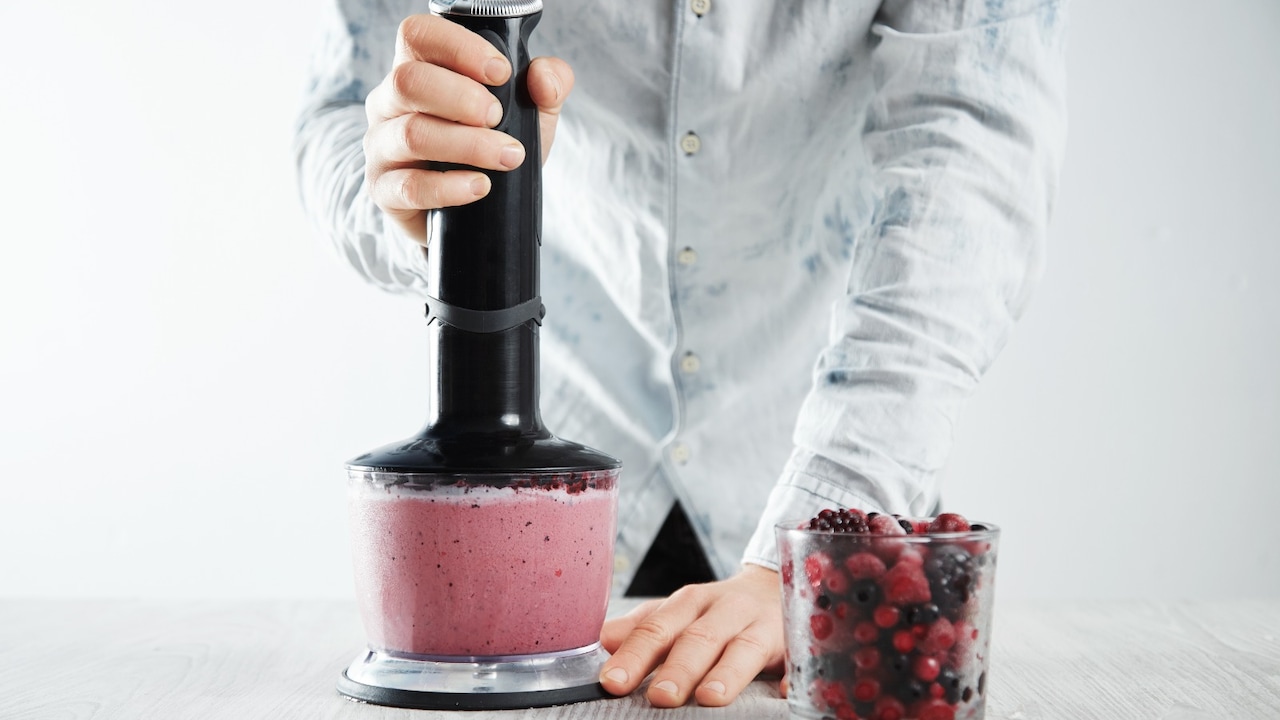
How To Pick The Right Blender Wattage For Smoothies, Chutneys And Masalas; Photo Credit: Pexels
5) Grinding Masalas: Why Wattage Alone Won't Save You
Many people buy a blender thinking it will also handle dry masalas like coriander, cumin, pepper, and dry chillies. Sometimes it does. Sometimes it creates a sad, uneven mix where half the spices turn to dust and the rest stay as crunchy surprises.
For dry grinding, wattage helps, but jar design matters more. A dedicated dry grinding jar with a tight lid and proper blade angle makes a big difference. A 750W blender with a good dry jar can grind better than a 1000W blender with a poor jar.
That said, if you grind masalas weekly, 650W to 900W works well. For heavy-duty spice grinding, like making garam masala in batches, 900W+ feels smoother and faster.
Also, spices release oils and heat. A blender that overheats quickly will make the masala taste slightly “cooked”. Not ideal.
So yes, check wattage. But also check whether the blender includes a proper dry grinding jar. That's the real hero.
6) Blender vs Mixer Grinder: The Confusion Nobody Asked For
In many homes, the words “blender” and “mixer grinder” get used interchangeably. But the machines don't always behave the same way.
A mixer grinder usually focuses on chutneys, masalas, and batters. A blender focuses on smoothies, shakes, and liquid blends. Some products claim to do both, and some actually do, especially in the 750W to 1000W range.
If your priority is smoothies, look for a blender with a tall jar and strong vortex action. If your priority is chutneys and masalas, look for smaller jars with sharper grinding blades.
A common mistake is buying a smoothie blender and expecting it to grind dry masalas like a champion. It might try, but the results often disappoint.
If you want one machine to handle everything, pick a versatile model around 750W to 900W with multiple jars. That's usually the most practical choice for daily cooking and quick blending.
7) Batter Blending: Dosa, Idli, and the Thick Mixture Problem
Batter is heavy. Thick batter is heavier. And batter that hasn't soaked properly? That's a full workout for your blender motor.
For dosa and idli batter, a blender needs torque. That's the ability to keep spinning even when the mixture becomes thick and stubborn. Wattage contributes to torque, but motor quality matters too.
If you make batter regularly, 750W is a safer minimum. A 900W blender gives smoother results and blends faster, especially for larger batches.
Lower-watt machines can still handle batter if you blend small quantities and add water gradually. But you may need multiple rounds, which becomes tiring.
Also, batter blending tends to heat the motor. A blender that heats up quickly will shorten its own lifespan. It's like running a marathon in a woollen sweater.
So for batter lovers, higher wattage is not overkill. It's a sanity-saving investment.
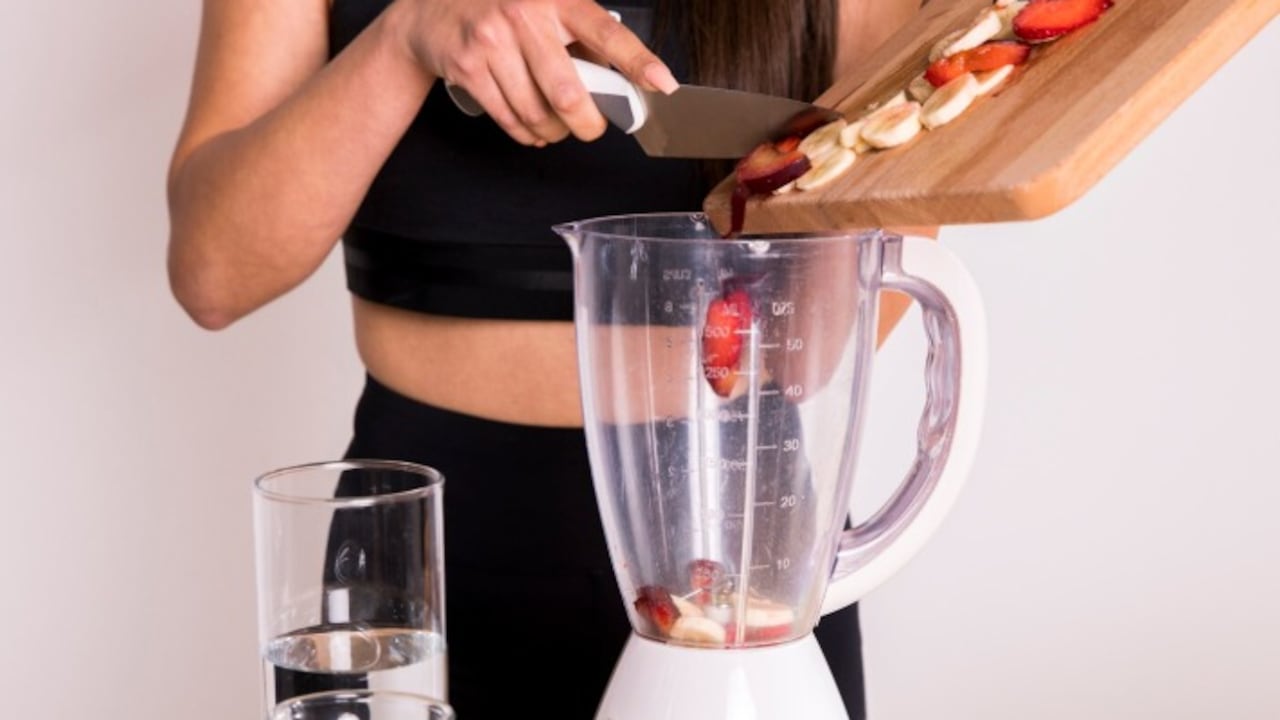
How To Pick The Right Blender Wattage For Smoothies, Chutneys And Masalas; Photo Credit: Pexels
8) Noise, Heat, and Smell: The Hidden Side of High Wattage
Higher wattage often means louder blending. Not always, but often. A 1000W blender can sound like it's about to take off. Early mornings become a test of family patience.
Also, powerful motors can heat ingredients faster if you blend for a long time. That matters for chutneys and smoothies, where freshness matters. Nobody wants warm watermelon juice.
Then there's the infamous “new motor smell”. Some blenders smell a bit during the first few uses. That's normal to a point. But if the smell continues, it may signal overheating or poor motor quality.
This is why wattage should match your needs. If you only blend soft fruits, buying a 1200W can feel like using a pressure cooker to boil water. It works, but it's unnecessary and noisy.
Balance matters. The best blender is not the most powerful one. It's the one that suits your daily routine without making your kitchen feel like a construction site.
9) What Wattage to Choose Based on Your Routine (Real-Life Scenarios)
Choosing wattage becomes easy when you match it to habits. Here's how it usually plays out:
If your blending includes fruit shakes, lassi, and occasional chutney, 500W to 650W works well. It handles soft ingredients without draining your budget.
If your day includes smoothies with oats, nuts, and ice, plus regular chutneys, 650W to 800W feels perfect. It's the “most homes” range.
If you make coconut chutney often, grind masalas weekly, or blend thicker mixtures, 750W to 900W becomes the comfortable zone. It also suits families who cook frequently.
If frozen fruits, smoothie bowls, nut butters, and heavy-duty blending happen regularly, go for 900W to 1200W. This is the range for people who actually use the power.
The point is simple: buy the wattage you will use. Not the wattage that looks impressive on the box.
10) Smart Buying Tips: What to Check Beyond Wattage
Wattage is only one part of the decision. A blender can have high wattage and still perform poorly if the design fails.
First, check blade quality. Stainless steel blades with a solid build last longer and blend more smoothly. Second, check the jar material. A sturdy jar matters more than fancy marketing. Third, check jar sizes. A small chutney jar and a larger smoothie jar make daily life easier.
Also, look for speed settings and pulse mode. Pulse helps control chutney texture and prevents over-blending. Over-blended chutney can taste bitter, especially with herbs.
Then check the warranty and service availability. A blender is not a decorative item. It's a workhorse. If servicing becomes difficult, even the best blender becomes a regret.
Lastly, don't fall for wattage alone. A well-built 750W blender often beats a flimsy 1000W model. In the long run, build quality saves more money than raw power.
Products Related To This Article
1. Delamu Portable Juicer Mixer Blender for Juices, Smoothies
2. Orpat HHB-100E WOB 250-Watt Hand Blender
3. Cellecor BlendPro 500W Nutri-Blender
4. Kuvings New 2025 Nutri Blender PRO 2.0 Ferrari Red
5. NutriPro Juicer Mixer Grinder - Smoothie Maker - 500 Watts
Blender wattage doesn't need to feel confusing. It's simply a way to match a machine to your kitchen habits. For light blending, 500W to 650W works. For smoothies with nuts and ice, 650W to 800W feels right. For chutneys, masalas, and thick mixtures, 750W to 900W brings comfort. For frozen fruits, heavy-duty blending, and smoothie bowls, 900W+ delivers the results you expect.
The best choice is not the highest wattage. It's the wattage that fits your routine without waste, noise, or frustration. Because the real goal isn't owning a powerful blender. The real goal is making that perfect coconut chutney that tastes like home, and a smoothie that doesn't come with surprise chunks.
(Disclaimer: This article may include references to or features of products and services made available through affiliate marketing campaigns. NDTV Convergence Limited (“NDTV”) strives to maintain editorial independence while participating in such campaigns. NDTV does not assume responsibility for the performance or claims of any featured products or services.)