Top 10 Geyser Buying Mistakes That Cause High Electricity Bills
Buying the wrong geyser can quietly inflate electricity bills. From poor energy ratings to incorrect capacity, small mistakes at purchase lead to long-term expenses. Here’s how to avoid them and save ₹ every month.
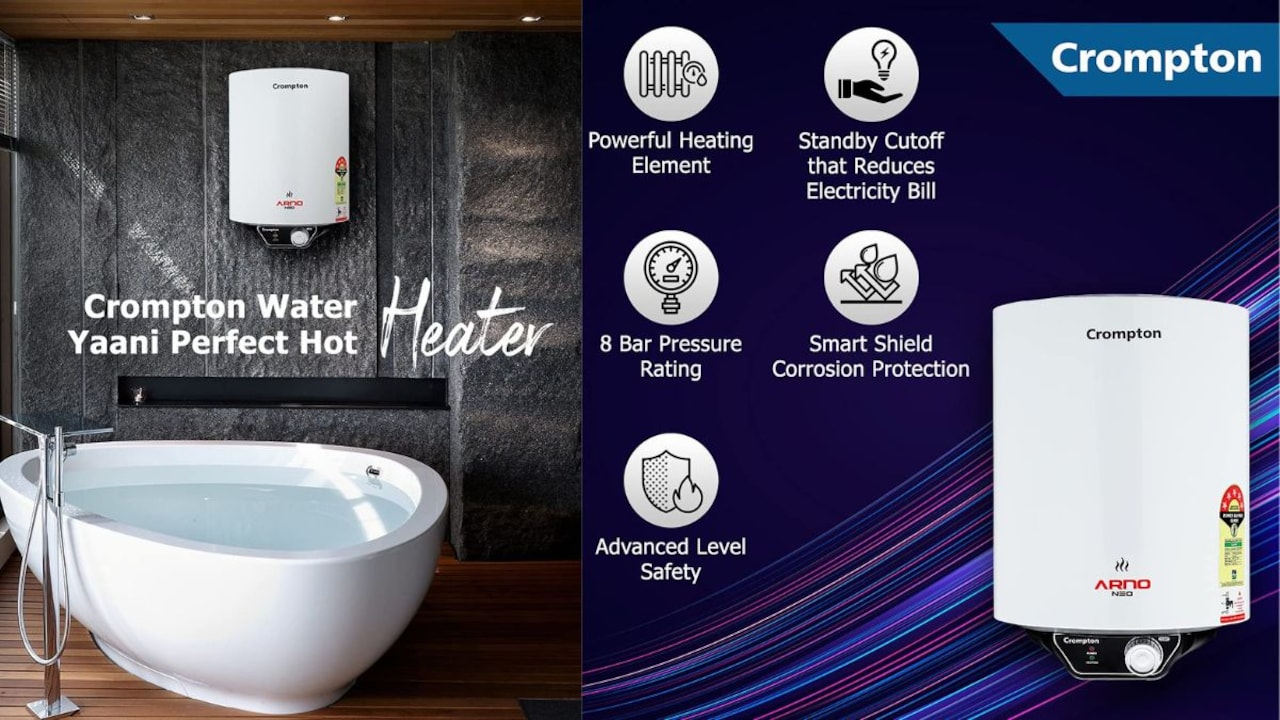
Avoid these geyser buying mistakes to prevent a surge in electricity bills.
Few things feel better than a warm shower on a chilly morning. In many homes, the geyser works quietly in the background, taken for granted until the power bill arrives. Suddenly, that comforting appliance turns into a silent money drainer. The problem rarely lies in the idea of owning a geyser. It usually starts at the buying stage.
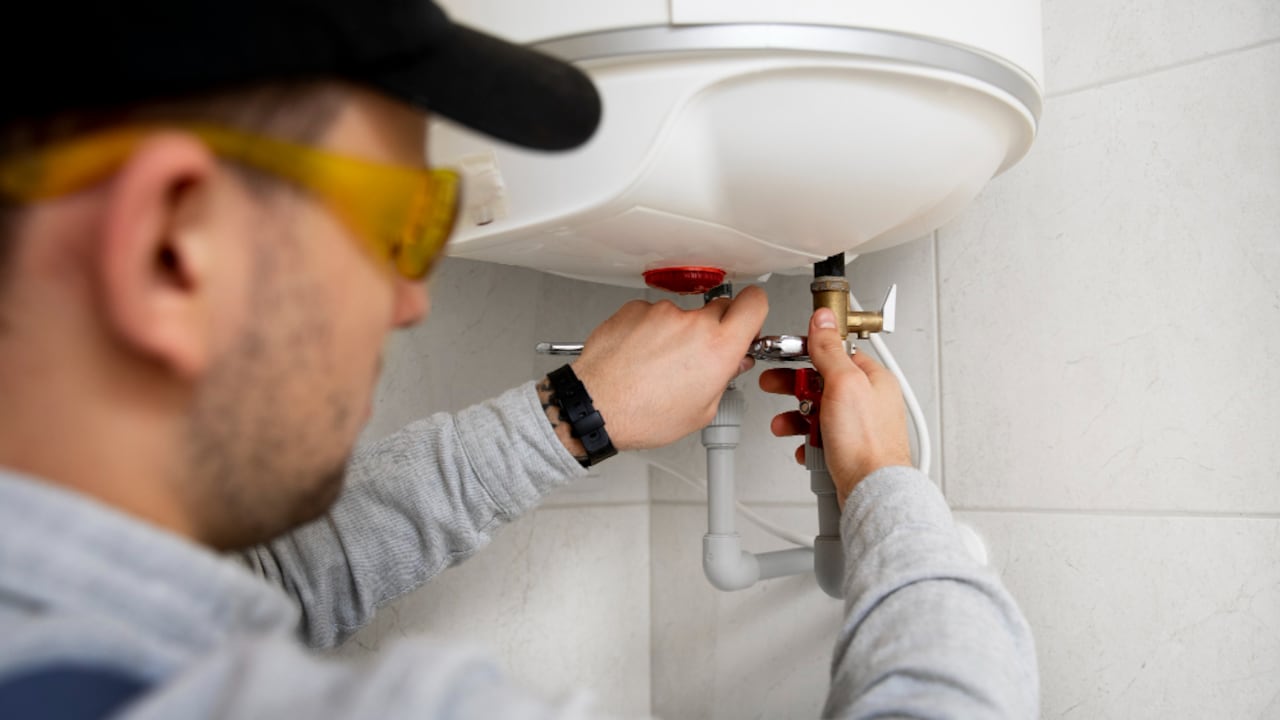
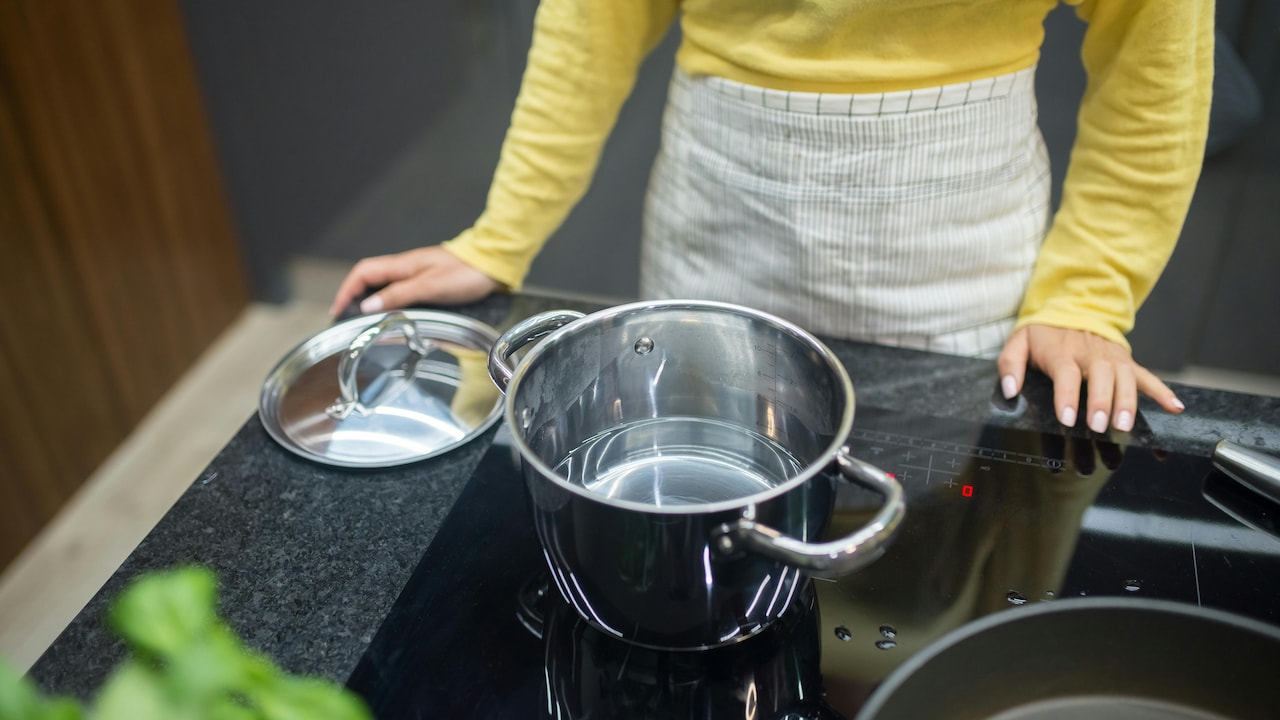
Explore top geyser buying mistakes that may lead to high electricity bills; Photo Credit: Freepik
Many households choose a geyser model based on price, brand popularity, or the advice of a shopkeeper in a hurry. Some look at flashy features but ignore efficiency. Others underestimate usage patterns in a busy family home. The result shows up month after month in rising electricity bills that feel impossible to control.
Understanding common buying mistakes can prevent this headache. A smart purchase saves thousands of rupees over the years and keeps daily comfort intact. Here are ten frequent geyser buying errors that quietly inflate electricity costs.
Also Read: 5 Budget-Friendly Glass-Lined Tank Geysers ₹5,000 That Can Last Longer
Common Geyser Buying Mistakes That Lead To High Electricity Bills
1. Choosing The Wrong Capacity
Capacity mistakes rank high among costly errors. A small geyser in a large household struggles to meet demand. It reheats water repeatedly, which increases electricity consumption. On the other hand, an oversized geyser stores more water than needed and keeps it hot for long hours. That stored heat requires constant energy to maintain.
In many homes, a 25-litre geyser runs for a family of two. That extra capacity wastes power every single day. Conversely, a 10-litre model in a family of five forces continuous reheating. Both scenarios lead to unnecessary expenses.
A realistic assessment of daily usage works best. Consider the number of bathrooms, frequency of showers, and kitchen use. For a small household, 10 to 15 litres may suffice. For larger families, 15 to 25 litres often works better. Matching capacity to lifestyle ensures efficient heating cycles and balanced electricity usage. Comfort remains intact, and the bill stays reasonable.
2. Ignoring Energy Star Ratings
Energy ratings exist for a reason, yet many buyers overlook them. The star label from the Bureau of Energy Efficiency reflects how efficiently an appliance uses electricity. A 5-star geyser consumes far less energy compared to a 1-star model.
Some buyers focus on saving ₹2,000 or ₹3,000 upfront. That decision often leads to spending far more over time. An inefficient geyser runs longer and loses heat faster. Over a year, the extra electricity can exceed the initial savings.
Energy ratings may seem like a small sticker on the body of the appliance. In reality, that sticker represents long-term cost control. Higher-rated models retain heat better and require less reheating. Over five to seven years, the difference in electricity bills can feel substantial. Choosing efficiency from day one makes far more sense than chasing short-term savings.
3. Falling For The Lowest Price
Price tags attract attention. A discounted geyser priced at ₹5,999 often feels like a smart bargain. Yet the cheapest option rarely delivers the best efficiency or durability. Low-cost models sometimes use thinner insulation or basic thermostats. These compromises increase energy consumption.
Budget models may also lack advanced safety features. Frequent breakdowns then lead to repair costs. When heating elements fail, the geyser works harder and consumes more power.
Spending slightly more on a reliable brand often proves wiser. Companies like Bajaj Electricals or Havells India offer models with better insulation and consistent performance. That extra ₹1,500 at purchase can prevent thousands in electricity and repair expenses later.
A geyser should serve reliably for years. Viewing it as a long-term investment rather than a quick bargain helps avoid mounting electricity costs.
4. Overlooking Insulation Quality
Insulation plays a silent yet crucial role. Good insulation keeps water hot for longer periods. Poor insulation allows heat to escape quickly. When heat escapes, the heating element switches on again. Each cycle consumes electricity.
Many buyers never ask about insulation thickness or tank material. They assume all geysers function the same way. In reality, high-density polyurethane foam insulation reduces heat loss significantly.
When hot water stays warm for longer, the geyser runs fewer cycles during the day. That directly lowers electricity usage. In busy homes where showers happen morning and evening, insulation makes a noticeable difference.
Checking product specifications carefully can reveal insulation details. Spending slightly more for superior heat retention ensures fewer reheating cycles. Over months and years, that difference translates into steady savings without sacrificing comfort.
5. Ignoring Water Pressure Compatibility
Water pressure varies widely between apartments and independent houses. Installing a geyser that cannot handle high pressure leads to stress on internal components. That stress affects performance and energy efficiency.
High-rise buildings often require geysers designed for higher pressure levels. If a standard model gets installed in such conditions, the heating element may struggle. It may take longer to heat water, consuming more electricity in the process.
Pressure mismatches also increase wear and tear. Leaks and safety valve issues force the appliance to work harder. Efficient heating becomes inconsistent.
Before buying, checking pressure compatibility ensures smooth operation. Many reputed brands, such as AO Smith, clearly mention pressure ratings. Matching the geyser to the home's plumbing system prevents unnecessary strain and keeps electricity usage under control.
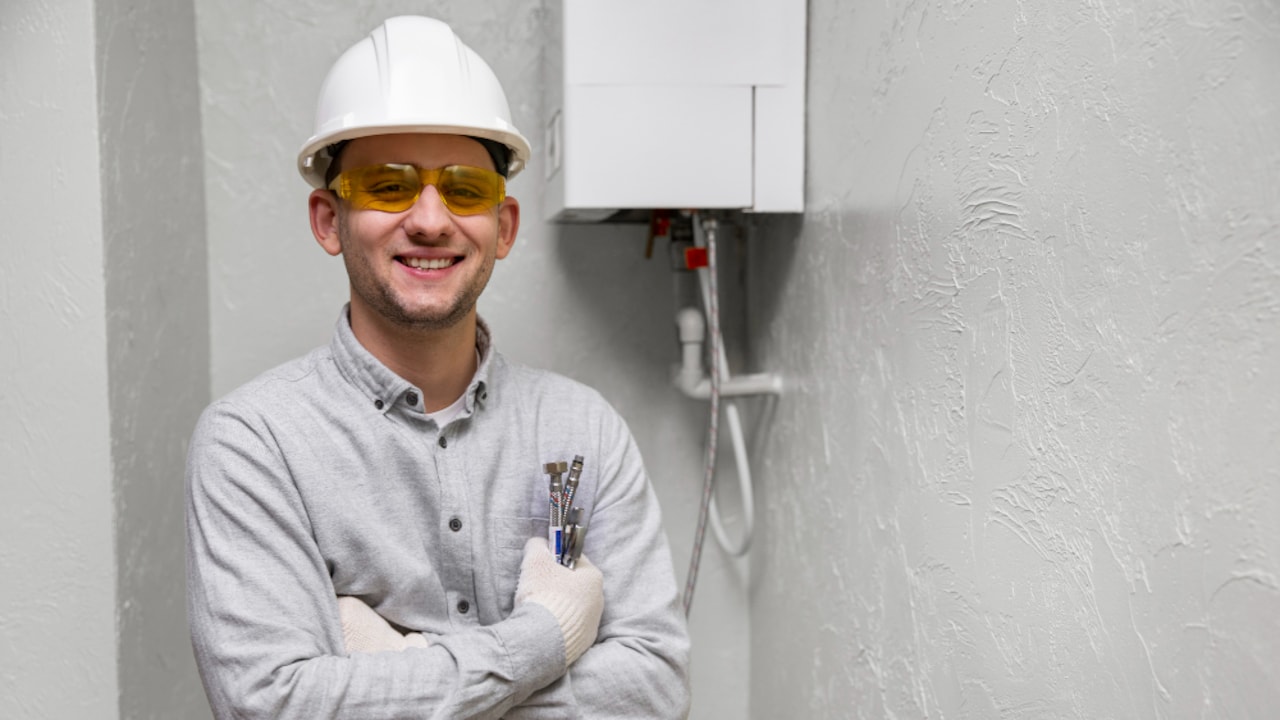
Always check the water pressure compatibility before finalising a geyser; Photo Credit: Freepik
6. Choosing Instant Over Storage Without Need
Instant geysers appeal to many buyers. They look compact and modern. They promise quick hot water. Yet they may not suit every household.
Instant models heat water rapidly using high wattage. In homes with frequent or long showers, these geysers operate repeatedly. The high power draw can increase electricity bills significantly.
Storage geysers, on the other hand, heat a set quantity and maintain temperature. In larger families, they often prove more economical. The key lies in usage patterns.
For a single bathroom with occasional use, an instant model works well. For multiple bathrooms and daily heavy usage, storage models often perform better. Choosing style over practicality leads to unnecessary consumption.
Understanding family habits and bathing patterns before deciding between instant and storage prevents long-term bill shocks.
7. Ignoring Thermostat And Temperature Controls
Temperature settings influence electricity consumption directly. Some buyers never check thermostat quality. Basic models may lack precise temperature control. They heat water beyond necessary levels.
Water heated to excessively high temperatures wastes electricity. Most daily needs require moderate warmth. When water overheats, users mix more cold water to adjust. That extra heating cycle adds to the bill.
Advanced thermostats allow precise control. Some even include digital displays. Brands such as Racold offer models with adjustable settings that help regulate power usage.
Setting the temperature sensibly reduces heating time. It also minimises scaling inside the tank. Efficient temperature management ensures comfort without overspending on electricity.
8. Neglecting Installation Quality
Even the best geyser fails to perform efficiently if installed poorly. Improper wiring or incorrect mounting affects heating cycles. Loose electrical connections increase resistance and waste power.
Some households hire untrained technicians to save ₹500 on installation. That shortcut often leads to higher bills and safety risks. Incorrect positioning may cause heat loss or strain on internal parts.
Professional installation ensures correct wiring, secure mounting, and proper earthing. It also guarantees that inlet and outlet pipes connect correctly. When the geyser functions as designed, it consumes electricity efficiently.
Installation may not seem like a buying decision. Yet it forms a crucial part of the overall purchase. Paying attention to this stage protects both safety and electricity savings.
9. Disregarding Hard Water Impact
Many regions face hard water issues. Hard water forms limescale inside the heating element and tank. That layer acts as insulation between the element and water. The geyser then requires more time and energy to heat.
Buyers often ignore this factor. They select standard models without anti-scale features. Over time, heating efficiency drops noticeably. Electricity consumption rises steadily.
Choosing a geyser with a glass-lined tank or corrosion-resistant element helps in such conditions. Regular maintenance also prevents scale buildup.
Ignoring water quality leads to higher energy use and frequent repairs. Accounting for local water conditions during purchase prevents long-term inefficiency and rising electricity costs.
10. Overlooking Long-Term Maintenance Costs
Maintenance rarely enters the conversation during purchase. Yet neglecting it proves expensive. An unmaintained geyser accumulates sediment. Heating elements degrade. Thermostats lose accuracy.
When efficiency drops, electricity consumption climbs quietly. The monthly bill rises without obvious warning. Many assume tariff increases cause the jump, while the real culprit hides inside the tank.
Opting for a brand with accessible service networks ensures easy maintenance. Scheduling periodic servicing keeps components clean and efficient. Spending ₹1,000 annually on servicing can prevent thousands in wasted electricity.
Buying decisions should consider not just price and features but also ease of upkeep. A well-maintained geyser performs efficiently for years, keeping comfort steady and electricity bills predictable.
Products Related To This Article
1. AO Smith EWS-5 White Instant Geyser 5 Litre With 3kW Express Heating
2. Crompton Arno Neo 3 Litres instant water heater (Geyser) with 3 Level Advance Safety and Food grade technology
3. Havells Instanio 3L Instant Water Heater(Geyser)
4. AO Smith Geyser 10 Litre 5 Star Rating (BEE)
5. Racold Eterno Pro Storage Water Heater(Geyser)15L
A geyser should simplify daily life, not complicate household finances. Most electricity spikes trace back to small buying mistakes made in a rush. Choosing the wrong capacity, ignoring energy ratings, or overlooking insulation may seem minor at the store. Over time, those choices quietly inflate monthly expenses.
Smart buying begins with understanding actual needs. It continues with checking efficiency ratings, compatibility, and quality. It ends with proper installation and regular maintenance. Each step shapes long-term electricity consumption.
A thoughtful purchase may cost a little more initially. Yet it protects against recurring high bills and frequent repairs. Warm showers should bring comfort and calm, not anxiety about the next electricity statement. With careful planning and informed choices, a geyser can deliver reliable performance without draining hard-earned money.
(Disclaimer: This article may include references to or features of products and services made available through affiliate marketing campaigns. NDTV Convergence Limited (“NDTV”) strives to maintain editorial independence while participating in such campaigns. NDTV does not assume responsibility for the performance or claims of any featured products or services.)