Why Hair Turns Frizzy After Straightening And How To Keep It Smooth For Longer
Freshly straightened hair can turn frizzy within hours, especially in humid weather. From heat damage to product build-up, several hidden factors cause this. This is why it happens and how to keep hair smooth and sleek for longer.
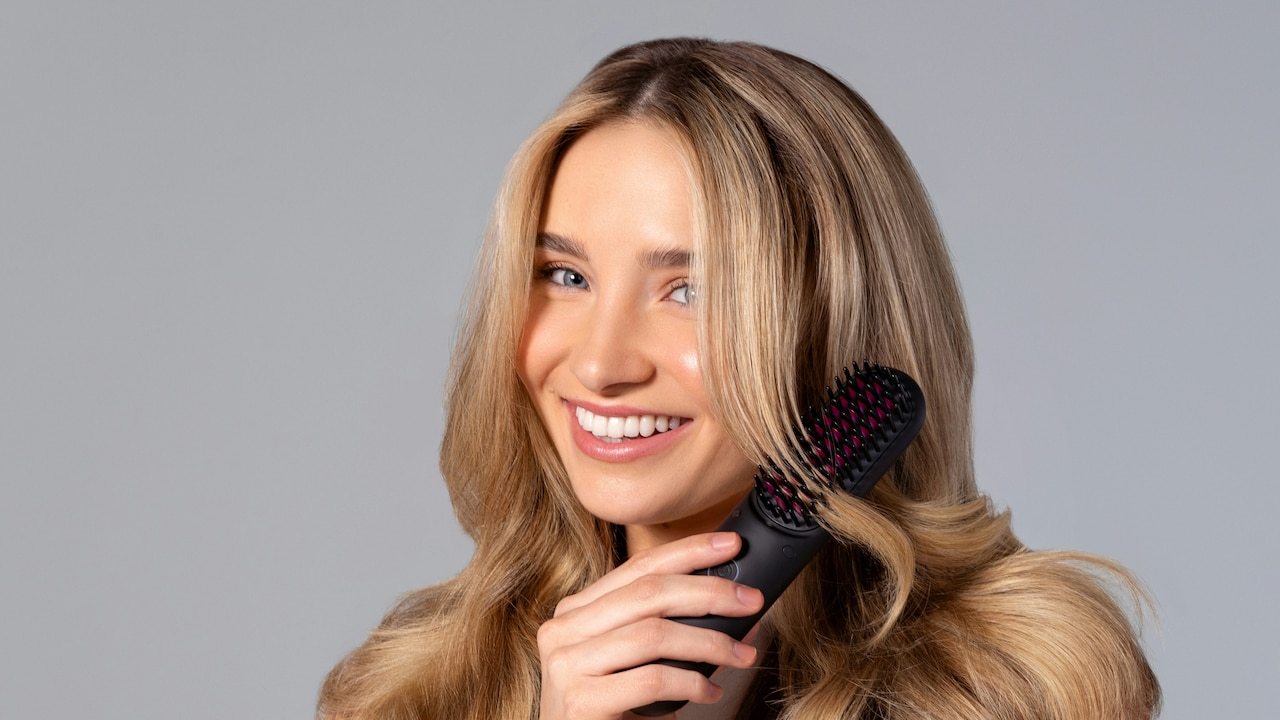
Why Hair Turns Frizzy After Straightening And How To Fix It For Smooth, Sleek Results.
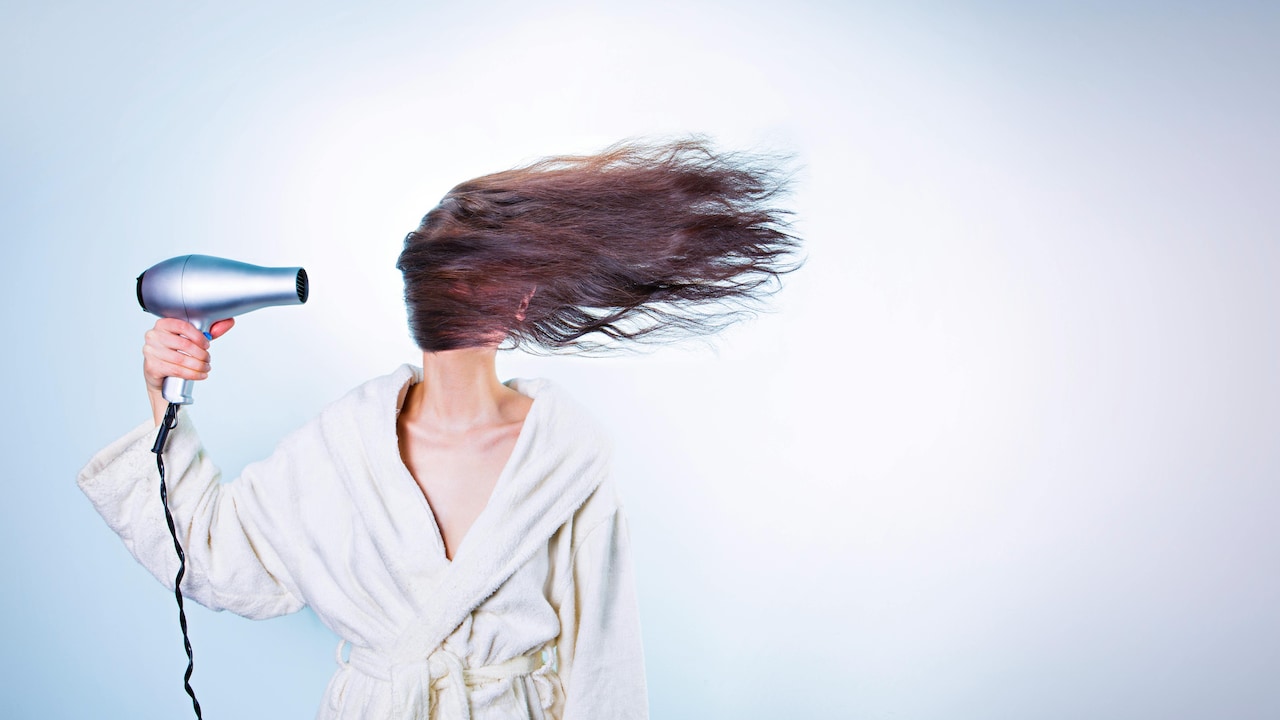
Few things match the satisfaction of running fingers through freshly straightened hair. It falls neatly, shines under soft lighting, and frames the face beautifully. Yet, step outside into sticky monsoon air or a dusty afternoon breeze, and that smooth finish often vanishes. Strands swell, ends curl awkwardly, and the once-sleek style transforms into a fuzzy mess.
Many blame the straightener itself. Others blame the weather. The truth usually sits somewhere in between. Hair reacts to moisture, heat, product build-up, and even the way it gets dried before styling. Understanding these factors makes all the difference.
Straight hair does not turn frizzy out of spite. It responds to stress, dehydration, and imbalance. When care routines change slightly and smarter techniques replace rushed habits, frizz reduces dramatically. Smooth, manageable hair becomes realistic rather than a once-in-a-while treat reserved for weddings or festive events.
Why Hair Turns Frizzy After Straightening And How To Fix It For Smooth, Sleek Results
Photo Credit: Unsplash
The Hidden Triggers Behind Frizz After Straightening
Heat Damage Weakens The Hair Cuticle
Straighteners rely on high temperatures to reshape hair bonds. At the same time, the effect looks sleek; excessive heat lifts and cracks the cuticle. When the cuticle no longer lies flat, moisture escapes quickly, and external humidity sneaks in. This uneven surface causes frizz almost immediately.
Many people use temperatures above 200°C, thinking that higher heat guarantees better results. In reality, finer or already treated hair needs far less heat. Without protection, strands lose elasticity and shine. They feel rough even if they look straight at first.
To fix this, always apply a heat protectant before styling. Choose one that contains silicones or plant oils that form a thin shield. Lower the temperature to suit hair texture. Limit straightening to once or twice a week instead of daily touch-ups. Regular deep conditioning also helps repair minor surface damage. Over time, the cuticle stays smoother, and frizz reduces significantly even in humid conditions.
Humidity Reverses The Straightening Process
Humidity remains the biggest enemy of sleek hair. Hair naturally absorbs moisture from the air. When moisture enters the strand, it disrupts the hydrogen bonds that straightening temporarily rearranges. The hair then attempts to return to its natural texture, which often means waves, curls, and frizz.
This issue becomes more noticeable during monsoon months or in coastal cities where the air feels heavy and damp. Even stepping out for ten minutes can undo an hour of careful styling.
To combat this, finish straightening with a lightweight anti-humidity serum. Look for ingredients such as argan oil or dimethicone. They create a barrier that slows moisture absorption. Avoid heavy creams that weigh hair down and make it greasy in warm weather. A light mist of flexible-hold hairspray can also seal the style without stiffness. Small finishing steps often determine whether hair stays smooth or frizzes within hours.
Improper Blow-Drying Before Straightening
Straightening damp or poorly dried hair invites instant frizz. Many rush through blow-drying and leave slight moisture inside the strands. When the straightener clamps down, that hidden moisture turns into steam. This weakens the hair shaft and roughens the surface.
Even towel-drying aggressively can cause friction. Rough cotton towels create tiny snags in the cuticle, leading to a fuzzy texture before heat styling even begins.
Switch to a microfibre towel or an old cotton T-shirt to gently squeeze out water. Blow-dry in sections using a nozzle attachment. Direct airflow downward to smooth the cuticle. Ensure hair dries completely before picking up the straightener. This extra patience may add ten minutes to the routine, yet it dramatically improves the final result. Smooth preparation sets the foundation for smooth styling.
Product Build-Up Creates Rough Texture
Serums, sprays, dry shampoo, and pollution particles often accumulate on the scalp and strands. Over time, this build-up forms a layer that prevents moisture from distributing evenly. Hair feels heavy at the roots and dry at the ends. When straightened, such hair refuses to lie flat.
Many overlook clarifying shampoos and rely only on mild cleansers. While gentle shampoos protect colour, they may not remove stubborn residue.
Introduce a clarifying shampoo once every two to three weeks. This resets the scalp and removes product deposits. Follow it with a nourishing mask to restore hydration. Clean hair responds better to heat styling and holds a sleek shape longer. Think of it as clearing a cluttered surface before laying down fresh polish. The smoother the base, the smoother the outcome.
Lack Of Moisture In The Hair Shaft
Dry hair seeks moisture aggressively. When the air contains humidity, dry strands absorb it quickly, swell unevenly, and frizz. Straightening temporarily smooths the surface but does not solve underlying dryness.
Chemical treatments, sun exposure, and hard water worsen dehydration. Hair may look shiny after styling, yet feel brittle to the touch. Split ends and flyaways appear more often.
Hydration must become a weekly ritual rather than an occasional rescue step. Use a deep conditioning mask at least once a week. Coconut oil pre-wash treatments also help restore softness without costing more than ₹200 for a good bottle. Avoid over-washing, as frequent shampooing strips natural oils. Well-moisturised hair resists frizz far better than dry, stressed strands. Smoothness starts from within the fibre, not just from surface styling.
Using The Wrong Straightening Technique
Technique matters more than many realise. Dragging the straightener too slowly exposes hair to prolonged heat. Passing the tool repeatedly over the same section increases damage. Holding large, uneven sections results in patchy straightening, which leads to inconsistent texture and frizz.
Hair responds best to smaller, controlled sections. Glide the straightener steadily without pausing mid-strand. One or two smooth passes work better than five rushed ones.
Combining each section before clamping ensures even tension. This small adjustment often transforms the final look. When strands align properly and receive balanced heat, they reflect light more evenly. Frizz reduces because the cuticle remains flatter. Precision and patience always outperform speed and guesswork.
Skipping A Proper Haircut
Split ends sabotage straightened hair instantly. Even if the upper section looks sleek, frayed ends puff outward and create a frizzy silhouette. No serum can fully seal severely split ends.
Many delay trims to preserve length. However, damaged ends travel upward if left unattended. Regular trims every eight to ten weeks maintain shape and smoothness.
Healthy ends make straightened hair appear glossier and neater. The difference feels subtle yet visible in photographs and under bright lighting. Investing ₹500 to ₹1,000 in a trim every few months often proves more effective than buying multiple styling products. Sharp ends respond better to heat styling and hold their polished finish longer.
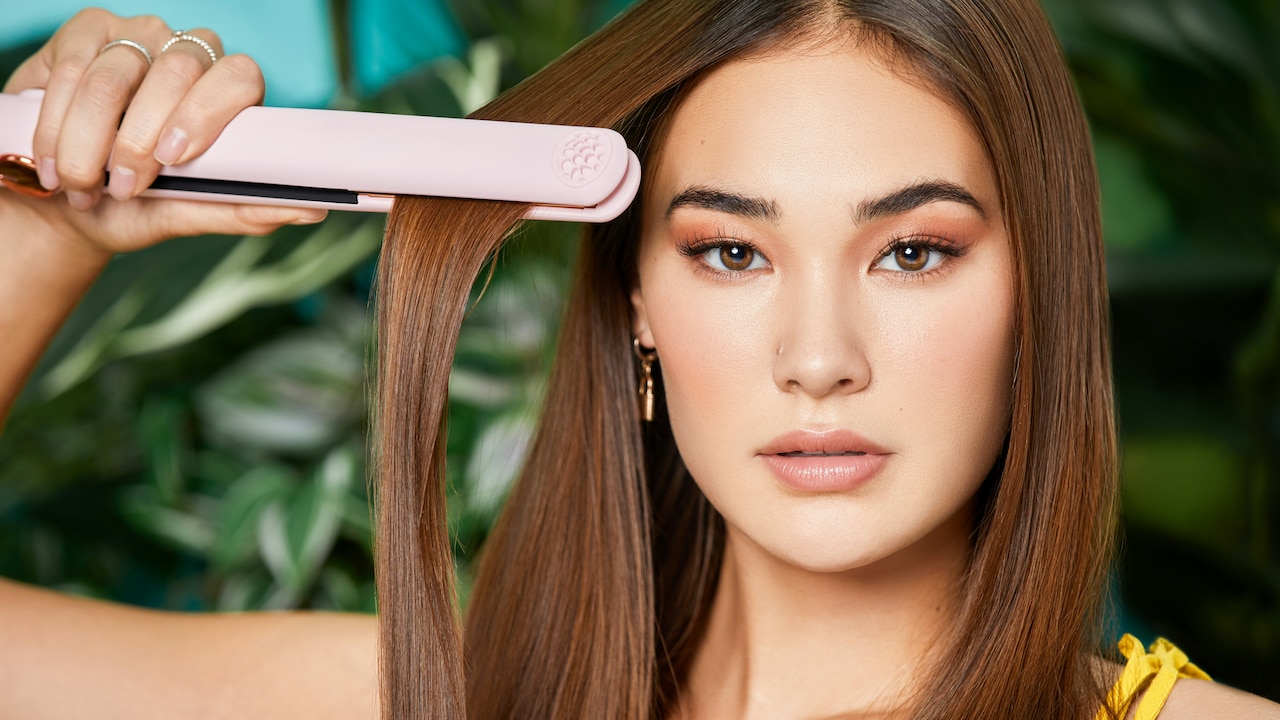
Why Hair Turns Frizzy After Straightening And How To Fix It For Smooth, Sleek Results
Photo Credit: Pexels
Overusing Oils After Straightening
Oiling remains a beloved hair ritual. However, applying heavy oil after straightening often backfires. Oils attract dust and pollution. They also weigh strands down unevenly, especially in warm climates. As hair absorbs environmental moisture, it begins to swell and frizz.
Instead of saturating freshly straightened hair with oil, use just a drop or two of lightweight serum. Reserve heavier oils for pre-wash treatments rather than post-styling shine.
Balance becomes key. Too little nourishment leaves hair dry, while too much product creates limp, greasy strands. A minimal approach keeps hair smooth without overwhelming it. Shine should look natural, not slick.
Sleeping On Rough Fabrics
The battle against frizz does not end at bedtime. Cotton pillowcases create friction as the head moves during sleep. This friction lifts the cuticle and causes tangles. By morning, straightened hair may appear flattened in some spots and frizzy in others.
Switching to a satin or silk pillowcase reduces friction significantly. Hair glides smoothly across the surface. Braiding loosely before bed also helps maintain alignment.
These simple changes cost far less than repeated salon visits. Waking up to smoother hair feels surprisingly satisfying. Overnight care plays a bigger role than many expect. Smooth styling in the morning depends on gentle handling at night.
Environmental Stress And Pollution
City air carries dust, smoke, and microscopic particles that cling to hair. These pollutants roughen the surface and strip natural oils. When combined with heat styling, the effect intensifies. Hair loses shine and begins to frizz even without visible humidity.
Covering hair with a scarf while commuting protects it from direct exposure. Rinsing lightly after returning home removes surface particles. Anti-pollution hair sprays also form a protective barrier.
Hair behaves much like skin. It reacts to environmental stress. Protective habits reduce long-term damage and maintain smoothness. Small preventative steps often make the biggest difference in daily appearance.
Products Related To This Article
1. URBANYOG MakeMeeBold Hair Straightening Brush with Ceramic Coated Plates
2. Philips BHS397/40 Hair Straightener SilkProtect Keratin Titanium Infused Plate
3. VEGA Pro-Ease Hair Straightener with Adjustable Temperature & Wide Ceramic Plates
4. NOVA Women Black & Blue Pro Shine NHS 841 Hair Straightener
5. Agaro Fast Heating Hair Straightener
Frizz after straightening rarely results from one single mistake. It stems from a mix of heat, moisture imbalance, environmental exposure, and everyday habits. Straightening temporarily reshapes hair, but long-lasting smoothness demands thoughtful care.
Lower heat settings, consistent hydration, proper preparation, and gentle handling transform the experience. A sleek finish should not feel like a race against the weather. With the right routine, hair stays polished longer, even through humid evenings and crowded commutes.
Smooth, glossy strands do not depend solely on expensive salon treatments. Smart techniques, balanced products, and regular trims often cost far less than repeated damage repair. When hair receives consistent care rather than quick fixes, it rewards that effort with shine, strength, and far less frizz.
Sleek hair may begin with a straightener, yet it stays beautiful through mindful habits long after the heat fades.
(Disclaimer: This article may include references to or features of products and services made available through affiliate marketing campaigns. NDTV Convergence Limited (“NDTV”) strives to maintain editorial independence while participating in such campaigns. NDTV does not assume responsibility for the performance or claims of any featured products or services.)