10 Waffle Maker Mistakes That Make Your Waffles Soggy And How To Fix Them
Soggy waffles ruin breakfast. From thin batter to poor preheating, small waffle maker mistakes can steal that perfect crunch. Here's how to fix them and get crisp, golden results every single time. Explore common cooking mistakes that can turn waffles soggy in a waffle maker.
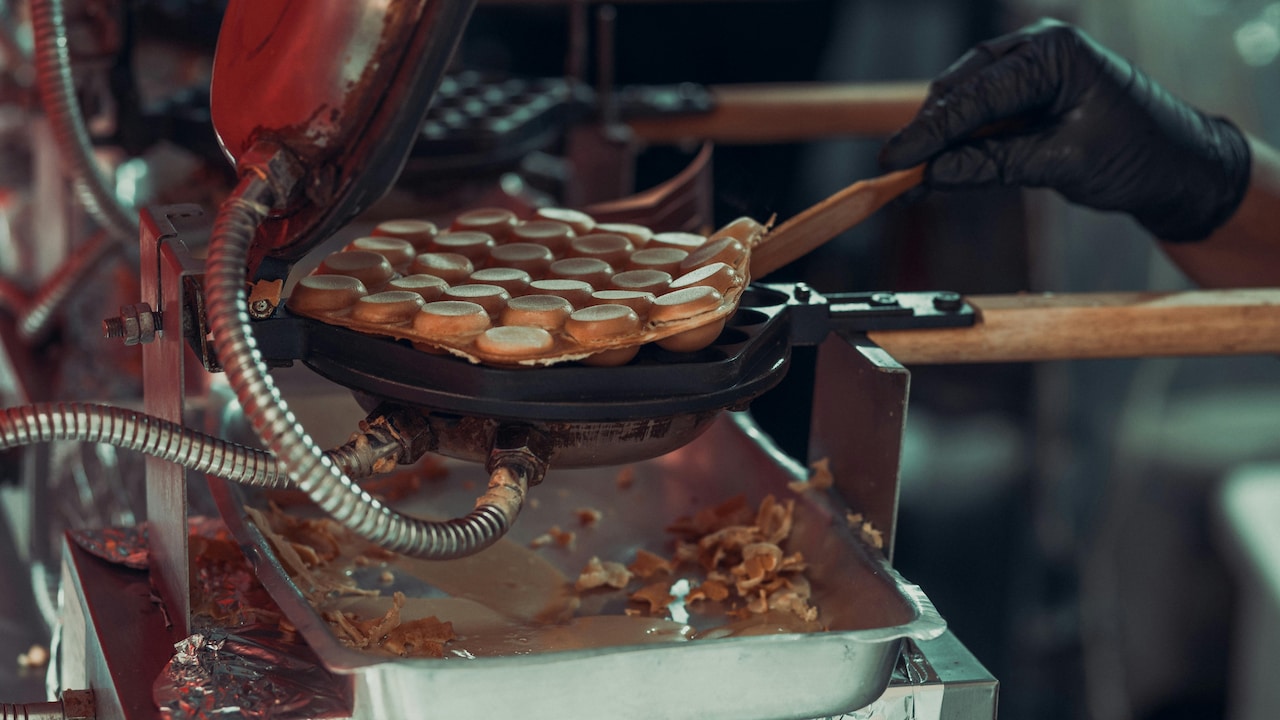
Check Out These Top 10 Waffle Maker Mistakes That Make Them Soggy And Know The Solution.
There is something comforting about the sizzle of batter hitting a hot waffle plate. The aroma drifts across the kitchen, promising crisp edges and fluffy centres. Yet many home cooks lift the lid with high hopes only to find pale, soft waffles that collapse under a drizzle of maple syrup.
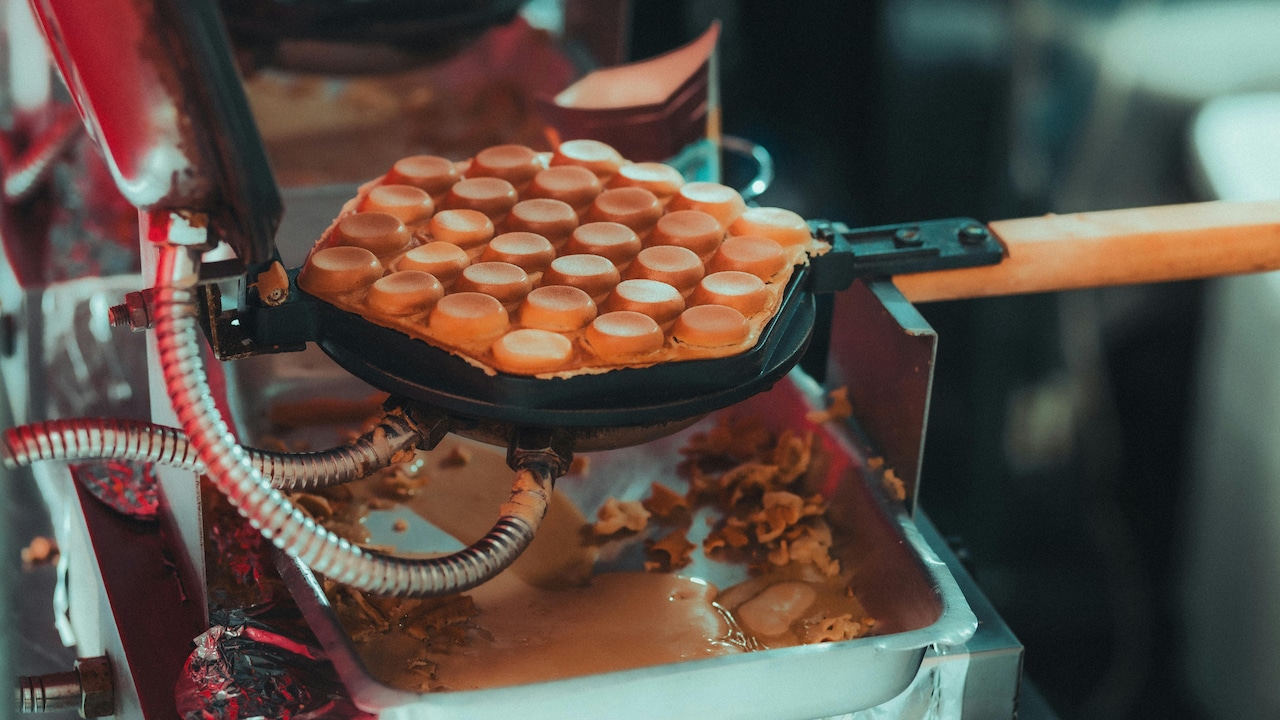
Avoid these common mistakes when using waffle makers to prevent your breakfast from turning soggy; Photo Credit: Pexels
In homes across the country, waffle makers come out during school holidays, festive mornings, or when guests arrive unannounced. A quick batter, a generous pour, and breakfast seems sorted. But waffles demand a little patience and a bit of science. Steam needs to escape, heat must stay consistent, and ingredients have to play their part.
Soggy waffles rarely result from bad luck. They usually trace back to a handful of common mistakes. The good news? Each one has a simple fix. With a few tweaks, that ₹2,000 waffle maker can deliver café-style crunch without another disappointing batch.
Also Read: Waffle Cone Makers: Set Up Your Own Ice-Cream Shop At Home
Not Preheating The Waffle Maker Properly
One of the biggest culprits behind limp waffles is impatience. Plugging in the waffle maker and pouring in batter before it reaches full temperature sets the stage for sogginess. When the plates lack enough heat, the batter starts to cook slowly. Instead of forming a crisp crust, it steams and sticks.
Many waffle makers have indicator lights, but those lights can switch off before the plates truly stabilise. Give the machine a few extra minutes. A properly heated surface creates an instant sizzle when batter touches it. That sound signals the formation of a golden shell that locks moisture inside without letting the exterior turn rubbery.
Rushing this step often leads to waffles that look cooked yet feel damp to the touch. Patience pays off here. Treat preheating as non-negotiable. Let the appliance warm up fully, even if hungry faces wait at the table. That small pause transforms the texture completely.
Using A Batter That Is Too Thin
Consistency matters more than many realise. A runny batter spreads quickly and releases excess moisture into the plates. The result? Waffles that struggle to crisp up and remain soft long after cooking.
Thin batter usually comes from adding too much milk or water. Sometimes recipes copied from abroad fail to account for local flour varieties, which absorb liquid differently. A batter that looks right in a video may behave differently in another kitchen.
Aim for a thick but pourable consistency. The batter should fall from a ladle in a steady ribbon, not splash like dosa batter. If it feels watery, add a spoonful of flour at a time until it thickens slightly. This simple adjustment helps the waffle hold structure and develop those crisp ridges.
A well-balanced batter creates steam that escapes efficiently, leaving behind a crunchy shell and airy interior.
Overmixing The Batter
Excitement often leads to overenthusiastic whisking. However, beating the batter until perfectly smooth can backfire. Overmixing develops gluten in the flour, making waffles dense and chewy rather than light and crisp.
Small lumps in waffle batter are not enemies. They disappear during cooking. Stir until the ingredients just combine. Once dry flour streaks vanish, stop mixing. Resist the urge to chase a silky texture.
Overworked batter traps moisture inside a tight structure. Instead of airy pockets that dry out beautifully, the waffle forms a compact crumb that retains dampness. The exterior may be brown, but the inside feels heavy and slightly wet.
Gentle folding preserves tenderness. It also encourages a better rise, especially when baking powder or baking soda does the lifting. A light hand creates a lighter waffle, and that lightness contributes to a crisp finish.
Opening The Lid Too Soon
Curiosity can sabotage texture. Lifting the lid midway through cooking releases heat and interrupts the crisping process. The waffle may tear, stick, or collapse back into the plates.
Steam plays a vital role in cooking waffles. At first, steam escapes vigorously from the sides. Once the steam reduces significantly, the waffle usually nears completion. Opening the lid before that moment traps excess moisture inside.
Instead of peeking, watch the steam. When it slows to a gentle wisp, the waffle likely has formed a crust strong enough to hold its shape. Many modern waffle makers also have readiness indicators, but observing steam remains a reliable method.
Frequent lid-lifting drops the internal temperature and prolongs cooking time. That extra time often leads to uneven browning and soggy patches. Trust the process and let the waffle cook undisturbed.
Overcrowding The Waffle Maker
Pouring too much batter into the plates may seem like a shortcut to thicker waffles, but it often causes the opposite effect. Excess batter spills over, blocks steam vents, and prevents proper airflow.
When steam cannot escape, it condenses and settles back onto the waffle surface. This trapped moisture softens the crust and creates that dreaded soggy texture. Overfilling also makes cleaning harder, which discourages proper maintenance later.
Follow the manufacturer's guidelines for battery quantity. If those instructions have gone missing, start with a moderate amount and adjust gradually. The batter should spread close to the edges without spilling dramatically.
Well-portioned waffles cook evenly. They brown consistently and release steam efficiently. A restrained pour delivers far better results than a generous splash.
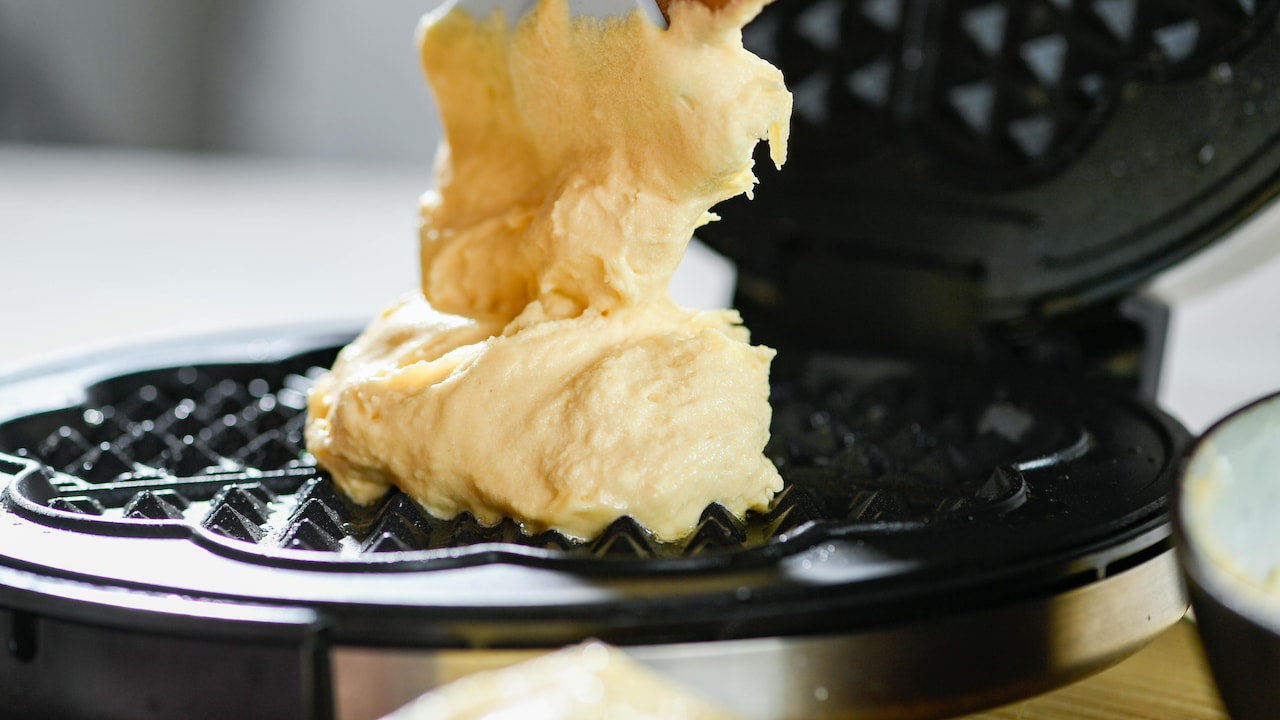
Avoid overfilling the waffle maker to prevent the moisture from trapping inside; Photo Credit: Pexels
Cooking At The Wrong Temperature Setting
Many waffle makers offer adjustable heat settings, yet this feature often gets ignored. Cooking on a low setting produces pale waffles that feel soft even after extended cooking time.
High heat encourages caramelisation and crispness. However, cranking the dial to maximum without testing can burn the exterior while leaving the inside undercooked. The key lies in finding a balanced medium-high setting.
If waffles consistently turn soggy, increase the temperature slightly and reduce cooking time if needed. Observe the colour. A deep golden brown usually signals better texture than a pale yellow finish.
Temperature control allows moisture to evaporate quickly from the surface. Quick evaporation leads to crunch. Slow cooking at low heat gives moisture too much time to linger, resulting in softness.
Skipping Oil Or Butter On The Plates
Non-stick plates may reduce the need for heavy greasing, but skipping fat entirely can affect texture. A light brush of oil or melted butter helps create a crisp outer layer.
Fat aids browning. It conducts heat evenly across the surface and prevents sticking, which can tear the waffle and expose soft interiors. Even when the batter contains butter, the plates benefit from a thin coating.
Use a pastry brush or folded tissue to spread a small amount of oil before pouring batter. Avoid excess oil, which can fry the waffle unevenly. A subtle layer works best.
This step often makes the difference between a waffle that peels off cleanly and one that clings stubbornly, losing its crisp ridges in the process.
Stacking Waffles Immediately After Cooking
Fresh waffles release steam even after leaving the maker. Stacking them straight onto a plate traps that steam between layers. Within minutes, the once-crisp surfaces turn soft.
To preserve crunch, place cooked waffles on a wire rack instead of a flat plate. The rack allows air to circulate underneath, preventing condensation. If cooking for a crowd, keep waffles warm in an oven set to a low temperature. Arrange them in a single layer on the rack inside.
This simple shift in habit keeps each waffle crisp until serving. It proves especially helpful during family gatherings when multiple batches get prepared back-to-back.
Steam management continues even after cooking ends. Give waffles space to breathe, and they will reward that patience with crunch.
Adding Toppings Too Early
Few sights tempt more than a waffle dripping with syrup and butter. Yet pouring syrup immediately after cooking can undo all the hard work.
Hot waffles absorb liquid quickly. When syrup soaks in, it softens the crust and turns the edges limp. Cream, fruit compote, or chocolate sauce can have the same effect.
Allow the waffle to cool slightly for a minute before adding toppings. This brief rest strengthens the crust. Alternatively, serve toppings on the side and let everyone customise their plate.
For gatherings, consider thicker toppings such as whipped cream or nut butters that sit on the surface rather than soaking through instantly. Timing plays a crucial role here. A small delay protects texture without sacrificing flavour.
Ignoring Ingredient Balance
Crisp waffles rely on the right ratio of flour, fat, sugar, and leavening agents. Too little fat can produce dry yet oddly soft waffles. Too much sugar may cause rapid browning without proper structure.
Egg whites contribute lightness when beaten separately and folded in gently. Baking powder ensures lift, while a pinch of salt sharpens flavour. Each element serves a purpose.
Experimentation helps, but random substitutions often lead to disappointing results. Whole wheat flour, for example, absorbs more liquid and may require recipe adjustments. Yoghurt-based batters can add moisture but need careful balancing with dry ingredients.
When waffles consistently turn soggy despite correct cooking technique, revisit the recipe. A well-tested formula saves time, ingredients, and frustration. Even the most advanced waffle maker cannot compensate for an imbalanced batter.
Products Related To This Article
1. Borosil 1000W Neo Waffle Maker | Non Stick Coating
2. IBELL WAFFLEMATE190 Waffle Maker Electric
3. Holstein Mini Waffle Maker Machine 3 In 1 Waffle Iron Home Appliances Kitchen Easy To Clean
4. Russell Hobbs RST750WM 750W Waffle Maker
5. Lifelong Waffle Maker Machine for Home - 750W Waffle Cone Maker with Non Stick Coating and Cool Touch Handle
Soggy waffles rarely result from a faulty appliance. More often, small missteps add up. Insufficient preheating, thin batter, overmixing, or trapped steam can quietly sabotage breakfast plans.
Fortunately, each mistake has a practical fix. Allow the waffle maker to heat fully. Adjust batter consistency. Cook at the right temperature and let steam escape naturally. Give waffles room to breathe after cooking and add toppings at the right moment.
These changes require no expensive upgrades or fancy ingredients. They demand attention, patience, and a willingness to tweak routine. With these adjustments, every batch can emerge crisp, golden, and ready to hold syrup without surrendering its crunch.
The next time the waffle maker comes out on a relaxed morning, those golden squares can finally live up to their promise.
(Disclaimer: This article may include references to or features of products and services made available through affiliate marketing campaigns. NDTV Convergence Limited (“NDTV”) strives to maintain editorial independence while participating in such campaigns. NDTV does not assume responsibility for the performance or claims of any featured products or services.)