How To Choose The Best Chimneys For Small Kitchens
Struggling with smoke and grease in a compact kitchen? Discover how to choose the best chimney for small kitchens, from suction power to size, noise and budget, so every meal feels fresh and hassle-free.

How To Choose The Best Chimney For Small Kitchens: A Complete Buying Guide.
Small kitchens have a certain charm. Everything sits within arm's reach, spices line up neatly, and every inch matters. Yet anyone who cooks regularly knows the downside. A tadka splutters, steam fogs up cabinets, and masala aromas cling to curtains long after dinner ends. In compact homes, the cooking area often opens into the living room, so smoke travels freely and overstays its welcome.
A well-chosen chimney does more than extract smoke. It keeps tiles grease-free, prevents lingering smells, and protects cabinets from sticky residue. It also improves air quality, which matters deeply in urban homes where ventilation may already feel limited. The challenge lies in picking a model that fits the space without overwhelming it.
From suction capacity to size, filter type to noise levels, several factors demand attention. Marketing claims can sound dazzling, but practical details matter more. The following sections break down exactly what to look for when selecting the best chimney for a small kitchen, ensuring style meets performance without stretching the budget beyond ₹15,000 to ₹25,000.
How To Choose The Best Chimneys For Small Kitchens
Photo Credit: Pexels
Understand Your Kitchen Size And Layout
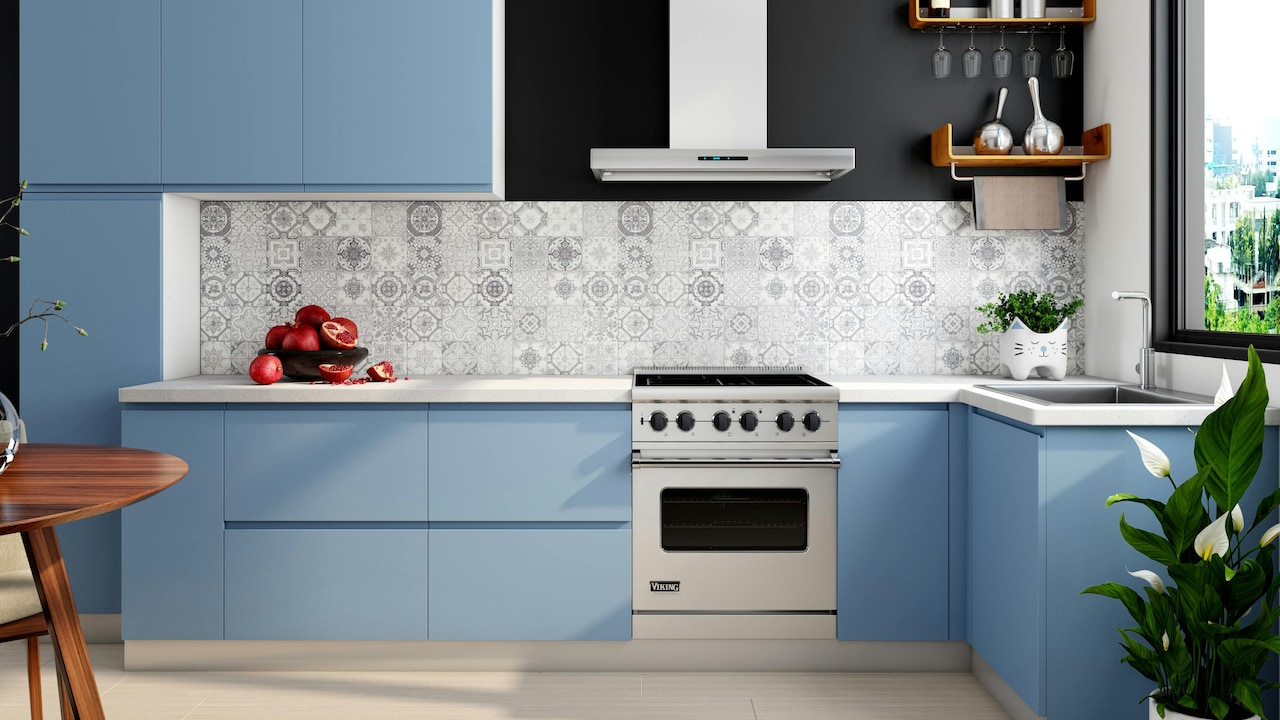
Every smart purchase begins with a clear look at the space available. Small kitchens vary widely. Some run along a single wall. Others sit in a compact L-shape. A few resemble a narrow corridor where two people cannot pass without a polite shuffle. The layout determines which chimney style works best.
Measure the width of the hob carefully. Most compact kitchens use two or three-burner hobs measuring 60 cm. A chimney should match or slightly exceed the hob width. A 60 cm chimney suits most small homes. Installing a larger 90 cm model in a tight space may look disproportionate and reduce headroom comfort.
Also consider wall placement. A chimney mounted too low feels intrusive. Too high, and it loses efficiency. Ideally, maintain a gap of 65 to 75 cm between the hob and the chimney. In smaller spaces, correct height prevents accidental bumps and improves suction performance.
Think about cabinet placement as well. If overhead cabinets already crowd the wall, a slim chimney design works best. Choosing wisely ensures the appliance complements the layout rather than dominating it.
Choose The Right Chimney Type
The type of chimney shapes both aesthetics and function. Wall-mounted chimneys remain the most common choice for compact kitchens. They attach directly above the hob and fit neatly against the wall. Many trusted brands such as Faber and Elica offer sleek 60 cm models designed specifically for smaller homes.
Built-in or integrated chimneys hide within cabinets. They suit minimal interiors and create a seamless look. These models save visual space and blend beautifully into modular kitchens.
Island chimneys, on the other hand, hang from the ceiling. They suit large open kitchens. In a compact home, they rarely make sense unless the cooking area sits in the centre.
For most small kitchens, a slim wall-mounted or built-in model works best. The goal remains simple: choose a design that supports the layout without making the kitchen feel crowded. Good design should feel natural, not forced.
Focus On Suction Power Without Overdoing It
Suction power determines how efficiently the chimney removes smoke and odours. Manufacturers measure suction capacity in cubic metres per hour (m³/hr). For small kitchens, a range between 800 and 1200 m³/hr usually proves sufficient.
Many buyers assume higher numbers guarantee better performance. In reality, excessively high suction in a compact space can create unnecessary noise and consume more electricity. Cooking habits matter more. Households that fry frequently or cook rich gravies benefit from higher suction within the recommended range.
For lighter cooking styles, moderate suction handles daily tasks comfortably. Models from brands such as Hindware often offer adjustable speed settings. These allow flexibility depending on the dish being prepared.
Matching suction to kitchen size ensures efficiency without waste. The aim is balance. Too little suction leaves smoke behind. Too much feels excessive. Choose wisely, and the kitchen air will stay fresh without sounding like a small aircraft taking off.
Pick The Correct Filter Type
Filters determine how effectively a chimney traps grease and oil particles. Three main types dominate the market: mesh filters, baffle filters and filterless technology.
Mesh filters use multiple layers of aluminium mesh. They trap grease effectively but require frequent cleaning. In a small kitchen where cooking happens daily, cleaning every fortnight may feel tedious.
Baffle filters use curved panels that separate oil from smoke. They suit heavy cooking and demand less maintenance. Many compact models favour baffle filters for their durability.
Filterless chimneys rely on centrifugal force to separate oil. They reduce cleaning hassles and suit busy households. Brands like Glen promote filterless options that appeal to modern buyers.
For small kitchens, low maintenance makes life easier. Frequent cleaning in a limited space can feel inconvenient. Choosing a model that simplifies upkeep keeps the focus on cooking rather than scrubbing greasy panels.
Pay Attention To Noise Levels
Small kitchens amplify sound. A loud chimney can dominate conversations and disturb the calm rhythm of cooking. Noise levels typically range between 48 and 60 decibels.
Models operating under 58 decibels feel comfortable in compact spaces. During daily cooking, especially in open-plan homes, lower noise enhances comfort. Imagine preparing breakfast while the rest of the household catches up on news or studies nearby. A roaring chimney quickly turns irritating.
Modern chimneys often feature improved motors and insulated housing to reduce noise. While comparing options within ₹12,000 to ₹20,000, check product specifications carefully. A quieter motor may cost slightly more but adds long-term comfort.
A chimney should support the kitchen environment, not dominate it. In smaller homes, peaceful cooking matters just as much as powerful suction.
Consider Ducted Vs Ductless Options
Ventilation style plays a crucial role. Ducted chimneys push smoke outside through a pipe. They deliver excellent performance but require proper installation. In apartments where exterior wall access remains limited, installing a duct may prove challenging.
Ductless chimneys recycle air using charcoal filters. They suit flats where structural modifications are restricted. However, charcoal filters require periodic replacement, adding to maintenance costs.
For compact kitchens, ducted systems usually provide stronger performance. If installation allows it, choose ducted for better long-term efficiency. If constraints exist, select a high-quality ductless model with reliable charcoal filtration.
Careful planning during renovation helps avoid later regrets. Discuss installation details with technicians beforehand. A well-fitted system ensures the chimney works as intended without unnecessary complications.
Evaluate Size And Space Efficiency
In a small kitchen, every appliance must earn its place. A bulky chimney reduces cabinet space and creates visual clutter. Slim designs work best. Look for models with curved glass or flat panels that do not protrude excessively.
Height adjustability also matters. Adjustable chimney ducts adapt better to low ceilings, often found in compact flats. Stainless steel finishes add brightness and make cleaning easier.
Check depth measurements too. Some models extend too far forward, interfering with head movement. A comfortable cooking posture should remain possible without ducking.
Space efficiency extends beyond physical size. Controls placed at a reachable height add convenience. LED lighting built into the chimney enhances visibility while saving counter space otherwise used for additional lights.
Choosing a compact yet capable model ensures harmony between functionality and aesthetics.
Check Ease Of Cleaning And Maintenance
Small kitchens demand frequent cleaning due to limited airflow. A chimney that simplifies maintenance saves time and effort. Look for models with detachable filters and smooth surfaces that resist oil stains.
Auto-clean technology has gained popularity. These models use heat to melt grease and collect it in a tray. While slightly costlier, usually between ₹18,000 and ₹25,000, they reduce manual scrubbing.
Consider accessibility too. If filter removal feels awkward due to cabinet placement, cleaning may get delayed. Delayed cleaning reduces efficiency.
Maintenance costs should remain reasonable. Replacement filters and spare parts should remain easily available in local markets. A practical approach ensures the chimney remains effective for years without becoming a burden.
How To Choose The Best Chimneys For Small Kitchens
Photo Credit: Pexels
Match The Design With Your Kitchen Style
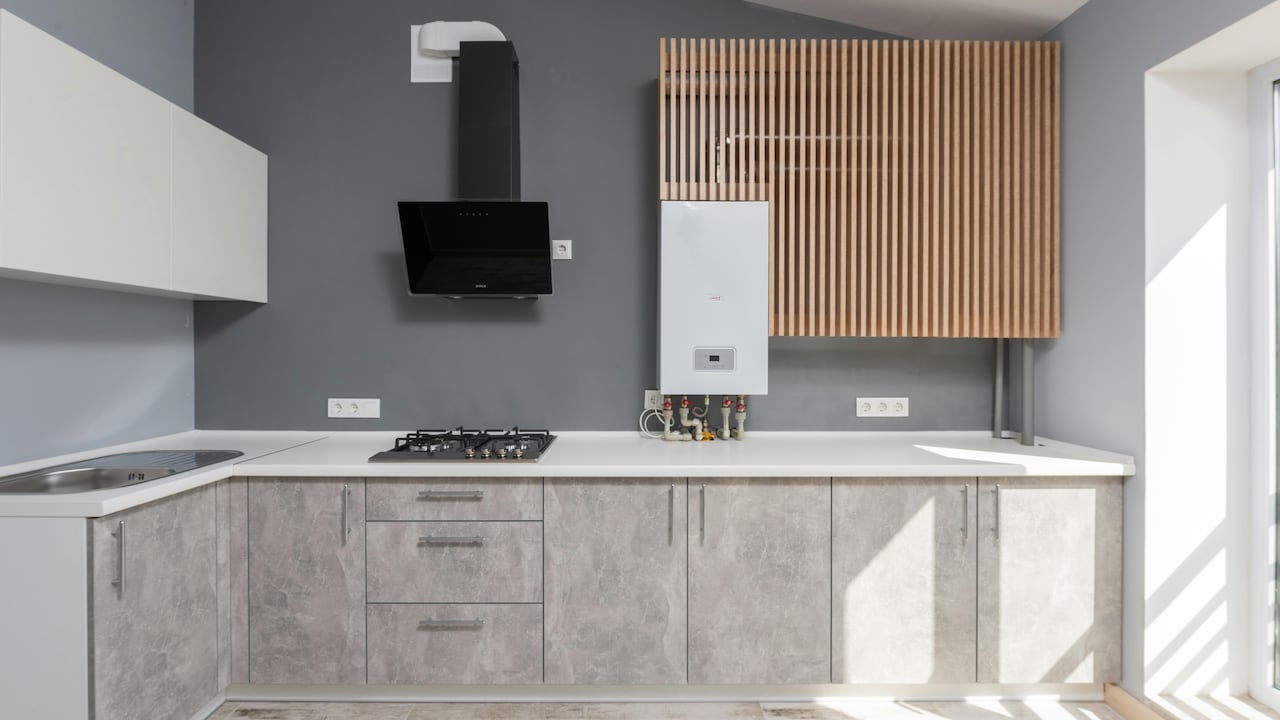
A small kitchen deserves style as much as functionality. Modern homes often feature modular cabinets in white, grey or wooden finishes. A sleek black glass chimney adds contrast and sophistication.
Curved glass models soften sharp cabinet lines. Straight-line designs suit minimalist spaces. Some brands even offer touch controls and motion sensors, adding a subtle tech-savvy feel.
However, style should never overpower practicality. In a tiny kitchen, overly ornate designs may appear crowded. Choose a finish that complements existing décor without shouting for attention.
Lighting also enhances visual appeal. Soft LED illumination over the hob creates warmth while improving visibility. A well-designed chimney blends into daily life effortlessly, adding charm without demanding constant admiration.
Set A Realistic Budget And Compare Brands
Budget plays a defining role. Reliable small-kitchen chimneys typically fall between ₹10,000 and ₹25,000. Within this range, buyers can find dependable suction power, efficient filters and attractive designs.
While comparing brands, examine warranty coverage and service network availability. A strong after-sales presence matters greatly. Urban households value quick service support during unexpected breakdowns.
Avoid choosing solely based on discounts. Sometimes, a slightly higher upfront investment ensures better durability and lower maintenance costs. Compare features carefully rather than focusing only on brand reputation.
A balanced decision combines performance, durability, service support and aesthetics. Spending wisely ensures long-term satisfaction rather than short-term excitement.
Products Related To This Article
1. Elica 60cm 1500 m3/hr BLDC Filterless Autoclean Kitchen Chimney with 15 Years Motor & 5 Years Comprehensive Warranty
2. Faber Energy 60cm 1500m³/hr BLDC Autoclean Chimney|9 Speed Silent Hood|Energy Efficient|Filterless
3. Whirlpool 60cm 900 m3/hr Cassette Filter Kitchen Chimney with 5 Years WARR on Motor
4. KAFF K-Series KET 60A T-Shape Filterless Auto Clean Kitchen Chimney
5. Ventair 60 cm 1200 m3/hr Autoclean Kitchen Chimney
Choosing the best chimney for a small kitchen requires thoughtful planning. Size, suction power, noise levels, filter type and maintenance all shape daily cooking experiences. A compact kitchen may challenge space, but it also offers an opportunity for smart design.
A well-selected chimney keeps air fresh, cabinets clean and cooking enjoyable. It protects walls from grease and prevents odours from drifting into living spaces. More importantly, it allows households to cook favourite dishes, whether festive sweets or spicy curries, without worrying about lingering smoke.
Balance remains the key. Match chimney size to hob width. Choose a moderate suction suitable for the space. Prioritise ease of maintenance. Select a design that complements the kitchen rather than crowding it. Stay within a realistic budget and check service availability.
With careful consideration, even the smallest kitchen can feel airy, efficient and welcoming. After all, great meals begin not just with good ingredients, but with a comfortable space to cook them in.
(Disclaimer: This article may include references to or features of products and services made available through affiliate marketing campaigns. NDTV Convergence Limited (“NDTV”) strives to maintain editorial independence while participating in such campaigns. NDTV does not assume responsibility for the performance or claims of any featured products or services.)