Induction Cooktop Power Settings Explained: What Each Level Really Means
Confused by induction cooktop power levels? From gentle simmering to rapid boiling, this guide explains what each setting really does and how to use it for better, faster everyday cooking.
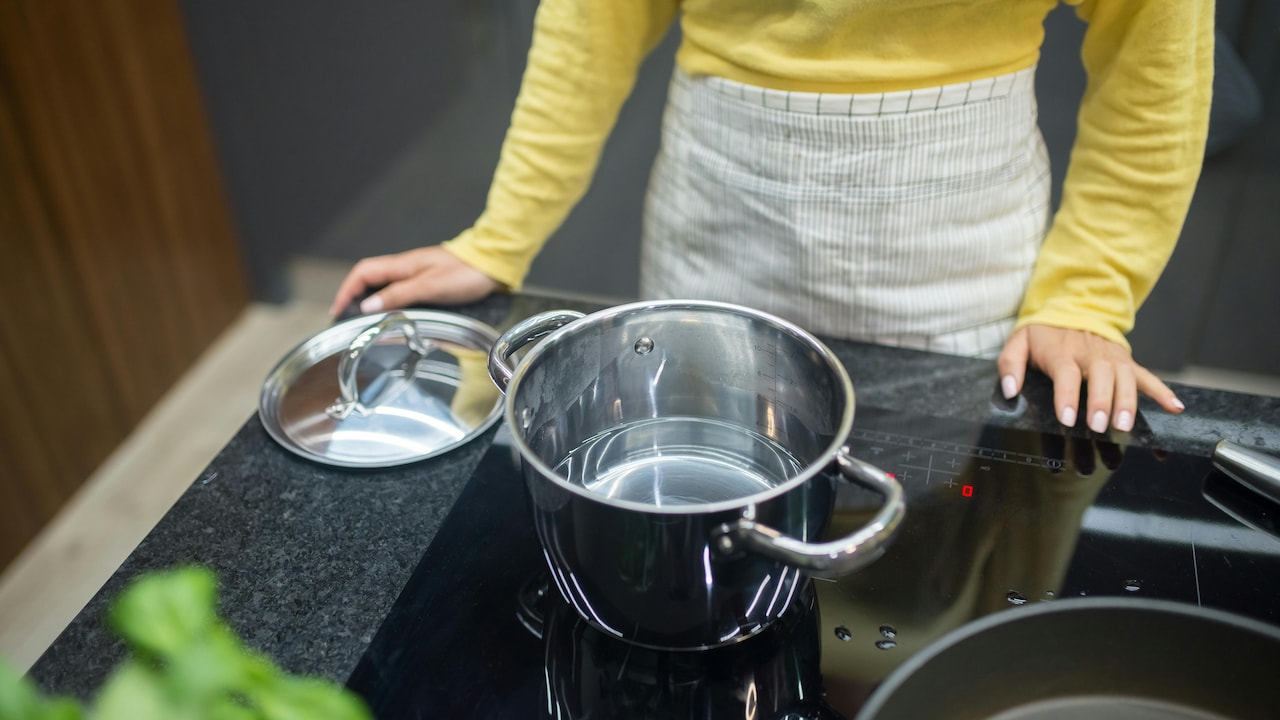
Induction Cooktop Power Settings Explained: A Complete Guide To Every Heat Level.
Modern kitchens hum with quiet efficiency. Gas flames no longer dominate the counter. Instead, sleek black glass surfaces glow beneath steel pots. Induction cooktops have changed the rhythm of cooking. They heat faster, waste less energy and offer precise control. Yet many households use only three or four settings, unsure about the rest.
That small digital scale, usually ranging from 1 to 10 or sometimes up to 12, looks simple. However, each number represents a specific power output. Unlike gas, where flame size gives a visual cue, induction relies on understanding. Once the logic becomes clear, cooking feels less like guesswork and more like a craft.
Power settings influence how quickly onions caramelise, how gently dal simmers and how evenly milk warms without catching at the bottom. Knowing which level suits which task saves time, electricity and occasionally dinner itself. The sections below decode every stage, so the next meal turns out just right.

Induction Cooktop Power Settings Explained: What Each Level Really Means
Photo Credit: Pexels
Breaking Down Induction Settings From Low To Boost
Level 1 – The Keep Warm Whisper
Level 1 sits at the very bottom of the scale. It does not shout heat. It barely hums. This setting works best for keeping food warm after cooking. Think of a pot of rajma waiting for late arrivals at the table or rotis stacked in a covered pan.
At this level, the cooktop delivers minimal power. The surface maintains warmth without pushing the dish towards overcooking. Milk stays warm for haldi doodh without forming a thick skin too quickly. Leftover sabzi reheats slowly and evenly.
Many people skip this level and switch the cooktop off entirely. That often leads to cold food and repeated reheating, which dries out gravies. Level 1 prevents that problem. It acts like a thermal blanket rather than a flame.
Electricity use remains low here, which helps manage monthly bills. Instead of turning the appliance on and off repeatedly, this gentle setting keeps flavours stable and textures intact. It feels subtle, but in daily life, subtle often makes the biggest difference.
Level 2 – Gentle Melting And Soft Heating
Level 2 steps up slightly. It still behaves calmly but adds enough warmth to melt and soften. Chocolate melts smoothly without burning. Butter turns liquid without browning. Leftover rice warms through without turning crisp at the edges.
This level works beautifully for delicate tasks. Preparing a kheer base demands patience. The milk should heat slowly at first. Rushing that stage leads to sticking and unpleasant smoky notes. Level 2 allows gradual heating, giving control over consistency.
Many kitchens rely on this setting for early morning tea preparation. Water warms steadily before tea leaves join the pot. The liquid does not erupt into a sudden boil. Instead, it builds towards it.
Using this level also builds confidence. Induction cooktops respond quickly, unlike traditional coils that take time to cool down. Level 2 provides a safe space to understand how the appliance behaves. It introduces heat without risk, making it ideal for beginners and cautious cooks alike.
Level 3 – The Slow Simmer Start
Level 3 begins the real cooking journey. Here, liquids show small bubbles. Curries start to simmer gently. Lentils soften without aggressive boiling. This level suits recipes that require patience and even heat distribution.
Consider a pot of sambar. Once the ingredients combine, the flavours need time to mingle. A rolling boil would break vegetables apart. Level 3 keeps the surface lightly active, allowing spices to infuse gradually.
This setting also works well for reheating refrigerated gravies. The heat penetrates slowly, preventing burnt spots at the base of the pan. Many households discover that this level replaces the low flame on gas stoves.
Simmering at Level 3 enhances texture. Paneer remains soft. Beans cook evenly. The dish thickens naturally instead of reducing too fast. It feels controlled and calm, almost meditative. The cooktop responds instantly if adjustments become necessary, so there is no long wait for temperatures to settle.
Level 4 – Steady Cooking Without Rush
Level 4 brings noticeable energy. The bubbles become consistent, and vegetables cook at a moderate pace. This level handles everyday dishes comfortably. Upma, poha and basic vegetable stir-fries thrive here.
Heat at this stage cooks ingredients thoroughly without overwhelming them. Onions soften and turn translucent rather than browning instantly. Tomatoes break down into a smooth base for masala gravies.
For families juggling school schedules and office calls, Level 4 balances speed and control. Food cooks efficiently, yet there remains time to adjust salt or spices before the dish finishes.
This setting often becomes a favourite for daily cooking. It feels dependable. Electricity consumption remains reasonable, and meals reach the table on time. Instead of constant monitoring, a quick stir every few minutes usually suffices. That sense of reliability makes this level a quiet hero in busy kitchens.
Level 5 – Balanced Heat For Everyday Meals
Level 5 sits at the centre of most induction scales. It represents balance. Not too mild, not too fierce. Many cooktops default to this level when switched on, and for good reason.
At Level 5, water reaches a controlled boil. Rice cooks efficiently without spilling over. Pressure cookers perform well here before the whistle stage. The heat penetrates deeper, reducing cooking time compared to lower settings.
This level suits shallow frying as well. Cutlets sizzle without absorbing excess oil. Parathas cook evenly, developing golden patches without burning.
The setting feels confident. It handles multitasking in the kitchen, where one dish simmers while another sautés. The cook does not need constant adjustments. That stability reduces stress, especially during larger family meals or festive preparations.
Understanding Level 5 as the “everyday workhorse” simplifies decision-making. When uncertain about which number to choose, starting here often provides the right middle ground before fine-tuning up or down.
Level 6 – Quick Boil And Faster Results
Level 6 begins to show urgency. Water boils rapidly. Pasta cooks faster. Potatoes soften in less time. This setting proves useful when hunger strikes and patience runs thin.
At this stage, heat transfers quickly into the cookware. Induction technology responds instantly, so the change from Level 5 to Level 6 feels immediate. Bubbles grow larger and more energetic.
However, attention becomes important. Milk can rise quickly at this power. Sauces may thicken faster than expected. Stirring more frequently prevents surprises.
For weekday dinners after long commutes, Level 6 cuts cooking time noticeably. Electricity usage increases compared to mid-level settings, but the shorter cooking duration often balances overall consumption.
This level suits cooks who understand their ingredients. It rewards attentiveness and speeds up the process without stepping into aggressive territory. Used wisely, it saves both time and effort.
Level 7 – Strong Heat For Sautéing And Frying
Level 7 brings assertive heat. Oil heats quickly. Cumin seeds crackle almost instantly. Stir-fries demand this intensity. Capsicum retains crunch while absorbing flavour.
This setting works well for bhindi, gobi or paneer tikka-style preparations done in a flat pan. The surface must stay hot enough to sear without turning soggy. Level 7 delivers that searing effect.
Timing matters here. Leaving spices unattended can cause burning. Garlic browns within seconds. The cook must stay engaged, stirring and adjusting as needed.
For shallow frying snacks during monsoon evenings, this level offers efficiency. Pakoras crisp up faster, reducing oil absorption. The texture improves when heat remains strong and steady.
Level 7 feels energetic and lively. It suits confident hands and focused cooking. The cooktop shows its power clearly at this stage, transforming raw ingredients into aromatic dishes within minutes.
Level 8 – Rapid Boiling And High-Temperature Cooking
Level 8 moves firmly into high heat territory. Large pots of water reach a rolling boil quickly. Noodles cook rapidly. Corn on the cob softens in record time.
This level also supports deep sautéing before lowering the heat. For example, browning onions deeply for biryani benefits from strong initial heat. Level 8 accelerates caramelisation, building rich colour and flavour.
Yet caution becomes essential. Thin cookware may overheat. Food can scorch if left unattended. The key lies in short bursts rather than prolonged use.
Many households reserve this level for specific tasks rather than daily cooking. It proves helpful when preparing meals for gatherings, where multiple dishes demand a quick turnaround.
The energy at this stage feels intense. The cooktop performs at a high power output, and results appear quickly. With careful monitoring, Level 8 becomes a powerful ally rather than a risky gamble.
Level 9 – Intense Heat For Heavy-Duty Tasks
Level 9 approaches maximum standard power on most models. It handles demanding jobs. Large quantities of water boil within minutes. Pressure cookers build steam rapidly before lowering the heat.
This level suits thick-bottomed cookware best. Heavy kadais manage the temperature effectively. Lightweight pans may struggle under such intensity.
Cooking at Level 9 requires readiness to adjust downwards. Many recipes benefit from starting high and then reducing to medium. For example, chole may begin at this level to bring the mixture to a boil, then shift lower setting for simmering.
Using this setting continuously can increase electricity consumption. However, short bursts save time overall. The trick lies in understanding when to step back.
Level 9 feels bold. It reflects the strength of induction technology. Used thoughtfully, it delivers speed and efficiency that traditional stoves rarely match.
Induction Cooktop Power Settings Explained: What Each Level Really Means
Photo Credit: Pexels
Level 10 Or Boost Mode – Maximum Power Surge
Some cooktops extend to Level 10 or include a Boost function. This mode unleashes maximum power for a limited period. Water boils astonishingly fast. Large pots heat within moments.
Boost mode proves useful during rushed mornings or when preparing tea for unexpected guests. It cuts waiting time dramatically. However, it does not suit delicate cooking. Sauces may split, and milk can spill over in seconds.
Manufacturers design this feature for temporary use. After a short duration, many appliances reduce power automatically to protect internal components. That safety measure ensures durability.
This top setting showcases the true capability of induction technology. It demonstrates how electricity converts directly into heat within the cookware, bypassing wasted energy.
Used wisely, Boost mode feels like a secret shortcut. It saves precious minutes without compromising efficiency. Yet discipline matters. High power demands attention and swift adjustments.
Products Related To This Article
1. Prestige PIC 20 1600 Watts Induction Cooktop
2. Milton Elio Elite 16.0 Portable Induction Cooktop
3. Preethi Indicook IC124 Induction Cooktop
4. PHILIPS Viva Collection HD4938/01 2100-Watt Glass Induction Cooktop with Sensor Touch
5. Cadlec CookEase 2000W Induction Cooktop
Induction cooktop power settings may appear mysterious at first glance. Numbers glow on the panel, yet their meaning stays hidden until explored. Once understood, those digits transform everyday cooking.
Each level carries a purpose. Lower settings nurture gentle warmth. Middle levels manage daily meals with reliability. Higher levels speed up demanding tasks. The topmost setting delivers rapid results when time feels scarce.
Cooking becomes smoother when the right level meets the right task. Electricity bills stay manageable. Food tastes better. Stress reduces. The cook gains control over the heat rather than reacting to it.
Modern kitchens thrive on precision. Induction technology offers that precision generously. By learning what each level truly means, meals turn out consistent, flavours deepen, and confidence grows with every dish served.
(Disclaimer: This article may include references to or features of products and services made available through affiliate marketing campaigns. NDTV Convergence Limited (“NDTV”) strives to maintain editorial independence while participating in such campaigns. NDTV does not assume responsibility for the performance or claims of any featured products or services.)