Why Air Purifiers Cannot Remove Dust Already Settled On Furniture
Air purifiers capture dust floating in the air, not particles already settled on furniture. Once dust lands, only direct cleaning with a cloth or vacuum can remove it.
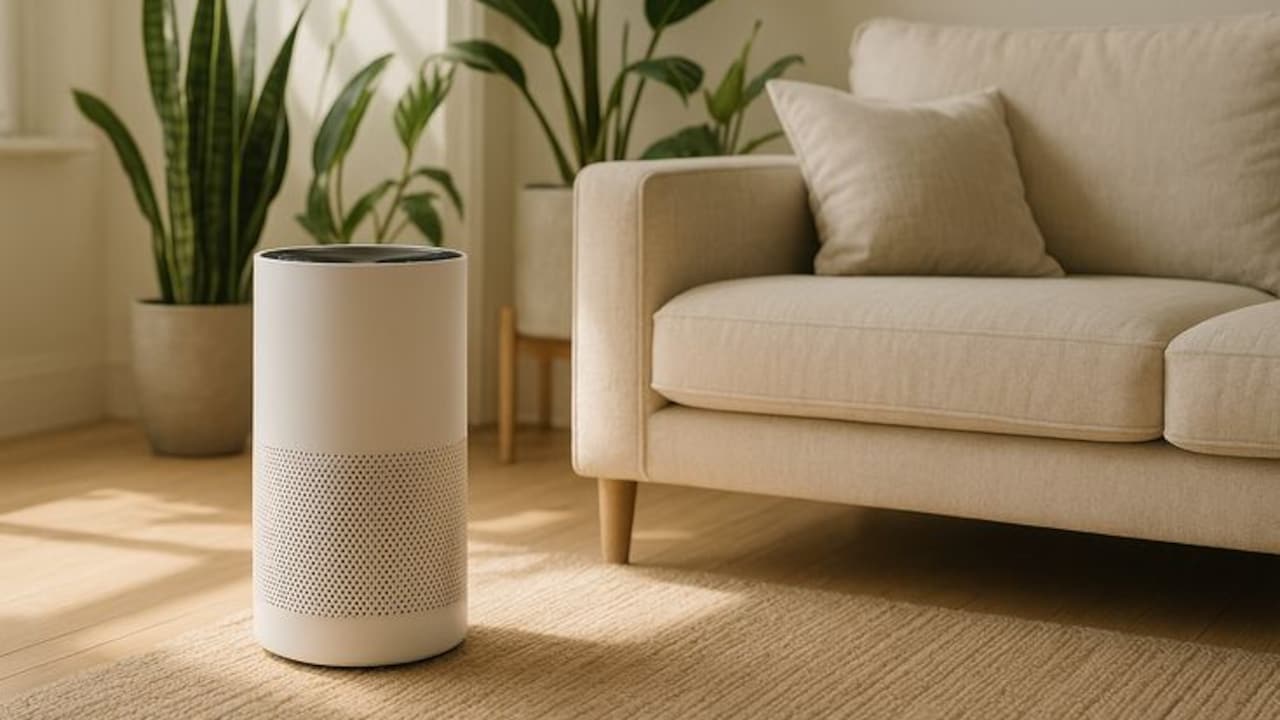
Can Air Purifiers Remove Settled Dust? Here Is the Truth
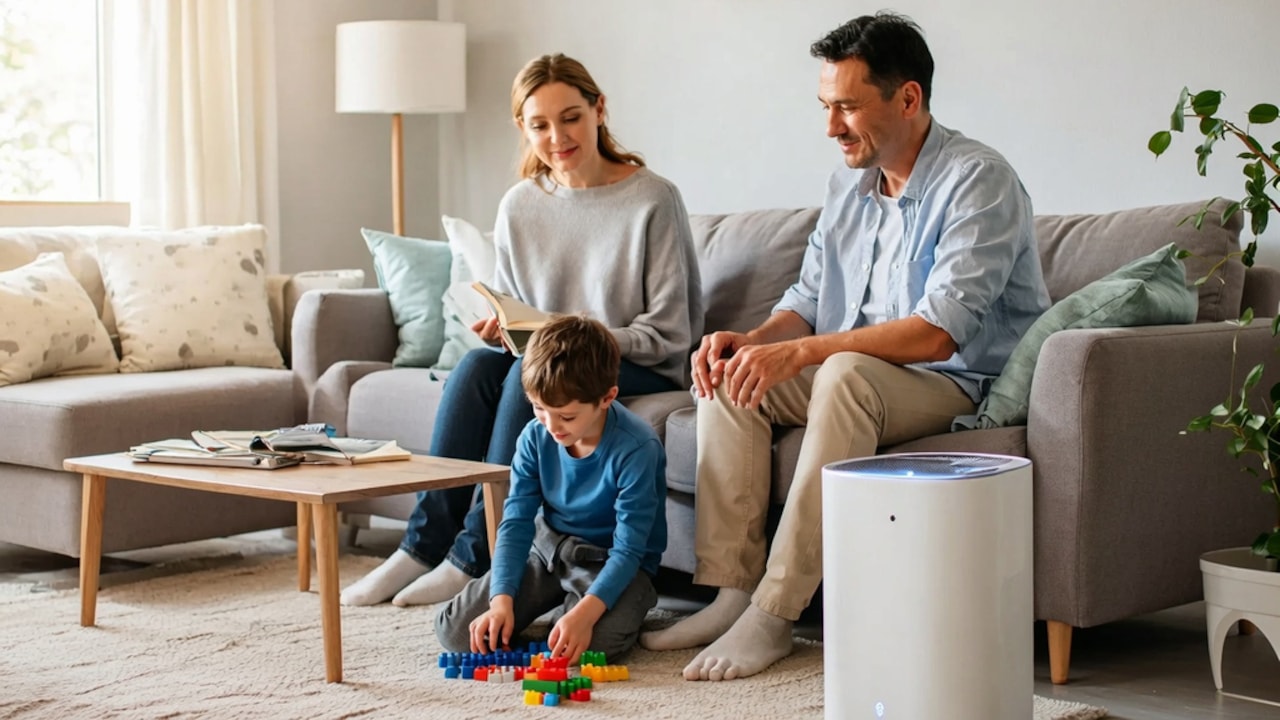
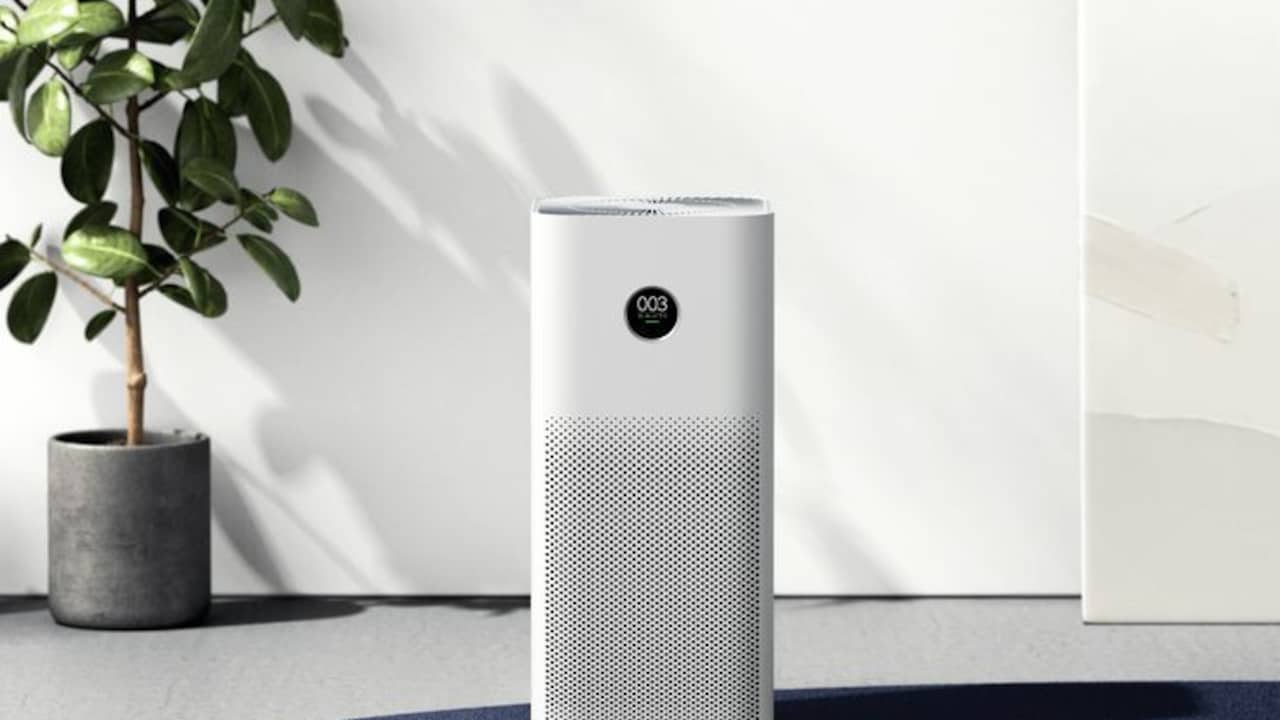
An air purifier often arrives at home with big expectations. The machine starts humming in a corner, the indicator glows reassuringly, and everyone waits for the room to become magically spotless. A few hours later, the coffee table still carries a fine grey film. The television screen still looks as though someone has sprinkled atta across it. Naturally, disappointment follows. The problem does not usually lie with the purifier. It lies with the job people expect it to perform. Air purifiers clean air that moves through them. They pull in airborne particles, pass the air through filters, and release cleaner air back into the room. Dust already settled on furniture does not travel through the machine. It stays where gravity, moisture and static electricity have placed it.
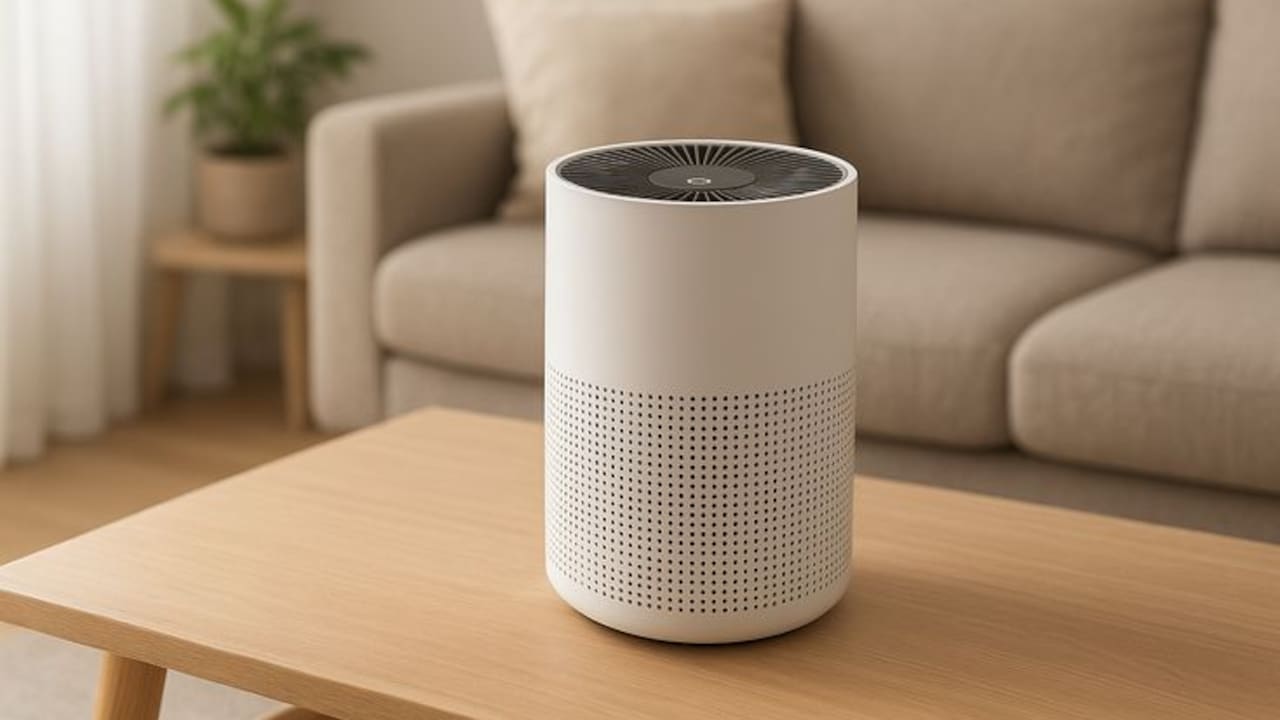
Can Air Purifiers Remove Settled Dust? Here Is the Truth; Photo Credit: Pexels
This distinction matters, especially in homes near busy roads, construction sites or open plots. Dust enters through windows, doors, footwear, clothes and ceiling gaps. A purifier can reduce the amount floating around, but it cannot behave like a vacuum cleaner, duster or helpful family member armed with a damp cloth. Here is why settled dust remains stubbornly outside an air purifier's reach.
Why Settled Dust Stays Beyond an Air Purifier's Reach
Air Purifiers Only Clean Air That Reaches Them
An air purifier works through circulation. Its fan draws nearby air into the unit, pushes that air through one or more filters and sends it back into the room. Any dust particle that enters this airflow may get trapped. A particle resting peacefully on a bookshelf, however, has no reason to move towards the machine.
Think of the purifier as a toll booth on a highway. It can inspect every vehicle that passes through, but it cannot do anything about a scooter parked in a side lane. Settled dust resembles that parked scooter. Unless air movement lifts it and carries it towards the purifier, it remains untouched.
Furniture also creates dead zones where air barely moves. The space behind a sofa, the top of a cupboard and the narrow gap beneath a bed receive little circulation. Even powerful machines struggle to influence these areas.
Placing the purifier sensibly improves airborne filtration, but no position allows it to pull dust directly from every surface. The machine needs moving air, and settled dust usually stays outside that moving stream.
Also Read: 10 Air Purifiers That Actually Work For Allergies In India
Gravity Pulls Dust Down Before Filters Catch It
Dust does not float forever. Larger particles eventually lose momentum and fall because of gravity. This explains why fan blades, window ledges and dining tables collect visible dust even when a purifier runs for several hours each day.
Air purifiers perform best against smaller particles that remain suspended for longer. Fine smoke, pollen, pet dander and microscopic pollution particles can circulate through a room and enter the filter. Heavier household dust often settles much faster. It may land on furniture before the purifier's airflow reaches it.
The speed of settling depends on particle size, air movement and humidity. A quiet room allows dust to descend steadily. A busy room keeps some of it floating through footsteps, fans and movement. Even then, plenty escapes filtration and lands on surfaces.
Gravity never takes a tea break. It keeps drawing particles downwards while the purifier depends on horizontal airflow. That creates an unavoidable gap between what the machine can capture and what the furniture collects.
The purifier reduces future settling, but it cannot reverse what gravity has already completed.
Settled Dust Sticks To Surfaces
Dust may look loose, but much of it clings surprisingly well. Static electricity, moisture, grease and surface texture can all help particles remain attached to furniture.
Television screens attract dust through static charge. Kitchen cabinets collect an oily layer from cooking vapours, and dust sticks to that film. Wooden furniture may have tiny grooves that hold particles. Fabric sofas trap debris between fibres. Once dust settles into these places, ordinary room airflow rarely lifts it again.
A purifier would need strong suction at the surface to remove such particles. Household air purifiers do not create that kind of local force. Their fans circulate air gently across the room. They avoid producing the aggressive suction found in vacuum cleaners because their purpose involves continuous air cleaning, not surface extraction.
Even placing a purifier beside a dusty table will not make the dust leap obediently into the intake vent. At best, the machine may catch particles disturbed during cleaning.
This sticking effect explains why a damp microfibre cloth works so well. It makes direct contact, loosens the layer and holds the dust instead of merely moving air around it.
Can Air Purifiers Remove Settled Dust? Here Is the Truth; Photo Credit: Pexels
Airflow Does Not Sweep Every Corner
Rooms contain complicated airflow patterns. Walls, curtains, beds, cupboards and sofas redirect moving air. Some areas receive a steady breeze, while others remain almost still.
An air purifier creates a circulation zone around itself, but that zone does not reach every surface equally. A machine placed near a wall may clean the open part of the room effectively while leaving the space behind large furniture relatively undisturbed. Curtains can block airflow. Tall cupboards can create pockets where dust settles quietly.
Ceiling fans and air conditioners add more movement, yet they do not guarantee complete circulation. In fact, they may push dust towards corners, under beds or onto high shelves. Anyone who has cleaned the top of a refrigerator knows how confidently dust can occupy places rarely visited by hands or airflow.
Manufacturers often mention room coverage, but coverage refers to air volume under particular conditions. It does not mean that the machine physically cleans every object inside that room.
Good placement helps. Keeping the purifier away from blocked corners improves performance. Still, even ideal airflow cannot scrub furniture. The machine circulates air; it does not sweep surfaces.
Filters Cannot Reach Beyond The Machine
HEPA filters can capture extremely small particles, but their impressive ability works only inside the purifier. The filter does not send out an invisible force that attracts dust from across the room.
This misunderstanding often comes from the way purifier performance gets described. Phrases such as “removes dust” may sound as though the unit cleans the entire room, including tables and shelves. In reality, the phrase means that the filter removes dust from air passing through the device.
A filter behaves like a fishing net placed in moving water. It catches what flows into it. It cannot catch a fish resting in a separate pond. In the same way, a HEPA filter cannot capture dust sitting on a dressing table unless that dust becomes airborne and reaches the intake.
The filter's quality still matters. A well-sealed machine with a genuine HEPA filter can greatly reduce fine airborne particles. Yet even the best filter cannot act beyond the physical boundaries of the purifier.
Technology may sound glamorous, but physics remains stubbornly practical. No matter how advanced the filter looks, it cannot travel around the room and wipe the furniture.
Household Activity Keeps Creating Fresh Dust
A home never stays completely still. Doors open, people walk around, clothes shed fibres, cushions release lint and footwear carries outdoor dirt inside. Cooking, sweeping, changing bedsheets and folding laundry can all add particles to the air.
This constant activity means the dust on furniture may not represent purifier failure. Some of it may have settled before the machine started. Some may come from larger debris that the purifier cannot pull across the room. Some may arrive when windows stay open or when family members move between rooms.
Morning routines provide a familiar example. Someone shakes a bedsheet, another person opens the balcony door, and a ceiling fan starts at full speed. Within minutes, particles travel through the room like commuters at a crowded railway station. The purifier may catch part of this cloud, but some dust settles almost immediately.
A purifier reduces the airborne load over time. It cannot stop people, fabrics and open spaces from generating new material.
Regular cleaning therefore remains essential. Without it, old dust stays in place while fresh dust joins the collection. The purifier helps control the problem, but daily life keeps adding new chapters.
Open Windows Can Overwhelm The Purifier
Fresh air feels pleasant, especially during cooler mornings or after rain. However, open windows can invite dust, pollen, vehicle fumes and construction particles into the room.
In many neighbourhoods, outdoor dust levels change throughout the day. A passing truck, road repair work or a nearby building project can send visible particles through balconies and window gaps. An air purifier may capture some of these particles while they remain airborne, but a steady inflow can exceed its cleaning speed.
Once those particles land on furniture, they move beyond the purifier's direct influence. The machine continues filtering the room air, while the newly arrived dust forms a quiet layer on tables, grills and decorative items.
This does not mean windows must remain sealed all year. Ventilation still matters. The practical approach involves timing it carefully. Opening windows when outdoor air appears cleaner and closing them during heavy traffic or dusty activity can reduce the burden.
Door gaps also matter. Dust can enter from corridors, staircases and balconies even when windows stay shut. Weather strips, clean curtains and regular floor cleaning can support the purifier.
A machine can process air repeatedly, but it cannot win easily against an endless outdoor supply.
The Purifier's Suction Is Too Gentle For Furniture
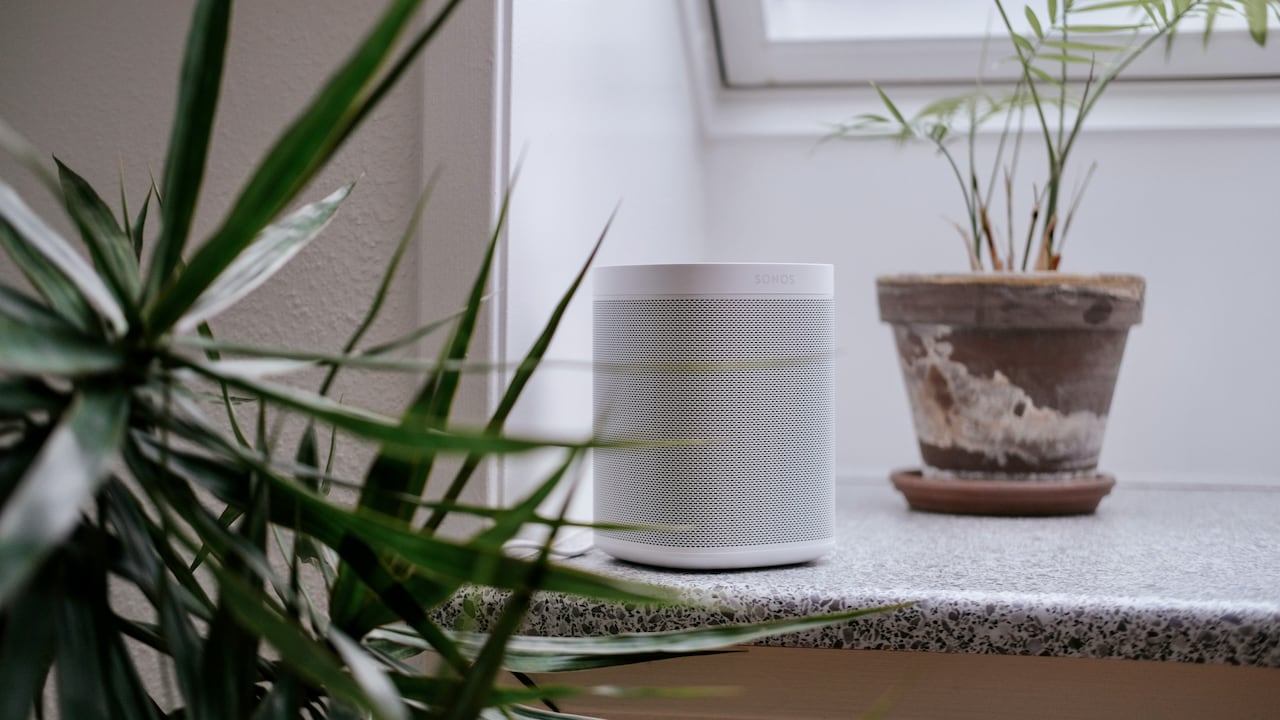
A vacuum cleaner uses concentrated suction through a narrow nozzle. This design lets it pull crumbs, hair and dust from carpets, sofas and corners. An air purifier uses a different approach. It moves a large amount of air steadily through a wider intake.
That airflow must remain comfortable and reasonably quiet. A purifier powerful enough to strip dust directly from furniture would create strong drafts, lift papers, disturb curtains and sound more like workshop equipment than a bedroom appliance.
The gentle suction also weakens rapidly with distance. Near the intake, air moves faster. A metre or two away, the pulling force becomes far less noticeable. By the time it reaches a dusty side table across the room, it cannot overcome the forces holding the particles down.
This difference explains why holding a hand near the purifier feels mildly breezy, while placing a hand near a vacuum hose produces a strong pull.
Both machines deal with dust, but they use completely different methods. The purifier manages suspended particles. The vacuum cleaner tackles surfaces.
Expecting one to perform the other's role resembles asking a mixer grinder to toast bread. Both belong in the kitchen, but their talents do not overlap.
Can Air Purifiers Remove Settled Dust? Here Is the Truth; Photo Credit: Pexels
Dusting Can Temporarily Increase Airborne Particles
Cleaning furniture often sends dust back into the air. A dry cloth, feather duster or vigorous broom may lift particles and spread them around the room. This moment gives the purifier a chance to capture some of the disturbed dust.
Running the purifier during and after cleaning can therefore help. It may trap fine particles that escape the cloth or vacuum cleaner. However, this does not mean the purifier removed the original settled layer by itself. The cleaning action loosened the dust first.
A damp microfibre cloth usually performs better than a dry duster because it holds particles instead of scattering them. A vacuum cleaner with a suitable filter can also remove dust from upholstery and corners without releasing too much back into the room.
The purifier works best as a supporting player in this routine. Let it run at a higher speed during cleaning and continue for some time afterwards. Keep the door closed where practical so the machine can process the disturbed air more effectively.
This partnership brings better results than relying on one appliance. The cloth removes the visible layer, while the purifier catches what tries to escape.
Air Purifiers Reduce Future Dust, Not Existing Layers
Although an air purifier cannot clean settled furniture, it can reduce how quickly new dust accumulates. By trapping suspended particles before they fall, the machine lowers the amount that eventually lands on surfaces.
The improvement may appear gradual rather than dramatic. A table that needed dusting every day may stay cleaner for longer. Dark furniture may show fewer fine particles. People sensitive to dust may notice less irritation even when some visible dust remains.
Results depend on purifier size, filter condition, room layout, outdoor pollution and household habits. A clogged filter moves less air and captures fewer particles. A unit designed for a small bedroom may struggle in a large living room. Open doors and windows also reduce its impact.
Regular filter checks matter. Pre-filters often collect larger dust and hair, while the main filter handles finer material. Cleaning or replacing them according to the manufacturer's instructions keeps airflow strong.
The realistic benefit lies in prevention. The purifier can intercept part of the dust before it settles, but it cannot erase yesterday's layer. A quick wipe provides the clean start; continuous filtration helps preserve it.
Products Related To This Article
1. Coway Airmega 150 (Ap-1019C) Air Purifier For Home
2. Philips Air Purifier AC2220, CADR 420m³/h
3. LEVOIT Core Mini Air Purifier for Coverage Area 183 Sq Ft
4. Xiaomi 4 Lite Smart Air Purifier for Home
5. CUCKOO Respure Copper Air Purifier For Home
6. Shark HP300 Air Purifier |1400 sq.ft Coverage
7. Honeywell Air Purifier for Home & Office, 3-in-1
Air purifiers remain valuable household appliances, but they cannot replace surface cleaning. Their fans draw in airborne particles, and their filters trap whatever enters the machine. Dust already resting on furniture sits outside that process.
Gravity pulls larger particles down. Static electricity, moisture and grease help them stick. Furniture blocks airflow, while open windows and everyday activity keep adding fresh dust. Even a powerful purifier lacks the concentrated suction needed to lift debris from tables, shelves, curtains or sofas.
The best results come from teamwork. Use a damp microfibre cloth for furniture, a vacuum cleaner for fabrics and corners, and an air purifier for suspended particles. Run the purifier during and after cleaning so it can catch dust that returns to the air. Keep filters clean, place the machine in an open area and manage outdoor dust where possible.
A purifier will not turn a dusty tabletop into a gleaming one overnight. It can, however, slow down the next layer, improve indoor air quality and make routine cleaning feel less endless. That may not sound like magic, but in a busy home, it comes pleasantly close.
(Disclaimer: This article may include references to or features of products and services made available through affiliate marketing campaigns. NDTV Convergence Limited (“NDTV”) strives to maintain editorial independence while participating in such campaigns. NDTV does not assume responsibility for the performance or claims of any featured products or services.)