How To Choose Between A Handheld And Standing Garment Steamer
Confused between a handheld and standing garment steamer? Compare portability, steam power, tank size, storage, fabric needs and budget to find the right fit for your wardrobe.
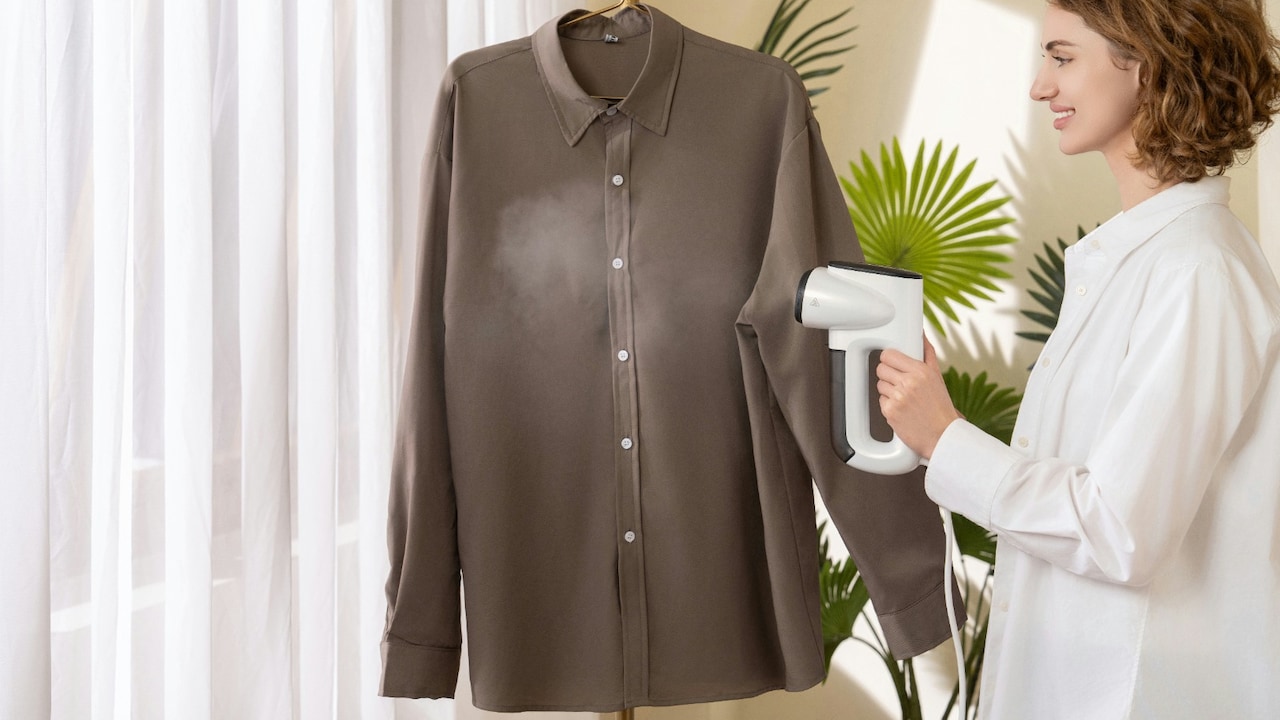
How To Choose Between A Handheld And Standing Garment Steamer
Few things test patience like discovering a wrinkled outfit ten minutes before leaving home. The shirt looked perfectly respectable inside the cupboard, but under proper light, it suddenly resembles a road map. Setting up an ironing board can feel excessive, especially when the cab has already arrived, or the family is waiting near the door. This is where garment steamers earn their place. They release hot vapour that relaxes fabric fibres, helping creases fall away without pressing the garment against a flat surface. They work especially well on flowing dresses, kurtas, jackets, sarees, curtains and fabrics that do not enjoy direct contact with a hot iron.
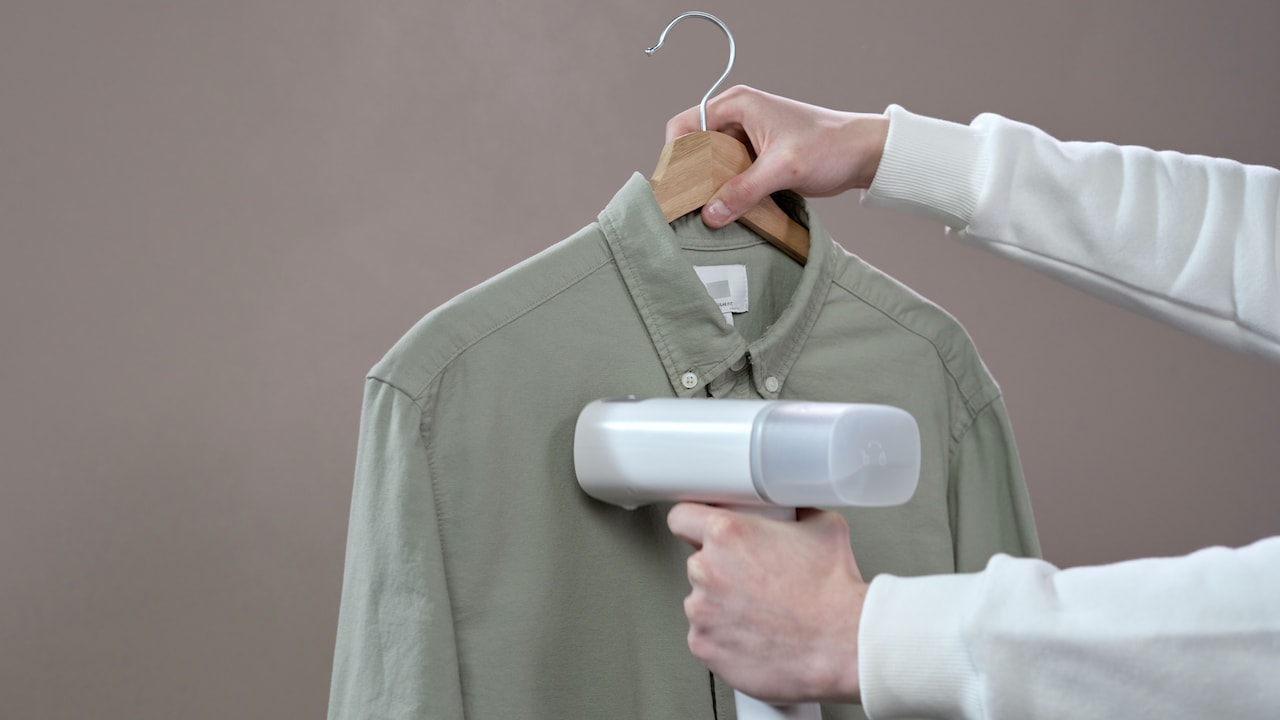
How To Choose Between A Handheld And Standing Garment Steamer; Photo Credit: Pexels
The difficult part is deciding which type to buy. A handheld garment steamer is compact, quick and easy to carry. A standing garment steamer, often called an upright steamer, comes with a larger water tank, a hose and a built-in pole for hanging clothes. It usually offers stronger and longer-lasting steam. Neither option wins every contest. The right choice depends on how often you steam, what you wear, how much storage space you have and how hurried your mornings tend to be. The following ten factors can make that decision far easier.
Key Factors To Consider Before Choosing A Garment Steamer
Consider How Often You Steam Clothes
The frequency of use should shape the decision before features, colours or discounts enter the picture. A handheld garment steamer suits occasional users who need to remove light creases before work, dinner or a family function. It heats quickly, handles one or two garments well and can return to a drawer once the job is done.
A standing steamer makes more sense for frequent steaming. It suits households where several people prepare clothes every morning or where formal wear appears regularly. Its larger water tank allows longer sessions, so there is less need to stop halfway and refill it.
Think about a typical week rather than an unusually busy wedding season. Someone who steams a shirt twice a week may find a large upright model unnecessary. On the other hand, a person who refreshes office wear, dupattas, dresses and children's uniforms almost daily may soon grow tired of a small tank.
Convenience changes with repetition. Holding a lightweight device for five minutes feels easy. Refilling it four times while steaming an entire wardrobe does not. Choose the machine that matches normal habits, not an imaginary lifestyle inspired by a glossy product advertisement.
Also Read: 5 Best Portable Steamers For Clothes Under ₹3000
Check The Available Storage Space
Storage often settles the debate faster than technical specifications. A handheld steamer can fit inside a cupboard, dressing-table drawer or travel bag. It works well in flats, hostels and homes where every shelf already has three responsibilities. Once cooled, it disappears without demanding a permanent corner.
A standing garment steamer needs more room. It includes a base, a water tank, a hose and a vertical pole. Some models allow the pole to collapse, but the unit still occupies floor space. It may fit beside a wardrobe or behind a bedroom door, though it rarely becomes completely invisible.
Before buying, look at the actual area where the steamer will stay. Product photographs can make an upright model appear surprisingly slim, especially when it stands alone in a spotless studio. Real homes contain shoe racks, laundry baskets, suitcases, and the mysterious chair that holds clothes no one is ready to wash.
A standing model can still work in a compact home if it replaces an ironing board. However, it should have a clear parking spot. A machine that must be assembled, shifted, and untangled every time may quickly lose its charm. The best appliance is not merely powerful. It is easy to reach and simple to put away.
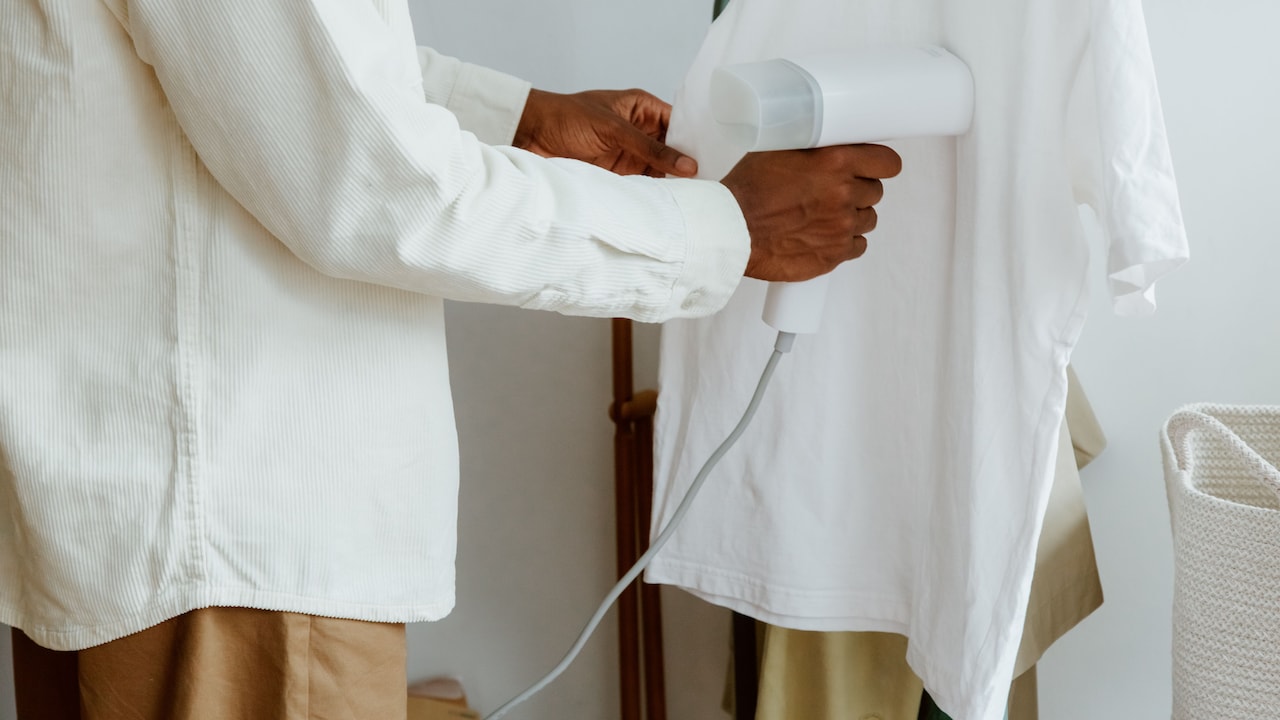
How To Choose Between A Handheld And Standing Garment Steamer; Photo Credit: Pexels
Think About Portability And Travel
Frequent travellers usually benefit more from a handheld steamer. Compact models slide into luggage and can rescue clothes after a train journey, flight or tightly packed car ride. They are useful for business trips, destination weddings and holidays where hotel irons are unavailable or slightly terrifying.
Weight matters as much as size. Some handheld steamers look travel-friendly but become bulky once the water tank is filled. Check the product weight and tank capacity together. A lighter model with a comfortable handle will feel easier to use in a hotel room, especially when steaming several outfits.
Standing steamers are designed for home use. Moving one from room to room is possible if it has wheels, but carrying it on a trip is impractical. Even transporting it to another house can feel like shifting a small piece of furniture.
Travellers should also examine voltage requirements and plug compatibility before using a steamer abroad. Within the country, this is rarely an issue, but overseas use may require a suitable converter or adaptor.
For someone who regularly attends outstation meetings or celebrations, portability can outweigh raw steam power. A slightly less powerful machine in the suitcase is more useful than an impressive standing unit waiting at home while a linen shirt develops dramatic folds.
Compare Water Tank Capacity
Water tank size affects how long a steamer can run before it needs attention. Handheld steamers usually have smaller tanks, which keeps them light and compact. This is ideal for one or two garments. However, the tank may empty quickly during longer sessions, forcing repeated refills.
Standing steamers hold much more water. Many can run continuously for an extended period, making them suitable for several outfits, curtains or large pieces of fabric. The larger tank also reduces interruptions, which matters when the household is preparing for a ceremony, and every garment seems to have emerged from storage with fresh wrinkles.
Capacity alone does not tell the whole story. A tank should also be easy to remove, fill and clean. A wide opening helps prevent spills around the sink. Clear markings allow users to check the water level without guessing.
Consider how much clothing normally needs steaming at one time. A small tank is efficient for quick touch-ups. A large tank is convenient for batch work. Buying more capacity than necessary can add bulk, while buying too little can turn a simple task into a refill marathon.
Also check whether the manufacturer recommends filtered or distilled water. Hard water can cause mineral build-up, so regular cleaning remains essential regardless of tank size.
Evaluate Steam Output And Performance
Steam output determines how effectively a machine tackles creases. Handheld steamers generally produce a lighter flow, which works well on thin cotton, polyester blends, dresses and everyday clothing. Better models can handle thicker materials, but progress may take longer.
Standing steamers usually provide stronger, steadier steam. This helps when working with jackets, layered garments, heavy curtains and stubborn wrinkles. The continuous flow also makes the movement smoother because there is less waiting for the machine to recover between bursts.
Look for performance details such as steam rate, heat-up time and continuous steam duration. A fast heat-up time is useful during rushed mornings, while a higher steam rate can improve results on dense fabric. Still, large numbers on a box do not always guarantee a better experience. A well-designed steam head and consistent heat can matter more than an impressive claim.
Technique also influences performance. Moving the head slowly, keeping the fabric slightly taut and steaming from the inside can improve results. No garment steamer behaves exactly like a heavy iron, so extremely sharp trouser creases may still require pressing.
Choose a handheld model for light, quick wrinkle removal. Choose a standing model when stronger steam and repeated performance matter more than compactness.
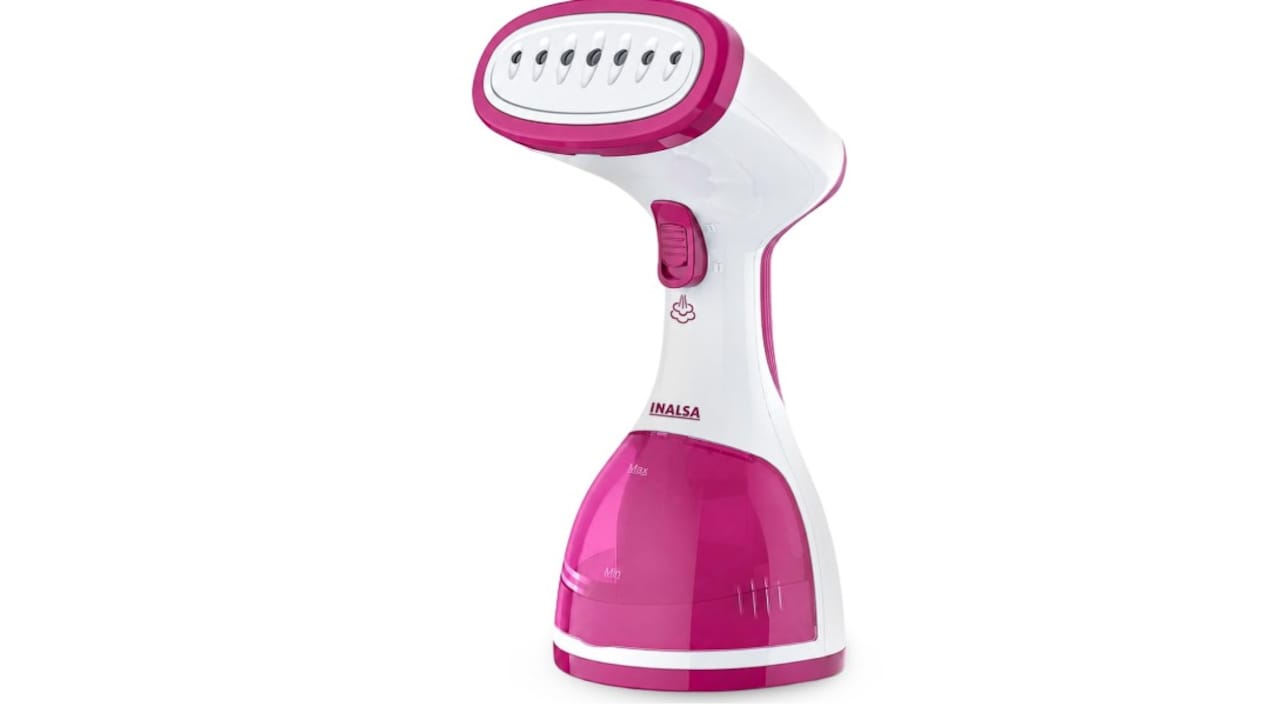
How To Choose Between A Handheld And Standing Garment Steamer; Photo Credit: Pexels
Match The Steamer To Your Wardrobe
The clothes inside the wardrobe offer valuable clues. A collection dominated by casual shirts, tops, lightweight kurtas and synthetic blends will usually pair well with a handheld steamer. These garments respond quickly to steam and rarely demand long sessions.
A wardrobe filled with formal suits, elaborate occasion wear, long dresses, sarees or layered outfits may justify a standing steamer. The upright pole provides space to hang garments properly, while the stronger steam helps smooth larger surfaces. It can also refresh clothes that are difficult to place on an ironing board.
Delicate fabrics deserve extra care. Silk, chiffon, velvet and embellished clothing can benefit from steaming because there is no heavy pressing. However, the steam head should not sit too close to sensitive material. Testing a hidden area first remains a sensible habit.
Also consider garment length. Steaming a full-length dress with a small handheld model is possible, but the process can become tiring. An upright unit offers better height and movement.
The goal is not to buy the most powerful steamer available. It is to choose one that suits the fabrics worn most often. A machine should complement the wardrobe rather than become another appliance that appears only during annual cupboard cleaning.
Consider Comfort During Use
A garment steamer may sound effortless, but comfort changes after several minutes of use. Handheld models place the full weight of the machine and water in one hand. For quick touch-ups, this feels manageable. During longer sessions, the wrist and shoulder may begin to complain.
Handle shape, button placement, and weight distribution deserve attention. A model that feels light when empty may become noticeably heavier after filling. An ergonomic grip can make a meaningful difference, especially for older users or anyone with limited hand strength.
Standing steamers reduce the weight carried in the hand because the water stays in the base. The user only holds the steam head. This makes longer sessions more comfortable. The built-in hanger and adjustable pole also keep garments at a practical height, reducing the need to bend or stretch.
However, upright models come with a hose that can twist or become hot. A flexible, well-insulated hose improves movement. Wheels also help when the unit must travel between rooms.
Think about who will use the steamer most often. A compact machine may look convenient but prove uncomfortable during regular use. Comfort is easy to overlook in a shop and impossible to ignore during a twenty-minute steaming session before a crowded family celebration.
Look At Heating Time And Convenience
Speed matters when steaming becomes part of the morning routine. Handheld steamers often heat within a minute, making them useful for last-minute emergencies. Plug in, wait briefly and deal with the crease that somehow appeared across the front of a freshly washed shirt.
Standing steamers may take slightly longer, although many modern models also heat quickly. Their advantage appears after the initial wait. Once ready, they can steam several garments without frequent pauses or refills.
Convenience includes more than heating speed. Check the cord length, tank design, steam controls and ease of assembly. A short cord may force awkward furniture rearrangements. A complicated tank cap can lead to wet floors. A steamer that leaks when tilted can turn a simple task into a minor domestic crisis.
Automatic shut-off is another useful feature. It protects the appliance when the tank empties or when the machine sits unused. Heat-resistant gloves, fabric brushes and crease attachments can also add value, though they should not distract from basic performance.
For rushed users, a handheld model offers quick readiness. For planned wardrobe preparation, a standing unit may feel more organised. The best choice removes friction from the routine rather than adding another set of instructions to remember.
Set A Realistic Budget
Garment steamers are available across a wide price range. Basic handheld models may cost around ₹1,000 to ₹2,500, while more advanced versions with stronger steam and better build quality can cost more. Standing garment steamers often begin around ₹3,000 and can rise beyond ₹10,000 depending on tank size, power and added features.
A lower price can be attractive, but reliability matters when heat and water work together inside a small appliance. Check the warranty, service availability and quality of the water tank, cord and steam head. A cheap model that leaks, spits water or stops heating after a few months offers poor value.
At the same time, avoid paying for features that will remain unused. Multiple steam settings, digital displays and specialised accessories may sound impressive, but they are unnecessary for someone who only refreshes two office shirts each week.
Calculate value through frequency. A dependable ₹4,000 standing steamer may be worthwhile for daily household use. A ₹1,500 handheld model may offer better value for occasional steaming and travel.
Budget for maintenance as well. Descaling products, filtered water and replacement accessories can add small costs over time. The aim is not to find the cheapest steamer. It is to find the most suitable one at a sensible price.
Review Maintenance And Safety Features
Regular maintenance keeps a garment steamer effective and safe. Mineral deposits can collect inside the tank and steam channels, especially in areas with hard water. Over time, this may reduce steam output or cause white residue to appear on clothing.
Handheld models are usually easier to empty and store, but their narrow tanks can be difficult to clean. Standing steamers have larger removable tanks, which often simplifies rinsing. However, the hose and steam head may also need occasional cleaning.
Check the manufacturer's descaling instructions before purchase. Some models include self-cleaning functions, while others require a simple water-and-vinegar process. Never assume the same method suits every appliance.
Safety features should include automatic shut-off, heat-resistant materials and a stable base. A standing unit should not wobble when the pole holds a heavy garment. A handheld model should have a secure tank lock to prevent hot water leaks.
Keep the steamer away from children and pets during use. Steam can cause serious burns even when it looks harmless. Allow the appliance to cool before storing it, and never point the steam head towards skin.
A well-maintained steamer performs better, lasts longer and causes fewer unpleasant surprises on a busy morning.
Products Related To This Article
1. NUUK STROM GO V2 Super Compact and Lightweight Travel Garment Steamer For Clothes
2. Rossmann Garment Steamer | 2400 Watts Ultra High Pressure Steam
3. OWNAIR Steam Iron Handheld for Clothes
4. Laurastar IZZI Plus 2-in-1 Garment & Surface Steamer
5. AGARO Signify Handheld Garment Steamer
6. Goodscity Garment Steamer for Clothes
7. PHILIPS STH 5030/20 Handheld Garment Steamer
Choosing between a handheld and standing garment steamer becomes easier once daily habits take centre stage. A handheld model suits travellers, occasional users and compact homes. It heats quickly, stores easily and handles light garments without much fuss. It is the practical choice for quick touch-ups and sudden wardrobe emergencies.
A standing garment steamer suits frequent use, larger households and wardrobes filled with long, layered or formal clothing. Its bigger tank, stronger steam and built-in hanging system make extended sessions more comfortable. It needs more storage space and a larger budget, but it can save time when several garments require attention.
Consider frequency, storage, portability, tank capacity, steam performance, fabric type, comfort, convenience, price and maintenance. These factors reveal far more than a flashy product page.
The right garment steamer should feel like a quiet household helper. It should not demand complicated preparation or occupy valuable space without purpose. Whether compact or upright, the best model is the one that fits naturally into everyday life and helps clothes look polished before the doorbell rings, the cab arrives or someone announces that everyone should have left five minutes ago.
(Disclaimer: This article may include references to or features of products and services made available through affiliate marketing campaigns. NDTV Convergence Limited (“NDTV”) strives to maintain editorial independence while participating in such campaigns. NDTV does not assume responsibility for the performance or claims of any featured products or services.)