Why Water Purifier TDS Readings Change After Filter Replacement
TDS readings may rise, fall or fluctuate after filter replacement due to new membranes, mineral cartridges, trapped air, pressure changes or variations in source water.
Why Water Purifier TDS Readings Change After Filter Replacement
Few household appliances attract as much quiet scrutiny as a water purifier. It sits in a corner, hums occasionally and performs a job that affects every glass of water, cup of tea and pressure cooker whistle in the home. Most days, nobody gives it a second thought. Then a technician replaces the filters, checks the machine and leaves. Someone tests the water afterwards, and the TDS reading looks completely different. That small number can trigger a surprisingly large wave of concern. A purifier that previously showed 90 ppm may suddenly display 140 ppm. Another machine may fall from 180 ppm to 45 ppm. Sometimes the reading changes from one glass to the next. The natural reaction is to wonder whether the new filters are defective, the technician altered something incorrectly or the purifier has started releasing impurities.
Why Water Purifier TDS Readings Change After Filter Replacement; Photo Credit: Pexels
The truth is usually less dramatic. TDS, or Total Dissolved Solids, depends on several moving parts. Filter condition, membrane performance, water temperature, source-water quality and purifier settings can all influence the final number. After replacement, these factors often behave differently for a short period. A changed TDS reading does not automatically mean unsafe water. It simply means something in the purification process has changed. The following ten reasons explain why this happens and when the reading deserves closer attention.
Common Reasons Behind Changing TDS Readings
1. The New RO Membrane Works More Efficiently
The reverse osmosis membrane plays the biggest role in controlling TDS. Over time, an old membrane may lose its ability to block dissolved salts. Minerals begin to pass through more easily, so the purified water gradually shows a higher reading. The increase often happens so slowly that nobody notices until the membrane gets replaced.
A new membrane usually removes dissolved solids far more efficiently. As a result, the TDS reading may drop sharply after servicing. Water that measured 160 ppm before replacement may fall to 60 ppm or even lower, depending on the source water and purifier design.
This sudden improvement can look suspicious, although it often shows that the new membrane is doing its job. Think of it like replacing an old kitchen sieve. The worn one lets fine particles slip through, while the new one catches much more.
However, an extremely low reading may not always suit taste preferences. Water with very little mineral content can taste flat or slightly sharp. Many modern purifiers therefore include mineral cartridges or TDS controllers to balance purity and flavour. A lower reading after membrane replacement is usually expected, but the final level should still match the purifier's intended settings.
Also Read: Clean Water, Smart Budget: 5 Top-Rated Water Purifiers Under ₹5,000
2. The TDS Controller May Have Been Readjusted
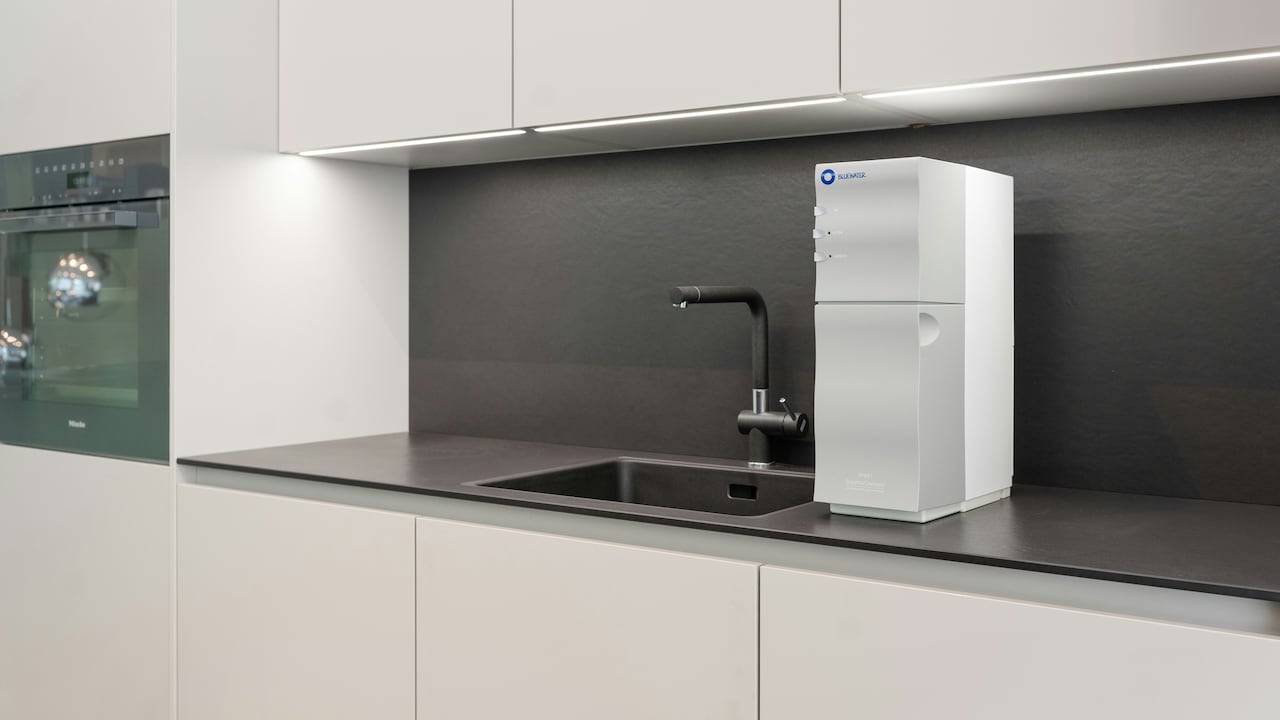
Many RO purifiers use a TDS controller, sometimes called a mixing valve. This small component blends a controlled amount of filtered water with RO-purified water. Its purpose is to retain some minerals and improve the taste.
During filter replacement, the technician may adjust this valve. Even a slight turn can make a noticeable difference. Opening the controller allows more mineral-rich water into the final output, which raises TDS. Closing it reduces the blend and lowers the reading.
This adjustment explains why two purifiers with the same source water can produce very different results. One family may prefer water around 80 ppm, while another finds 130 ppm more pleasant. Taste, local water quality and the purifier model all shape the chosen setting.
Problems arise when the controller gets changed without explanation. A homeowner may see a higher reading and assume the new filters have failed. In reality, the technician may have adjusted the setting to improve taste or prevent excessively low mineral levels.
The sensible approach is to ask what setting was changed during servicing. A stable reading within the machine's recommended range usually causes no concern. Wild fluctuations, however, may suggest that the valve needs another inspection.
Why Water Purifier TDS Readings Change After Filter Replacement; Photo Credit: Pexels
3. Fresh Filters Need Time To Flush Properly
New filters often contain harmless manufacturing residue, fine carbon dust or trapped particles from packing and transport. These materials do not necessarily indicate poor quality, but they can affect water taste, appearance and TDS during the first few cycles.
Activated carbon filters commonly release tiny black or grey particles when first installed. Most remain invisible, yet they may slightly alter the reading. Mineral cartridges can also release minerals more strongly at the beginning. The effect usually settles after enough water passes through the purifier.
That is why technicians often recommend discarding the first full tank, and sometimes the next one as well. Skipping this step can produce unusual results. The first glass may show a higher TDS, the second may fall and the third may shift again. It feels rather like the purifier cannot make up its mind.
Proper flushing gives the filters time to stabilise. It also clears trapped air and loose particles from the system. The exact flushing requirement depends on the purifier and filter type, so the manufacturer's guidance matters.
A changed reading immediately after replacement rarely tells the full story. Testing after two or three complete purification cycles provides a far more reliable picture.
4. The Mineral Cartridge Changes The Final Reading
Many households prefer water that tastes natural rather than completely stripped of minerals. To achieve this, purifier brands often add mineral cartridges, alkaline filters or copper-infused stages after the RO membrane.
These cartridges deliberately release selected minerals into the purified water. When a fresh cartridge replaces an exhausted one, the TDS reading may rise. The old cartridge may have added very little towards the end of its life, while the new one contributes more actively.
This increase often creates confusion because people expect every new filter to reduce TDS. Yet not every filter performs the same task. The RO membrane lowers dissolved solids, while a mineral cartridge may add a controlled quantity back into the water.
Fresh cartridges can also release minerals unevenly during the first few days. One test may show 90 ppm and another 115 ppm. The variation usually becomes smaller after regular use.
Taste offers an additional clue. If the water feels smoother, slightly sweeter or less flat after replacement, the mineral stage may be working as intended. A moderate rise in TDS does not automatically signal contamination. It may reflect the purifier's effort to balance purification with drinkability, rather than serving water that tastes like it has lost its personality.
5. Source-Water TDS May Have Changed
The purifier does not work with the same water every day. Municipal supply, borewell water and tanker water can vary considerably, sometimes within the same week. Seasonal changes, pipeline repairs, groundwater levels and rainfall can all alter the source-water TDS.
Suppose the purifier produced 100 ppm before servicing. A week later, the source supply may become more mineral-heavy. Even with new filters, the purified reading could rise to 130 ppm. The timing makes the filter replacement look responsible, although the incoming water has actually changed.
This happens frequently in housing societies that switch between municipal water and private tankers. The morning supply may come from one source, while the evening supply comes from another. Each source can carry a different dissolved mineral load.
Testing only the purified water gives half the picture. The source water should also be checked. Comparing both readings reveals how effectively the purifier reduces TDS. For example, output at 120 ppm may seem high until the source water shows 900 ppm.
A purifier's performance should therefore be judged by consistency and reduction rate, not by one isolated number. The water entering the machine matters just as much as the filters working inside it.
6. Air Trapped Inside The System Affects Early Readings
Filter replacement usually requires opening housings, disconnecting tubes and draining parts of the purifier. Air enters the system during this process. Once the machine starts again, that trapped air travels through pipes, filters and the storage tank.
Air bubbles can disturb water flow and create temporary fluctuations in pressure. RO membranes depend heavily on stable pressure, so any disturbance may change how efficiently they reject dissolved salts. The result may be an unusual TDS reading during the first few purification cycles.
Water may also appear cloudy for a few seconds after pouring. In many cases, this cloudiness comes from tiny air bubbles rather than impurities. The bubbles rise and disappear if the glass rests for a minute.
The purifier may produce odd sounds as well. Gurgling, spluttering or short bursts of flow often occur while the air escapes. These symptoms should gradually reduce with regular use.
Running the purifier, emptying the first tank and allowing it to refill usually solves the issue. If the noise, cloudiness or unstable TDS continues for several days, a loose connection or pressure problem may need attention. Most early air-related changes, however, remain temporary and harmless.
Why Water Purifier TDS Readings Change After Filter Replacement; Photo Credit: Pexels
7. Water Pressure Changes Membrane Performance
An RO membrane needs sufficient pressure to push water through its extremely fine surface. If the pressure changes after servicing, the TDS reading may change too.
A technician may replace a clogged pre-filter, clean a blocked pipe or repair the booster pump. These steps improve water pressure, allowing the membrane to work more effectively. Better pressure often lowers the final TDS because the system separates dissolved salts more efficiently.
The opposite can also happen. A loosely fitted tube, weak pump or blocked sediment filter may reduce pressure. The purifier may then produce water more slowly and allow a higher proportion of dissolved solids to pass through.
Pressure-related changes often come with other clues. The storage tank may take longer to fill. Wastewater flow may seem unusually high or low. The purifier may start and stop more often than before.
Homes on upper floors sometimes experience pressure changes throughout the day. Morning supply may feel strong, while afternoon pressure drops. That variation can influence purifier output even when the filters remain in perfect condition.
A single TDS reading cannot diagnose pressure trouble. However, a changed reading combined with slow filling, unusual pump noise or weak water flow deserves a technician's inspection.
8. The Storage Tank Still Contains Older Water
Filter replacement does not always remove every drop of water from the storage tank. Older purified water may remain inside and mix with freshly filtered water. This mixture can produce confusing readings.
Imagine the old water measures 150 ppm and the new output measures 70 ppm. The first tank after servicing may show something in between. As more fresh water enters, the reading gradually falls. The purifier appears inconsistent, although the tank is simply replacing the earlier water little by little.
The same effect occurs when technicians test the machine immediately after installation. Water sitting in internal pipes and chambers may still reflect the previous filter condition.
Emptying the tank completely before testing gives a clearer result. After that, the purifier should refill under normal operating conditions. Testing water from the second full tank often provides a more accurate reading than testing the first glass after service.
Storage tanks can also collect residue when they have not been cleaned for a long time. A filter change may improve purification, but old deposits inside the tank can still influence taste and readings. Periodic tank cleaning helps prevent this mismatch and keeps the entire system, not just the replaceable filters, in good condition.
9. Temperature Changes The TDS Meter Reading
TDS meters estimate dissolved solids by measuring electrical conductivity. Water temperature affects conductivity, so readings can shift even when the actual mineral content stays nearly the same.
Warm water generally conducts electricity more easily than cold water. Better-quality meters use automatic temperature compensation, but budget devices may not correct the reading accurately. This can create differences between a glass tested straight from the purifier and another tested after sitting in a warm kitchen.
The meter itself also needs a few seconds to stabilise. Dipping it into water and reading the display immediately may give a misleading number. The probe should remain submerged without touching the glass, and the reading should settle before anyone records it.
A wet or dirty probe can create further variation. Testing source water and then purified water without rinsing the meter may carry minerals from one sample into the next. Even the glass matters. Soap residue, salt or a few drops of earlier water can alter the result.
For useful comparisons, every test should follow the same method. Use a clean glass, rinse the probe, test at a similar temperature and wait for the number to stabilise. Otherwise, the meter may create more suspense than the purifier.
10. Incorrect Installation Can Cause Genuine Problems
Most TDS changes after filter replacement have simple explanations, but installation mistakes can occur. A reversed filter, loose tube, damaged membrane seal or incorrect connection may affect purification performance.
If the membrane does not sit properly inside its housing, untreated water may bypass it. The output TDS may then remain unusually high. A damaged O-ring can cause a similar problem. In other cases, the technician may install an incompatible filter or forget to remove protective packaging from a cartridge.
Warning signs usually extend beyond one changed number. Water may taste salty, metallic or strongly chemical. The purifier may leak, vibrate excessively or take far too long to fill. The TDS may swing dramatically every few minutes instead of settling after normal flushing.
A comparison between source-water and purified-water readings helps identify serious trouble. If the source measures 800 ppm and the purifier produces 700 ppm after a membrane replacement, the system clearly needs attention. A properly functioning RO purifier should show a meaningful reduction.
Do not keep adjusting valves in search of a perfect number. Contact a qualified service professional, share both readings and request a complete flow, pressure and membrane check.
Products Related To This Article
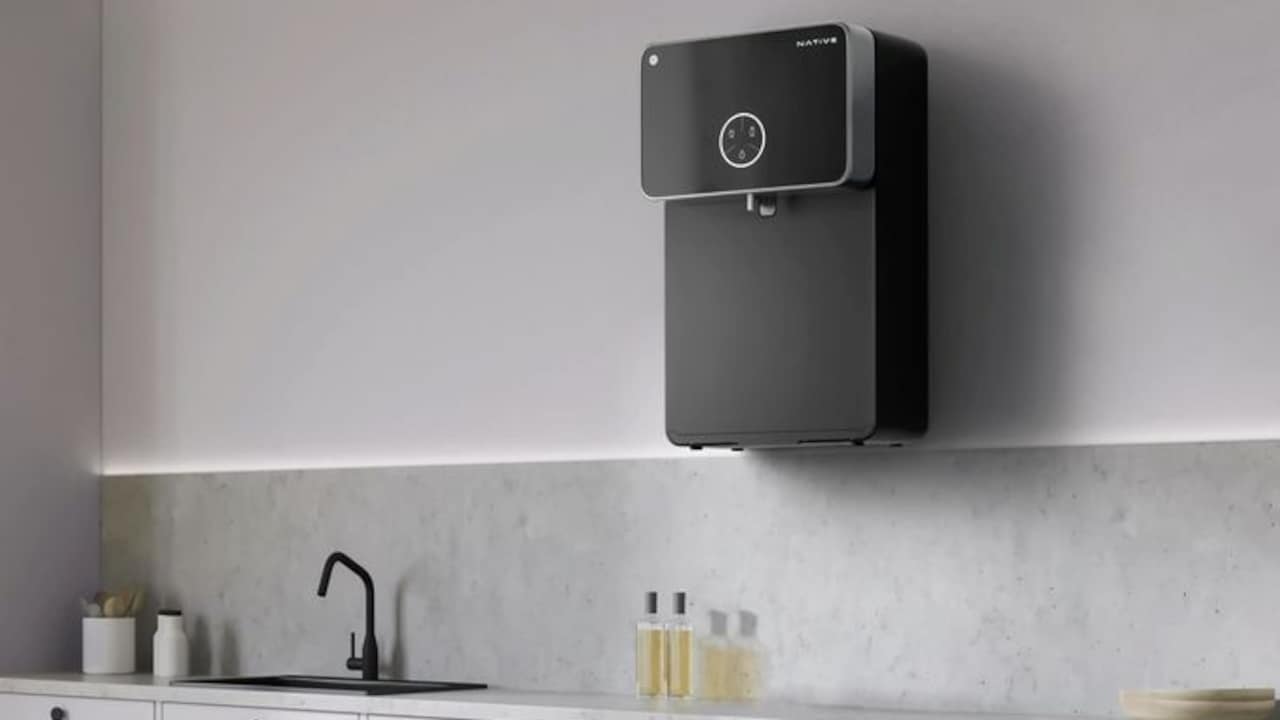
1. Native M1 Pro Water Purifier by Urban Company
2. Pureit Eco Elite 2X RO Purifier with RO+UV+MF+Alkaline Filtration
3. AQUA D PURE 4 in 1 Copper RO Water Purifier with 10 Stage Purification Filtration
4. Pureit RO+UV+MF+Copper+Mineral
5. V-Guard Rejive 2X RO+UF Alkaline Water Purifier with Stainless Steel Tank
6. Kinsco Aqua Punch 15 Litre Copper + RO + UV + UF + TDS Adjuster Pure Copper Water Purifier Dispenser Machine
7. Havells Aquas Pro 7L Water Purifier | RO+ UV+Copper+Zinc+Magnesium
A changing TDS reading after filter replacement can feel unsettling, but it rarely deserves immediate panic. New membranes often reduce TDS more effectively. Fresh mineral cartridges may raise it. Flushing, air bubbles, altered pressure, old tank water, and testing conditions can create short-term variation.
The most useful response is patience paired with careful observation. Allow the purifier to complete a few full cycles. Discard the initial water as recommended. Test the source and purified water using the same clean meter and method. Then watch for consistency.
TDS remains a helpful indicator, but it does not provide a complete certificate of water quality. It measures dissolved solids, not every microbe, chemical or contaminant. Taste, smell, service history, filter compatibility and overall purifier performance also matter.
A stable reading that suits the machine's design and shows a strong reduction from the source water usually signals normal operation. A very high, wildly fluctuating or unpleasant-tasting output deserves professional inspection.
Ultimately, the number on the meter should guide sensible decisions, not create household drama. Like a pressure cooker whistle or the neighbourhood water tanker, it offers useful information when understood in context.
(Disclaimer: This article may include references to or features of products and services made available through affiliate marketing campaigns. NDTV Convergence Limited (“NDTV”) strives to maintain editorial independence while participating in such campaigns. NDTV does not assume responsibility for the performance or claims of any featured products or services.)