Car Vacuums Losing Suction? Why It Happens
Car vacuum losing suction? Clogged filters, full dust bins, weak batteries and hidden blockages are common culprits. This is why it happens and how to fix it before replacing your device.
Car Vacuums Losing Suction? Why It Happens
A clean car has a certain charm. It smells better, feels calmer, and somehow makes even a traffic jam more tolerable. Many rely on compact car vacuums to keep dust, crumbs, and mysterious bits at bay. At first, these machines perform like superheroes, picking up everything from biscuit crumbs to sand after a beach trip. Then one day, something changes. The suction weakens. Cleaning takes longer. Frustration creeps in. This gradual decline often gets blamed on the product itself. People assume the vacuum has simply “aged out” or wasn't worth the ₹2,000 or ₹3,000 spent. In reality, most cases come down to maintenance, usage habits, or small technical faults. Understanding these reasons can save money, extend the vacuum's life, and restore that satisfying “whoosh” of proper suction. Let's unpack what's really going on under the hood of these handy machines.

Car Vacuums Losing Suction? Why It Happens; Photo Credit: Pexels
Common Reasons Your Car Vacuum Loses Suction
Clogged Filters Quietly Kill Performance
Filters do the thankless job of trapping dust and fine particles. Over time, they get packed tighter than a crowded local train during rush hour. When airflow gets restricted, suction drops immediately. It's not always obvious because the vacuum still runs, but the efficiency nosedives.
Many people forget to clean or replace filters regularly. A quick shake or rinse might seem enough, but fine dust often clings stubbornly. In humid weather, damp filters can worsen the problem by trapping more debris and even developing odours. This not only reduces suction but also spreads unpleasant smells inside the car.
Regular maintenance makes a noticeable difference. Washing reusable filters and letting them dry completely restores airflow. For disposable ones, timely replacement ensures consistent performance. Ignoring this simple step often leads to unnecessary frustration and premature replacement of the entire vacuum.
Dust Canister Overflow Creates Hidden Resistance
The dust container might look small, but it plays a big role in maintaining suction. When it fills beyond capacity, airflow gets restricted. Instead of pulling in dirt, the vacuum struggles to breathe.
Many wait until the canister looks full before emptying it. By then, the suction has already taken a hit. Even a half-filled container can reduce efficiency if debris blocks airflow paths. Fine dust, especially from city roads, tends to settle in layers that compact over time.
Emptying the canister after each use keeps the vacuum performing at its best. It takes less than a minute but prevents bigger issues down the line. Think of it like clearing clutter from a small room; the more space available, the easier it becomes to move around. The same principle applies here, only with air instead of people.
Also Read: 7 Best Car Vacuum Cleaners Below ₹3000: High Suction, Cordless, and Easy To Use
Blocked Nozzles And Attachments Disrupt Airflow
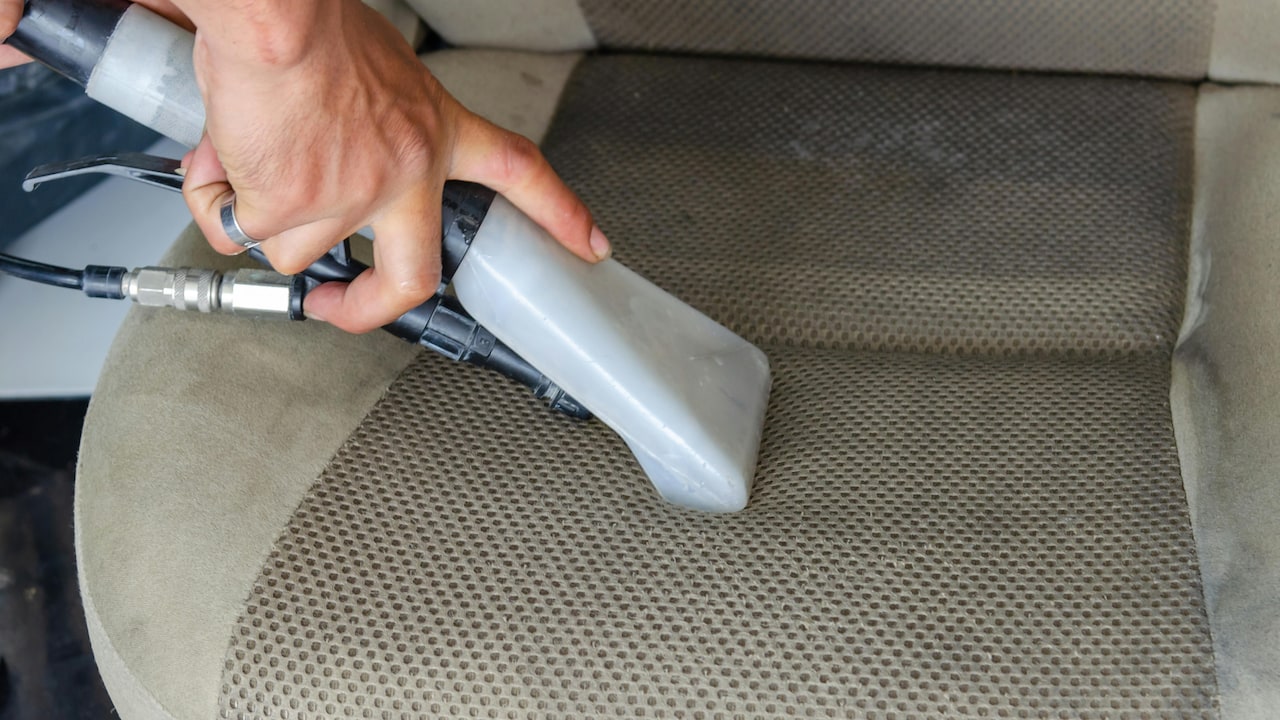
Nozzles often become silent culprits. Hair strands, food crumbs, and tiny wrappers can get lodged inside attachments. This creates a bottleneck that restricts airflow, even if the main unit is functioning perfectly.
Long hair, especially, wraps itself around internal parts like a stubborn thread. Over time, it forms a dense barrier that blocks suction. Pet owners know this struggle all too well. Even without pets, everyday debris can accumulate faster than expected.
Regularly checking attachments for blockages prevents this issue. A simple inspection and cleaning session can bring back lost suction instantly. It's one of those fixes that feels oddly satisfying, like finally unclogging a stubborn drain.
Battery Health Declines With Time And Usage
Cordless car vacuums depend heavily on battery performance. As the battery ages, it struggles to deliver consistent power. This directly affects suction strength.
Frequent charging cycles, exposure to heat, and improper storage all contribute to battery degradation. Leaving the vacuum in a parked car under harsh sunlight can accelerate this process. The result? A device that powers on but lacks the strength it once had.
Charging habits matter more than most realise. Allowing the battery to drain completely before recharging and avoiding overcharging can help maintain its lifespan. Eventually, though, batteries do wear out. Replacing the battery often restores performance without needing a brand-new vacuum.
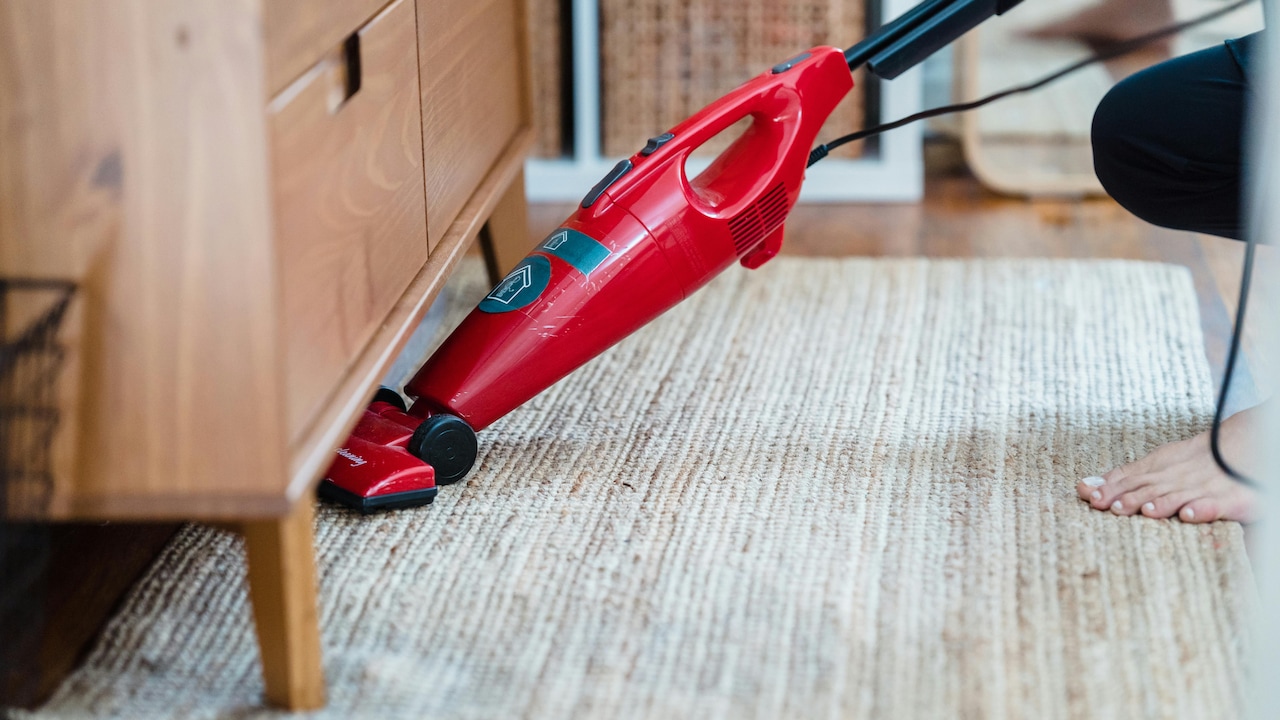
Car Vacuums Losing Suction? Why It Happens; Photo Credit: Pexels
Air Leaks Reduce Suction Efficiency
A vacuum relies on a sealed system to create strong suction. Even a small crack or loose connection can disrupt this balance. Air leaks reduce the pressure difference needed for effective cleaning.
These leaks often go unnoticed because they don't stop the vacuum from working entirely. Instead, they quietly weaken performance over time. Loose fittings, worn-out seals, or tiny cracks in the hose can all contribute.
Checking for leaks involves a bit of patience. Running a hand along connections while the vacuum is on can help detect escaping air. Fixing these issues, whether by tightening parts or replacing worn components, can make a surprising difference.
Motor Wear And Tear Takes Its Toll
The motor is the heart of the vacuum. Like any machine, it experiences wear over time. Dust particles can enter the motor area, causing friction and reducing efficiency.
Frequent use without proper cleaning accelerates this process. The motor has to work harder, which eventually leads to reduced suction. In some cases, overheating becomes an issue, further damaging internal components.
While motors are designed to last, they aren't indestructible. Gentle handling, regular cleaning, and avoiding prolonged usage sessions can extend their lifespan. When the motor does wear out, repair or replacement might be necessary, depending on the model.
Using The Wrong Attachments Affects Performance
Not all cleaning tasks require the same attachment. Using a wide nozzle for tight corners or a brush attachment for heavy debris can reduce effectiveness. It's like trying to eat soup with a fork; technically possible, but not ideal.
Different attachments optimise airflow for specific tasks. Ignoring this can make the vacuum seem weaker than it actually is. Many people stick to one attachment out of convenience, unknowingly compromising performance.
Switching attachments based on the cleaning area improves results significantly. It also reduces strain on the vacuum, helping maintain suction over time. Small adjustments in usage habits can go a long way.

Car Vacuums Losing Suction? Why It Happens; Photo Credit: Pexels
Fine Dust Accumulation Inside The System
City environments often bring fine dust that sneaks into every corner. Over time, this dust settles inside the vacuum's internal pathways. Unlike visible debris, it's harder to detect but equally damaging.
This buildup restricts airflow and reduces suction. It can also affect the motor and other components. Regular external cleaning doesn't address this issue, which is why performance continues to decline.
Deep cleaning the vacuum periodically helps remove this hidden buildup. Some models allow partial disassembly for thorough cleaning. Taking the time to do this can restore performance and extend the device's life.
Improper Storage Leads To Gradual Damage
Where the vacuum gets stored matters more than expected. Leaving it in extreme temperatures, whether hot or cold, can damage internal components. Heat, in particular, affects plastic parts and battery health.
Many keep their vacuum in the car itself, which seems convenient but exposes it to harsh conditions. Over time, this leads to reduced performance and even physical damage.
Storing the vacuum indoors, in a cool and dry place, helps maintain its condition. It's a simple habit that prevents long-term issues. Treating the vacuum with care ensures it remains reliable when needed.
Neglecting Regular Maintenance Creates Bigger Problems
Maintenance often gets overlooked until something goes wrong. By then, multiple issues may have piled up, making the vacuum seem beyond repair.
Regular cleaning, timely filter replacement, and occasional inspections keep the vacuum running smoothly. These small efforts prevent bigger problems and maintain suction.
It's easy to ignore maintenance when life gets busy. However, a few minutes of care after each use can save both time and money in the long run. A well-maintained vacuum not only performs better but also lasts longer.
Products Related To This Article
1. Tusa Cordless Vacuum Cleaner for Car & Home
2. SEZNIK Vacuum Cleaner for Home Use
3. UN1QUE Vacuum Cleaner for Car Use with DC 12V & LED Light Car Vacuum
4. NUUK REN GO Cordless Car and Home Vacuum Cleaner
5. Car Vacuum Cleaner 3 in 1 + Car Dust Microfiber Cloth
A car vacuum losing suction doesn't mean it has reached the end of its journey. More often than not, it's a sign of small, fixable issues building up over time. From clogged filters to battery fatigue, each factor plays a role in reducing performance.
Understanding these reasons shifts the approach from frustration to solution. Instead of replacing the vacuum at the first sign of trouble, a bit of maintenance and attention can bring it back to life. That familiar hum and strong suction can return, making cleaning quick and satisfying once again.
After all, a well-kept car isn't just about appearances. It's about comfort, pride, and those little moments of satisfaction when everything feels just right.
(Disclaimer: This article may include references to or features of products and services made available through affiliate marketing campaigns. NDTV Convergence Limited (“NDTV”) strives to maintain editorial independence while participating in such campaigns. NDTV does not assume responsibility for the performance or claims of any featured products or services.)