Vacuum Cleaners Losing Suction? What To Check First
Vacuum losing suction? Before replacing it, check common issues like clogged filters, full bins, or blockages. Simple fixes can restore performance quickly and save unnecessary expense.
Vacuum Cleaners Losing Suction? What To Check First
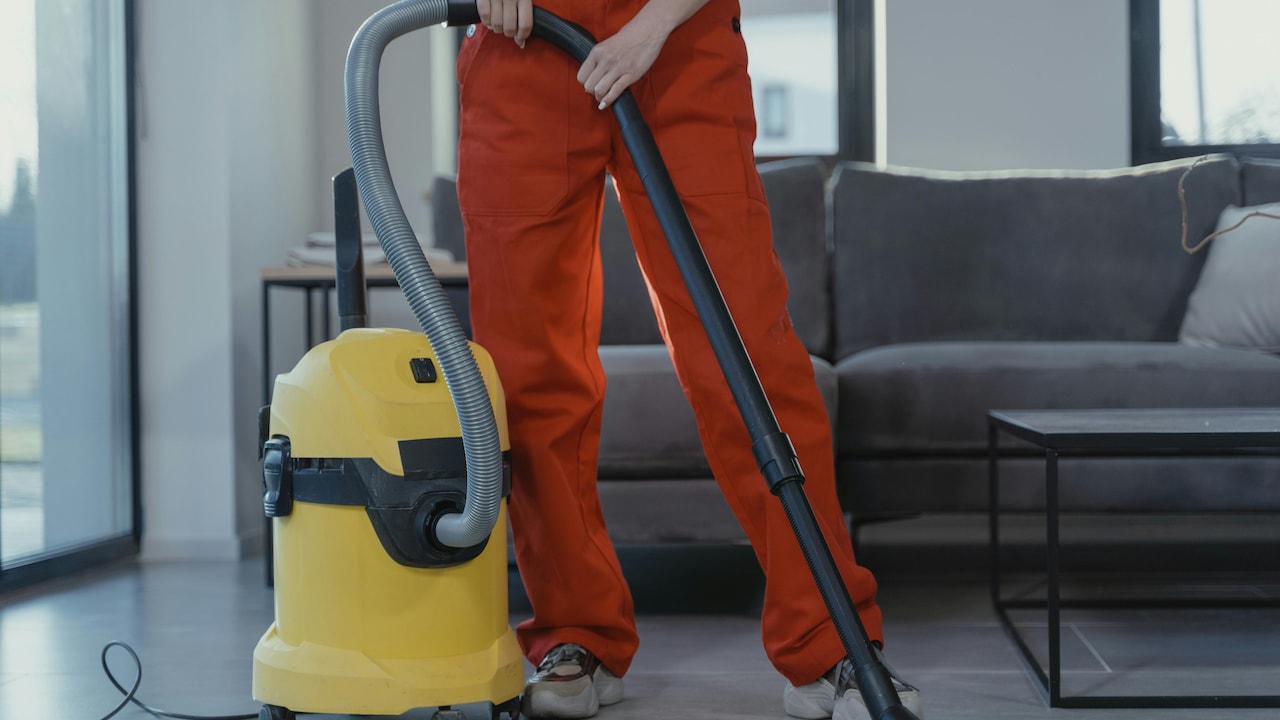
A vacuum cleaner often becomes the unsung hero of a busy home. It tackles everything from biscuit crumbs after tea to stubborn dust that settles in corners no one notices until guests arrive. So, when it starts losing suction, it feels less like a minor inconvenience and more like a betrayal. Before considering an expensive replacement or calling a repair technician, it helps to pause and investigate. Many suction issues stem from small, easily fixable problems rather than serious faults. A clogged filter, a full dustbin, or even a tiny object stuck in the hose can quietly reduce performance.
This guide explores ten common reasons why a vacuum cleaner might lose suction and what to check first. With a bit of patience and a keen eye, restoring that satisfying pull of a well-functioning vacuum can be simpler than expected.
Vacuum Cleaners Losing Suction? What To Check First
Photo Credit: Pexels
Common Reasons Behind Loss Of Suction
Full Dustbin Or Bag
One of the most overlooked reasons for reduced suction is a full dustbin or bag. It seems obvious, yet in the rush of daily chores, it often slips through the cracks. When the container fills up, airflow becomes restricted, and the vacuum struggles to pull in more debris.
Modern bagless vacuums make it easy to see when the bin is full, but traditional models with bags require a bit more attention. Waiting until the bag bursts at the seams can strain the motor and reduce efficiency. Regular emptying not only improves suction but also extends the life of the machine.
In many households, cleaning happens in quick bursts between other tasks. A half-full bin might not seem like a problem, but even moderate build-up can affect airflow. Emptying the container after every few uses keeps performance consistent.
Think of it like breathing through a scarf wrapped tightly around the face. The more blocked the path, the harder it becomes to draw air. The same principle applies here, and the fix remains refreshingly simple.
Clogged Filters
Filters play a silent yet vital role in maintaining suction. They trap fine dust and allergens, ensuring clean air flows back into the room. Over time, however, these filters collect layers of grime that block airflow.
A clogged filter forces the vacuum to work harder while delivering weaker suction. Many machines come with washable filters, but they often sit neglected for months. Rinsing them under water and allowing them to dry completely can make a noticeable difference.
In homes where dust accumulates quickly, especially during dry seasons, filters clog faster than expected. A quick inspection every few weeks prevents build-up and keeps the vacuum running smoothly.
It helps to remember that filters are not permanent fixtures. Even with regular cleaning, they eventually wear out. Replacing them periodically, even if it costs a few hundred rupees, can restore the machine's efficiency far better than struggling with a tired, blocked filter.
Blocked Hose
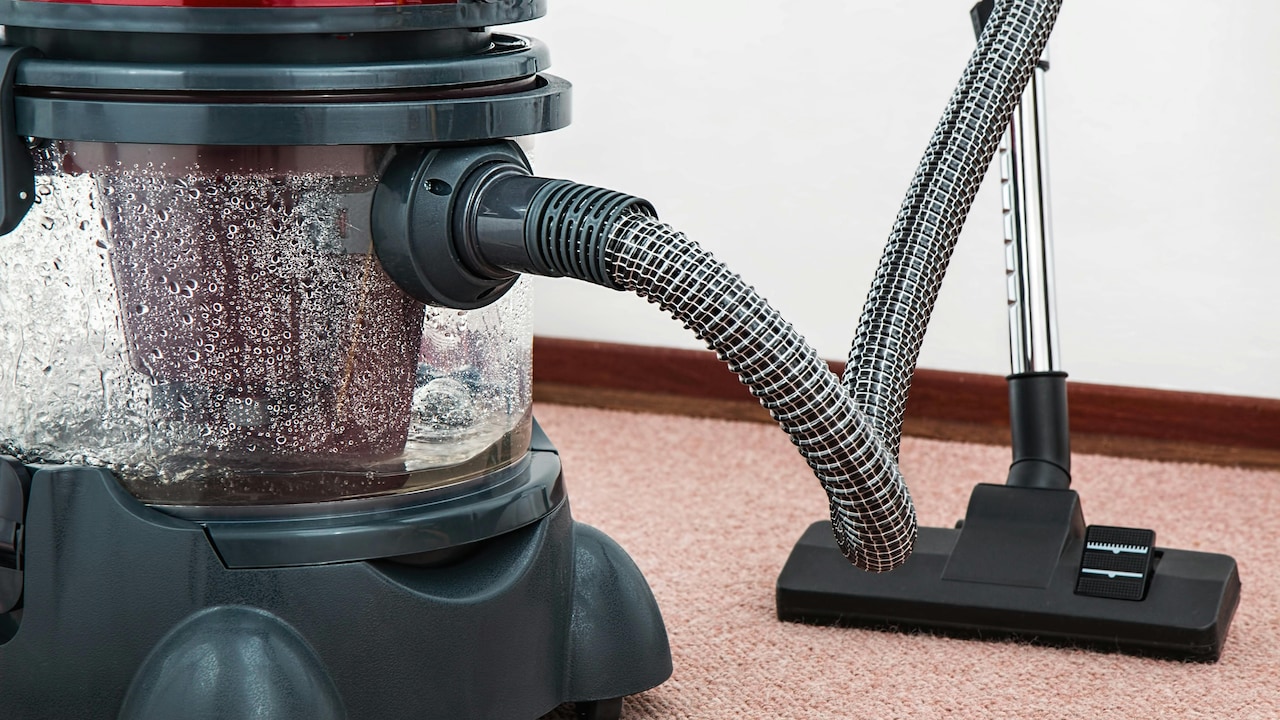
The hose acts as the main highway for dirt travelling into the vacuum. When something blocks this pathway, suction drops instantly. Small objects like paper bits, food wrappers, or even hair clumps can lodge themselves inside without warning.
A quick way to check involves detaching the hose and looking through it against a light source. If light fails to pass through clearly, a blockage likely exists. Gently pushing a long, flexible object through the hose can help dislodge the obstruction.
Households with children often face this issue more frequently. Tiny toys or pencil shavings can accidentally get sucked in and stuck halfway. Pets add another layer of challenge, with fur forming dense clumps over time.
Ignoring a blocked hose not only reduces suction but can also strain the motor. Clearing it early saves both effort and potential repair costs. Sometimes, the simplest fixes hide in the least expected places.
Dirty Or Worn Brush Roll
The brush roll, often located at the base of the vacuum, plays a key role in lifting dirt from carpets and floors. When it gets tangled with hair, threads, or debris, its movement slows down or stops altogether.
A brush roll covered in hair can look almost like a thick rope wrapped around it. This prevents it from spinning freely and reduces its ability to agitate dirt from surfaces. Cutting away tangled material with scissors can quickly restore function.
Over time, the bristles themselves wear down. Flattened or damaged bristles struggle to pick up dirt effectively, especially from carpets. Replacing the brush roll may seem like a small investment, but it can transform cleaning results.
In homes with long hair or pets, this issue appears more frequently. A quick monthly check ensures the brush roll stays clean and efficient. It is one of those small maintenance habits that pays off every time the vacuum runs.
Air Leaks In The System
Air leaks can quietly sabotage a vacuum's performance. Even a small crack or loose connection allows air to escape, reducing suction power at the nozzle.
Checking for leaks involves inspecting joints, seals, and attachments. A loose hose connection or a worn-out rubber seal often causes the problem. Reattaching components firmly or replacing worn parts can fix the issue quickly.
Sometimes, the leak hides in plain sight. A tiny crack in the hose or a slightly open latch can go unnoticed for weeks. Yet, the impact on performance becomes obvious once fixed.
Imagine trying to drink through a straw with a hole in it. The effort increases, but the result disappoints. The same principle applies here, making leak detection an important step in troubleshooting suction problems.
Also Read: Why Your Vacuum Cleaner Feels Useless On The Dirt That Actually Bothers You
Incorrect Height Setting
Many vacuum cleaners allow adjustments based on floor type. Using the wrong height setting can significantly affect suction. A setting too high prevents proper contact with the surface, while one too low restricts airflow.
Carpets, rugs, and hard floors all require different settings. Switching between them without adjusting the vacuum can lead to poor performance. Taking a moment to select the correct height ensures optimal cleaning.
In busy homes, this detail often gets overlooked. The vacuum might move across surfaces smoothly, giving the impression that everything works fine. Yet, dirt remains behind because the suction does not reach effectively.
A quick adjustment can bring immediate improvement. It is a reminder that sometimes, performance issues arise not from faults but from small operational oversights.
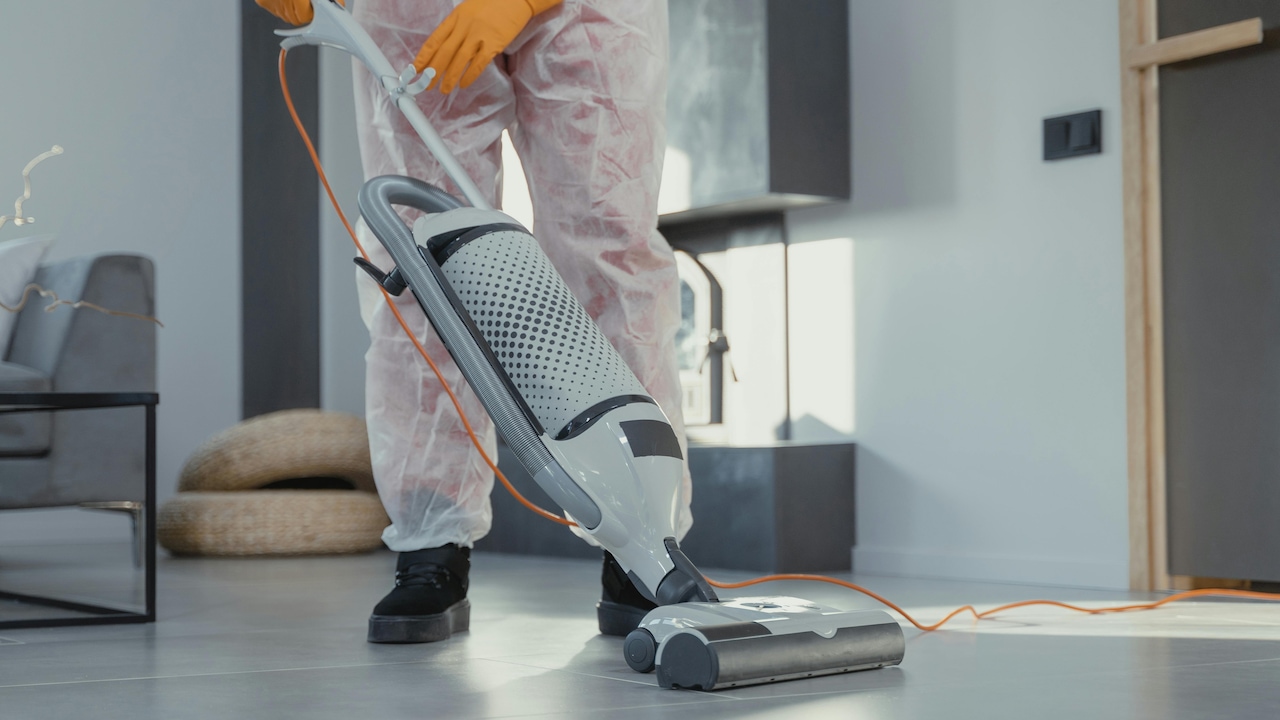
Vacuum Cleaners Losing Suction? What To Check First
Photo Credit: Pexels
Overheated Motor
Vacuum cleaners rely on motors that can overheat if pushed too hard. When this happens, the machine may lose suction or shut down temporarily.
Clogged filters, blocked hoses, or full bins often cause the motor to overwork. Once it heats up, performance drops as a protective measure. Allowing the vacuum to cool down before using it again can prevent further damage.
In many households, cleaning sessions stretch longer than intended. Continuous use without breaks can strain the motor, especially during deep cleaning days. Giving the machine short pauses helps maintain its efficiency.
If overheating occurs frequently, it signals an underlying issue that needs attention. Addressing the root cause ensures the vacuum runs smoothly without risking permanent damage.
Faulty Or Loose Attachments
Attachments expand the versatility of a vacuum cleaner, but they can also become weak points. A poorly fitted attachment reduces suction and makes cleaning less effective.
Checking that each attachment clicks into place securely can solve the problem instantly. Loose fittings allow air to escape, weakening the vacuum's pull.
Over time, connectors may wear out or accumulate dirt, preventing proper attachment. Cleaning and inspecting these parts ensures a tight fit and consistent performance.
It is easy to blame the machine when suction drops, but sometimes the issue lies in how accessories connect. Paying attention to these details keeps the vacuum working as intended.
Blocked Exhaust Or Vent
The exhaust system releases air after it passes through filters. If this outlet becomes blocked, airflow suffers, and suction decreases.
Dust and debris can accumulate around the exhaust, especially if the vacuum operates in dusty environments. Cleaning this area ensures smooth airflow and better performance.
In some cases, placing the vacuum too close to walls or furniture can block the exhaust temporarily. Ensuring proper space around the machine helps maintain airflow.
This part of the vacuum often receives little attention, yet it plays a crucial role. Keeping it clean and unobstructed supports overall efficiency.
Age And Wear Of The Machine
Every appliance has a lifespan, and vacuum cleaners are no exception. Over time, parts wear down, seals weaken, and performance gradually declines.
Even with proper maintenance, an older vacuum may struggle to deliver the same suction as before. Recognising this helps set realistic expectations.
Before replacing the machine, checking individual components can still yield improvements. Sometimes, replacing a filter or brush roll brings noticeable results without spending thousands of rupees on a new unit.
However, when multiple issues appear together, investing in a new vacuum may become the more practical choice. A well-maintained machine lasts longer, but age eventually catches up.
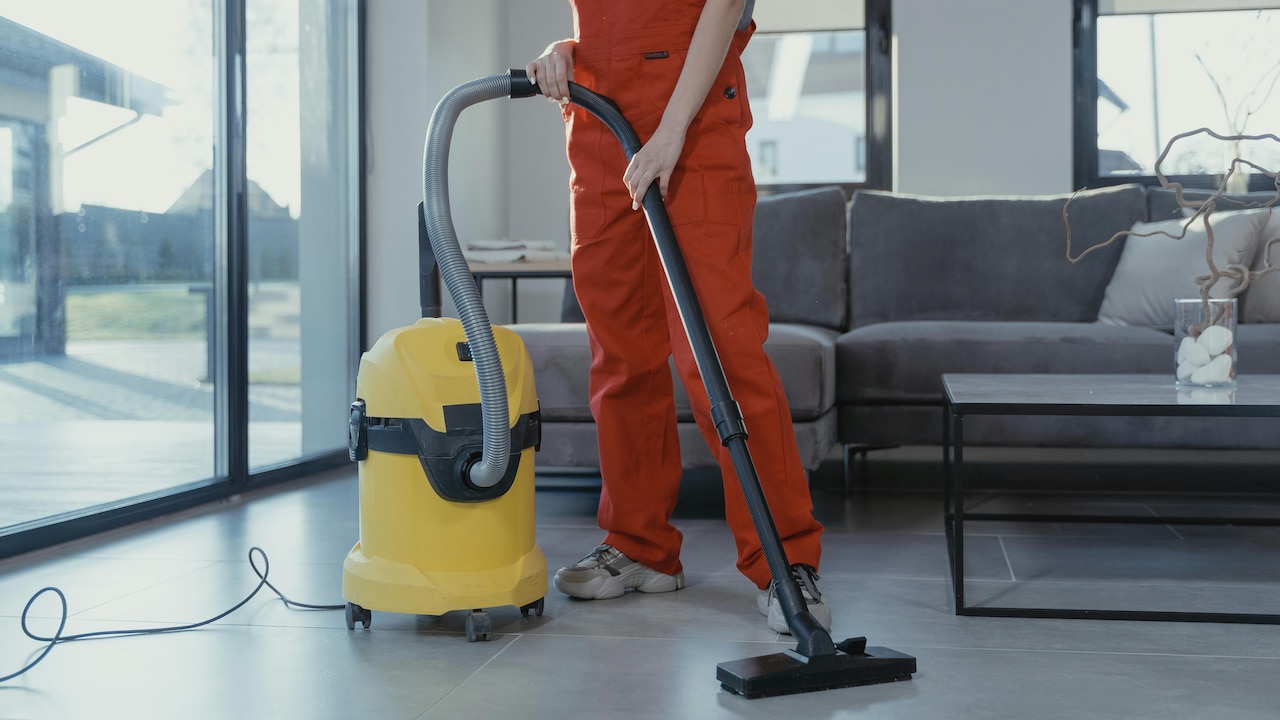
Vacuum Cleaners Losing Suction? What To Check First
Photo Credit: Pexels
Products Related To This Article
1. Karcher WD 3 SV Wet & Dry Vacuum Cleaner, 1000W
2. Eureka Forbes Quick Clean DX Vacuum Cleaner with 1200 Watts Powerful Suction Control
3. INALSA Wet and Dry Vacuum Cleaner for Home
4. Philips PowerPro FC9352/01-Compact Bagless Vacuum Cleaner for home
5. AGARO Regal 800 Watts Handheld Vacuum Cleaner
A vacuum cleaner losing suction rarely signals the end of its usefulness. More often, it points to small, manageable issues that need attention. From a simple bin emptying to clearing hidden blockages, each step contributes to restoring performance.
Regular maintenance transforms the cleaning experience from frustrating to satisfying. A few minutes spent checking filters, hoses, and attachments can save both money and effort in the long run.
In the rhythm of daily life, appliances often fade into the background until they stop working as expected. Taking a moment to understand and care for them keeps everything running smoothly.
A vacuum cleaner may not demand much, but it rewards consistent attention. And when it regains its full suction, that familiar hum feels oddly reassuring, like order returning to chaos, one clean surface at a time.
(Disclaimer: This article may include references to or features of products and services made available through affiliate marketing campaigns. NDTV Convergence Limited (“NDTV”) strives to maintain editorial independence while participating in such campaigns. NDTV does not assume responsibility for the performance or claims of any featured products or services.)