Cast Iron Skillet Seasoning Tips: What Works, What Doesnt, And How To Get A True Nonstick Finish
Seasoning makes or breaks a cast-iron skillet. Learn which oils work, which habits ruin nonstick performance, and why proper seasoning keeps food sliding and rust away for years.
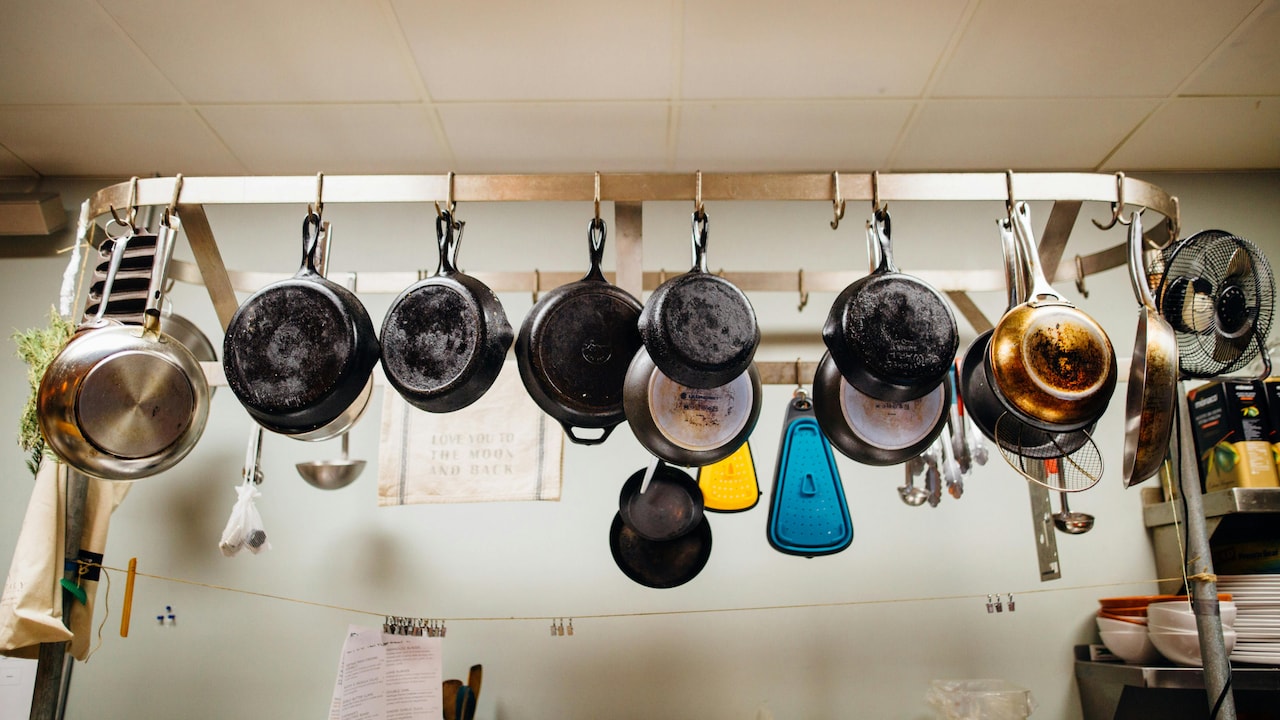
Cast Iron Skillet Seasoning: Proven Methods, Common Mistakes, And Achieving A Perfect Nonstick Finish.
Cast iron cookware holds a special place in everyday kitchens. It fries eggs without sticking, sears vegetables with confidence, and handles high heat like a pro. Yet many skillets end up rusted, sticky, or frustrating to use. The culprit often sits with seasoning myths passed around like family gossip.
Seasoning does not mean drowning a pan in oil and hoping for magic. It involves understanding heat, fat, patience, and timing. When done right, seasoning turns raw iron into a naturally nonstick surface that improves with every meal. When done wrong, it creates flaking layers, odd smells, and burnt food.
This article cuts through confusion with clear, practical tips. Each section focuses on what actually works, what definitely does not, and why it matters for long-term performance. Expect relatable kitchen moments, honest advice, and a few gentle laughs along the way. The goal remains simple: help every cook enjoy cast iron without fear or fuss.
Cast Iron Seasoning Explained: Best Oils, Common Mistakes And Secrets; Photo Credit: Pexels
So, What Really Works? And What Quietly Ruins Your Skillet
1. Why Seasoning Matters More Than Brand or Price
A shiny new skillet often looks impressive. Heavy, dark, and built to last. Yet without proper seasoning, even the most expensive pan behaves like a stubborn surface that grips food. Seasoning forms a protective layer through heat-bonded oil. This layer fills microscopic pores in iron and stops moisture from causing rust.
A well-seasoned skillet releases dosas, omelettes, and cutlets with ease. It also adds subtle depth to flavours over time. Poor seasoning, on the other hand, causes sticking, patchiness, and uneven cooking. No brand label can fix that.
Many home cooks assume nonstick ability comes pre-installed. Cast iron works differently. It improves with use, care, and consistency. Think of seasoning as building a relationship rather than buying a shortcut. The effort pays off in durability and performance. One skillet, seasoned well, can replace several pans that cost thousands of rupees.
2. Oils That Truly Work for Seasoning
Not all oils suit seasoning. Some burn too fast. Others leave sticky residue. The best oils polymerise well under heat, which means they bond to iron instead of sitting on top.
Refined sunflower oil, rice bran oil, and groundnut oil perform reliably. They handle high temperatures and form a strong base layer. Cold-pressed oils smell lovely but often smoke early and create uneven patches. Ghee adds flavour during cooking but does not work well for initial seasoning.
The amount matters as much as the type. A thin coat works best. Wiping the skillet until it looks almost dry may feel wrong, but it prevents pooling. Pooled oil turns gummy and ruins the texture.
Consistency wins here. Using the same suitable oil over multiple seasoning cycles builds a smoother surface. Switching oils every time confuses the layer and weakens results.
Also Read: Why You Should Be Using Cast Iron Cookware: Benefits And Care Tips For Beginners
3. Heat Control: The Silent Game Changer
Seasoning succeeds or fails based on heat control. Too low, and oil never bonds. Too high, and it burns away. Medium-high heat allows oil to reach its smoke point and polymerise properly.
An oven offers even heat, but a stovetop works just as well with patience. Heat the skillet gradually. Sudden blasts cause uneven seasoning and warped pans. Once the oil starts smoking lightly, hold that temperature for a few minutes.
Ventilation matters. Open windows. Switch on exhaust fans. Seasoning should not turn the kitchen into a smoke chamber. A slight haze signals success, not disaster.
After heating, allow the skillet to cool naturally. Quenching with water shocks the metal and cracks the forming layer. Calm heat, calm cooling, and steady repetition build the best results.
4. Why Thin Layers Beat Heavy Coats Every Time
More oil does not mean better seasoning. In fact, thick coats cause most seasoning failures. Excess oil never fully polymerises. It turns sticky, attracts dust, and flakes under heat.
Thin layers cure evenly and bond tightly. Each layer adds strength without bulk. Several thin coats outperform one heavy coat by a wide margin. Think of painting a wall. Multiple light strokes look smoother than one heavy splash.
Wiping the skillet thoroughly before heating removes excess oil. Use a cloth or paper towel until the surface looks satin-like, not shiny. This step feels counterintuitive but delivers professional results.
Patience matters here. Rushing the process leads to frustration later. A skillet seasoned properly once saves countless re-seasoning attempts in the future.
Cast Iron Seasoning Explained: Best Oils, Common Mistakes And Secrets; Photo Credit: Pexels
5. Foods That Strengthen Seasoning Naturally
Cooking choices affect seasoning more than most realise. Certain foods actively improve the nonstick layer. Others strip it away.
Frying onions, shallow-frying potatoes, and cooking spiced vegetables help reinforce seasoning. These foods release moisture slowly and encourage oil bonding. Cooking eggs in a well-oiled pan also smooths the surface over time.
Highly acidic foods like tomatoes or tamarind-based dishes weaken young seasoning. Save these for later once the layer matures. Long-simmering curries can wait until the skillet earns confidence.
Using the skillet regularly matters. A pan stored unused loses seasoning faster than one used weekly. Every cooking session becomes a mini-seasoning cycle when done with care.
6. Cleaning Myths That Ruin Cast Iron
Soap fears dominate cast iron conversations. Mild soap, used sparingly, does not destroy seasoning. Scrubbing with harsh steel wool does. Leaving food residue does more harm than gentle cleaning.
Warm water and a soft brush work well. Clean the skillet soon after cooking, while it remains warm. Stuck bits come off easier then. Dry immediately to prevent rust.
After cleaning, heat the skillet briefly and wipe with a drop of oil. This habit seals moisture out and maintains the layer. Skipping this step invites rust spots.
Avoid soaking the skillet. Iron hates prolonged water contact. Treat it like a trusted tool, not a neglected utensil left in the sink overnight.
7. Common Seasoning Mistakes to Avoid
Many seasoning attempts fail due to small but repeated mistakes. Using too much oil tops the list. Skipping drying steps follows closely. Another frequent error involves seasoning once and expecting lifelong results.
Seasoning builds gradually. One round sets the foundation. Several rounds create strength. Occasional touch-ups maintain performance.
Using butter or unrefined oils for seasoning causes sticky layers. Heating too fast burns oil instead of bonding it. Cooling underwater shocks the iron.
Avoid storing food in the skillet. Moisture and acids attack the seasoning. Transfer leftovers to containers instead. Respecting these basics prevents most issues before they start.
Cast Iron Seasoning Explained: Best Oils, Common Mistakes And Secrets; Photo Credit: Pexels
8. Restoring a Damaged or Rusty Skillet
A neglected skillet does not deserve the bin. Rust and patchy seasoning clean up with effort. Start by scrubbing rust with coarse salt and oil. For heavy rust, use steel wool gently.
Wash, dry thoroughly, and begin seasoning from scratch. One or two solid seasoning cycles revive most pans. The surface may look uneven at first. Regular use evens it out.
Do not rush restoration. Allow time between layers. Accept that revival takes patience. The reward comes in renewed performance and satisfaction.
Restoring old cookware also saves money. A revived skillet costs nothing compared to replacing nonstick pans every few years at ₹2,000 or more.
9. Storage Habits That Protect Seasoning
Storage choices affect longevity. Stacking skillets without protection scratches the seasoning. Place a cloth or paper towel between stacked pans.
Store in a dry area. Damp cupboards encourage rust. If living near the coast, oil the skillet lightly before storage.
Avoid sealing the skillet in airtight containers. Iron needs air circulation. Trapped moisture invites corrosion.
Good storage extends the shelf life. It also ensures the skillet remains ready for use, not repair.
10. Why Cast Iron Nonstick Beats Chemical Coatings
Cast iron nonstick surfaces rely on natural oil layers, not chemicals. They do not peel or release fumes under heat. With proper care, they improve over the decades.
Chemical nonstick coatings wear out. Scratches appear. Performance drops. Replacement becomes inevitable. Cast iron avoids this cycle.
A seasoned skillet handles high heat without worry. It sears, fries, and bakes confidently. The nonstick surface develops character rather than defects.
This difference matters for health, sustainability, and cost. One seasoned skillet replaces multiple pans over time. That makes it a smart, long-term choice for everyday cooking.
Products Related To This Article
1. The Indus Valley Preseasoned Cast Iron Fry Pan
2. Ortex Super Smooth Cast Iron Fry Pan
3. HomeEssentials 22cm Pre-Seasoned Cast Iron Skillet
4. AGARO Royal Pre-Seasoned Cast Iron Deep Fry Pan
5. CountryCook Pre-Seasoned Cast Iron Frying Pan 26 cms with Glass Lid
Seasoning a cast-iron skillet does not demand perfection. It asks for understanding, patience, and consistency. Thin oil layers, proper heat, mindful cooking, and gentle cleaning form the foundation.
Mistakes happen. Seasoning fades. Rust appears. None of these signals failed. Cast iron forgives and rewards effort like few tools do. With care, a skillet becomes more than cookware. It becomes a kitchen companion that improves with every meal.
The next time food slides easily across a dark, glossy surface, the effort feels worth it. Seasoning works when treated as a process, not a chore. And once mastered, cast-iron cooking never feels intimidating again.
(Disclaimer: This article may include references to or features of products and services made available through affiliate marketing campaigns. NDTV Convergence Limited (“NDTV”) strives to maintain editorial independence while participating in such campaigns. NDTV does not assume responsibility for the performance or claims of any featured products or services.)