Chimney Suction Myths Explained: How Much Power Is Actually Right For Your Kitchen
Big suction numbers don’t always mean better performance. This blog breaks common chimney suction myths, explains the right power for everyday cooking, and shows why balance matters more than size.
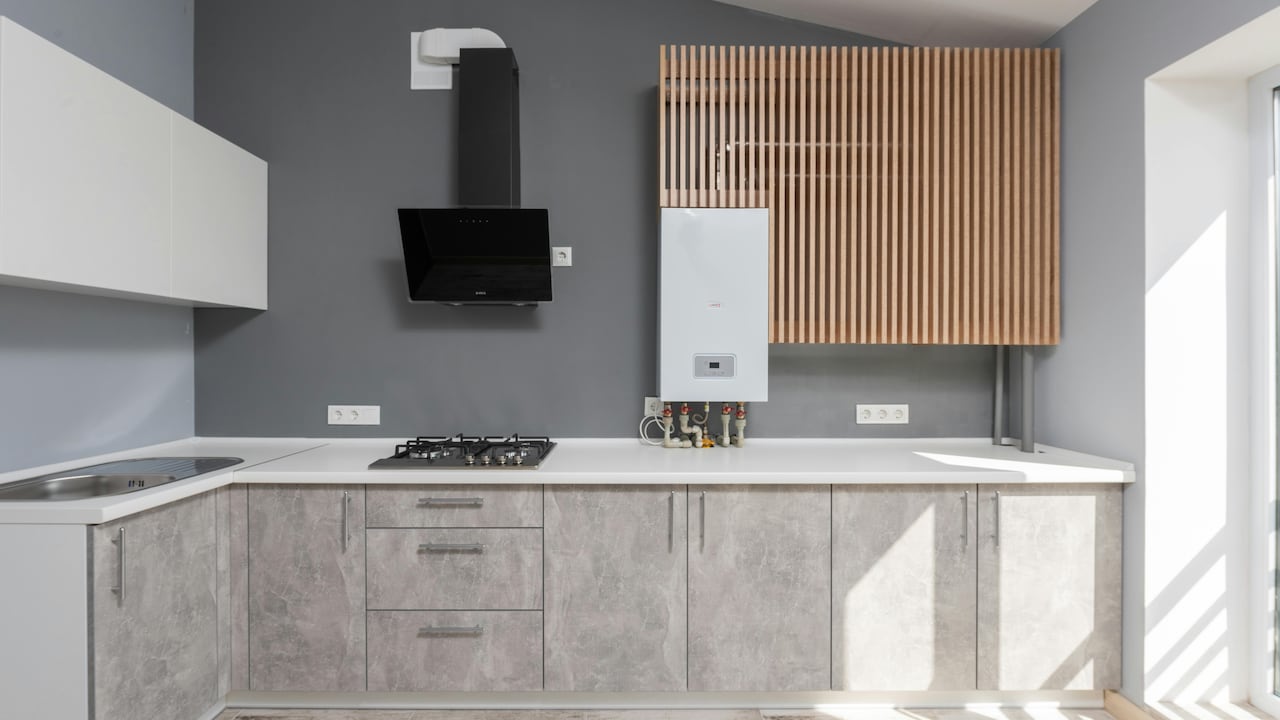
Chimney Suction Myths: Know The Correct Power For Indian Kitchens - Size Is Not Everything.
A kitchen wakes up long before the first whistle of the pressure cooker. Spices crackle, oil splutters, and aromas travel fast. A chimney steps in as the quiet helper that keeps smoke and grease in check. Yet confusion surrounds one question: how much suction power works best? Advertisements shout numbers like a street vendor calling out discounts. Bigger often sounds better. That assumption misleads many households.
Cooking styles vary widely. Some kitchens handle daily tadkas and deep frying. Others focus on light sautéing and steaming. One-size-fits-all logic fails here. Suction power depends on space, habits, and design. Size alone does not guarantee performance.
This article clears the smoke around suction myths. It explains what power suits most homes, why oversized chimneys create problems, and how balance wins over brute force. Expect relatable examples, straight talk, and a few knowing smiles. After all, kitchens deserve clarity, not confusion.

Chimney Suction Myths: Correct Power For Indian Kitchens, Size Is Not Everything
Photo Credit: Pexels
The Truth Behind Chimney Suction Claims: Most Homes Fall For
1. The Big Suction Number Obsession
Suction power numbers dominate showroom conversations. A salesperson points at a chimney and proudly announces a massive airflow figure. The pitch sounds convincing. More power should mean better smoke control, right? Not always.
High suction works best in commercial kitchens or very large spaces. Home kitchens operate differently. Excessive suction pulls air too aggressively. This action drags heat, steam, and even flames towards the filter. Cooking becomes uncomfortable. Gas consumption rises. Noise levels spike.
Many households buy the highest-rated model and regret the decision later. The chimney roars like a motorbike at a signal. Conversations stop. Children cover their ears. Cooking loses its joy.
A moderate suction range handles daily cooking with ease. It clears the smoke without turning the kitchen into a wind tunnel. The obsession with big numbers distracts from practical needs. Smart choices start with understanding usage, not chasing the loudest claim on the box.
2. Kitchen Size Sets the Real Limit
Every kitchen has a breathing capacity. Suction power must respect that limit. A compact kitchen does not need industrial-strength airflow. Strong suction in a small space removes air faster than it enters. This imbalance creates negative pressure. Doors slam shut. Windows rattle. Smoke sometimes escapes back inside.
A medium-sized kitchen needs balance. Enough power to pull out fumes, yet gentle enough to maintain airflow. Large open kitchens handle higher suction, but even they reach a point of excess.
Measuring kitchen dimensions helps more than scanning brochures. Length, width, and height decide air volume. Chimney suction should refresh that air several times an hour. Anything beyond that wastes energy.
Kitchen size often gets ignored during purchase. That oversight leads to discomfort later. Right-sizing suction ensures smooth airflow, quieter operation, and steady performance. Size matters here, but only when paired with proportion, not excess.
3. Cooking Style Shapes Suction Needs
A kitchen that handles daily frying needs different support than one focused on boiling and grilling. Oil-heavy cooking releases dense smoke and sticky grease. Light cooking releases steam and mild odours.
Many homes cook multiple dishes at once. Two burners sizzle while another simmers. That mix demands consistent suction, not extreme bursts. Chimneys with moderate power handle such a variety well.
Overpowered models struggle here. They pull grease too fast and clog filters quickly. Maintenance frequency rises. Cleaning turns into a weekend chore.
Understanding cooking habits saves money and frustration. A household that enjoys weekend frying sessions can choose slightly higher suction. Daily light cooking works well with standard models.
Suction should match routine, not occasional extravagance. A once-a-month deep fry does not justify a monster chimney. Balance keeps kitchens comfortable and chimneys long-lasting.
4. Noise: The Forgotten Side Effect
Noise sneaks up as the most common complaint after installation. High suction often brings high decibel levels. The kitchen turns into a shouting zone. Phone calls pause. Music stops. The pressure cooker whistle competes for attention.
Noise fatigue builds over time. A loud chimney discourages regular use. Smoke then lingers, defeating the purpose.
Manufacturers rarely highlight noise levels. Buyers focus on suction alone. That focus leads to regret.
Moderate suction chimneys usually operate quietly. They blend into kitchen sounds rather than dominate them. Cooking stays pleasant. Conversations flow.
A peaceful kitchen matters as much as a clean one. Noise control deserves equal attention during selection. After all, no one enjoys cooking next to a mini jet engine.
5. Filters Do the Heavy Lifting
Suction power means little without effective filters. Filters trap grease and smoke particles. They decide how clean the air feels.
Mesh filters suit light cooking but clog quickly with oily dishes. Baffle filters handle heavy frying better. They force air to change direction, which traps grease efficiently. Charcoal filters help when external ducts remain unavailable.
Many believe higher suction compensates for poor filters. That belief fails in practice. Strong airflow pushes grease deeper into the system. Filters clog faster. Performance drops.
A chimney with the right filter and moderate suction outperforms a powerful model with weak filtration. Maintenance becomes easier. Cleaning frequency drops.
Choosing the right filter matters more than chasing maximum suction. Filters quietly decide long-term satisfaction.
6. Ducting Design Changes Everything
Ducting acts as the chimney's highway. Its design shapes performance. Long ducts, sharp bends, and narrow pipes restrict airflow. Even the most powerful chimney struggles under such conditions.
Short, straight ducts work best. They allow smooth smoke exit. Moderate suction handles this setup easily.
Many homes install chimneys far from external walls. Ducts snake around cabinets and beams. High suction seems tempting here. Yet it only adds noise and stress.
Good ducting reduces the need for extreme power. It improves efficiency and lifespan. Planning duct routes before purchase saves trouble later.
Suction power cannot fix poor ducting. Design always wins over brute force.
7. Energy Use and Monthly Bills
High suction demands more power. Motors work harder. Electricity consumption rises. Over time, this increase shows up on monthly bills.
Many households overlook this aspect during purchase. The excitement of a new appliance overshadows running costs.
Moderate suction chimneys consume less energy while delivering consistent results. They align better with daily use patterns.
Energy-efficient models often include multiple speed settings. Users can adjust power based on cooking intensity. That flexibility reduces waste.
Choosing the right suction saves money quietly, month after month. Efficiency rarely grabs headlines, yet it delivers long-term comfort.
8. Maintenance Myths and Reality
A common myth claims powerful chimneys need less cleaning. Reality tells the opposite story. Strong suction pulls more grease into filters and ducts. Build-up happens faster.
Frequent cleaning becomes essential. Neglect leads to reduced performance and unpleasant odours.
Moderate suction keeps grease movement controlled. Filters last longer between washes. Maintenance feels manageable.
Ease of cleaning matters too. Removable filters simplify life. Some designs allow quick wipe-downs.
A chimney should support cooking, not add chores. Balanced suction reduces maintenance stress and keeps kitchens fresh without constant effort.
9. Aesthetics Versus Performance
Sleek designs attract attention. Large glass hoods and wide bodies promise premium performance. Size creates an illusion of power.
Yet aesthetics do not equal efficiency. A bulky chimney with excessive suction can overwhelm a small kitchen. It dominates visually and acoustically.
Compact designs with smart engineering often perform better. They integrate smoothly into cabinets. They maintain airflow without shouting for attention.
Choosing a chimney should balance looks and logic. Visual appeal matters, but comfort matters more. A well-chosen model fades into the background while doing its job perfectly.

Chimney Suction Myths: Correct Power For Indian Kitchens, Size Is Not Everything
Photo Credit: Pexels
10. Smart Buying Starts With Questions
The best chimney purchase begins with simple questions. How big is the kitchen? What cooking happens daily? Where will the duct exit? How much noise is acceptable?
Asking these questions shifts focus from numbers to needs. It empowers buyers. Sales pitches lose their grip.
A thoughtful choice avoids regret. It ensures years of comfortable cooking. Suction power then becomes a supporting feature, not the headline act.
Knowledge clears myths faster than advertisements. Informed buyers cook happily, breathe easily, and smile at their sensible decision.
Products Related To This Article
1. INALSA EKON 60cm 1100 m³/hr Pyramid Kitchen Chimney With Elegant Look
2. Faber 60 cm 1000 m³/hr Kitchen Chimney
3. Elica 60cm 1500 m3/hr BLDC Filterless Autoclean Kitchen Chimney
4. Crompton Intelli Sense 90cm 1626m3/hr Slant Kitchen Chimney
5. Whirlpool 60cm 900 m3/hr Cassette Filter Kitchen Chimney with 5 Years WARR on Motor
Suction power does not need to be impressive on paper to perform in real kitchens. Bigger numbers often create bigger problems. Comfort, balance, and understanding matter more.
The right chimney supports daily cooking without drama. It clears smoke quietly, saves energy, and blends into kitchen life. Size plays a role, but proportion wins the game.
Myths fade when practical needs take centre stage. A well-chosen chimney turns cooking into a pleasure rather than a noisy battle. In the end, smart choices always outshine loud promises.
(Disclaimer: This article may include references to or features of products and services made available through affiliate marketing campaigns. NDTV Convergence Limited (“NDTV”) strives to maintain editorial independence while participating in such campaigns. NDTV does not assume responsibility for the performance or claims of any featured products or services.)