Do Dishwashers Really Use Less Water Than Hand Washing? A Cost and Energy Breakdown
Dishwashers are often seen as water guzzlers, but the reality may surprise you. This article compares dishwashers and hand washing on water use, energy consumption, and monthly costs to reveal which option truly saves more. Things to consider in using dishwashers vs handwashing for everyday dishes.
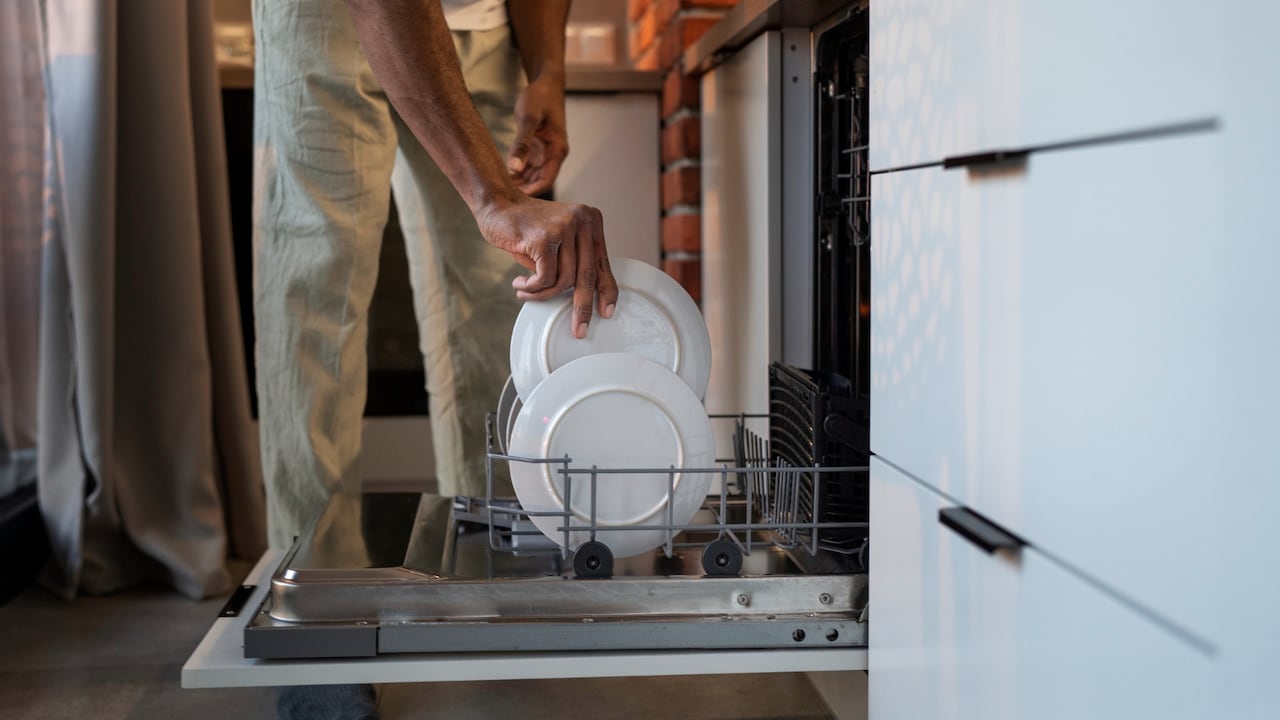
Do Dishwashers Use Less Water Than Hand Washing? Energy, Water Usage And Cost Explained.
Dishes pile up faster than expected. Morning chai cups, lunch plates, and late-night snack bowls each add to the daily ritual of cleaning up. Traditionally, the sink and scrub ruled the kitchen. Yet dishwashers have slowly crept into homes, promising efficiency and ease. Many still doubt their claims. Do machines really save water? Do they drive electricity bills sky-high? Are they practical for daily cooking habits?
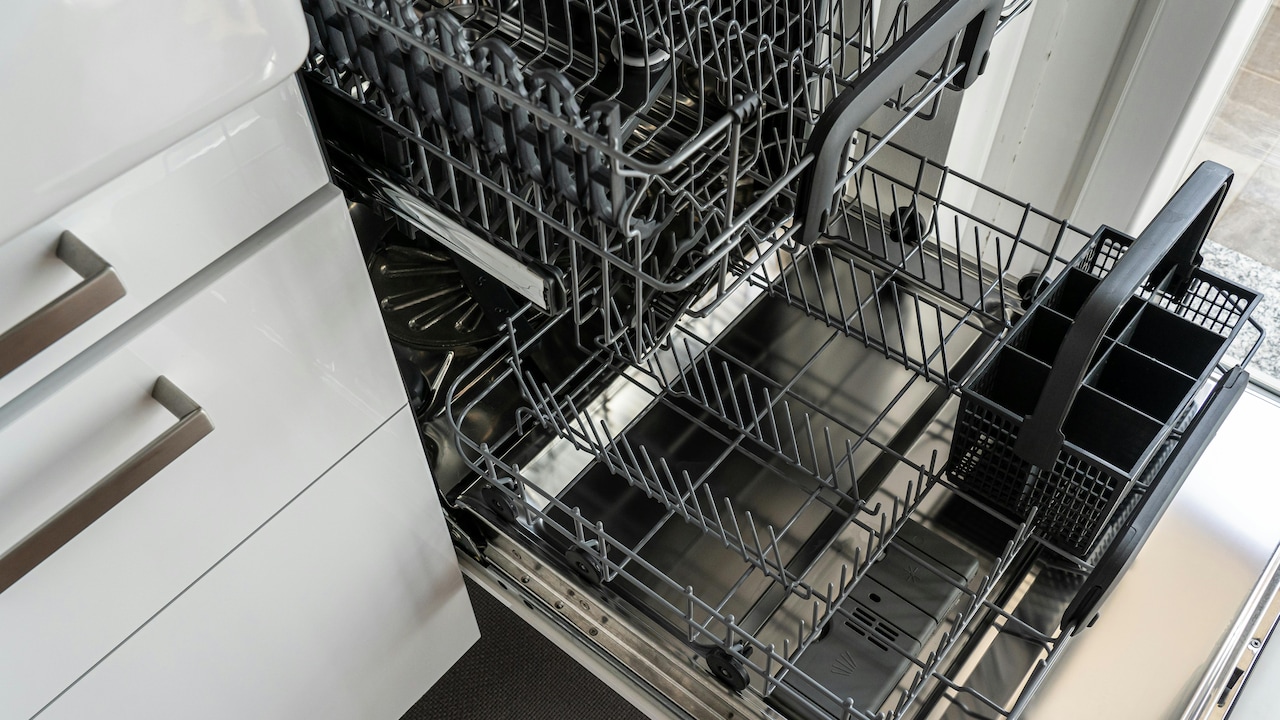
Quick comparison between water and energy usage in handwashing and dishwashing; Photo Credit: Pexels
This debate matters more now than ever. Water scarcity has become a reality across cities and towns alike. Electricity costs pinch monthly budgets. At the same time, modern life demands speed and convenience. Understanding how dishwashers perform compared to hand washing helps households make informed choices, without guilt or guesswork.
Also Read: Best Dishwashers In India With Price Under 20,000
A Closer Look at Efficiency, Expenses And Everyday Use
1. The Water Reality: What Actually Gets Used
At first glance, hand washing feels thrifty. A bucket here, a quick rinse there, nothing seems excessive. In reality, an open tap tells a different story. A running tap can release 10–15 litres of water every minute. Over a full sink session, water usage often crosses 60 litres without notice.
Modern dishwashers, especially eco-certified models, use 9–12 litres per cycle. That single cycle cleans an entire day's load, from greasy kadhais to tea cups. Sensors adjust water levels based on soil, avoiding waste. The difference lies in consistency. Machines follow limits. Humans, distracted by phone calls or playlists, rarely do.
Water savings grow even more obvious in larger families. More plates do not mean more water in a dishwasher. Hand washing scales up water use with every extra utensil. Over a month, this gap becomes significant, especially in water-stressed regions.
2. Energy Use: Electricity Versus Elbow Grease
Energy comparisons often raise eyebrows. Dishwashers need electricity. Hand washing does not, at least not directly. Yet hot water changes the equation. Many homes rely on geysers for warm water, especially during winter or heavy grease cleaning. Heating water consumes substantial electricity.
Dishwashers heat water efficiently inside insulated chambers. Shorter heating times and controlled temperatures reduce overall energy use. Eco modes further lower consumption by extending cycles at lower heat. On average, a dishwasher uses about 1–1.5 units of electricity per cycle.
Hand washing with hot water can quietly exceed this, particularly when geysers stay switched on longer than needed. Add poor insulation and heat loss, and efficiency drops fast. Energy use depends less on method and more on habits, but machines often win on consistency.
3. Cost Breakdown: Monthly Bills Under the Microscope
Cost remains the loudest concern. A dishwasher feels like a luxury purchase, while hand washing appears free. Yet monthly expenses tell a subtler story. Water charges, electricity bills, and detergent costs all play a role.
A dishwasher cycle costs roughly ₹10–₹15, including water, electricity, and detergent. Hand washing varies widely. Running taps, extra water heating, and liberal soap use can push costs higher without realising it. Over a month, daily dishwasher use may cost around ₹400.
Compare that with hand washing in urban homes where water comes via tankers at ₹800–₹1,200 per load. Saving water suddenly carries real monetary value. Over the years, operational savings have helped offset the initial purchase price, especially in medium to large households.
4. Hygiene and Health: Cleanliness Beyond Shine
Sparkling plates matter, but hygiene matters more. Hand washing depends heavily on technique. Water temperature often stays lukewarm to protect hands. Scrubbing varies with mood and time pressure. Bacteria can linger, especially on cutting boards and oily utensils.
Dishwashers clean at temperatures above 60°C. This heat kills germs effectively. High-pressure jets reach corners sponges miss. Drying cycles prevent moisture build-up, reducing bacterial growth after washing.
During illness seasons, this level of sanitation adds peace of mind. For families with children or elderly members, consistent hygiene supports better health. Clean dishes stop being a visual check and become a safety measure.
5. Time and Effort: The Invisible Cost
Time rarely shows up on bills, yet it holds value. Hand washing demands daily attention. Ten minutes here, twenty minutes there, over a week, that adds up. After long workdays, the sink can feel like a chore waiting patiently.
Dishwashers change that rhythm. Load, press a button, walk away. Time saved opens space for rest, family conversations, or simply doing nothing. That mental relief matters. Life feels lighter when routine tasks fade into the background.
Effort also impacts physical health. Constant bending, scrubbing, and exposure to detergents irritate skin and strain wrists. Machines remove that strain quietly. Convenience stops being indulgence and becomes self-care.
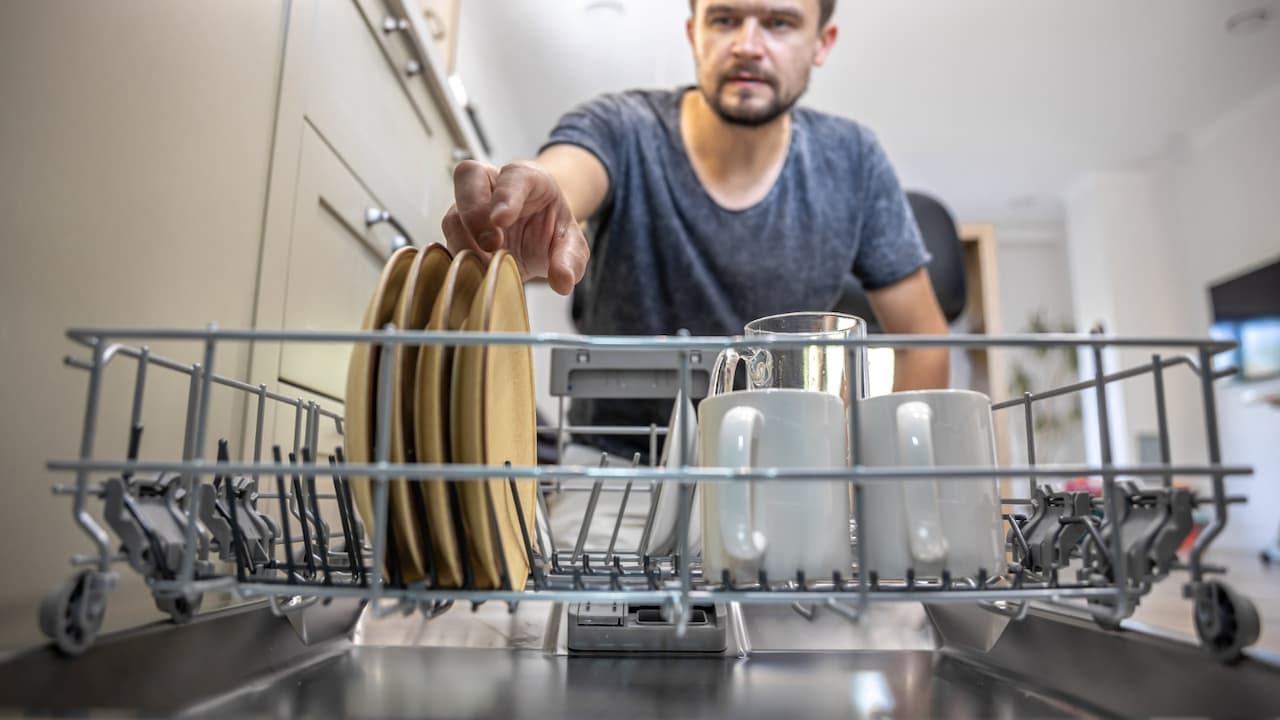
Always consider the time, effort, and other invisible costs when doing dishwasher vs handwashing dishes; Photo Credit: Freepik
6. Detergents and Environmental Impact
Detergents influence both health and the environment. Hand washing liquids often require generous amounts to cut through grease. Rinsing soap thoroughly needs extra water. Residue sometimes stays behind, especially on plastic containers.
Dishwasher detergents come in pre-measured tablets or powders. Formulas activate fully during cycles, leaving minimal residue. Lower water usage means fewer chemicals entering drainage systems.
Eco-friendly options now dominate the market. Phosphate-free detergents reduce water pollution. When combined with water-efficient machines, dishwashers shrink environmental footprints rather than expanding them. Sustainability stops being a buzzword and becomes a daily habit.
7. Suitability for Daily Cooking Habits
Daily cooking styles influence dishwasher efficiency. Heavy tadka, thick gravies, and burnt masala leave stubborn residue. Older machines struggled with such loads, fuelling scepticism.
Modern models handle these challenges better. Pre-rinse requirements have dropped. Strong spray arms and improved filters manage oil and spices effectively. Proper loading remains key. Spacing utensils allows water jets to work fully.
Hand washing still wins for single cups or quick snacks. Dishwashers shine during full loads. Using them strategically, once a day or every alternate day, maximises efficiency without forcing rigid routines.
8. Space, Installation, and Practical Constraints
Space concerns often block dishwasher adoption. Kitchens vary widely in size and layout. Built-in units require planning. Countertop models offer flexibility but limited capacity.
Compact freestanding dishwashers now fit into small kitchens easily. Installation needs a water inlet and drainage point, often shared with washing machines. Once set up, daily use feels seamless.
Noise also matters in open-plan homes. Modern dishwashers operate quietly, often below normal conversation levels. Night cycles run without disturbance. Practical challenges exist, but newer designs solve many traditional objections.
9. Longevity and Maintenance Costs
Durability influences long-term value. Dishwashers typically last 8–10 years with basic care. Regular cleaning of filters and occasional descaling keep performance steady. Annual maintenance costs stay modest, often under ₹2,000.
Hand-washing tools also wear out. Sponges, scrubbers, gloves, and liquids require frequent replacement. These small purchases add up quietly over time. Machines centralise maintenance, making costs predictable.
Proper use matters. Avoid overloading, use correct detergents, and clean filters monthly. Treat the appliance well, and it returns the favour through years of reliable service.
10. The Psychological Shift: Changing Kitchen Mindsets
Beyond numbers lies perception. Hand washing feels familiar and virtuous. Machines feel indulgent. Yet perspectives evolve. Saving water, time, and energy aligns with modern values.
Dishwashers do not replace responsibility. They support smarter choices. Using eco modes, waiting for full loads, and choosing efficient detergents all reinforce mindful living.
Households that adopt dishwashers often report one unexpected benefit: reduced friction. Shared chores become simpler. Arguments over whose turn it is fade. Sometimes, peace of mind becomes the biggest saving of all.
Products Related To This Article
1. IFB 14 Place Settings with DeepClean® Technology Freestanding Dishwasher
2. Bosch 13 Place Setting, EcoSilence Drive
3. Voltas Beko, A Tata Product, 8‑Place Settings Table top Dishwasher
4. Carysil Fully Built-in Dishwasher DW-01, A++ Energy Class
5. Electrolux 14 Place Settings Dishwasher Machine for Home
The answer feels clearer now. Dishwashers, when used correctly, consume less water than hand washing. They manage energy efficiently, maintain hygiene, and offer real cost savings over time. Hand washing still suits small loads and quick cleans, but daily reliance often wastes more resources than expected.
Choosing between the two depends on lifestyle, space, and habits. Yet the idea that dishwashers waste water no longer holds up. In a world where every drop counts and time feels precious, letting a machine handle the dishes might just be the smarter, kinder choice, for homes, budgets, and the planet alike.
(Disclaimer: This article may include references to or features of products and services made available through affiliate marketing campaigns. NDTV Convergence Limited (“NDTV”) strives to maintain editorial independence while participating in such campaigns. NDTV does not assume responsibility for the performance or claims of any featured products or services.)