Low Heat Hair Styling: Why It Still Damages Hair And Leads To Breakage Over Time
Low-heat styling feels safe, but it still weakens hair over time. Repeated exposure strips moisture, alters texture, and causes breakage. This article explains why damage happens and how to protect hair without giving up heat tools. Learn common reasons why hair styling appliances on low heat can still damage your hair.
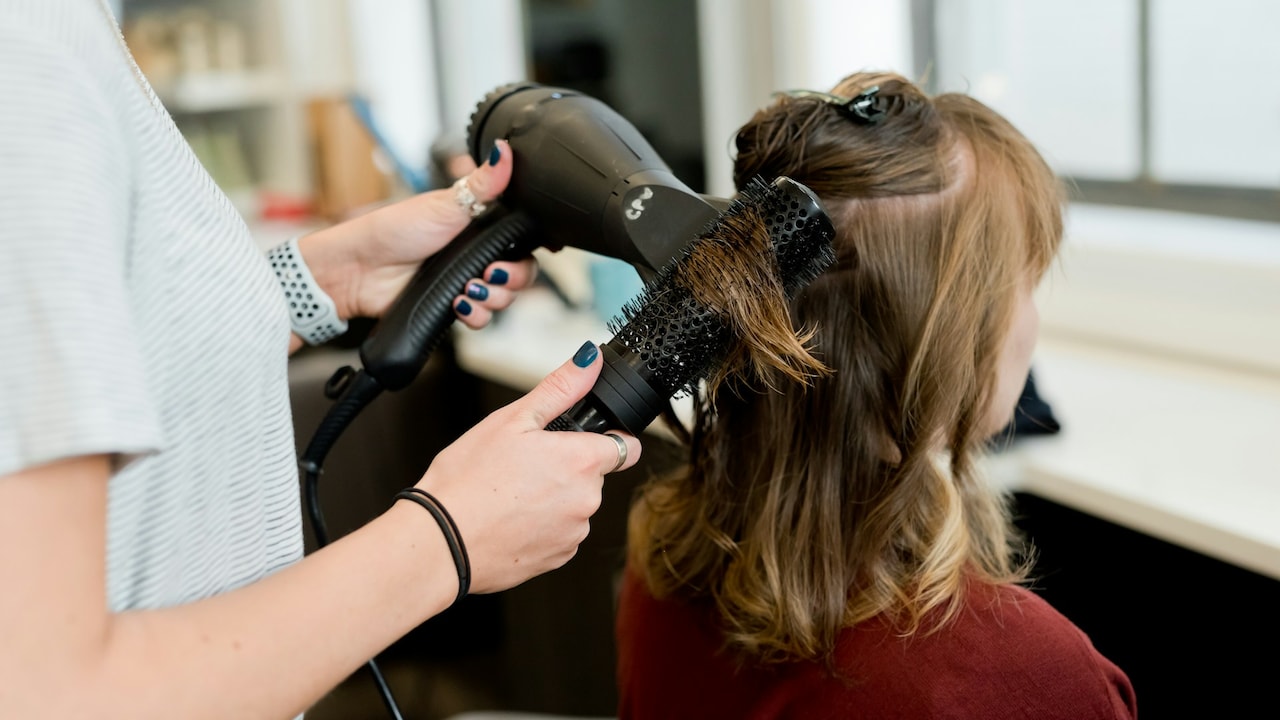
Heat Styling Damage Explained: Why Low Heat Settings Still Damage Hair And Cause Breakage.
Morning routines across cities and small towns often begin the same way. A blow dryer hums, a straightener heats up, and hair gets shaped for the day ahead. Low heat feels like a sensible compromise. After all, extreme heat sounds risky, while gentle warmth seems harmless. Sadly, hair biology tells a different story.
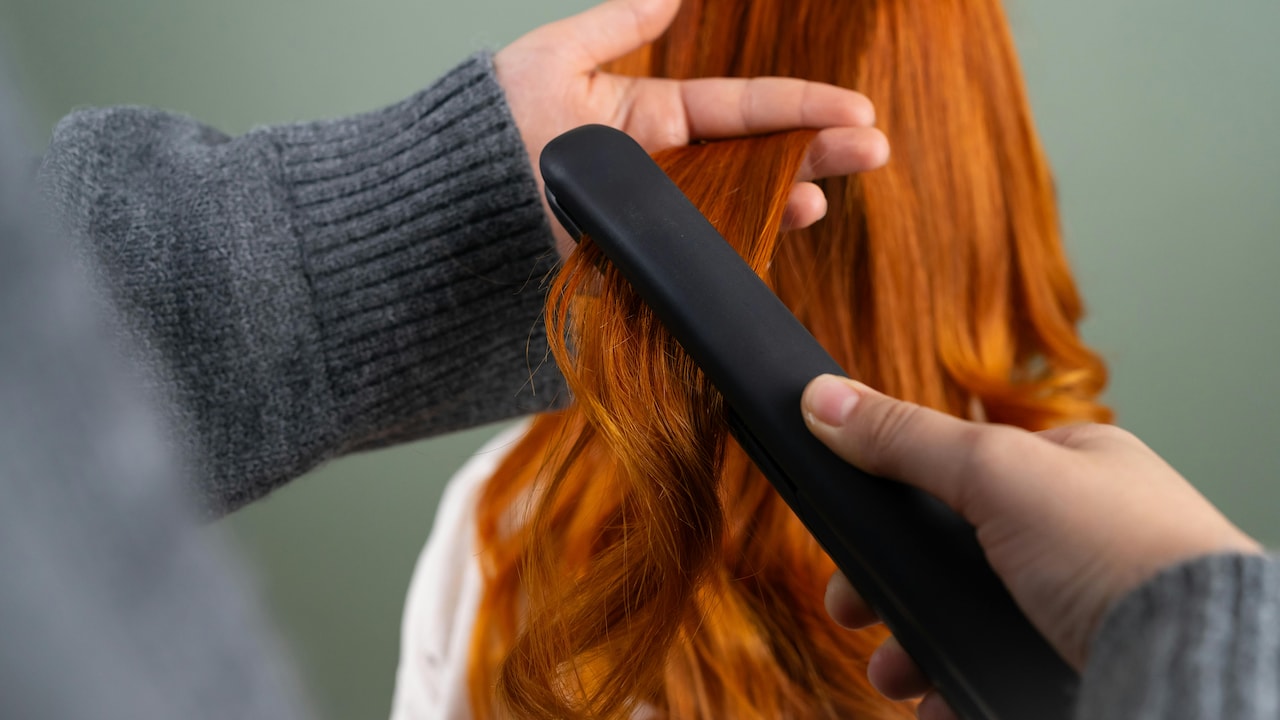
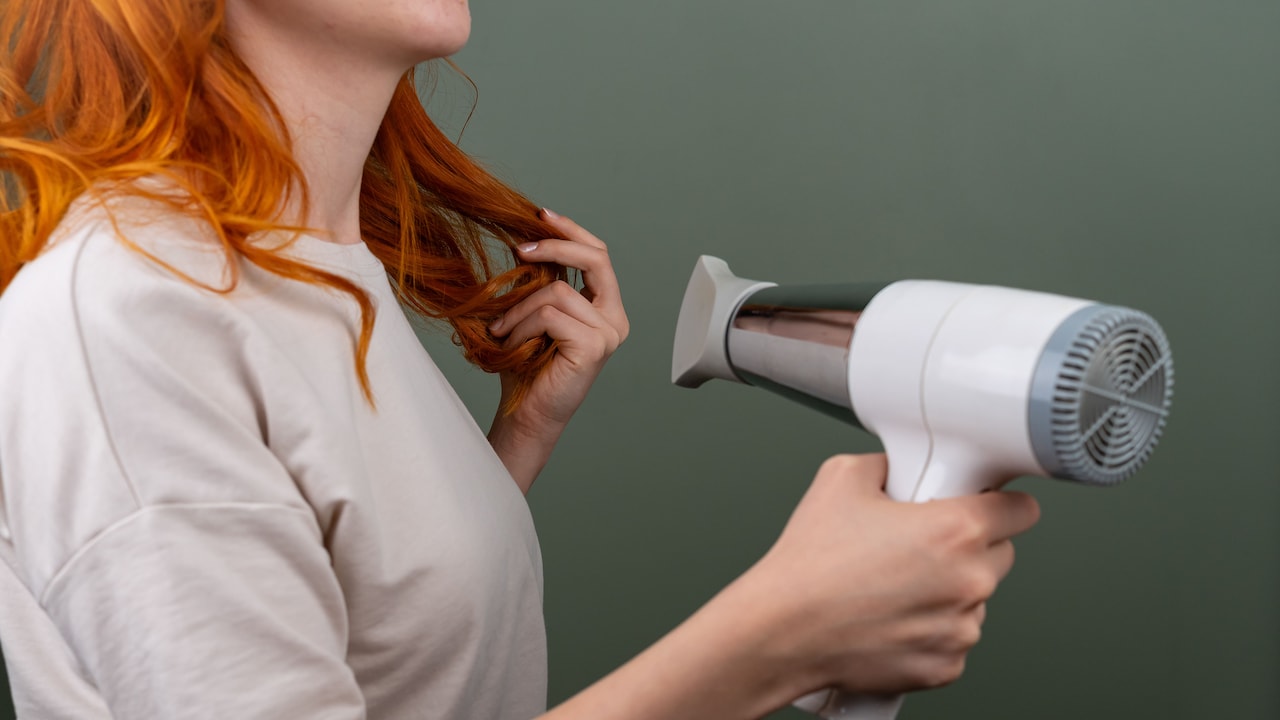
Discover important things to know about how low-heat appliances still cause hair damage; Photo Credit: Pexels
Hair behaves like a delicate fabric. Even mild heat changes its structure, especially when used often. Damage does not always show up as dramatic breakage. It creeps in slowly as dullness, frizz, and thinning ends. Humid weather, hard water, and frequent washing make matters worse. Add tight schedules and daily styling, and hair rarely gets a break.
This article unpacks the science and everyday realities behind heat damage. It explains why low heat still causes harm, how habits stack up over time, and what practical steps help reduce breakage without giving up styling completely. Expect clarity, relatable moments, and a few honest truths about modern hair care.
Also Read: 8 Hairstyling Mistakes To Avoid: Stop Unnecessary Hair Fall And Breakage
What Really Happens To Your Hair When Heat Becomes A Habit
1. Hair Is Not Heat-Proof, Even At Low Temperatures
Hair strands contain keratin proteins held together by bonds that give strength and shape. Heat softens these bonds. Even low temperatures start this process. A straightener set below the “danger zone” still alters the internal structure with every pass.
Think of cotton clothes ironed daily on a warm setting. They may not burn, but fibres weaken faster. Hair behaves the same way. Each session slightly reduces elasticity. Over time, strands stretch less and snap more easily.
Low heat also creates a false sense of safety. Styling often lasts longer at gentler settings, which increases exposure time. Five slow passes at low heat can cause more damage than one quick pass at high heat. The mirror may show smooth hair today, but the cost appears weeks later as rough ends and flyaways.
This explains why damage surprises many people who “play it safe” with heat. The issue lies not in intensity alone, but in repeated thermal stress.
2. Moisture Loss Happens Before Visible Damage
Hair loves moisture. Heat pulls it out quietly. Even low heat evaporates water trapped inside the strand. Once moisture escapes, hair turns brittle and loses shine.
This matters more in climates where humidity swings wildly. Hair absorbs moisture from the air, then loses it again under heat. This constant expansion and contraction weakens the cuticle. Tiny cracks form along the surface, though they remain invisible at first.
Dry hair also tangles easily. Combing or tying it up causes mechanical stress, which leads to breakage near the crown or nape. Many blame shampoos or hair fall seasons, yet the root cause often sits in daily heat use.
Conditioners help, but they cannot fully replace lost internal moisture. Heat-trained hair starts to depend on styling tools to look neat, which creates a damaging loop. Once the moisture balance breaks, recovery takes time and patience.
3. Repeated Styling Causes Cumulative Damage
Heat damage behaves like compound interest, but without the benefits. One styling session rarely causes disaster. Damage builds slowly with repetition.
Daily blow-drying, even on cool or warm settings, gradually thins the cuticle. Weekly straightening adds another layer of stress. Months pass, and hair that once bounced now feels limp and lifeless.
Special occasions add extra exposure. Weddings, festivals, and parties often involve back-to-back styling days. Each event feels harmless on its own. Together, they create a tipping point.
This cumulative effect explains sudden breakage after years of “careful” styling. Hair reaches a threshold where it can no longer tolerate stress. Ends split faster, lengths refuse to grow, and trims become frequent.
Understanding this pattern helps reset expectations. Hair health depends on long-term habits, not single styling choices.
4. Low Heat Often Means More Tension And Pulling
Low heat does not always smooth hair quickly. Stylists and home users compensate by pulling harder with brushes or irons. This tension stretches wet or damp hair, which remains in its weakest state.
Wet hair can stretch up to 30 per cent of its length. Add heat and pulling, and the strands snap without warning. Breakage often appears near the roots, where tension concentrates.
Round brushes, tight sections, and repeated passes increase friction. Hair rubs against hot surfaces longer, raising damage risk. Low heat simply changes the method, not the outcome.
This explains why blow-dried hair sometimes sheds more than air-dried hair. The combination of heat, moisture loss, and tension creates a perfect storm for breakage.
Gentle handling matters as much as temperature control. Without it, low heat offers little protection.
5. Heat Changes Hair Texture Over Time
Many notice hair texture shifting after years of styling. Curls loosen, waves disappear, or straight hair turns frizzy. Heat causes this transformation.
Keratin bonds define natural texture. Heat reshapes these bonds temporarily, but repeated exposure makes changes semi-permanent. Low heat still participates in this process, especially when used often.
Texture changes confuse people. Products that once worked stop delivering results. Hair seems unpredictable. The underlying reason lies in the altered internal structure.
This shift also affects styling needs. Hair that loses its natural pattern relies more on tools for control. This increases heat dependence and damage.
Texture loss feels emotional for many. Hair often ties closely to identity and confidence. Understanding the cause helps make informed choices about styling frequency and recovery strategies.
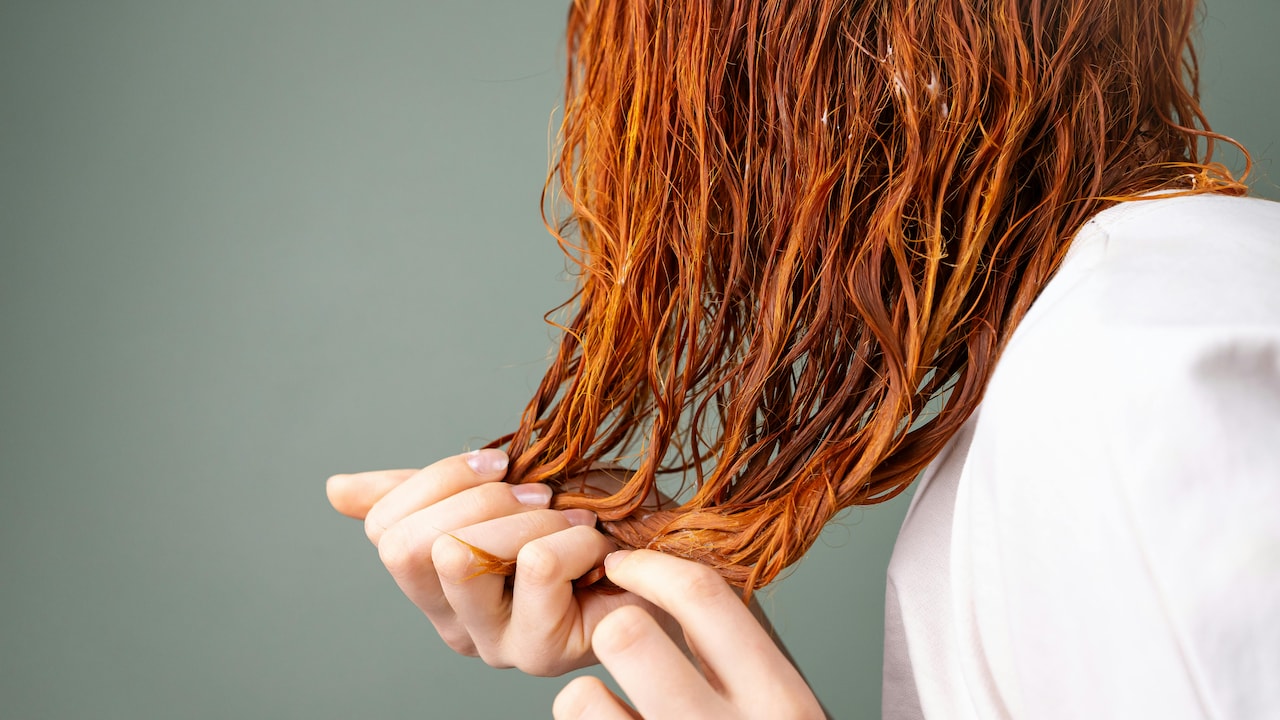
Constant heat styling can lead to changes in hair texture over time; Photo Credit: Pexels
6. Heat Damage Disguises Itself As Hair Fall
Breakage and hair fall look similar, yet they differ. Heat damage causes mid-length breakage, while natural shedding releases full strands from the root.
Low heat damage often masquerades as seasonal hair fall. Short broken pieces appear on pillows or clothing. Ponytails feel thinner. Hairlines remain intact, which confuses the picture.
Scalp treatments and supplements get blamed when results disappoint. The real issue lies along the hair shaft, not the scalp. No oil or serum can glue broken fibres back together.
Recognising breakage patterns helps shift focus. Protective styling, reduced heat use, and regular trims address the problem more effectively than chasing hair fall cures.
This distinction saves time, money, and frustration.
7. Heat Protectants Reduce Risk, Not Eliminate It
Heat protectant sprays promise safety. They help, but they do not create an invincible shield. Most protectants reduce heat transfer or slow moisture loss. They cannot block damage entirely.
Low heat still penetrates the hair fibre. Protectants work best when applied evenly and sparingly. Overuse leads to product build-up, which ironically requires more heat to style through.
Many skip protectants during quick styling sessions. A rushed morning feels harmless. These small omissions add up over time.
Protectants also work within limits. Using them does not justify daily heat exposure. They serve as seatbelts, not armour.
Understanding their role sets realistic expectations and encourages balanced habits rather than blind trust.
8. Everyday Environment Makes Heat Damage Worse
Heat styling rarely acts alone. Sun exposure, pollution, and hard water weaken hair further. Low heat applied to already stressed hair causes greater harm.
Mineral-heavy water leaves residue on strands. Heat bakes this residue in, roughening the cuticle. Pollution particles cling to hair, increasing friction during styling.
Even scarves, helmets, and crowded commutes add mechanical stress. Hair tied tightly under these conditions breaks easily once heat enters the mix.
These environmental factors explain why hair behaves differently across seasons or cities. A routine that works in one setting fails in another.
Adjusting heat habits based on the environment helps maintain balance. Hair needs different care during humid summers, dry winters, and travel-heavy months.
9. Financial Cost Of Damage Adds Up Quietly
Heat damage not only affects hair health. It drains wallets, too. Frequent trims, deep treatments, and product experiments add up.
Salon smoothening or repair treatments often cost several thousand rupees per session. Many repeat them every few months. Home care products follow, each promising miracles.
This cycle stems from ongoing damage rather than one-time issues. Reducing heat frequency saves more money than chasing fixes.
Simple changes, like air-drying twice a week or embracing natural texture occasionally, reduce long-term costs. Healthier hair needs fewer interventions.
Seeing heat damage as a financial leak encourages smarter styling choices without guilt.
10. Balance, Not Perfection, Protects Hair Best
Avoiding heat completely feels unrealistic for most people. Work demands, social life, and personal style all play a role. The goal lies in balance.
Spacing out heat days gives hair recovery time. Using low heat sparingly, rather than daily, makes a real difference. Protective hairstyles and mindful detangling reduce stress.
Listening to hair matters. Dullness, increased tangles, or snapping sounds signal trouble. Responding early prevents major damage.
Hair thrives on consistency and patience. Perfection remains unnecessary. Small, steady adjustments protect length, shine, and confidence over time.
Products Related To This Article
1. VEGA 1400 Watts Hair Dryer With Ionic Technology & Cool Shot Button
2. Philips BHS264/00 SilkProtect On The Go Hair Straightener with KeraShine
3. VGR V-439 1600W Professional Foldable Hair Dryer
4. Lifelong Unisex 2100 W Portable Hair Dryer LLPCW205
5. WINSTON 3-In-1 Volumizing Blow Brush- Silver & Grey
Low heat feels gentle, but hair tells another story. Damage depends less on extreme temperatures and more on repetition, moisture loss, tension, and environment. Breakage builds quietly until it demands attention.
Understanding how low heat still harms hair empowers better choices. Styling tools do not need to disappear from daily life. They need boundaries. Hair responds well to rest, moisture, and respect.
Healthy hair does not come from fear of heat, but from balance. With mindful habits and realistic expectations, smooth styles and strong strands can coexist.
(Disclaimer: This article may include references to or features of products and services made available through affiliate marketing campaigns. NDTV Convergence Limited (“NDTV”) strives to maintain editorial independence while participating in such campaigns. NDTV does not assume responsibility for the performance or claims of any featured products or services.)