Convection Ovens Explained: Benefits, Cooking Tips and Best Ways to Use Them at Home
Convection ovens promise faster, even cooking, but are they worth it at home? This guide explains when they make sense, how to use them well, and where they truly add value.
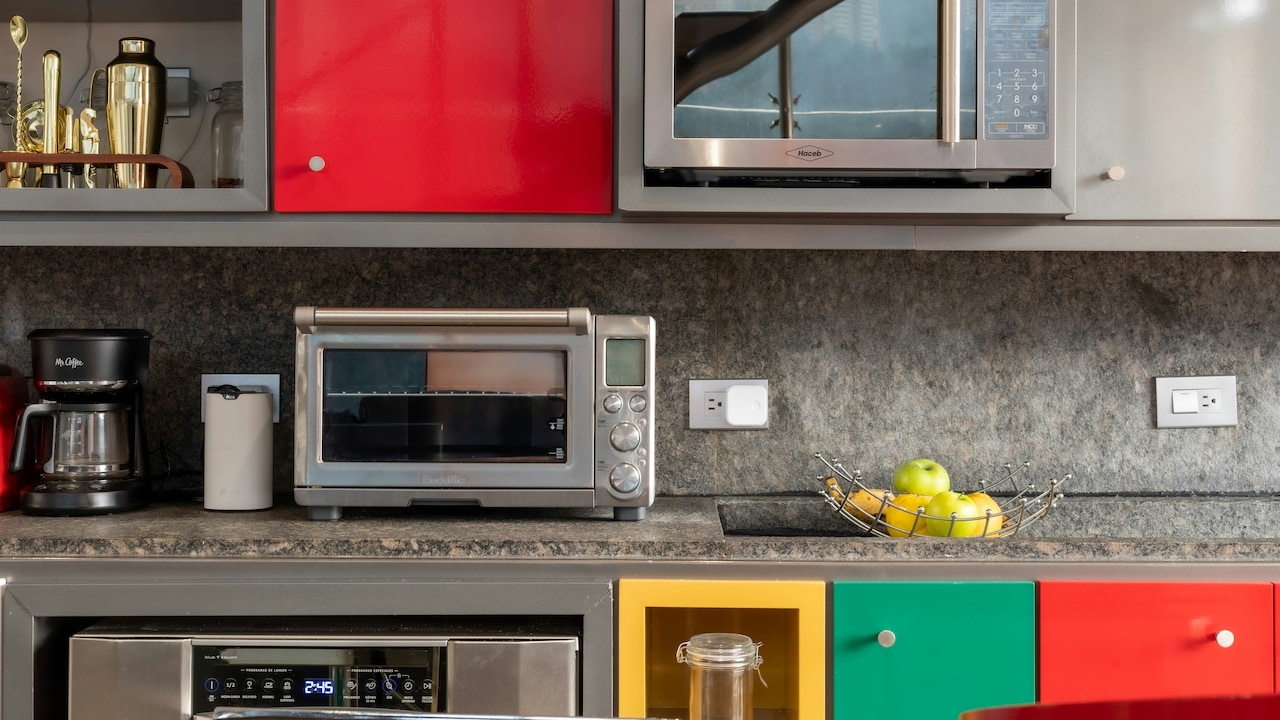
Know When Convection Ovens Make Sense: Benefits, Cooking Tips and Best Home Kitchen Methods.
Modern kitchens balance tradition with convenience. Pressure cookers still whistle away, while air fryers and microwave ovens compete for attention. In this mix sits the convection oven, often misunderstood and sometimes underused. Many buy it with excitement, bake a cake once, and then let it gather dust beside old recipe books.
A convection oven works differently from a standard oven. It uses a fan to circulate hot air, cooking food more evenly and often faster. This simple change can transform everyday dishes, from crisp samosas to soft dinner rolls. Yet it does not suit every household or every cooking habit.
This article breaks down when convection ovens make sense, especially for homes that enjoy variety in cooking. It explains benefits without hype, shares practical cooking tips, and suggests the best ways to use this appliance in a home kitchen. Expect familiar flavours, relatable moments, and guidance that feels useful rather than technical.

Convection Oven Benefits, Cooking Tips and Smart Uses for Home Kitchens
Photo Credit: Unsplash
Understanding When And How Convection Ovens Work Best
1. Understanding What a Convection Oven Really Does
A convection oven looks like a regular oven, but its hidden fan changes everything. The fan pushes hot air around the food, reducing cold spots. This leads to even browning and consistent cooking. In a standard oven, heat rises and stays uneven, which often causes burnt edges and raw centres.
This airflow helps dishes cook more quickly. Biscuits bake faster. Vegetables roast evenly without constant turning. For busy households, this time-saving matters. When dinner must appear before the evening serial begins, minutes count.
Convection ovens also allow cooking on multiple racks. This feature suits batch cooking, especially during festivals or family gatherings. Trays of cookies or cutlets can bake together without swapping shelves every few minutes.
However, convection ovens need small adjustments. Temperatures often work best at 20°C lower than standard recipes suggest. Once this habit settles in, cooking becomes smoother. Understanding this core function builds confidence and prevents early disappointment with the appliance.
2. When a Convection Oven Makes Practical Sense at Home
Not every kitchen needs a convection oven. It makes sense when cooking goes beyond reheating leftovers. Homes that enjoy baking, roasting, or experimenting with global dishes gain the most value.
Families that prepare snacks at home also benefit. Items like bread rolls, kebabs, or roasted nuts turn out better with circulated heat. Crisp exteriors and soft centres become easier to achieve.
Space matters too. Compact kitchens suit combination microwave convection ovens. These models handle reheating, grilling, and baking in one unit. Prices usually range from ₹8,000 to ₹20,000, depending on features.
Frequency of use decides value. If baking happens once a year, the oven may feel unnecessary. If weekend pizzas, cakes for birthdays, or healthier roasted meals appear often, the convection oven earns its place. It rewards curiosity and regular use rather than occasional experiments.
3. Baking at Home: Cakes, Cookies and Breads
Baking remains the strongest reason to own a convection oven. Cakes rise evenly. Cookies brown without burnt bottoms. Bread develops a gentle crust with a soft crumb inside.
Home bakers often struggle with uneven results in regular ovens. One side burns while the other stays pale. Convection airflow solves this frustration. Heat reaches all corners, reducing the need to rotate pans mid-bake.
Temperature control still matters. Recipes written for conventional ovens need slight adjustment. Lowering the temperature and checking early prevents overbaking. Once this rhythm sets in, baking becomes predictable and enjoyable.
Festive seasons highlight this benefit. Dozens of cupcakes or trays of nankhatai bake together. The kitchen smells wonderful, and the oven works efficiently. For those who enjoy gifting homemade treats, a convection oven turns baking from a challenge into a pleasure.
4. Roasting Vegetables and Snacks with Better Texture
Roasting transforms simple vegetables into flavourful dishes. Potatoes turn golden. Cauliflower crisps at the edges. Even humble carrots develop sweetness. A convection oven handles this beautifully.
The circulating heat removes moisture quickly. This creates crisp textures without excessive oil. Health-conscious cooks appreciate this advantage. A drizzle of oil replaces deep frying, saving calories without losing taste.
Snacks benefit too. Roasted makhana, spiced chickpeas, or peanuts cook evenly and store well. These snacks suit evening tea or school tiffins. Preparation stays simple, and clean-up remains easy.
Consistent heat also prevents burning. Turning trays once halfway through often suffices. This ease encourages more home roasting and less reliance on packaged snacks. Over time, the oven supports healthier habits without feeling restrictive.
5. Cooking Traditional Dishes in a Modern Way
Traditional recipes adapt surprisingly well to convection ovens. Tandoor-style dishes, baked samosas, and even certain festive sweets work with minor tweaks. The key lies in understanding heat behaviour.
Marinated paneer or vegetables cook evenly when placed on a wire rack. Drippings fall away, preventing sogginess. Rotating skewers once ensures balanced cooking. Results feel close to restaurant-style dishes.
Baked versions of favourites reduce oil use. Samosas develop crisp shells. Cutlets brown evenly. While the taste differs slightly from deep-fried versions, many find the lighter result satisfying.
The oven does not replace all traditional methods. Some dishes still belong on the stovetop or in a kadhai. Yet the convection oven adds flexibility. It allows modern interpretations while respecting familiar flavours.
6. Cooking Multiple Dishes at Once
One underrated benefit of convection ovens lies in multitasking. The circulating heat reduces flavour transfer between dishes. Sweet and savoury items cook together without blending aromas.
This feature proves useful during gatherings. One rack holds appetisers. Another baked dessert. Everything finishes close to the same time. Hosts spend less time juggling pots and more time with guests.
Weekday efficiency improves, too. Vegetables roast below while chicken or paneer bakes above. A full meal emerges from one appliance. Energy use stays efficient, and the kitchen remains cooler.
Spacing still matters. Crowded trays block airflow. Leaving gaps ensures even cooking. With practice, planning oven loads becomes second nature. This skill turns the convection oven into a quiet helper during busy days.
7. Energy Efficiency and Cost Considerations
Convection ovens often cook faster than conventional ovens. Shorter cooking times save electricity. Over months of regular use, this efficiency adds up.
Initial costs vary. Entry-level models start around ₹7,000. Advanced versions with sensors and preset menus cost more. The decision depends on cooking habits rather than features alone.
Maintenance costs stay low. Occasional cleaning and careful use prevent issues. Using oven-safe cookware avoids damage. Metal and glass dishes work best, while plastic remains unsuitable.
Compared to ordering food frequently, home cooking saves money. Baking bread or snacks at home reduces monthly expenses. Over time, the oven pays for itself through reduced takeout bills and better portion control.
8. Learning Curve and Common Mistakes
Every new appliance comes with a learning phase. Convection ovens reward patience. Early mistakes often involve temperature errors or overcrowding trays.
Many beginners forget to reduce the temperature. Food then cooks too quickly on the outside. Another common issue involves skipping preheating. Consistent results need a hot oven from the start.
Using the wrong cookware also causes trouble. Shiny metal reflects heat, slowing browning. Dark pans absorb heat better. Understanding these small details improves outcomes quickly.
Reading the manual helps, but hands-on practice teaches more. Simple recipes build confidence. Over time, instinct replaces guesswork. The oven stops feeling intimidating and starts feeling familiar.
9. Best Home Kitchen Methods for Daily Use
Using a convection oven daily does not mean elaborate cooking. Simple habits integrate it into routine meals. Toasting bread, reheating leftovers, or roasting vegetables becomes effortless.
Batch cooking suits busy weeks. Roasted vegetables prepared on Sunday last through several meals. Baked cutlets freeze well and reheat nicely. The oven supports meal planning without extra effort.
Cleaning stays manageable with liners or foil. Wiping spills promptly prevents stubborn stains. A clean oven performs better and smells fresher.
Keeping a small notebook of successful settings helps. Temperatures and times vary by model. Recording wins saves future frustration. This practical approach turns the oven into a reliable kitchen partner rather than an occasional novelty.
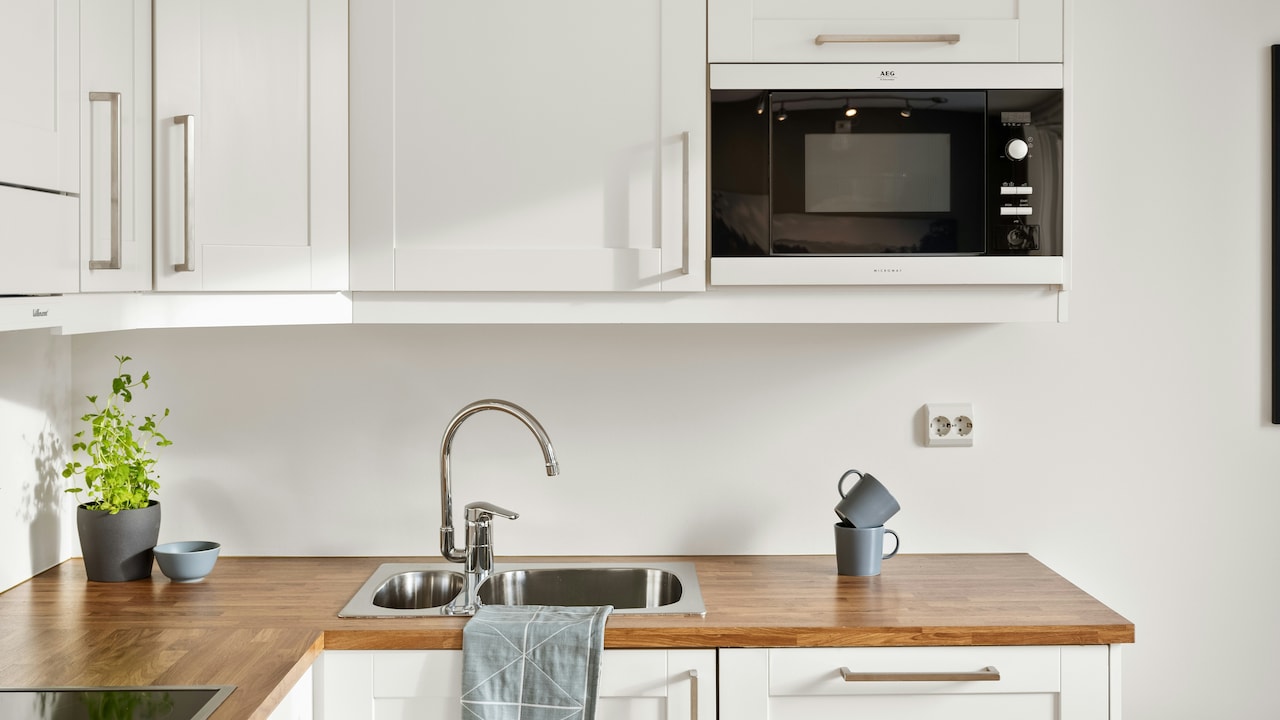
Convection Oven Benefits, Cooking Tips and Smart Uses for Home Kitchens
Photo Credit: Unsplash
10. Is a Convection Oven Right for Every Household?
A convection oven suits homes that enjoy a variety. It rewards experimentation and regular use. Baking enthusiasts, health-focused cooks, and hosts who entertain often gain the most.
For households that rely mainly on stovetop cooking, the oven may feel underused. Space and budget matter too. Compact kitchens require careful planning.
The decision works best when aligned with lifestyle. Those who enjoy weekend cooking projects or homemade snacks appreciate the oven's versatility. Those who prefer quick frying may not.
Understanding personal habits prevents regret. A convection oven does not replace tradition. It complements it. When used thoughtfully, it adds convenience, flavour, and flexibility to everyday cooking.
Products Related To This Article
1. iBELL EO50LGDLX Otg 50 Litre
2. Borosil 60L OTG | BIS Approved, Made in India | Convection Oven Toaster Griller
3. Glen Multi-Function OTG for Kitchen 35 Litre, 2100W
4. AGARO Marvel 48 Liters Oven Toaster Griller
5. Morphy Richards Digital OTG|Capacity - 29 Litre with 13 Preset Men
Convection ovens make sense when cooking goes beyond routine boiling and frying. They shine in baking, roasting, and multitasking. Even traditional dishes find new expressions within their heated walls.
The key lies in understanding how the oven works and adjusting habits slightly. Lower temperatures, good airflow, and patience lead to reliable results. Over time, confidence grows, and creativity follows.
For homes that enjoy experimenting with food or preparing meals ahead, a convection oven proves its worth. It saves time, reduces oil use, and opens new possibilities. When chosen thoughtfully and used regularly, it becomes less of an appliance and more of a trusted kitchen ally.
(Disclaimer: This article may include references to or features of products and services made available through affiliate marketing campaigns. NDTV Convergence Limited (“NDTV”) strives to maintain editorial independence while participating in such campaigns. NDTV does not assume responsibility for the performance or claims of any featured products or services.)