Sandwich Maker vs Panini Press: 7 Key Differences And Which One Should You Buy?
Choosing between a sandwich maker and a panini press can feel confusing. This guide breaks down seven key differences in design, versatility, price and performance to help you pick the right appliance for your kitchen.
Sandwich Maker Vs Panini Press: Key Differences, Pros, Cons And Which One Is Worth Buying.
Few kitchen comforts rival the sound of bread sizzling on a hot plate. Across busy households, toasted sandwiches have quietly evolved from simple snacks into dependable meals. Whether it is a quick breakfast before catching a local train or a relaxed weekend brunch with friends, toasted sandwiches hold a special place in modern kitchens.
As appliance brands expand their offerings, shoppers now face two popular options: the classic sandwich maker and the stylish panini press. At first glance, they appear almost identical. Both heat bread, melt cheese, and promise café-style results at home. Yet their design, cooking style, versatility, and price create meaningful differences.
Choosing between them is not merely about features. It depends on cooking habits, available kitchen space, and how adventurous one feels with food. Some households prefer speed and simplicity, while others enjoy experimenting with wraps, grilled vegetables, or thick artisanal bread.
This article explores seven essential differences between sandwich makers and panini presses, followed by practical insights that make the final decision easier. The aim is simple: help readers invest wisely, avoid buyer's regret, and ensure every toasted bite feels worth it.
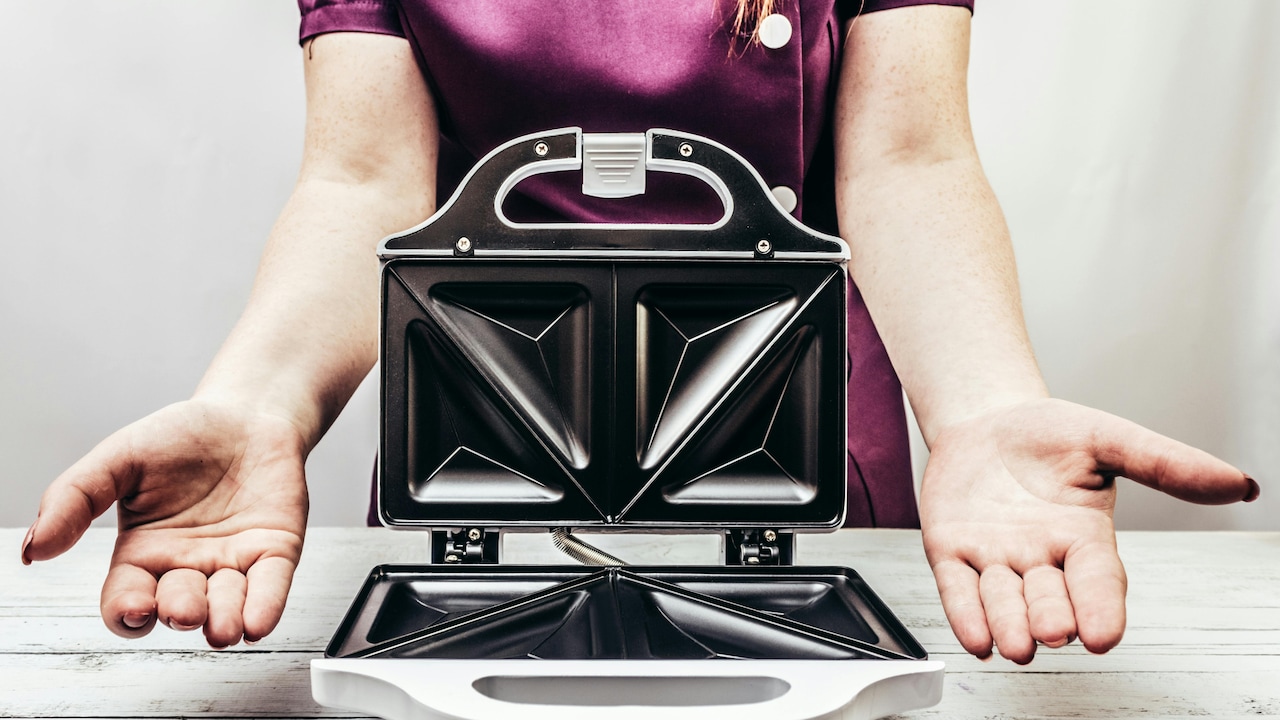
Sandwich Maker vs Panini Press: 7 Key Differences And What You Should Buy; Photo Credit: Pexels
Breaking Down The Sandwich Maker And Panini Press Debate
Cooking Style And Design Philosophy
The most noticeable difference begins with how each appliance approaches cooking. A sandwich maker follows a focused design. Its plates usually contain triangular or rectangular moulds that seal the bread edges while toasting. The result feels familiar: neat pockets filled with melted cheese, vegetables, or chutney spreads that stay tucked safely inside.
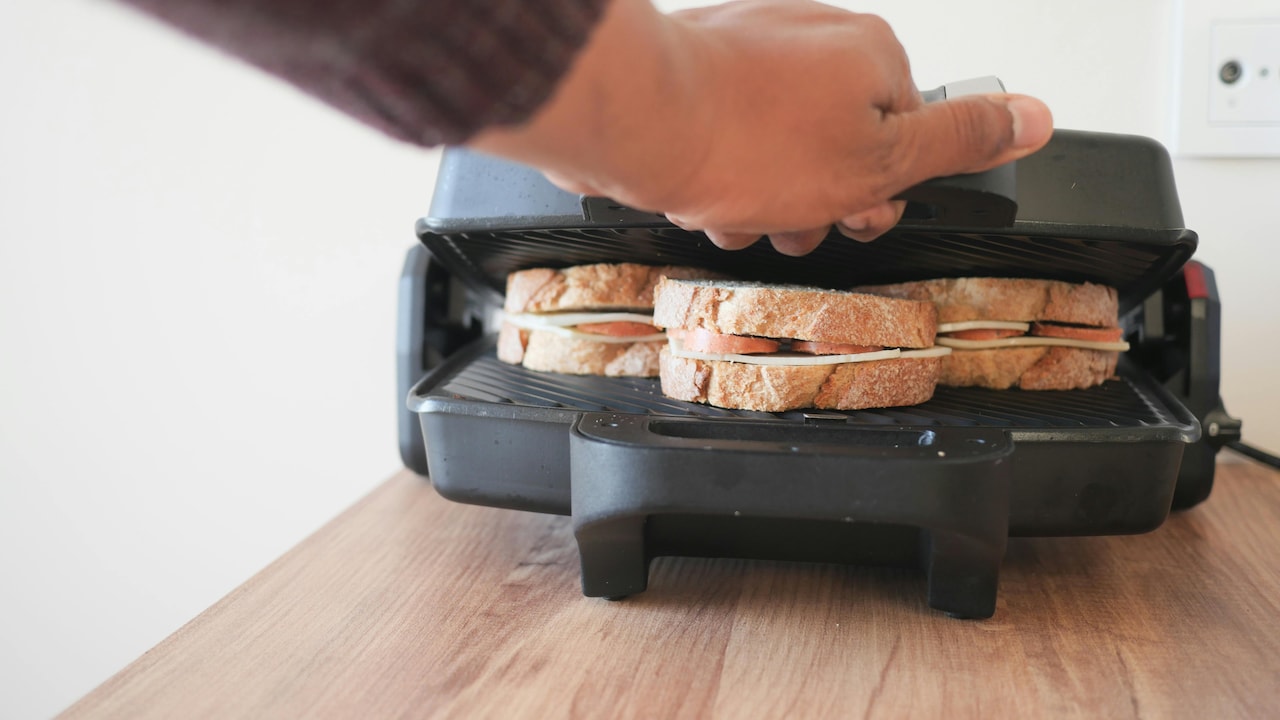
A panini press, however, embraces flexibility. Flat or ridged plates press down evenly without sealing edges. Instead of shaping the sandwich, it grills it. This subtle change transforms texture. Bread develops crisp grill marks, fillings remain slightly exposed, and the sandwich feels closer to café fare than home snack.
The sandwich maker suits routines built around speed. Place the bread, close the lid, wait a few minutes, and breakfast appears ready. A panini press invites experimentation. Thick sourdough slices, stuffed wraps, or leftover pav bhaji pressed into toasted rolls all work beautifully.
Design philosophy shapes expectations. One appliance prioritises convenience and consistency, while the other celebrates creativity. Choosing between them depends on whether cooking feels like a task to finish quickly or a small daily pleasure worth exploring.
Also Read: Top 5 Sandwich Makers That Don't Squish The Bread Too Flat, From Milton, Prestige, Kent to iBell
Versatility Beyond Sandwiches
Versatility often becomes the deciding factor for buyers who want maximum value from every rupee spent. A sandwich maker performs its core job exceptionally well but rarely moves beyond it. Its fixed moulds limit cooking options. Attempting thicker foods often leads to uneven cooking or overflowing fillings.
A panini press behaves more like a compact grill. Its flat surface accommodates wraps, garlic bread, cutlets, paneer slices, and even reheated leftovers. Many households discover that yesterday's rotis transform into crispy rolls when pressed with vegetables and cheese. Such adaptability turns the appliance into a daily companion rather than an occasional gadget.
This difference matters in smaller kitchens where every appliance must justify its presence. Spending around ₹2,500 to ₹5,000 on a panini press may feel worthwhile when it replaces multiple cooking tools. A sandwich maker, often priced between ₹1,200 and ₹2,500, appeals to those who want a dedicated solution without experimentation.
Versatility ultimately reflects lifestyle. Busy weekday routines favour simplicity, while curious cooks appreciate appliances that adapt to changing menus and spontaneous cravings.
Texture, Taste, And Eating Experience
Taste rarely depends only on ingredients. Texture plays an equally powerful role. A sandwich maker produces a sealed, evenly toasted snack with soft interiors and crisp edges. The filling steams gently inside, creating a comforting, almost nostalgic bite reminiscent of school tiffin breaks.
A panini press delivers a different sensory experience. The pressing action compresses ingredients slightly, encouraging caramelisation. Bread turns crunchy outside while remaining chewy within. Grill lines add visual appeal, and fillings gain subtle roasted flavours.
Consider a cheese and vegetable sandwich prepared on both appliances. The sandwich maker creates a tidy, snack-like portion ideal for quick eating. The panini press produces something closer to café food, suitable for slow breakfasts or evening gatherings with chai.
Eating experience shapes emotional satisfaction. Some prefer predictable comfort, while others enjoy restaurant-style textures at home. Neither option proves superior; they simply serve different moods.
Food often connects with memory and atmosphere. The appliance chosen influences not only flavour but also how meals feel, whether rushed between meetings or savoured during relaxed conversations.
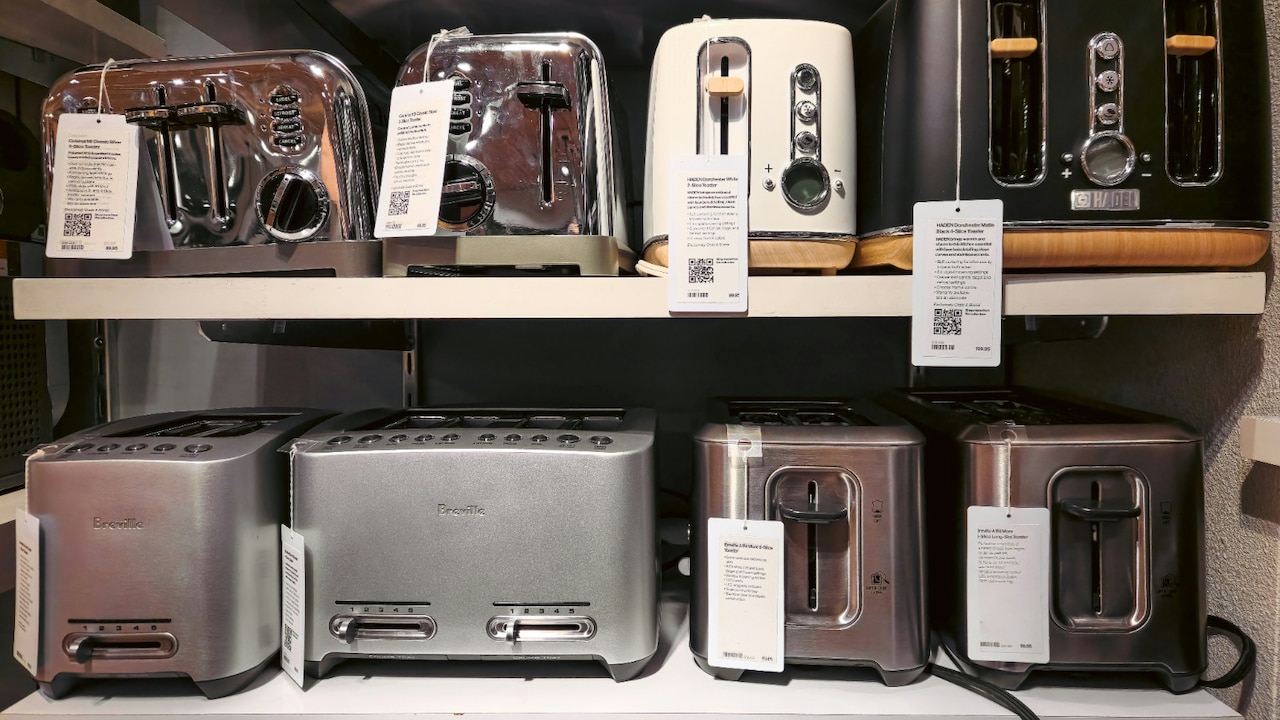
Sandwich Maker vs Panini Press: 7 Key Differences And What You Should Buy; Photo Credit: Pexels
Ease Of Use And Learning Curve
Kitchen appliances succeed when they simplify life rather than complicate it. In this regard, sandwich makers excel. The operation requires minimal effort. Plug in, preheat, assemble the sandwich, close the lid, and wait for an indicator light. Even teenagers preparing their first meal manage comfortably.
A panini press demands slightly more awareness. Thickness adjustments, temperature control, and positioning require attention. Bread may burn if left unattended, especially at higher heat settings. While not difficult, it encourages active cooking rather than passive waiting.
For households where mornings feel chaotic, simplicity becomes priceless. Preparing breakfast in under five minutes without supervision makes the sandwich maker attractive. A panini press suits slower cooking moments when someone enjoys monitoring browning levels and experimenting with fillings.
Ease of use also affects confidence. Beginners often appreciate appliances that remove guesswork. Enthusiastic cooks, meanwhile, enjoy tools that allow control and creativity. The difference resembles automatic versus manual driving; both reach the destination, yet the journey feels distinct.
Cleaning And Maintenance Reality
Cleaning often decides whether an appliance becomes a favourite or gathers dust in a cupboard. Sandwich makers typically feature non-stick plates that wipe clean easily. Since fillings remain sealed, spills stay minimal. A quick tissue wipe usually completes the job.
Panini presses present a slightly messier reality. Open plates allow cheese or sauces to escape during cooking. Ridged surfaces trap crumbs and oils, requiring careful cleaning after each use. Some modern models include removable plates, which simplify washing but increase the price.
Maintenance habits influence long-term satisfaction. Those who prefer a quick cleanup after meals may lean towards sandwich makers. Busy evenings rarely leave time for scrubbing grill grooves.
However, frequent users of panini presses often accept extra cleaning as part of the cooking experience. The reward lies in expanded cooking possibilities. Like any grill, a little effort ensures better results.
Choosing wisely means honestly assessing patience levels. An appliance that feels tedious to clean rarely survives daily use, regardless of impressive features.
Size, Storage, And Kitchen Space
Urban kitchens often operate within tight spatial limits. Countertop space feels precious, and bulky appliances struggle to earn permanent placement. Sandwich makers usually win this category due to their compact design. Many models stand vertically for storage, sliding neatly into cabinets.
Panini presses tend to appear larger and heavier. Adjustable hinges and wider plates demand more storage room. Some designs look stylish enough to remain on the counter, yet not every kitchen allows that luxury.
Space considerations extend beyond storage. A sandwich maker heats quickly and suits smaller electrical setups. A panini press may require slightly more counter clearance due to heat dispersion and lid movement.
Practical decisions often outweigh aspiration. Purchasing a larger appliance only to store it inconveniently reduces usage frequency. Compact tools encourage regular cooking because they remain accessible.
Kitchen size quietly influences buying satisfaction. The best appliance fits seamlessly into daily routines without forcing rearrangements or creating clutter.
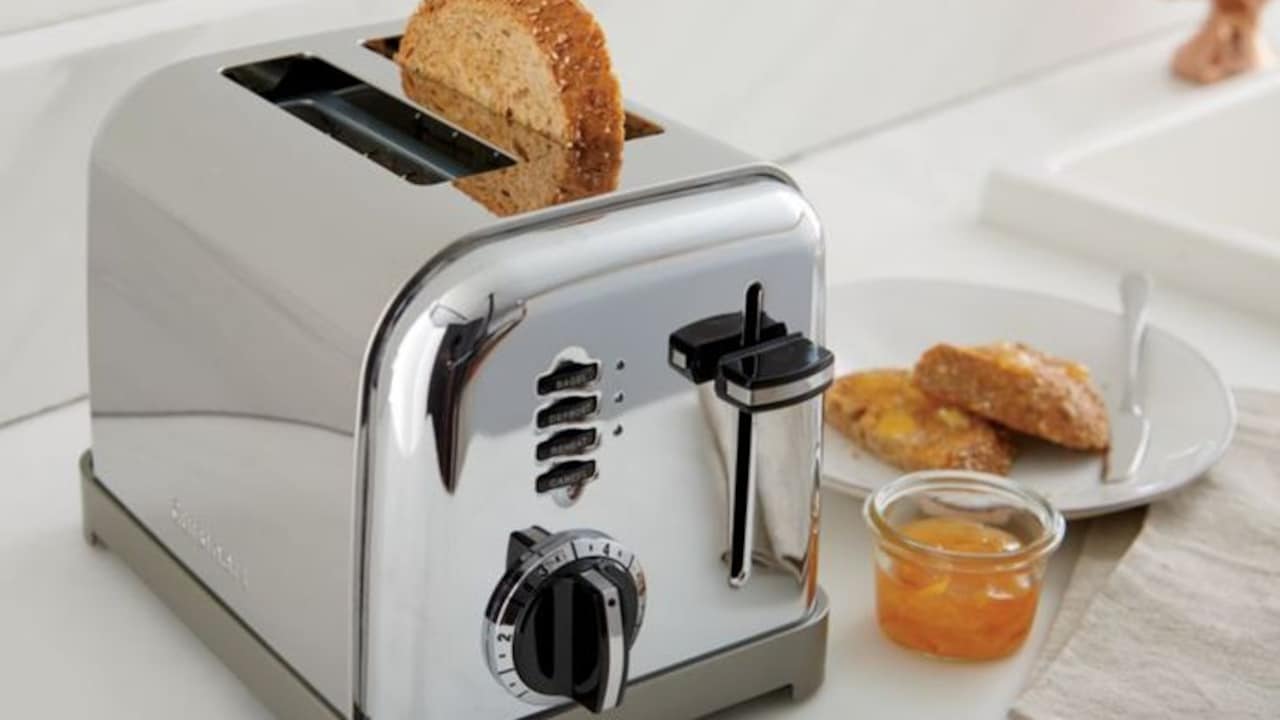
Sandwich Maker vs Panini Press: 7 Key Differences And What You Should Buy; Photo Credit: Pexels
Price, Value, And Long-Term Investment
Budget conversations rarely end with purchase price alone. A sandwich maker usually costs less upfront, making it appealing for students, first-time renters, or anyone assembling a functional kitchen affordably. Spending around ₹1,500 feels manageable while still delivering reliable performance.
Panini presses require a higher initial investment, often starting near ₹3,000 and reaching ₹7,000 for premium models. The price reflects versatility, adjustable controls, and sturdier construction.
Value depends on the frequency of use. If toasted sandwiches appear only occasionally, a sandwich maker delivers excellent cost efficiency. However, households that grill vegetables, toast breads, or reheat snacks regularly may find the panini press offers better long-term utility.
Energy consumption also matters. Quick cooking cycles in sandwich makers consume less electricity overall, whereas longer grilling sessions increase usage slightly.
Financial decisions benefit from honesty about habits. Buying an advanced appliance that remains unused wastes more money than choosing a simpler option used daily. True value emerges from consistent enjoyment rather than feature lists.
Who Should Buy A Sandwich Maker?
The sandwich maker suits individuals who prioritise speed, familiarity, and reliability. Morning routines that demand efficiency benefit greatly from their predictable operation. It shines in homes where breakfast must appear quickly before work or school.
Families with children often appreciate sealed sandwiches that prevent messy spills. The appliance also feels reassuring for beginners who prefer straightforward cooking without monitoring heat levels.
Its affordability makes it ideal for smaller budgets or secondary kitchens such as hostel rooms or studio apartments. Despite simplicity, it consistently delivers satisfying results.
The sandwich maker thrives when expectations remain clear. It performs one task exceptionally well and rarely disappoints. Those seeking comfort food rather than culinary experimentation often discover lasting satisfaction with this humble appliance.
Who Should Buy A Panini Press?
A panini press attracts those who view cooking as exploration. Anyone who enjoys café-style meals at home finds immense value in its grilling capability. From stuffed wraps to toasted pav filled with leftover curry, possibilities expand quickly.
Home entertainers appreciate presentation benefits. Grill marks elevate even simple sandwiches, making them suitable for guests without extra effort. Adjustable pressure also accommodates thicker breads and generous fillings.
Though slightly pricier, the panini press rewards frequent use. It works well for individuals who cook multiple snacks throughout the day or experiment with textures and flavours.
This appliance suits kitchens where cooking doubles as relaxation. The process feels interactive and creative, transforming everyday ingredients into something special.
Products Related To This Article
1. KENT Sandwich Grill | Ceramic Coated,Non-Toxic,Non Stick,Fixed Grill plate
2. Longway Crisp Master 1000 W Electric Panini Sandwich Maker, Grill & Toaster
3. iBELL SM1515 Sandwich Maker with Floating Hinges
4. Wipro Elato BS203 1400W Extra Large 4-Slice sandwich maker with Ceramic Plates
5. Non-Stick Grill Sandwich Toaster Gas Stove Compatible
6. Milton Royal Express 800W Griller Sandwich Maker & Toaster
7. Crompton InstaServe Toast 800 Watts Sandwich maker with Powerful Heating element
Choosing between a sandwich maker and a panini press ultimately reflects lifestyle rather than superiority. Both appliances deliver delicious toasted food, yet they serve different expectations.
The sandwich maker champions efficiency, affordability, and simplicity. It suits fast-paced routines, compact kitchens, and anyone seeking dependable comfort food without effort. The panini press celebrates versatility, creativity, and café-inspired textures, rewarding those who enjoy experimenting with meals.
Before purchasing, consider cooking habits, kitchen space, and willingness to clean and experiment. The right appliance aligns naturally with daily life rather than forcing change.
In the end, the best choice ensures that a simple toasted sandwich continues to bring warmth, convenience, and small moments of joy to everyday living. After all, good food rarely depends on complexity; it thrives on tools that match how people truly cook and eat.
(Disclaimer: This article may include references to or features of products and services made available through affiliate marketing campaigns. NDTV Convergence Limited (“NDTV”) strives to maintain editorial independence while participating in such campaigns. NDTV does not assume responsibility for the performance or claims of any featured products or services.)