Cool Mist Vs Warm Mist Humidifiers: Which Works Better During Monsoons?
Choosing a humidifier during monsoons can be tricky. Compare cool mist and warm mist models to find out which works best in humid weather.
Key differences to know about cool mist vs warm mist humidifiers
The arrival of monsoon clouds often feels like nature's grand celebration. The smell of wet earth drifts through open windows, tea stalls become busier than ever, and sudden downpours turn ordinary roads into miniature rivers. Yet alongside the charm comes a less glamorous reality. Homes can feel damp, clothes take forever to dry, and indoor air may become heavy and uncomfortable. Humidity plays a major role in this seasonal shift. During monsoons, moisture levels in the air naturally rise. This creates an important question for anyone considering a humidifier: does a cool mist humidifier make sense, or does a warm mist model offer better performance?

Photo Credit: Pexels
The answer is not always straightforward. Both devices add moisture to the air, but they operate differently and suit different conditions. Understanding these differences can help households improve comfort without creating an indoor rainforest.
Also Read: Humidifiers For Home: The Portal To Healthier Air But Do You Actually Need One?
Key Differences Between Cool Mist Vs Warm Mist Humidifiers
Understanding How Humidifiers Work
Before comparing the two types, it helps to understand the basic purpose of a humidifier. These devices release moisture into indoor air to prevent excessive dryness. Dry air can irritate the skin, throat, and nasal passages, while balanced humidity creates a more comfortable living environment.
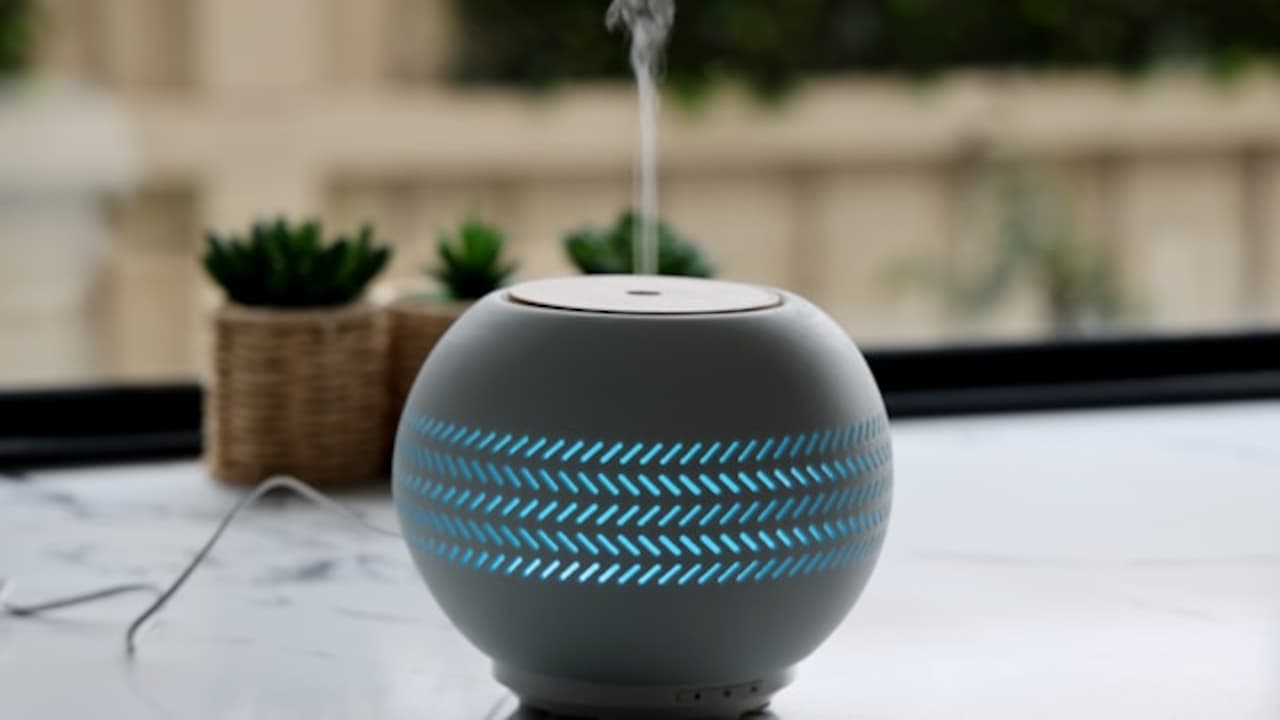
Cool mist humidifiers disperse room-temperature water droplets into the air. Warm mist humidifiers boil water first and then release warm steam. Although both achieve similar goals, the way they interact with indoor conditions differs significantly.
During monsoons, when outdoor humidity often exceeds comfortable levels, selecting the right device requires careful consideration. Adding moisture without understanding existing conditions can sometimes make a room feel more uncomfortable rather than less.
Why Humidity Levels Matter During Monsoons
Rainy weather naturally increases atmospheric moisture. In many cities, humidity levels can remain above 70 per cent for extended periods. At such levels, indoor spaces may feel sticky and poorly ventilated.
When humidity becomes excessive, people often experience discomfort, sluggishness, and difficulty sleeping. Damp conditions may also encourage mould growth and dust mites. This makes humidity management particularly important during the rainy season.
A common misconception suggests that humidifiers are always beneficial. In reality, homes already experiencing high moisture levels may not need additional humidity. Monitoring indoor conditions with a hygrometer often provides a clearer picture than relying solely on how the air feels.
The best humidifier choice during monsoons depends heavily on local weather patterns, indoor ventilation, and personal comfort preferences.
Cool Mist Humidifiers And Their Monsoon Performance
Cool mist humidifiers remain popular because they consume less electricity and generally cover larger spaces effectively. They release a fine mist that blends quickly with room air without raising temperatures.
During monsoons, their biggest advantage lies in comfort. Since they do not generate heat, rooms remain cool and pleasant. This can be especially valuable in coastal regions where humidity and warmth combine to create a muggy atmosphere.
However, cool mist devices require regular cleaning. Stagnant water can encourage bacterial growth if maintenance is neglected. During damp weather, this concern becomes even more important because moisture-rich environments already support microbial activity.
For households using air conditioning, cool mist humidifiers may help balance indoor dryness caused by prolonged cooling. Yet in naturally humid homes, adding extra moisture without monitoring levels can lead to an uncomfortable indoor environment.
Their effectiveness therefore depends on proper humidity control rather than continuous operation.
Warm Mist Humidifiers And Their Monsoon Performance
Warm mist humidifiers work by heating water until it produces steam. This process kills many microorganisms before releasing moisture into the air.
One notable advantage is cleanliness. Because water undergoes heating, fewer bacteria reach the surrounding environment. Many users appreciate this feature, particularly when family members suffer from respiratory sensitivities.
Yet warm mist humidifiers introduce an interesting challenge during monsoons. They add heat to already warm indoor spaces. On a rainy evening, this may feel cosy, but during humid afternoons, the extra warmth can make rooms feel stuffy.
Energy consumption also tends to be higher due to the heating element. While the difference may not dramatically increase monthly electricity bills, it remains a factor for households aiming to reduce operating costs.
Warm mist models often perform best when cooler temperatures accompany rainy weather, particularly in hilly regions where evenings become noticeably chilly.
Energy Consumption And Running Costs
Electricity costs influence many household purchases, especially appliances expected to run regularly. When comparing cool mist and warm mist humidifiers, energy efficiency becomes an important consideration.
Cool mist models generally use significantly less electricity because they rely on ultrasonic technology or evaporative systems instead of heating water. This translates into lower operating costs over time.
Warm mist humidifiers require energy to boil water continuously. While daily expenses may seem small, months of regular use can create a noticeable difference in power consumption.
Imagine a family running a humidifier every evening throughout the rainy season. A cool mist unit may quietly perform its job without much impact on electricity usage, whereas a warm mist model gradually consumes more energy because of its heating function.
For budget-conscious households, cool mist humidifiers often provide better long-term value. The savings may not fund a weekend getaway, but they could certainly cover several rounds of monsoon snacks and hot chai.

For budget-conscious households, cool mist humidifiers often provide better long-term value; Photo Credit: Pexels
Health And Respiratory Considerations
Health concerns often motivate people to purchase humidifiers. Dry throats, nasal irritation, and breathing discomfort frequently improve when humidity levels become balanced.
Cool mist humidifiers can effectively soothe respiratory passages without affecting room temperature. Many families prefer them for children because there is no risk of accidental burns from hot steam.
Warm mist models, however, offer a comforting sensation when someone experiences congestion. The warm vapour may help loosen mucus and create a soothing environment during seasonal illnesses.
During monsoons, respiratory issues often arise due to mould spores and fluctuating weather conditions. In such cases, maintaining appropriate humidity levels becomes more important than choosing a specific mist temperature.
The healthiest indoor environment usually falls between 40 and 60 per cent humidity. Exceeding this range may encourage mould growth, which can worsen respiratory symptoms rather than relieve them.
A humidifier should support healthy air quality, not turn the living room into a tropical greenhouse.
Maintenance Requirements In Damp Weather
Every humidifier demands regular cleaning, but monsoon conditions make maintenance especially critical. Moisture-rich environments naturally encourage bacterial growth, mould formation, and mineral deposits.
Cool mist humidifiers require frequent attention because standing water can become a breeding ground for microorganisms. Tanks should be emptied, rinsed, and dried regularly to maintain hygiene.
Warm mist units generally reduce bacterial concerns through boiling, yet mineral buildup from heated water can accumulate over time. Routine descaling helps maintain efficiency and prolongs appliance life.
Many buyers focus on purchase price while overlooking maintenance responsibilities. A neglected humidifier can quickly undermine indoor air quality, regardless of its design.
Think of a humidifier like a pressure cooker. It performs brilliantly when cared for properly, but neglect eventually leads to problems. Consistent cleaning remains the simplest way to ensure safe and effective operation throughout the rainy season.
Suitability For Different Home Environments
Not every home experiences monsoon weather in the same way. Apartment layouts, ventilation quality, and regional climate all influence humidifier performance.
In well-ventilated homes where air conditioning frequently reduces indoor moisture, a cool mist humidifier often provides sufficient comfort without increasing room temperature.
For homes located in cooler regions where rainy evenings feel genuinely chilly, a warm mist model may create a more pleasant atmosphere. The gentle warmth can enhance comfort while adding moisture.
Small rooms also deserve consideration. Warm mist humidifiers may make compact spaces feel warmer than desired, whereas cool mist units maintain a neutral temperature.
Families should assess their specific environment rather than follow general trends. A humidifier that works wonderfully in one household may prove unnecessary or uncomfortable in another.
The smartest choice depends on actual indoor conditions rather than seasonal assumptions.
Which Humidifier Offers Better Value During Monsoons?
Value extends beyond the purchase price. It includes comfort, efficiency, maintenance requirements, and long-term practicality.
Cool mist humidifiers generally emerge as the more versatile option during monsoons. They consume less electricity, maintain comfortable room temperatures, and suit a wider variety of climates. Their ability to operate without generating heat makes them particularly appealing during humid weather.
Warm mist humidifiers still have their place. They offer cleaner steam output and may provide additional comfort during chilly, rainy nights. However, their higher energy consumption and tendency to warm indoor spaces limit their appeal in many monsoon conditions.
For most households, the benefits of cool mist technology align more closely with the challenges presented by rainy-season humidity. The key lies in careful monitoring and avoiding excessive moisture accumulation.
A humidifier should enhance comfort, not compete with the weather outside.
Products Related To This Article
1. Reffair Caligo 500 Smart Ultrasonic Humidifier
2. Livatro 6L Smart Warm & Cool Mist Humidifier for Bedroom
3. Diffuze Retro Style Flame Aroma Diffuser
4. Aroma Diffuser 500ml Diffuser Sound Machine Combo Diffuser for Aromatherapy Scented
5. TASIGOK Humidifiers for Bedroom Home
6. GoveeLife Smart Humidifiers for Bedroom
7. Levoit Humidifiers 6L Warm&Cool Mist Ultrasonic Humidifier Germ Free&Whisper
The debate between cool mist and warm mist humidifiers becomes particularly relevant during monsoons, when indoor humidity already fluctuates dramatically. While both devices add moisture to the air, their suitability depends on how they interact with seasonal conditions.
Cool mist humidifiers generally perform better during rainy months because they maintain comfortable temperatures, consume less electricity, and adapt well to humid environments. Warm mist humidifiers can still offer benefits in cooler regions or during periods of respiratory discomfort, but they often introduce unnecessary heat into already muggy spaces.
Ultimately, the best choice comes down to understanding indoor humidity levels and personal comfort needs. A well-maintained humidifier used thoughtfully can improve air quality and comfort throughout the season. Yet the real secret lies not in adding more moisture indiscriminately, but in creating balance. After all, monsoons already bring plenty of water to the party.
(Disclaimer: This article may include references to or features of products and services made available through affiliate marketing campaigns. NDTV Convergence Limited (“NDTV”) strives to maintain editorial independence while participating in such campaigns. NDTV does not assume responsibility for the performance or claims of any featured products or services.)