Do Air Purifiers Actually Remove Dust? Separating Fact From Fiction
Air purifiers can reduce airborne dust, but they cannot remove settled dust from surfaces. This is what they actually do, what they don’t, and how to use them wisely.
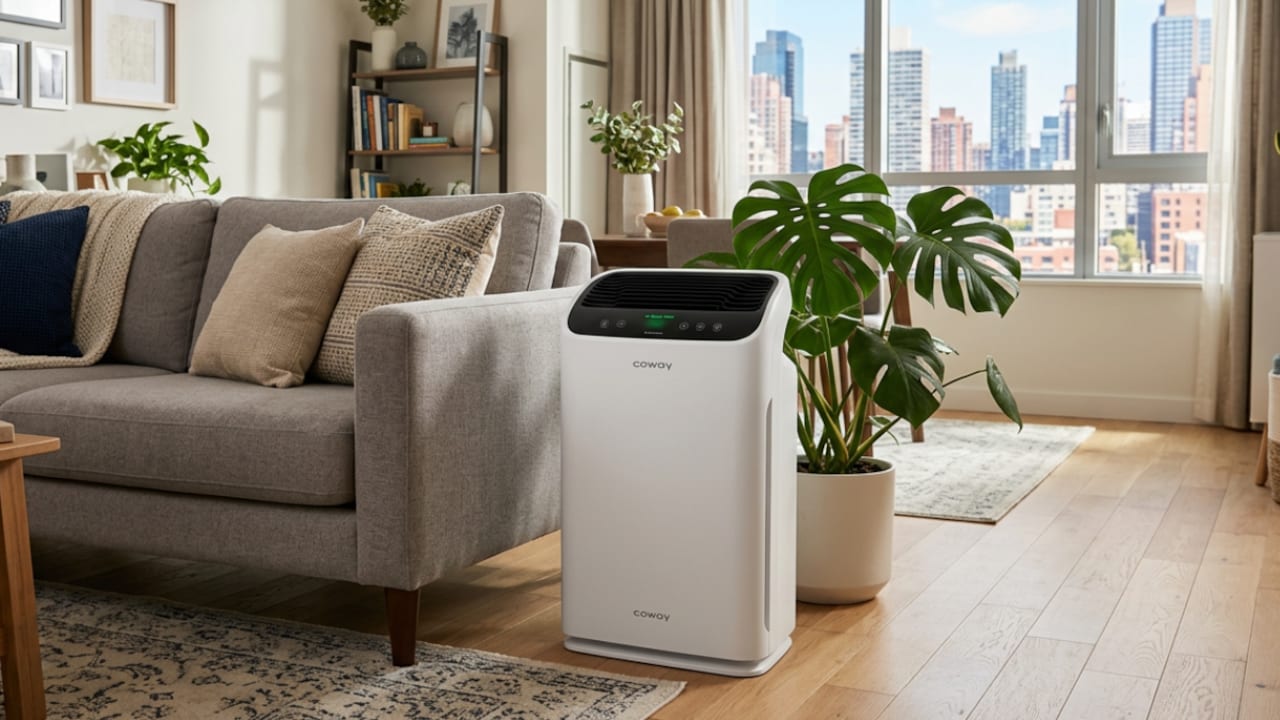
Discover how well do air purifiers remove dust
Every home has its own dust story. In some flats, dust arrives with open balcony doors and busy roads outside. In others, it comes through construction nearby, old curtains, soft furnishings, shoes, pets, cooking, incense, and the daily rhythm of family life. No matter how often someone wipes the centre table, a thin grey film returns like an uninvited guest with excellent timing. This is where air purifiers enter the conversation. They look sleek, hum quietly, and promise a cleaner room. For families dealing with sneezing, allergies, pollution, or a child's cough that worsens at night, that promise feels tempting. But people often expect too much from them. An air purifier is not a vacuum cleaner with wings. It will not chase dust bunnies under the bed or polish the bookshelf.
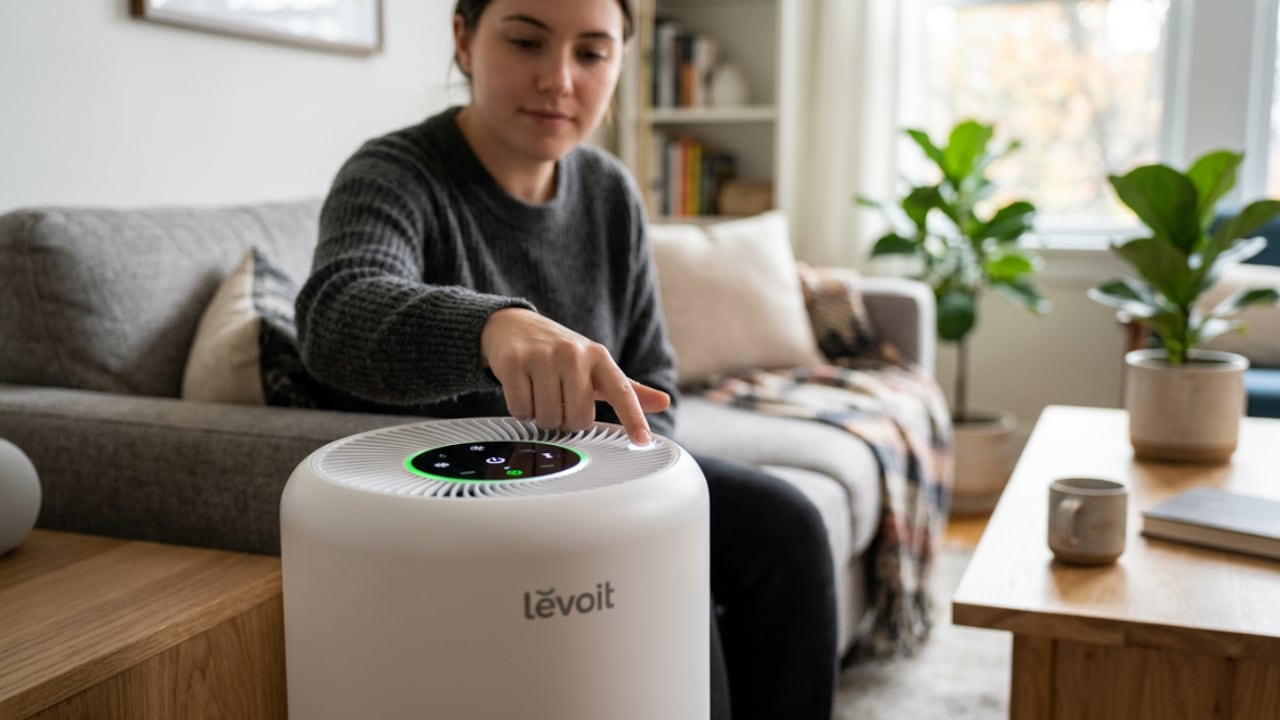
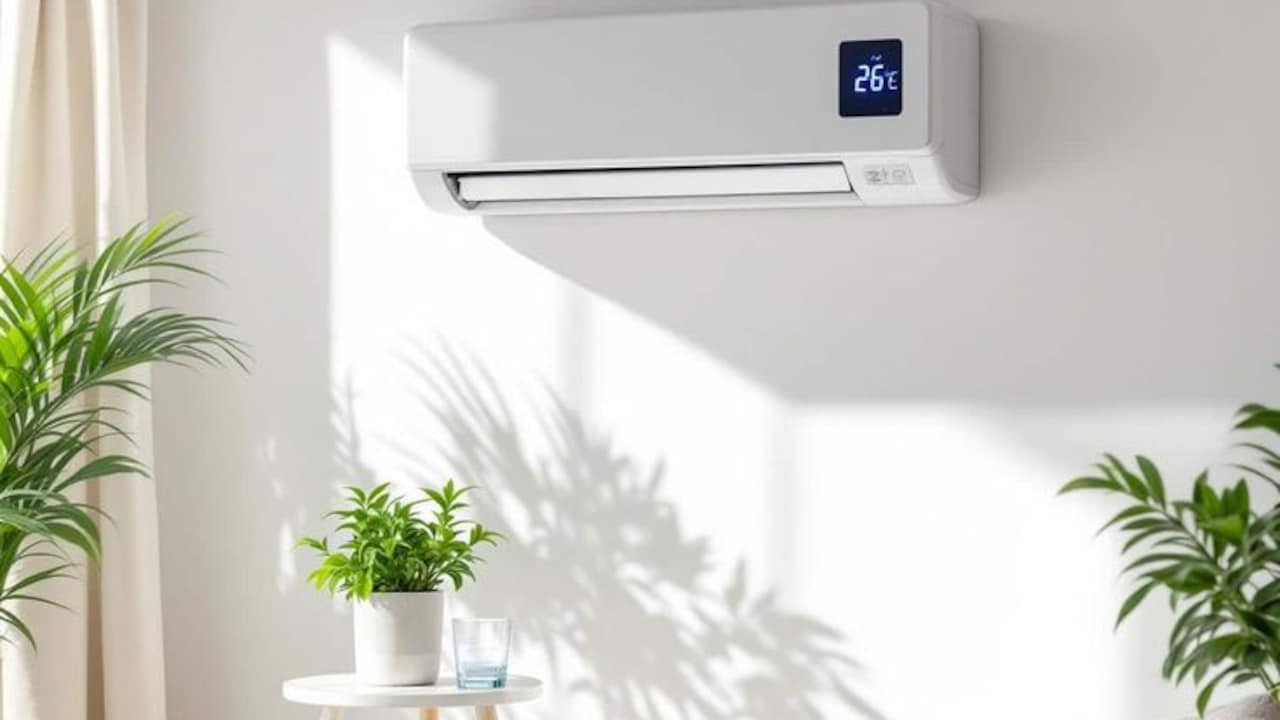
Truth about how well do air purifiers remove dust; Photo Credit: Gemini
What it can do, though, deserves attention. When chosen well and used properly, an air purifier can reduce the amount of dust floating in the air. That means less dust entering your nose, throat, and lungs. It can also slow down how quickly dust settles. The key lies in understanding the difference between airborne dust and settled dust.
Also Read: Breathe Easy: How To Pick The Best Air Purifiers For Dusty City Homes With Open Windows
What You Need To Know Before Buying An Air Purifier
What Dust Really Contains
Dust looks simple from a distance, but it is a tiny, chaotic mixture. It can include soil particles, fibres from clothes, bits of skin, pollen, soot, pet dander, hair, fabric lint, construction residue, cooking particles, and outdoor pollution that sneaks indoors. In many homes, dust also carries microscopic allergens that trigger sneezing, watery eyes, blocked noses, and itchy throats.
This explains why dust feels worse in certain seasons or locations. A home near a main road may collect more soot and fine particles. A flat near a construction site may face a daily powdery invasion. A house with heavy curtains, carpets, old mattresses, and stuffed toys may hold more fabric fibres and dust mites. Add a pet to the mix, and the dust gets its own personality.
Air purifiers deal mainly with the floating part of this mixture. The particles that drift in the air can pass through the purifier and get trapped inside its filter. However, the dust sitting on a shoe rack or windowsill will stay there until someone wipes or vacuums it. That simple distinction solves half the confusion.
How Air Purifiers Capture Dust
Most quality air purifiers work like controlled air traffic. They pull room air in, pass it through filters, and release cleaner air back into the space. The most important part is usually a HEPA filter. A true HEPA filter captures very fine particles, including many dust particles, pollen, mould spores, and pet dander.
Some purifiers also include a pre-filter. This first layer traps larger dust, hair, and lint before they reach the main filter. Think of it as the security guard at the entrance. It catches the obvious troublemakers and helps the main filter last longer. Many pre-filters need regular cleaning, especially in dusty cities or homes near busy roads.
Activated carbon filters serve another purpose. They help reduce some smells from cooking, smoke, pets, and household odours. They do not replace ventilation, but they can make a room feel fresher. Together, these layers help clean air that moves through the machine. The purifier cannot clean air it does not pull in, so placement and room size matter more than many people realise.
The Big Fact: They Remove Airborne Dust
Yes, air purifiers can remove dust, but with one important condition. They remove dust that floats in the air. This includes tiny particles released when someone shakes a bedsheet, opens a cupboard, sweeps the floor, fluffs a pillow, or walks across a dusty room. These particles stay suspended for a while, especially the finer ones, and a purifier can capture many of them.
This matters because airborne dust affects breathing more directly than dust sitting on a table. The dust you inhale comes from the air, not from the top of the fridge unless someone disturbs it. A purifier running in the bedroom may reduce the particles you breathe while sleeping. That can feel helpful for people who wake up with a blocked nose, itchy throat, or morning sneezing.
Still, an air purifier does not create a dust-free bubble. Life keeps producing dust. Doors open, clothes shed fibres, furniture releases particles, and outside air enters. The purifier helps reduce the load, not eliminate the problem. It works best as part of a cleaning routine, not as a replacement for one.
The Big Fiction: They Remove All Dust
The most common myth sounds simple: buy an air purifier and dusting becomes history. Sadly, the dining table will disagree. Air purifiers cannot lift settled dust from surfaces. Once dust lands on shelves, floors, cushions, curtains, fan blades, or electronics, the purifier cannot pull it back like a magical magnet.
This disappointment often starts with advertising. Some brands show spotless rooms and glowing blue air, which makes people imagine total dust control. Real homes do not work that way. A family cooks, folds laundry, opens doors, dries clothes indoors, burns incense, and welcomes guests. Dust returns because daily life keeps creating it.
A purifier can reduce how much dust floats around, which may slow the build-up on surfaces. You may notice that the TV screen needs wiping less often. You may see fewer particles dancing in sunlight. But the broom, mop, microfibre cloth, and vacuum cleaner still keep their jobs. The purifier joins the cleaning team; it does not become the whole department. Expecting miracles leads to frustration. Expecting support leads to satisfaction.
Why HEPA Filters Matter Most
The filter makes the purifier. A stylish body, glowing display, and fancy app mean little if the filter cannot capture fine particles properly. HEPA filters matter because they trap very small airborne particles that ordinary mesh filters may miss. For dust control, this feature makes the real difference.
Many cheaper machines use basic filters and still call themselves air purifiers. They may catch large lint and hair, but fine dust can slip through. That means the room may look unchanged, and allergy symptoms may continue. Before buying, check whether the machine uses a proper HEPA-grade filter and whether replacement filters remain easy to find. A purifier without affordable replacement filters can become an expensive side table.
The pre-filter also deserves respect. In dusty homes, it collects visible dirt quickly. Cleaning it every couple of weeks can improve airflow and protect the HEPA filter. A clogged filter makes the purifier work harder and clean less air. Much like a pressure cooker whistle, the machine will tell you something through sound, smell, or weak airflow. Pay attention before it starts sulking in the corner.

HEPA filters matter because they trap small airborne particles that ordinary mesh filters may miss; Photo Credit: Pexels
Room Size Changes Everything
A small purifier in a large hall is like one ceiling fan trying to cool a wedding venue. It may try its best, but physics will not clap. Every purifier suits a certain room size. If the room exceeds that capacity, the machine cannot cycle the air often enough to reduce dust effectively.
For bedrooms, choose a purifier that matches or slightly exceeds the room size. This helps it clean the air several times in an hour. Bigger spaces need stronger machines or more than one unit. An open-plan living room connected to a kitchen, balcony, and corridor will challenge a tiny purifier, no matter how expensive it looks.
Placement also matters. Keep the purifier away from walls, curtains, and furniture that block airflow. Do not hide it behind a sofa because it ruins the room's “aesthetic”. Let it breathe. A good spot near the usual source of dust, such as a window facing traffic, can help. In bedrooms, place it where air can move freely, not directly beside a pillow. Clean air needs space to travel.
Dust, Pollution, And Everyday Homes
In many cities and towns, dust does not come alone. It brings fine pollution particles from traffic, construction, generators, burning waste, and seasonal haze. These particles can enter through windows, doors, gaps, clothes, bags, and shoes. Once inside, they mix with household dust and stay longer than anyone would like.
An air purifier can help reduce this indoor particle load, especially during high-pollution days. It works best when doors and windows stay closed for part of the day, particularly at night. This does not mean homes should never receive fresh air. Ventilation still matters, especially after cooking or using strong cleaning products. The trick lies in timing. Open windows when outdoor air feels clearer, then run the purifier afterwards.
Households near busy roads or construction may notice more benefit because airborne dust levels rise quickly there. Families with elderly members, young children, pets, or allergy-prone people may also find the cleaner air comforting. A purifier cannot fix outdoor pollution, but it can make one room feel more breathable. Sometimes that one room, especially the bedroom, makes all the difference.
Cleaning Habits Still Decide The Result
A purifier performs better in a home that already fights dust sensibly. Sweeping with a dry broom can send dust flying like Holi colours without the joy. A damp mop, microfibre cloth, or vacuum cleaner with a good filter often does a better job. Wipe surfaces gently, wash curtains regularly, and clean fan blades before they grow their own ecosystem.
Beds need special attention. Mattresses, pillows, blankets, and bedsheets release fibres and collect dust. Changing sheets weekly can reduce the load. Sun-drying bedding, when possible, helps too, though busy schedules do not always allow it. Stuffed toys, heavy rugs, and decorative cushions may look lovely, but they also act like dust banks. Keep what you love, but clean it often.
Remove shoes near the entrance if the household agrees. Road dust travels happily on soles. Use doormats, but wash them rather than letting them become museums of old dirt. When these habits support an air purifier, the room feels cleaner. Without them, the purifier keeps working, but the dust supply never takes a holiday.
Common Mistakes That Reduce Performance
Many people buy a purifier, switch it on for two hours, and expect a dramatic transformation. Air cleaning needs consistency. Running the machine for longer periods, especially in the bedroom, gives it time to cycle air properly. Switching it on only after sneezing starts may help a little, but prevention works better.
Another mistake involves using the lowest fan speed all the time. Silent mode sounds pleasant, but it may clean air slowly. During dusty periods, after cleaning, or when outdoor pollution rises, a higher setting can help. Use low speed at night if noise bothers sleepers, but give the purifier some stronger hours during the day.
Filter neglect causes the biggest trouble. A dirty pre-filter blocks airflow. An old HEPA filter loses efficiency. A saturated carbon filter may stop controlling odours. Follow the filter indicator, but also inspect the machine. Homes with more dust may need earlier maintenance than the manual suggests. Finally, avoid placing purifiers beside open windows all day. The machine will keep cleaning incoming dust like a tired person washing clothes in the rain.
Who Benefits Most From An Air Purifier
Not every home needs an air purifier with the same urgency. A flat in a quieter area with good ventilation, less traffic, and minimal dust may manage well with regular cleaning. But homes near construction, main roads, factories, or dusty open plots may gain more. The same goes for households where people struggle with allergies, asthma, sinus issues, pet dander, or smoke exposure from outside.
Bedrooms often provide the best starting point. People spend long hours sleeping, and breathing cleaner air through the night can support comfort. A purifier in the bedroom may reduce morning sneezing, dusty smells, and the feeling of stale air. For children, older adults, or anyone with sensitive lungs, that comfort can feel valuable.
Cost also matters. A decent purifier needs replacement filters, and those filters may cost a noticeable amount each year. A ₹8,000 machine with rare or costly filters may become less practical than a ₹12,000 model with easy replacements. The best purifier is not always the fanciest one. It is the one that suits the room, runs daily, and gets maintained without drama.
Products Related To This Article
1. Coway Airmega 150 (Ap-1019C) Air Purifier For Home
2. Philips AC0920 Smart Air Purifier for Home
3. LEVOIT Core Mini Air Purifier for Coverage Area 183 Sq Ft
4. Coway Airmega 150 (Ap-1019C) Air Purifier For Home,Longest Filter Life 8500Hrs
5. Qubo Smart Air Purifier Q600 by Hero | Up to 600 Sq. Ft.
6. Philips Air Purifier AC2220
7. Dyson Hushjet Purifier Compact-HJ10
Air purifiers do remove dust, but they remove the dust floating in the air, not the dust already settled on furniture and floors. That single fact separates useful expectation from shiny fiction. A good purifier with a proper HEPA filter can capture fine dust, pollen, pet dander, smoke particles, and other airborne irritants. It can make a bedroom feel fresher, reduce the particles people breathe, and slow down dust build-up on surfaces.
Yet no machine can replace cleaning. Floors still need mopping. Tables still need wiping. Curtains, sheets, carpets, and fans still need attention. Dust enters homes through daily life, and daily life rarely follows a user manual.
So, should you buy one? For dusty homes, allergy-prone families, polluted neighbourhoods, or bedrooms that feel heavy and stale, an air purifier can help. Choose the right size, look for a proper HEPA filter, clean the pre-filter, replace filters on time, and let the machine run long enough to matter.
Think of it as a quiet teammate. It will not win the dust battle alone, but it can make the air you breathe noticeably cleaner.
(Disclaimer: This article may include references to or features of products and services made available through affiliate marketing campaigns. NDTV Convergence Limited (“NDTV”) strives to maintain editorial independence while participating in such campaigns. NDTV does not assume responsibility for the performance or claims of any featured products or services.)