Why Air Coolers Make A Room Feel Sticky During Humid Weather
Air coolers add moisture while lowering temperature. In humid weather, the air cannot absorb much more water, so sweat evaporates slowly, and the room feels damp, muggy and sticky.
Why Air Coolers Make A Room Feel Sticky During Humid Weather
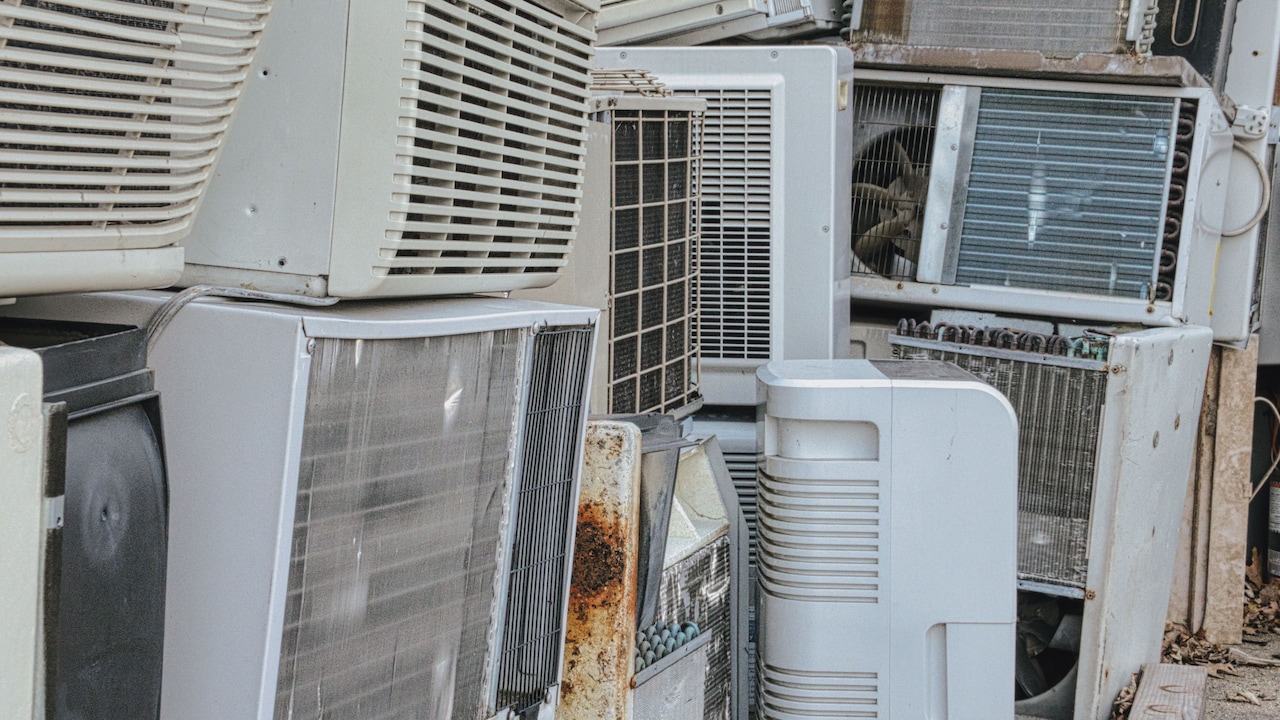
On a scorching May afternoon, an air cooler can feel like a small household miracle. Fill the tank, switch on the pump and within minutes the room feels calmer. The breeze carries that familiar scent of wet cooling pads, the curtains begin to flutter, and the heat loses some of its bite. Then the monsoon arrives. The same cooler that brought relief a few weeks earlier suddenly seems to make the room uncomfortable. Bedsheets feel damp. The floor develops a faint stickiness. Clothes refuse to dry. Even after sitting directly in front of the cooler, the body may feel sweaty rather than refreshed. The machine has not necessarily developed a fault. The change usually comes from the weather itself.
Why Air Coolers Make A Room Feel Sticky During Humid Weather
Photo Credit: Unsplash
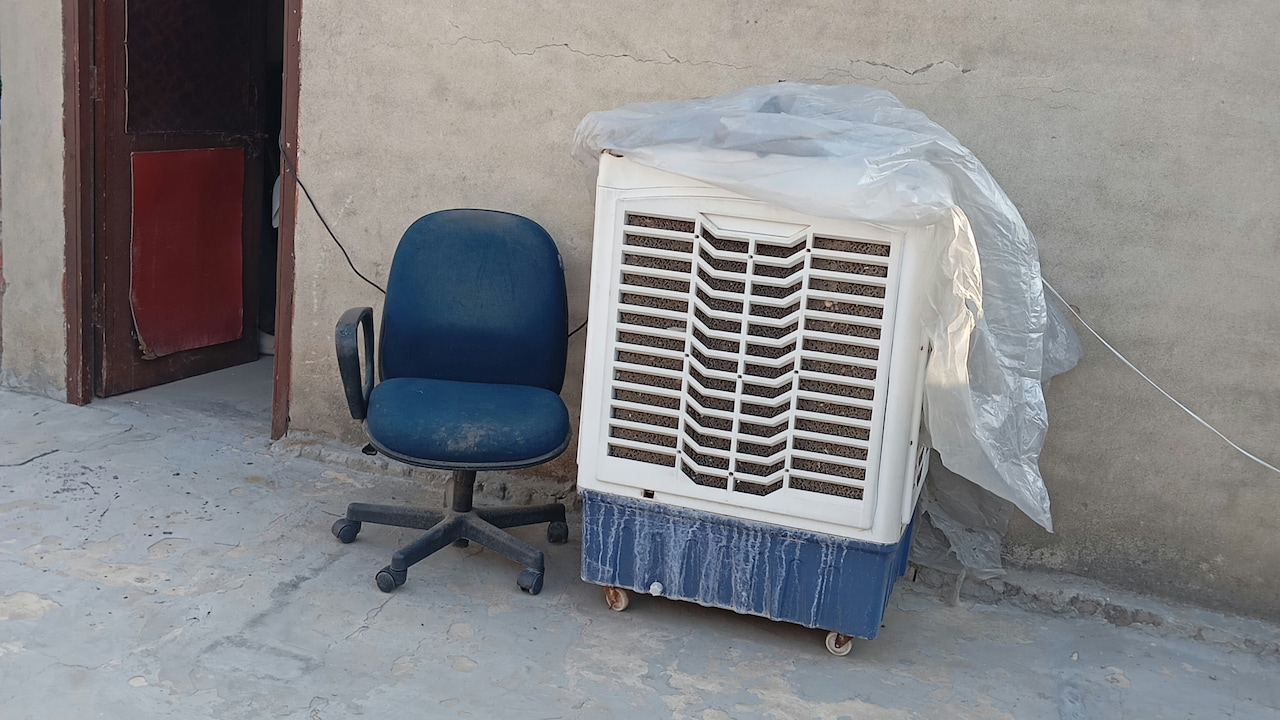
Air coolers depend on evaporation. They work best when the surrounding air is hot and dry. During humid weather, however, the air already contains a large amount of moisture. Adding more water vapour can raise indoor humidity without producing enough cooling. The result is a room that feels heavy, close and strangely sticky. Here is why that happens and what can be done about it.
Why Your Air Cooler Feels Less Effective In Humid Weather
1. Air Coolers Add Moisture While Cooling
An air cooler does not work like an air conditioner. It does not remove heat through a sealed refrigeration system. Instead, it pulls warm air through water-soaked cooling pads.
As the air passes through those pads, some of the water evaporates. Evaporation requires heat, so the process draws heat from the incoming air. The air that enters the room feels cooler, but it also carries extra moisture.
During dry weather, this moisture can feel pleasant. Hot summer air often lacks humidity, especially in inland cities and semi-arid regions. A cooler then reduces the temperature while making the air feel less harsh on the skin, nose and throat.
Humid weather creates a different situation. The air may already be close to its moisture-holding limit. The cooler keeps adding water vapour, but the cooling effect becomes weaker. Indoor humidity rises, and the room begins to feel damp.
This is why a cooler can produce a strong breeze without creating genuine comfort. The air may move quickly, yet the added moisture makes the space feel like a bathroom shortly after a hot shower.
2. Humid Air Cannot Absorb Much More Water
Air can hold water vapour, but its capacity is not unlimited. Warm air can generally hold more moisture than cool air. Relative humidity describes how close the air is to the maximum amount it can hold at a particular temperature.
When relative humidity is low, water evaporates easily. This allows an air cooler to perform well. Water leaves the cooling pads, absorbs heat and enters the air as vapour.
When relative humidity is already high, evaporation slows down. The air has less room for additional moisture. The cooling pads remain wet, but the water cannot evaporate efficiently enough to remove much heat.
Imagine trying to dry a wet towel in a room where several damp clothes are already hanging. The towel may eventually dry, but the process will be frustratingly slow. Humid air creates a similar problem for an air cooler.
The fan may still blow air across the room, giving brief relief through movement. However, the air temperature may not fall significantly. Meanwhile, the moisture released by the cooler accumulates indoors. That combination creates the familiar sticky feeling associated with muggy monsoon afternoons.
3. Sweat Stops Evaporating Efficiently
The human body relies on sweat to control temperature. Sweat itself does not cool the body simply by appearing on the skin. Cooling happens when that sweat evaporates.
In dry air, evaporation occurs quickly. Heat leaves the skin along with the evaporating moisture, helping the body feel cooler. A strong breeze speeds up this process, which explains why a fan can provide relief even without reducing the room temperature.
High humidity interrupts this natural cooling system. When the air already contains plenty of moisture, sweat cannot evaporate easily. It stays on the skin, making the body feel damp and sticky.
An air cooler can worsen this problem because it adds even more moisture to the room. The breeze may be noticeable, but the sweat remains. Instead of feeling crisp and cool, the skin feels clammy.
This is also why a moderately hot but humid day may feel more exhausting than a hotter, drier one. The body struggles to release heat. Simple activities such as cooking, folding laundry or climbing the stairs can suddenly feel like an unwanted workout arranged by the weather department.
Also Read: 10 Air Cooler Mistakes That Increase Humidity Without Cooling The Room
4. Closed Rooms Trap Moisture Indoors
Many households use air coolers with doors and windows shut, assuming that sealing the room will keep the cool air inside. That approach works reasonably well with an air conditioner, but it often causes trouble with an evaporative cooler.
An air cooler continuously pushes moisture-laden air into the room. If there is no open window, door or exhaust route, that air has nowhere to escape. Humidity builds up with every passing minute.
The room may initially feel cooler because of the moving air. After some time, however, the atmosphere becomes heavy. Curtains may feel damp, mattresses may absorb moisture, and mirrors may fog slightly. The cooler then begins circulating the same humid air again and again.
Proper cross-ventilation changes the situation. An open window on the opposite side of the room allows warm, moist air to leave while fresher air enters through the cooler.
The goal is not to seal the room but to maintain a steady flow. A cooler needs breathing space. Without it, the room behaves like a crowded local train compartment during a rainy evening: plenty of movement, very little freshness.
5. Monsoon Weather Reduces Evaporative Cooling
The monsoon brings relief from extreme summer heat, but it also changes how cooling appliances behave. Outdoor air becomes rich in moisture as rain, wet soil, puddles and damp vegetation continuously release water vapour.
When this humid air enters an air cooler, very little additional evaporation can take place. The cooler may lower the temperature by only a small amount, sometimes so little that the difference is barely noticeable.
This reduced performance can be confusing. The motor runs, the fan spins and water continues to circulate over the pads. Everything appears normal. Yet the room still feels uncomfortable.
The issue is not always mechanical. It is often meteorological.
Coolers generally work best when the air is hot and relatively dry. During peak monsoon conditions, especially in coastal regions and rain-soaked cities, their efficiency drops sharply. The machine may function more like a large fan attached to a humidifier.
That does not mean it becomes completely useless. Strong airflow can still offer some relief. However, running the water pump continuously may add more moisture than comfort. In such weather, fan-only mode can sometimes feel better.
6. Cooling Pads Can Hold Excess Water
Cooling pads are designed to absorb water and expose a large wet surface to passing air. Their condition plays a major role in how comfortable the cooler feels.
If the water flow is too strong, the pads may become excessively soaked. Instead of supporting controlled evaporation, they may drip or release tiny droplets into the outgoing air. This can create a damp breeze and raise indoor humidity quickly.
Old pads can also cause trouble. Dust, mineral deposits and algae may block airflow. When air struggles to pass through, evaporation becomes uneven. The cooler may smell musty, feel less effective and produce a heavier stream of air.
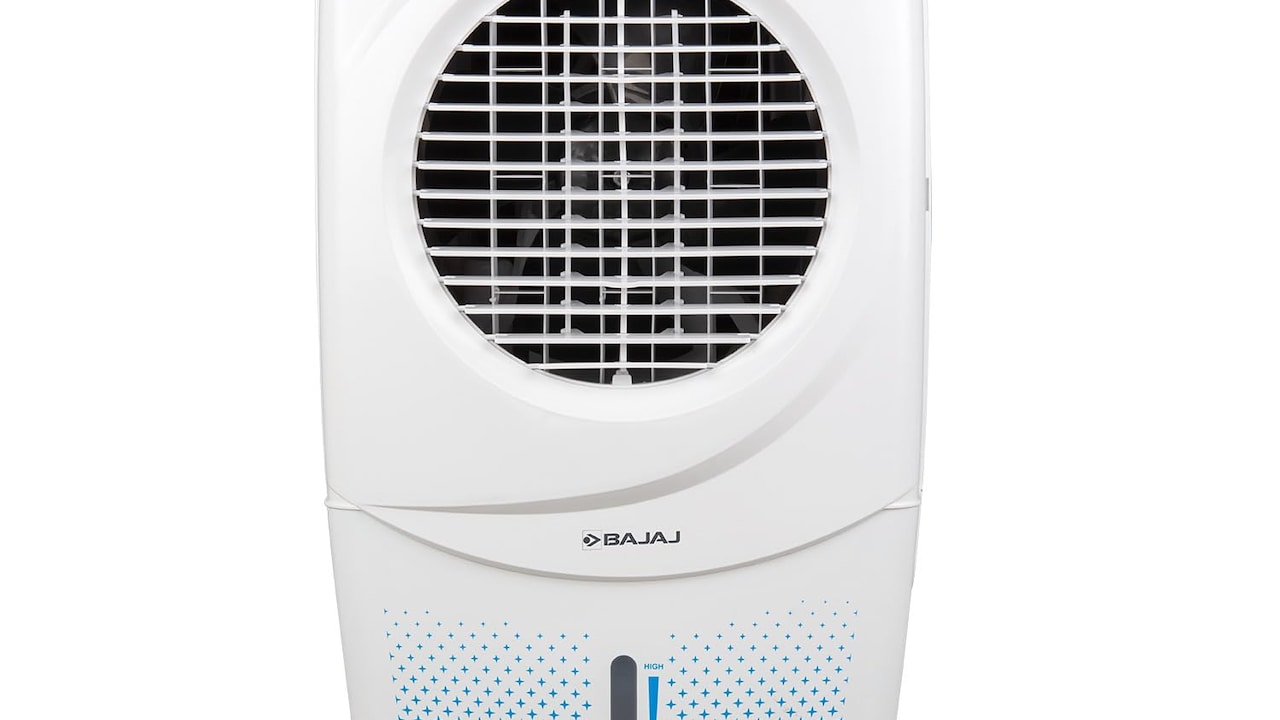
Regular cleaning helps maintain balance. The water tank should be drained and scrubbed, while the pads should be checked for scaling or decay. Replacement costs vary by cooler size and material, but basic maintenance is usually far cheaper than running an inefficient machine for an entire season.
Clean pads will not defeat humid weather, of course. They cannot change the moisture level outside. Still, they can prevent avoidable dampness, unpleasant smells and that suspicious sensation that the cooler has started cultivating its own private pond.
Why Air Coolers Make A Room Feel Sticky During Humid Weather
Photo Credit: Amazon
7. Large Coolers Can Over-Humidify Small Rooms
Bigger is not always better, especially when an air cooler is placed in a compact bedroom or study. A powerful cooler can push a large volume of moist air into a small space within a short period.
During dry weather, that strong output may cool the room quickly. During humid weather, it can raise moisture levels faster than the room can release them.
Room size, airflow and cooler capacity need to match. A large desert cooler may be suitable for a spacious hall, balcony-facing room or semi-open area. In a small closed bedroom, the same unit can make the air feel dense and wet.
The position of the cooler matters too. Placing it inside a sealed room forces it to draw in already humid indoor air. Positioning it near an open window or doorway allows it to pull relatively fresher air from outside and push stale air towards an exit.
Many people buy a larger cooler hoping for stronger cooling, then discover that the room feels like a steamed idli container. Proper sizing and placement often matter more than sheer fan power.
8. Damp Surfaces Make The Stickiness Worse
Once humidity rises indoors, moisture begins settling into everyday materials. Bedsheets, cushions, curtains, rugs and wooden furniture can absorb water vapour from the air.
These surfaces may not look visibly wet, but they can feel slightly damp. Cotton sheets lose their crispness. Towels remain moist for hours. Floors feel tacky under bare feet. Paper curls at the edges, and wardrobes develop a stale smell.
This creates a cycle of discomfort. Damp objects slowly release moisture back into the room, even after the cooler is switched off. The space may continue feeling muggy long into the evening.
Cooking can add to the problem. Boiling rice, making tea or preparing a pressure-cooker meal releases steam. Wet clothes drying indoors contribute even more moisture. Bathrooms without exhaust fans can push humidity into nearby rooms.
Reducing these extra sources helps. Drying clothes near an open balcony, using kitchen ventilation and allowing sunlight into the room can make a noticeable difference. The cooler may be the most obvious suspect, but it often has several quiet accomplices working in the background.
9. Lower Temperature Can Raise Relative Humidity
A curious feature of humid weather is that cooling the air can sometimes make relative humidity rise, even when no additional water enters the room.
Cooler air cannot hold as much water vapour as warmer air. Therefore, when air temperature falls while its moisture content remains high, the air moves closer to saturation. Relative humidity increases.
An evaporative cooler complicates matters further because it lowers the temperature while adding moisture at the same time. During dry conditions, this combination remains comfortable. During humid conditions, it can push the room towards an oppressive moisture level.
This explains why a room may register a slightly lower temperature yet feel less pleasant. Comfort depends on more than the number shown on a thermometer. Humidity, airflow, clothing, sunlight and physical activity all influence how the body experiences heat.
A reading of 29°C in dry, breezy air may feel easier than 27°C in a damp room with poor ventilation. Numbers can be surprisingly mischievous that way. The thermometer says one thing, while the back of the neck delivers a far more dramatic weather report.
10. Smarter Usage Can Reduce The Sticky Feeling
An air cooler does not need to remain switched off throughout humid weather. A few practical changes can make it more comfortable.
The most important step is ventilation. Keep a window or door slightly open on the opposite side of the room so moist air can escape. Position the cooler near an opening where it can draw in fresher air.
During very humid hours, use the fan without the water pump. This provides airflow without adding more moisture. The pump can be switched on intermittently when the air feels drier.
Avoid running the cooler overnight in a tightly closed room. Humidity may build gradually while everyone sleeps, leading to damp bedding and a stuffy morning. Cleaning the tank, checking water distribution and replacing worn pads also improves airflow.
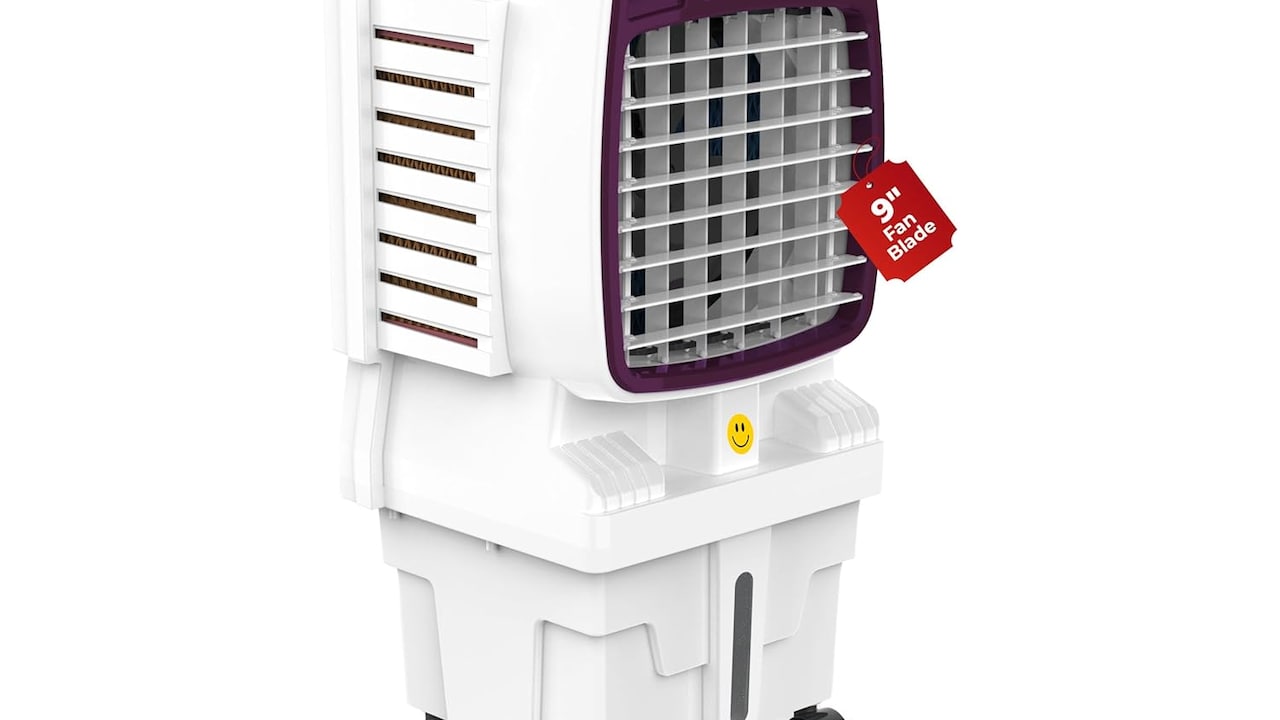
A small hygrometer can be useful and often costs only a few hundred rupees. It shows indoor humidity and removes the guesswork. When humidity remains high, a fan, exhaust system or air conditioner in dry mode may provide better comfort.
The aim is not maximum cooling at any cost. It is balanced air that feels fresh enough to breathe and dry enough to enjoy.
Why Air Coolers Make A Room Feel Sticky During Humid Weather
Photo Credit: Amazon
Products Related To This Article
1. Novamax Gloster 100 L Heavy Duty Desert Air Cooler With 100% Copper Motor
2. RR Signature Zello HC 90 LTR
3. Bajaj PX 97 Torque New 36L Personal Air Cooler For Room
https://www.amazon.in/Bajaj-Torque-New-Honeycomb-Technology/dp/B09R3QNGW5/
4. Orient Electric Durachill 40 L Portable Air Cooler For Home
5. WelTherm 6L Tower Air Cooler for Room, Home & Office with Remote Control
6. Crompton Ozone Royale 75 Litres Desert Air Cooler for home
7. V-Guard Arido T50 H Tower Air Cooler|50 Litre
Air coolers make rooms feel sticky during humid weather because their cooling method depends on evaporation. They pull air through wet pads, lower its temperature and release extra moisture into the room. When the surrounding air is already humid, evaporation slows down, cooling becomes weaker and indoor moisture levels rise.
The body then struggles to cool itself because sweat cannot evaporate efficiently. Closed windows, oversized coolers, soaked pads, damp fabrics and indoor steam can make the discomfort even worse.
The solution often lies in changing how the cooler is used rather than blaming the appliance. Better cross-ventilation, sensible placement, clean cooling pads and occasional fan-only operation can reduce the muggy feeling. During intense monsoon humidity, however, an evaporative cooler may simply be the wrong tool for the weather.
A cooler performs beautifully when the air is thirsty. When the air is already full of moisture, adding more water only makes the room feel crowded. Understanding that difference can turn a frustrating, sticky evening into a far more comfortable one.
(Disclaimer: This article may include references to or features of products and services made available through affiliate marketing campaigns. NDTV Convergence Limited (“NDTV”) strives to maintain editorial independence while participating in such campaigns. NDTV does not assume responsibility for the performance or claims of any featured products or services.)