Do You Need a HEPA Filter? The Truth About Cleaner Air and Healthier Living Spaces
Thinking of buying a HEPA filter? Before spending ₹8,000 to ₹25,000, discover who truly benefits, what it actually removes, and whether cleaner indoor air really requires one in your home.
Do You Need a HEPA Filter? The Truth About Cleaner Air and Healthier Living Spaces.
Step into any electronics store today, and the air purifier section gleams like a promise of mountain-fresh living. Sales staff speak about microscopic particles, allergy relief, and “99.97% efficiency” with convincing enthusiasm. At the same time, headlines about rising pollution levels and respiratory problems spark understandable concern.
Yet homes tell varied stories. A sea-facing flat in Kochi deals with humidity and mould. A bustling apartment near a traffic-clogged junction in Delhi battles fine dust. A quiet bungalow in Coimbatore might face pollen and pet dander instead. Indoor air carries a mix of particles, smells, moisture, and invisible pollutants. Windows let in sunlight, breeze, and, unfortunately, pollutants too.
The question, therefore, becomes more nuanced than a simple yes or no. Does every living room need a HEPA filter humming in the corner? Or does good ventilation and regular cleaning solve most problems? Understanding what HEPA technology truly offers helps households make thoughtful decisions rather than panic purchases.
Do You Need a HEPA Filter? The Truth About Cleaner Air and Healthier Living Spaces
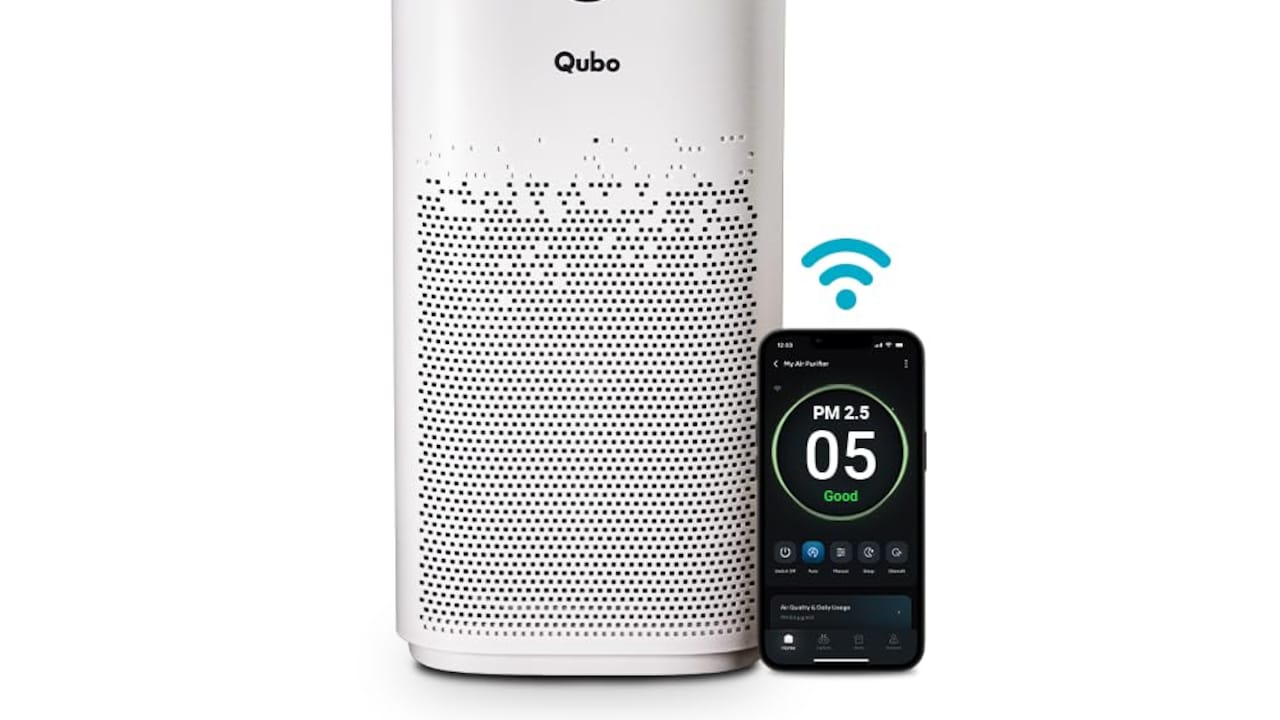
Photo Credit: Amazon
What Exactly Is A HEPA Filter?
HEPA stands for High Efficiency Particulate Air. Despite the technical name, the concept remains straightforward. A true HEPA filter captures at least 99.97% of particles as small as 0.3 microns. To put that into perspective, that size includes fine dust, pollen, mould spores, and many airborne allergens.
Unlike ordinary mesh or foam filters, HEPA filters use densely packed fibres arranged randomly. When air passes through, particles get trapped through interception, impaction, and diffusion. It sounds scientific, yet the effect feels simple: less floating dust and fewer invisible irritants circulating in the room.
However, HEPA filters do not remove everything. They cannot eliminate odours, gases, or volatile organic compounds on their own. For that, manufacturers often add activated carbon layers. Marketing brochures sometimes blur these distinctions, leading to confusion.
Understanding this basic mechanism prevents disappointment later. A HEPA filter excels at trapping particles, not at magically purifying every form of pollution. Knowing its strength allows buyers to judge whether their indoor problem involves particles or something else entirely.
The Reality Of Indoor Air In Urban Homes
Many people assume pollution exists only outdoors. Unfortunately, indoor air can sometimes become more polluted than the street below. Closed windows trap cooking fumes, incense smoke, mosquito coil residue, and dust brought in on clothes.
Construction activity nearby adds a steady stream of fine particles that settle quietly on shelves and window sills. Even daily sweeping can stir up dust that lingers in the air. During festive seasons, firecracker residue sneaks indoors despite shut doors.
The World Health Organisation, often cited in discussions about air quality, has repeatedly highlighted the health risks linked to particulate matter. In densely populated cities, indoor spaces do not escape this burden simply by having walls and a roof.
At the same time, rural and smaller-town homes face different challenges. Agricultural burning, pollen bursts during seasonal changes, and humidity-related mould all affect indoor air differently. The diversity of environments means that indoor air quality concerns vary widely across households.
Recognising local conditions helps determine whether a HEPA filter addresses a genuine need or simply responds to general anxiety about pollution.
Allergies, Asthma And Sensitive Lungs
For families dealing with allergies or asthma, air quality feels personal. Sneezing fits in the morning, itchy eyes during spring, or a child's persistent cough can disrupt daily life. In such cases, airborne particles play a direct role in discomfort.
HEPA filters shine here. By capturing pollen, dust mites, and pet dander, they reduce triggers floating in the air. Many households notice fewer symptoms after consistent use, especially in bedrooms where long hours of rest occur.
However, expectations require balance. A HEPA purifier cannot replace medication or medical advice. It supports respiratory health by reducing exposure to irritants. Doctors often suggest maintaining clean bedding, vacuuming regularly, and improving ventilation alongside using air purifiers.
In homes with elderly members or infants, added protection may offer peace of mind. When breathing becomes easier, daily life feels lighter. In such situations, investing ₹12,000 or more in a reliable purifier often feels justified, not extravagant.
For households without respiratory concerns, the urgency may not feel as strong. Context shapes necessity.
Dust, Pets And Everyday Living
Dust seems to appear out of nowhere. Wipe a table clean in the morning, and a thin layer reappears by evening. In cities with ongoing infrastructure work, this battle feels endless.
Pets add warmth and companionship, but they also shed fur and dander. Even the most disciplined grooming routine cannot eliminate airborne particles completely. Sofas, curtains, and rugs quietly collect them.
A HEPA-equipped air purifier helps reduce this constant circulation. Rooms feel fresher, and surfaces may accumulate dust more slowly. Yet it does not replace cleaning. Regular sweeping, mopping, and vacuuming remain essential.
Households sometimes expect dramatic visual changes overnight. In reality, improvement occurs subtly. Less visible dust in sunlight beams, fewer floating fibres near windows, and a generally cleaner smell signal progress.
For pet owners, especially, a purifier often feels like a practical addition rather than a luxury gadget. The aim shifts from perfection to manageable comfort. Cleaner air supports daily living without demanding unrealistic standards.
Cost Versus Long-Term Value
Price often becomes the deciding factor. Basic models start around ₹8,000, while advanced purifiers with smart sensors and larger coverage areas climb to ₹25,000 or more. Filter replacements, usually needed once or twice a year, add ₹2,000 to ₹5,000 annually.
This ongoing cost surprises many buyers. A HEPA filter clogged with dust loses efficiency. Ignoring replacement schedules reduces performance and wastes electricity.
Electricity consumption also deserves attention. Most modern units use energy comparable to a ceiling fan, yet continuous operation increases monthly bills slightly. Over a year, this may add a few thousand rupees, depending on usage.
When weighed against potential medical expenses from chronic allergies or respiratory issues, some families see clear value. Others may prefer spending that money on better ventilation, sealing gaps in windows, or investing in quality vacuum cleaners.
Financial decisions rarely hinge on technology alone. They reflect priorities, health concerns, and lifestyle patterns. A purifier becomes worthwhile when it solves a real problem rather than simply following a trend.
Ventilation Versus Filtration
Many traditional homes rely on cross-ventilation. Open windows allow air to circulate freely, carrying away indoor pollutants. Ceiling fans and exhaust fans support this flow.
However, when outdoor air quality dips, opening windows may invite more pollution than relief. In high-traffic neighbourhoods, fresh air sometimes arrives mixed with exhaust fumes.
Filtration works differently. Instead of replacing indoor air, it cleans the air already inside. During peak pollution days, keeping windows closed and running a HEPA purifier can maintain a safer indoor environment.
Still, sealed homes risk trapping humidity and carbon dioxide. Balance matters. Morning ventilation during relatively cleaner hours, combined with daytime filtration, often proves effective.
Choosing between ventilation and filtration does not require extremes. A thoughtful combination adapts to seasonal and daily changes. Homes thrive when airflow and air cleaning complement rather than compete with each other.
The Myth Of “Medical Grade” Marketing
Appliance advertisements often boast terms like “medical grade HEPA” or “hospital-level purification”. These phrases sound reassuring, yet they sometimes blur technical realities.
True HEPA standards follow defined efficiency benchmarks. Adding dramatic labels does not necessarily improve performance. Hospitals use specialised systems designed for controlled environments, not typical living rooms.
Consumers sometimes assume that a higher price equals better filtration dramatically. In practice, room size compatibility, proper maintenance, and placement matter more than flashy claims.
A small purifier placed in a large hall struggles regardless of branding. Similarly, a premium device with neglected filter replacement underperforms quickly.
Reading specifications carefully helps avoid disappointment. Clean Air Delivery Rate, room coverage area, and certified HEPA compliance provide more useful guidance than decorative phrases.
Marketing creates urgency; informed choices create satisfaction. When buyers focus on measurable performance rather than slogans, they gain better value and realistic expectations.
Placement And Practical Use
Even the best HEPA filter fails if used incorrectly. Placement influences effectiveness significantly. A purifier tucked behind a sofa or blocked by curtains cannot draw air efficiently.
Positioning it in a central, unobstructed area allows proper circulation. Bedrooms often benefit the most since people spend extended hours there. Running the purifier at moderate speed throughout the night usually balances noise and performance.
Doors and windows should remain closed during operation to maximise efficiency, especially during high pollution periods. Regular cleaning of pre-filters prevents clogging and extends the life of the main HEPA filter.
Some households switch on purifiers only when guests visit or when dust becomes visible. Consistency, however, produces better results. Air cleaning works cumulatively over time.
Noise levels also matter. Modern units operate quietly, yet sensitive sleepers may prefer models with dedicated night modes.
Simple habits determine whether a HEPA purifier becomes a helpful companion or an underused appliance collecting dust in the corner.
Do You Need a HEPA Filter? The Truth About Cleaner Air and Healthier Living Spaces
Photo Credit: Pexels
When You Probably Do Not Need One
Not every home requires a HEPA filter. Well-ventilated houses in areas with relatively clean outdoor air may experience minimal indoor pollution. Regular cleaning, minimal carpeting, and limited use of incense or smoke-producing activities reduce airborne particles naturally.
If no household member suffers from allergies or respiratory conditions, benefits may feel subtle rather than transformative. In such cases, investing in routine maintenance and good ventilation might deliver comparable comfort.
Budget constraints also matter. Prioritising essentials such as water purifiers, reliable fans, or proper kitchen exhaust systems often takes precedence.
A HEPA purifier should solve a clearly identified issue. Buying one purely out of fear rarely leads to long-term satisfaction.
Assessing symptoms, environment, and lifestyle honestly prevents unnecessary expenditure. Technology serves best when aligned with genuine needs rather than social pressure.
Products Related To This Article
1. LEVOIT Core Mini Air Purifier For Coverage Area 183 Sq Ft
2. Coway Airmega 150 (Ap-1019C) Air Purifier For Home
3. PHILIPS Smart Air Purifier AC3220/60 Upto 135 m2 Room Size Smart Portable Air Purifier Real Time AQI Display
4. Dyson Hushjet Purifier Compact-HJ10
5. CUCKOO Respure Air Purifier For Home
Cleaner air appeals to everyone. The idea of breathing easily within one's own home carries deep emotional comfort. Yet the decision to buy a HEPA filter deserves careful thought rather than impulse.
For families managing allergies, asthma, heavy dust exposure, or pet-related particles, a HEPA purifier often provides meaningful relief. For others living in well-ventilated, low-pollution settings, benefits may remain modest.
Costs extend beyond the initial ₹10,000 or ₹20,000 purchase. Filter replacements and electricity add to the long-term commitment. Balanced against potential health improvements, the investment may still feel worthwhile.
Ultimately, a HEPA filter does not create mountain air inside a city flat. It reduces particulate matter and supports healthier living conditions when used correctly. Cleaner air emerges from a combination of smart ventilation, regular cleaning, and informed technology choices.
The truth lies not in hype or fear but in understanding. When decisions reflect real needs and practical habits, living spaces become healthier without unnecessary extravagance.
(Disclaimer: This article may include references to or features of products and services made available through affiliate marketing campaigns. NDTV Convergence Limited (“NDTV”) strives to maintain editorial independence while participating in such campaigns. NDTV does not assume responsibility for the performance or claims of any featured products or services.)