Why Stainless Steel Inner Pots Are the Smartest Upgrade for Modern Rice Cookers
Stainless steel inner pots are transforming modern rice cookers. From better health and durability to improved taste and long-term value, this simple material upgrade makes a powerful difference in everyday cooking.
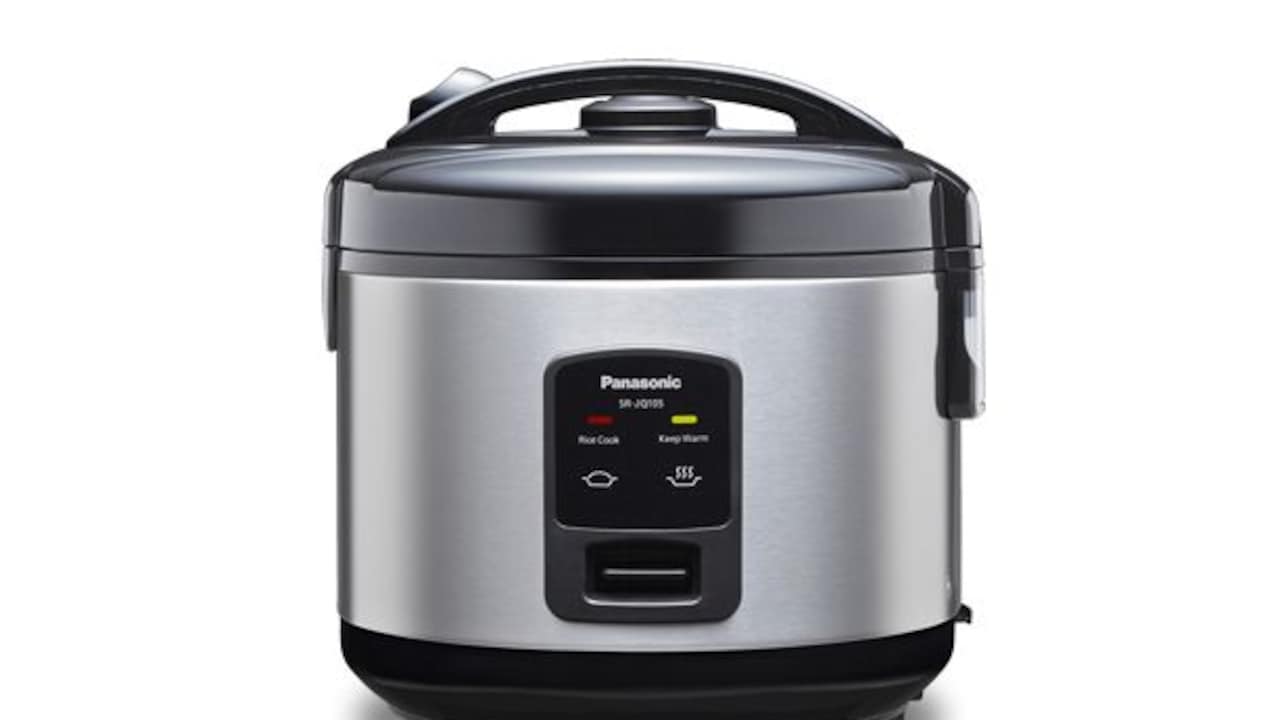
The Real Reason Stainless Steel Inner Pots Make a Big Difference in Modern Rice Cookers.
Rice anchors everyday meals across the country. From fluffy basmati paired with rajma to soft rice served with sambar or a comforting bowl of curd rice on a hot afternoon, the grain carries culture and comfort in every spoonful. Modern rice cookers promise convenience, but convenience alone no longer satisfies today's households.
Families now care about health, safety and value for money. They read labels. They compare materials. They ask questions about coatings and chemicals. In this shift, stainless steel inner pots have emerged as a quiet revolution.
Many still assume that all rice cookers perform the same task. Add rice, add water, press a button, wait for the click. But the material of the inner pot shapes everything from taste to texture and even long-term cost. The real reason stainless steel makes such a big difference goes far beyond shine. It touches health, flavour, durability and peace of mind in ways that matter every single day.
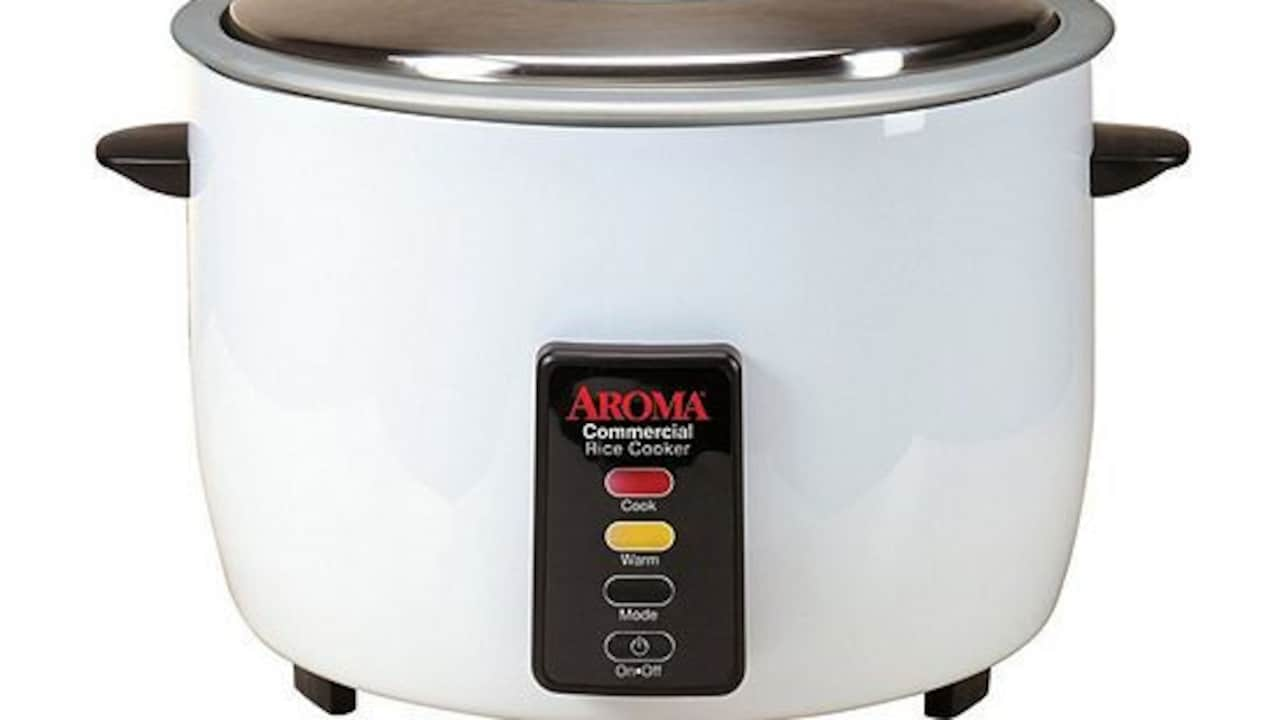
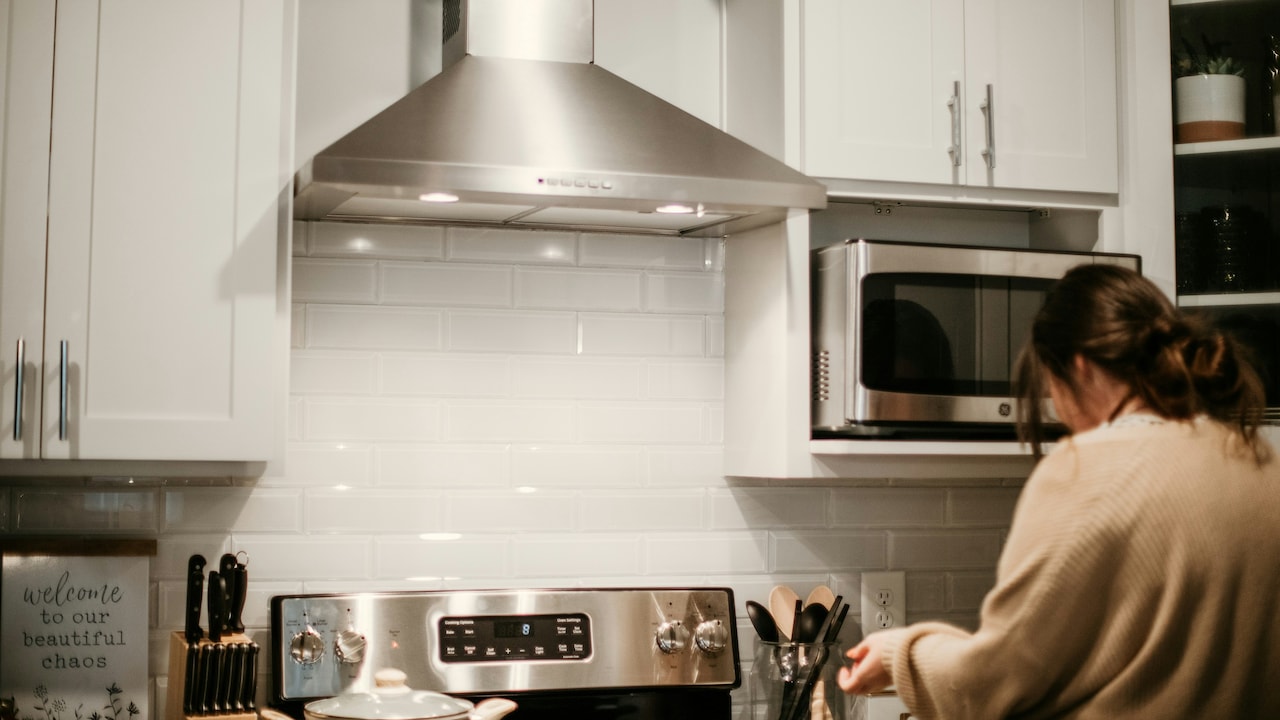
Stainless Steel vs Non-Stick: The Real Difference in Today's Rice Cookers; Photo Credit: Pexels
Health Concerns Around Non-Stick Coatings
Non-stick pots once felt like a blessing. Food releases easily. Cleaning took seconds. Advertising promised effortless cooking. Over time, however, scratched surfaces and peeling coatings raised uncomfortable questions.
High heat, metal spoons and frequent washing gradually damage non-stick layers. Tiny flakes can mix with food without notice. While manufacturers claim safety within limits, households often prefer to avoid risk altogether. A rice cooker operates regularly, sometimes twice a day. That constant exposure adds up.
Stainless steel eliminates this worry. It contains no synthetic coating. No layer peels off. No hidden chemicals lurk beneath the surface. Parents cooking for children and elderly family members often feel greater comfort with steel. There is clarity in knowing that the material touching food remains stable and unchanged.
Health conversations have grown louder in recent years. Families now invest in water purifiers, organic vegetables and cold-pressed oils. Choosing a stainless steel inner pot fits naturally into that broader awareness. It represents a simple decision that supports long-term well-being without dramatic lifestyle changes.
The Science Of Even Heat Distribution
Perfect rice depends on consistent heat. Too much heat at the base causes burning. Too little heat results in uneven cooking. Many non-stick pots use aluminium beneath the coating. Aluminium heats quickly but can create hot spots.
Stainless steel, especially when layered with a thick base, distributes heat more evenly. Modern designs often include a sandwich base that balances rapid heating with steady temperature control. This structure prevents rice at the bottom from turning brown while the top layer remains undercooked.
Even heat means each grain cooks uniformly. Basmati stays long and separate. Short-grain varieties turn soft without becoming mushy. The difference feels subtle at first, but regular users notice it immediately.
Consider the family that prepares pulao for Sunday lunch. Spices release aroma properly when the heat spreads evenly. Vegetables cook without sticking. The final dish carries a balanced texture throughout the pot. Stainless steel supports this precision quietly. It does not shout about performance, yet it delivers consistency meal after meal.
Also Read: 7 Best Rice Cookers In 2026 For Fluffy Rice Without Burning Or Mushiness
Durability That Matches Daily Use
A rice cooker rarely rests. Morning idli batter is steaming. Afternoon rice for lunchboxes. Evening khichdi for a light dinner. Constant use demands resilience.
Non-stick coatings struggle with frequent scrubbing and accidental scratches. Replacement inner pots often cost anywhere between ₹800 and ₹2,000, depending on brand and size. Over five years, that cost multiplies.
Stainless steel inner pots withstand spoons, ladles and regular washing without complaint. They resist corrosion. They maintain shape even under high temperatures. This durability turns into real savings. A one-time investment lasts for years.
Budget-conscious households appreciate appliances that stretch every rupee. When a stainless steel pot continues performing without visible wear, it reinforces trust in the purchase. There is comfort in equipment that feels solid and dependable, much like the old steel utensils that have survived decades in many kitchens.
Durability does more than protect the wallet. It reduces waste. Fewer replacements mean fewer discarded parts. In a time when sustainability matters, that benefit carries quite importance.
Taste That Feels Closer To Traditional Cooking
Many cooks still claim that rice tastes better when prepared in heavy-bottomed steel vessels on a gas stove. The reason lies in heat control and material neutrality. Stainless steel does not react with spices or acidic ingredients. It preserves natural flavours.
Rice cooked in a stainless steel inner pot often carries a cleaner aroma. There is no faint chemical undertone. Tamarind-based dishes and tomato rice retain brightness. Even simple steamed rice feels lighter and fresher.
Taste connects deeply with memory. The fragrance of freshly cooked rice drifting through the house often signals comfort and belonging. When a rice cooker replicates that experience, it bridges modern convenience with traditional satisfaction.
Grandparents sometimes express scepticism towards electric cookers. Yet when served rice prepared in a stainless steel pot, many admit the difference feels closer to stovetop cooking. That subtle approval speaks volumes. Food should nourish both body and emotion, and material choice influences both more than expected.
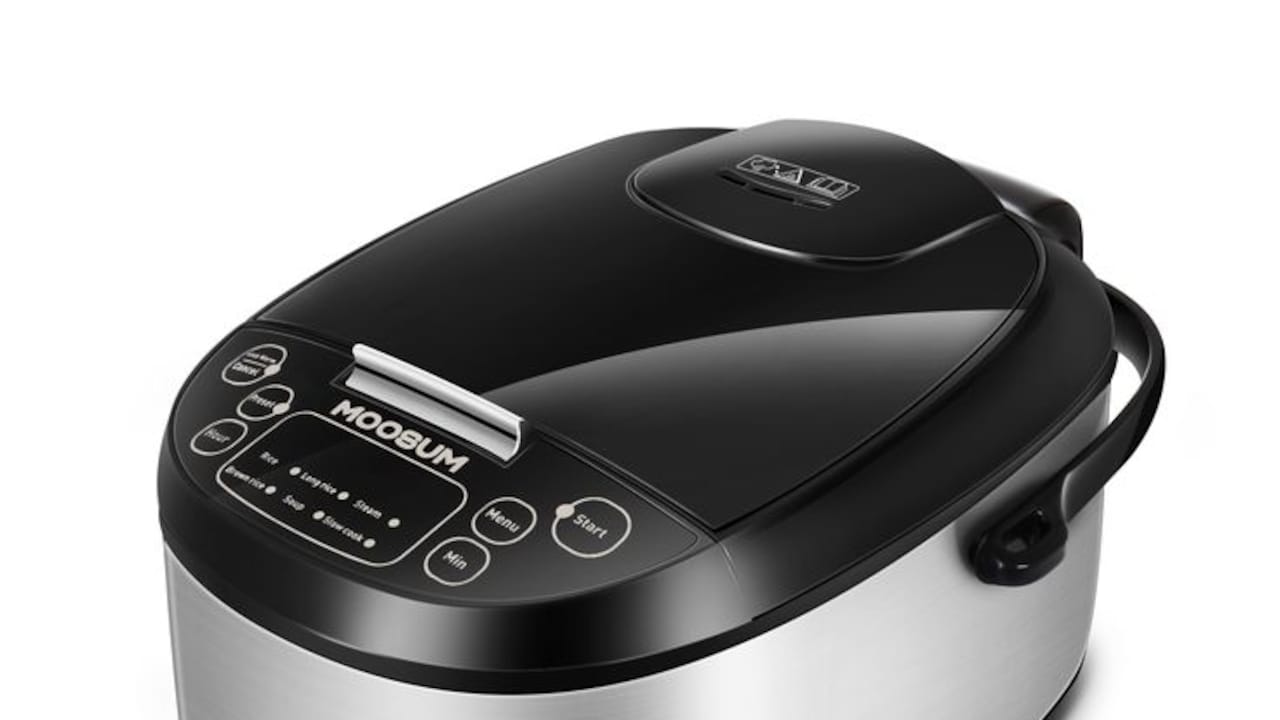
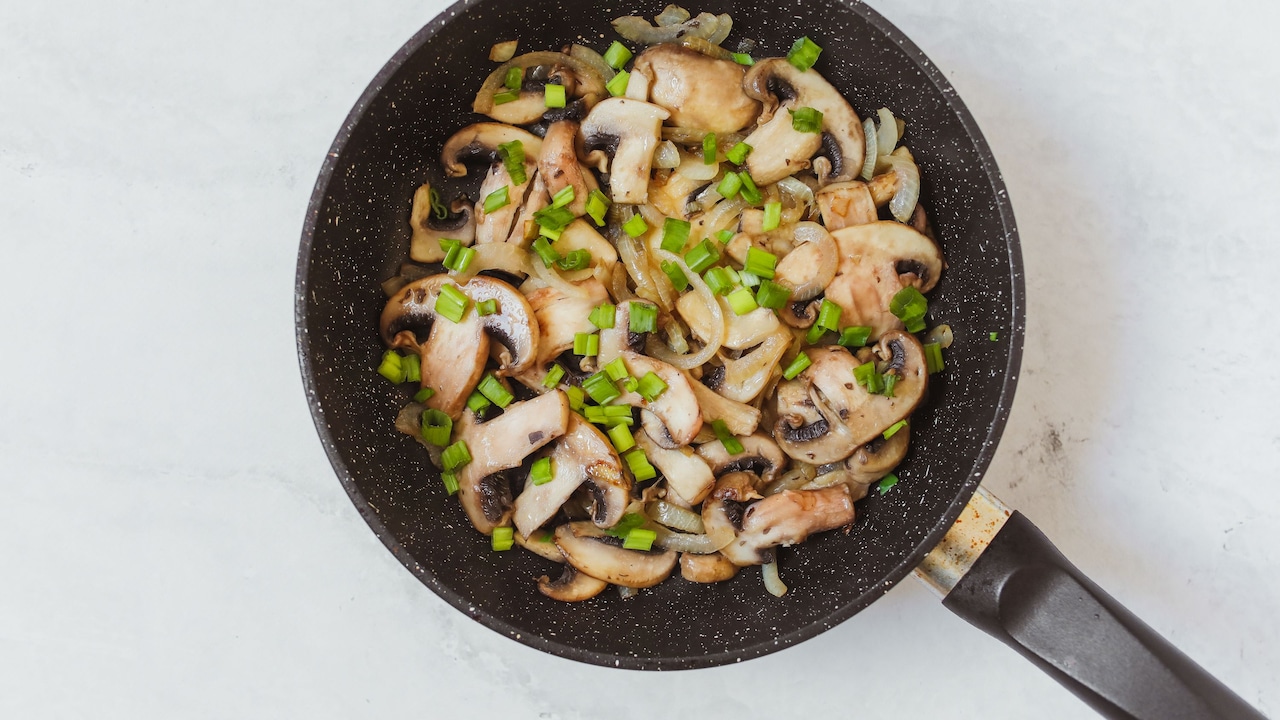
Stainless Steel vs Non-Stick: The Real Difference in Today's Rice Cookers; Photo Credit: Pexels
Easy Cleaning Without Fear
At first glance, non-stick appears easier to clean. Food slides off quickly when the surface remains intact. Trouble begins once scratches develop. Cleaning then requires extra care to avoid further damage.
Stainless steel demands a slightly different approach. Soaking the pot for a few minutes loosens stuck grains. A gentle scrub restores shine. There is no need to worry about damaging a delicate coating.
Many households prefer this freedom. Use any spoon. Wash without anxiety. Scrub when necessary. The pot handles it. Over time, a well-maintained steel surface even develops a smooth finish that reduces sticking.
Cleaning also becomes safer. There is no concern about harsh detergents affecting a coating layer. A simple mix of baking soda and warm water often removes stubborn stains. The process feels straightforward and honest.
Kitchen routines shape daily mood. When cleaning feels uncomplicated and stress-free, cooking becomes more enjoyable. Stainless steel supports that ease without demanding special treatment.
Compatibility With Diverse Dishes
Modern rice cookers do far more than steam plain rice. They prepare biryani, quinoa, dal, soups and even desserts like kheer. This versatility requires a pot that adapts to varied ingredients.
Acidic components such as tomatoes, lemon juice or tamarind can degrade certain coatings over time. Stainless steel handles these ingredients comfortably. It does not absorb flavours or stain easily.
Consider festive cooking. A fragrant vegetable biryani simmers one day. The next day brings sweet pongal rich with jaggery and ghee. The pot must transition seamlessly between savoury and sweet. Steel allows that shift without lingering smells.
As culinary habits expand, appliances must keep pace. Health-conscious households experiment with brown rice and millet blends. These grains require longer cooking times and consistent heat. Stainless steel accommodates extended cycles without deterioration.
The inner pot, therefore, becomes more than a container. It transforms into a versatile partner that supports evolving tastes and dietary choices.
Environmental Responsibility Matters
Kitchen decisions reflect broader values. Single-use plastics face criticism. Cloth bags replace disposable ones. Households rethink daily habits.
Choosing stainless steel aligns with that mindset. Steel remains recyclable. It lasts longer. It reduces dependence on synthetic coatings that may require complex disposal processes.
When a non-stick pot peels beyond repair, replacement becomes necessary. The old pot often ends up in a landfill. Multiply that scenario across thousands of homes, and the impact grows significant.
A durable stainless steel inner pot reduces this cycle. Fewer replacements mean fewer discarded materials. Sustainability may not dominate dinner conversations, yet it influences purchasing choices more than before.
Younger buyers especially evaluate environmental impact alongside price. Spending ₹1,000 more upfront for a stainless steel model can feel justified when viewed as a long-term, eco-conscious decision. Practicality meets responsibility in a way that feels sensible rather than dramatic.
Stainless Steel vs Non-Stick: The Real Difference in Today's Rice Cookers; Photo Credit: Pexels
Aesthetic Appeal And Modern Design
Beyond function lies form. Stainless steel carries a clean, contemporary look. The polished surface reflects light and conveys sturdiness. When the lid lifts, the gleam inside reinforces a sense of quality.
Non-stick interiors often appear dull over time. Scratches and stains diminish visual appeal. Steel, on the other hand, maintains brightness with minimal effort. Even after years of use, it can look remarkably new.
Appliances now form part of open kitchen layouts. Guests see countertops. They notice the finish. A rice cooker with a stainless steel interior complements modular designs and steel utensils already present in many homes.
Visual appeal may seem secondary, yet it shapes perception. When an appliance looks premium, it elevates everyday cooking. Serving rice from a shining steel pot feels reassuring and refined.
Design and durability meet in this material. It does not merely perform well. It looks dependable. That subtle confidence influences buying decisions more than marketing slogans.
Long-Term Value Over Short-Term Savings
Price often drives initial choice. Non-stick models sometimes cost slightly less. At first glance, saving ₹1,000 feels practical. Over time, however, replacement pots and declining performance change the equation.
Stainless steel inner pots typically come with higher upfront pricing. Yet they deliver longevity, consistent results and fewer health concerns. When calculated across five to seven years, the overall cost often balances out or even tilts in favour of steel.
Value extends beyond money. Time saved from worrying about scratches matters. Confidence in daily cooking matters. Reduced exposure to questionable materials matters.
Consumers increasingly prioritise durability over quick bargains. They prefer appliances that age gracefully rather than deteriorate within months. Stainless steel aligns with this philosophy. It rewards patience and thoughtful investment.
In households where rice cooks daily, the inner pot shapes countless meals. Investing in better material, therefore, influences thousands of dining moments. That perspective reframes the price tag entirely.
Products Related To This Article
1. Pigeon Inox Rice Cooker with Double pot, 1 litres
2. Prestige Delight Cute 1.8 Bowl Electric Rice Cooker
3. KENT Kettle Multicooker Cum Steamer 1.2 liters 800W
4. V-GUARD RICE COOKER 2.8ltr with 2 SS Bowl
5. Pigeon Inox Pro Rice Cooker with Steamer
The humble rice cooker rarely attracts attention once purchased. It blends into routine, performing its task quietly. Yet the material inside determines far more than convenience. Stainless steel inner pots address health concerns, enhance flavour, support durability, and reduce environmental impact.
They bridge traditional cooking sensibilities with modern technology. They withstand daily wear without complaint. They offer peace of mind that no coating will peel into dinner. They justify their cost through longevity and performance.
In kitchens where rice forms the centrepiece of meals, small improvements create lasting impact. Stainless steel may appear like a simple upgrade, but it reshapes daily cooking in meaningful ways.
The real reason stainless steel inner pots make a big difference lies not in marketing claims or shiny surfaces. It lies in trust. Trust in safety. Trust in durability. Trust that the rice served to the family carries nothing but nourishment and flavour. And in today's thoughtful households, that trust proves priceless.
(Disclaimer: This article may include references to or features of products and services made available through affiliate marketing campaigns. NDTV Convergence Limited (“NDTV”) strives to maintain editorial independence while participating in such campaigns. NDTV does not assume responsibility for the performance or claims of any featured products or services.)