Food Processors vs Mixer Grinders: Do You Need Both?
Food processors and mixer grinders often seem interchangeable, yet they serve different purposes. Before investing your hard-earned money, discover whether your kitchen truly needs both or if one smart choice will do the job.
Food Processor vs Mixer Grinder: Which One Does Your Kitchen Really Need?
Step into any bustling kitchen at 8 am, and the scene feels familiar. Pressure cooker hissing, tea brewing, onions sizzling, and someone hunting for the mixer lid. In homes where cooking remains a daily ritual rather than an occasional hobby, appliances earn their place through sheer usefulness. Two machines often spark debate: the food processor and the mixer grinder.
Sales staff promise miracles. Online reviews shout about wattage and attachments. Relatives insist one machine can do everything. The result? Confusion, clutter, and sometimes an expensive gadget gathering dust beside the microwave.
Both appliances look similar at first glance. Both chop, grind and blend. Yet their strengths differ in subtle but important ways. Understanding these differences helps families cook smarter, save time and avoid regret. The real question is not which machine performs better, but whether both deserve space in the same kitchen.
Food Processor vs Mixer Grinder: Which One Does Your Kitchen Really Need?
Photo Credit: Pexels
Understanding The Key Differences Before You Decide
The Core Purpose Of Each Appliance
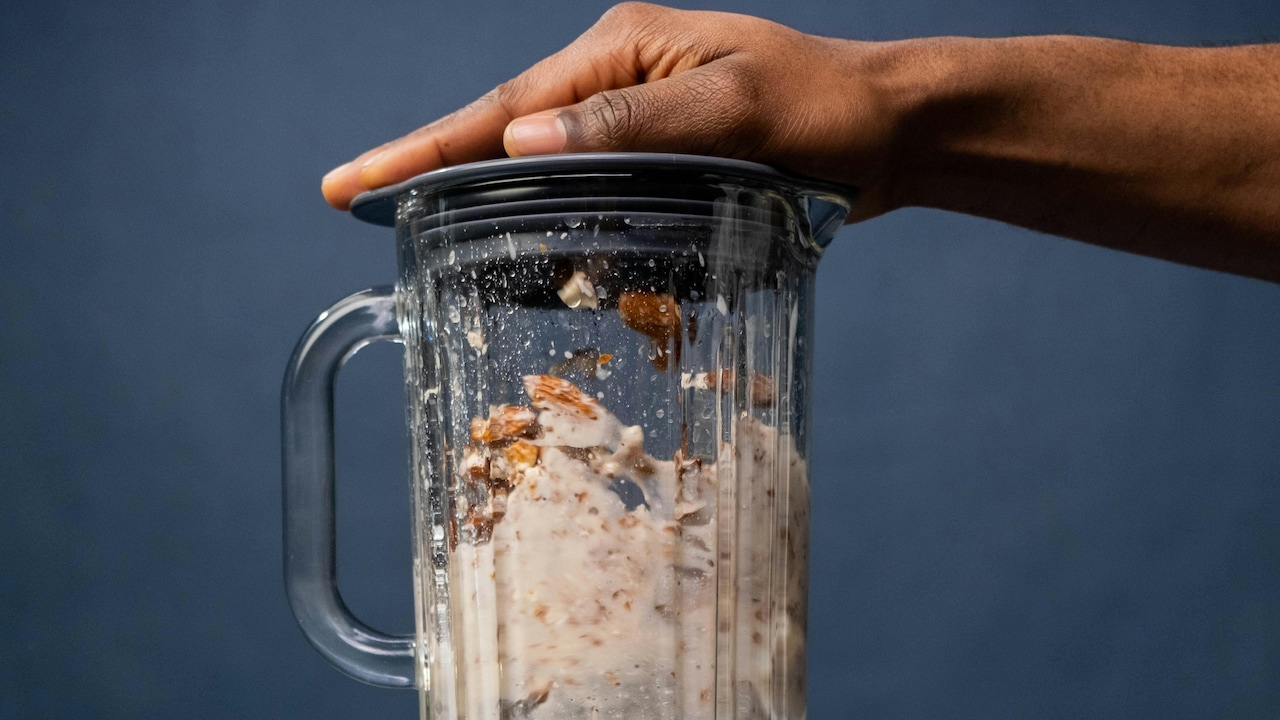
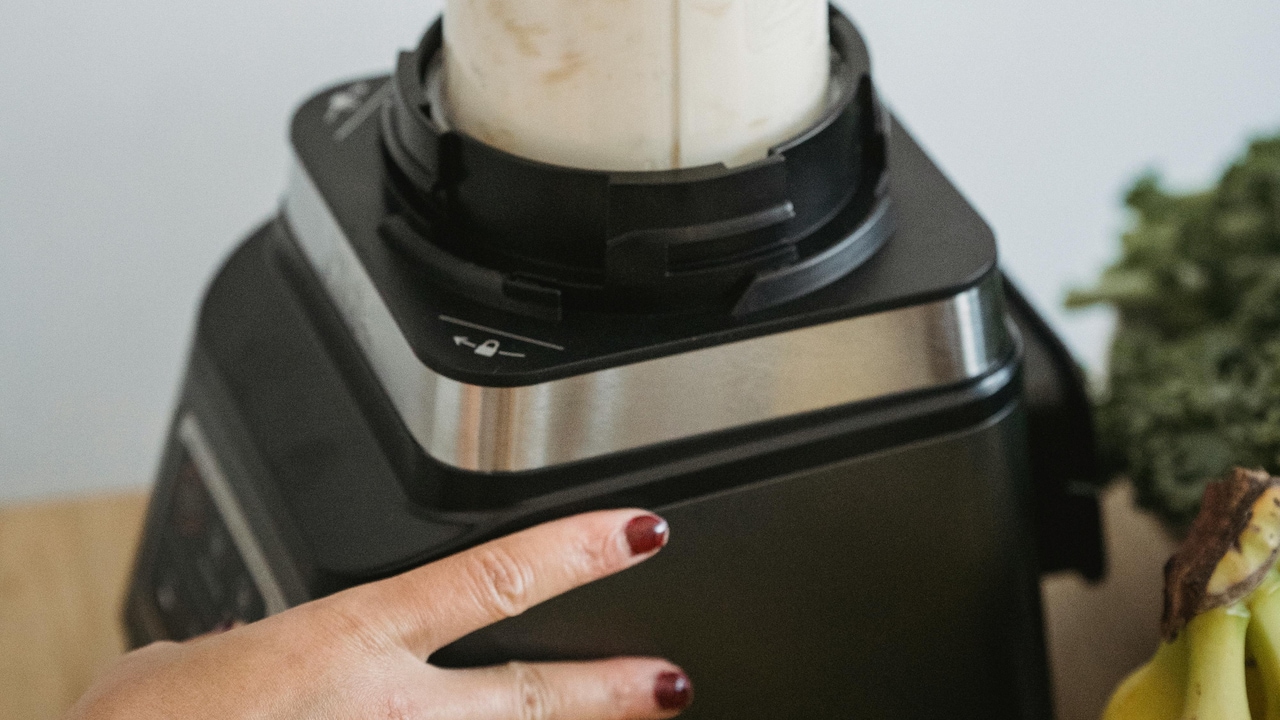
A mixer grinder focuses on speed and smoothness. It tackles wet grinding, dry grinding and blending with sharp blades that spin at high revolutions per minute. Coconut chutney, tomato purée, masala powders and milkshakes come out silky within seconds. The machine thrives on liquids and semi-liquids.
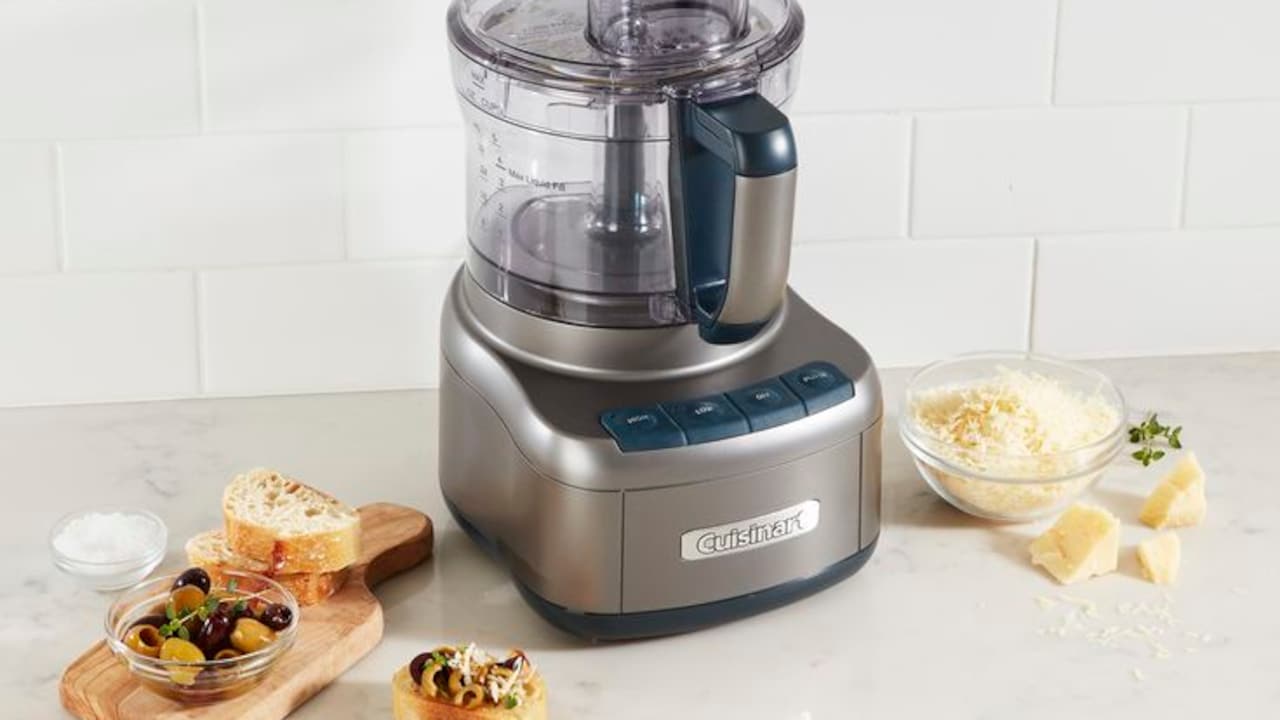
A food processor, on the other hand, centres on preparation. It chops vegetables, slices potatoes evenly, grates carrots for halwa and kneads dough with steady torque rather than speed. It handles bulk tasks with efficiency and precision. The emphasis lies on uniformity rather than ultra-fine texture.
Think of the mixer grinder as the sprinter and the food processor as the marathon runner. One finishes small tasks quickly. The other manages heavier, repetitive work without strain. This distinction often gets lost in advertisements, yet it shapes the daily cooking experience more than any glossy brochure.
Grinding Power And Texture Control
Texture matters deeply in everyday cooking. A chutney that feels grainy can ruin a plate of idlis. A masala that lacks smoothness affects flavour distribution. Mixer grinders excel here. Their high-speed motors break down ingredients into fine pastes and powders. Even though spices like turmeric and dried red chillies yield under strong blades.
Food processors struggle to achieve that same smooth consistency. They chop rather than pulverise. Pastes may turn coarse, and dry spices often require longer processing. For families who prepare fresh masalas weekly, a mixer grinder becomes almost indispensable.
However, when recipes call for coarse textures, such as crushed peanuts for poha or chunky salsa-style chutneys, the food processor performs beautifully. The broader bowl allows better control without turning everything into mush. Understanding this difference prevents disappointment and ensures the right appliance handles the right task.
Chopping And Slicing Efficiency
Uniform chopping saves time and improves presentation. A food processor handles this with remarkable ease. Drop in onions, carrots or beans, and within seconds the bowl fills with evenly cut pieces. The slicing discs produce thin cucumber rounds for salads or potato slices for chips without uneven edges.
A mixer grinder cannot replicate this function. Its blades spin too fast and too close together. Instead of neat cubes, vegetables turn into uneven bits or paste. For households that cook elaborate meals daily, especially during festivals or family gatherings, the food processor reduces prep time dramatically.
Consider preparing cabbage for a large batch of sabzi. Hand chopping may take fifteen minutes. A food processor completes the job in under two minutes. When cooking feels like a marathon on busy weekdays, such efficiency transforms the entire rhythm of the kitchen.
Dough Kneading And Baking Convenience
Dough kneading divides opinion sharply. Many prefer the feel of hand-kneaded atta. Yet when rotis form part of the daily routine, convenience wins. Food processors come with dough blades designed to combine flour and water into smooth dough within minutes. The machine saves effort and reduces mess.
Mixer grinders lack the bowl size and blade design for proper kneading. Attempting to knead dough in them strains the motor and produces an uneven texture. For households that prepare chapatis daily, the food processor offers tangible relief.
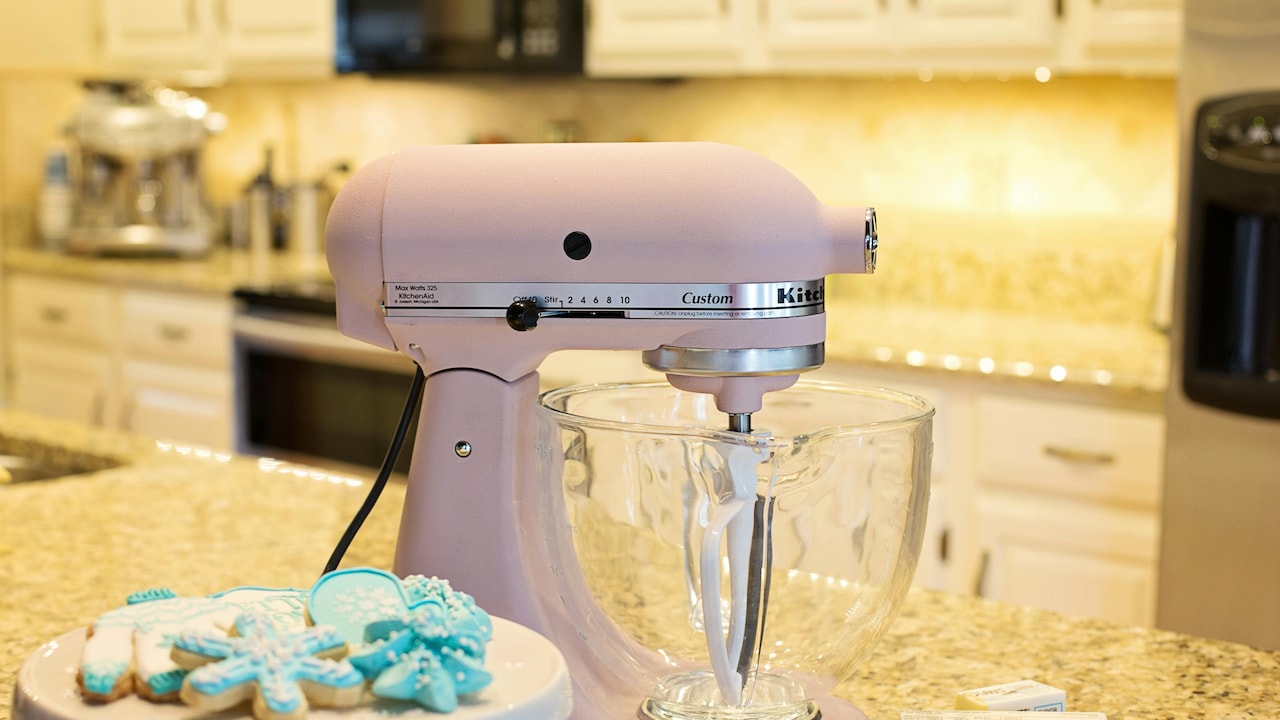
Beyond rotis, baking enthusiasts appreciate this feature even more. Cookie dough, pastry bases and pizza dough benefit from controlled kneading without overheating. As baking grows in popularity, especially among younger home cooks, the food processor quietly expands its value beyond traditional meals.
Space And Storage Realities
Counter space rarely feels abundant. Every appliance competes for visibility and convenience. Mixer grinders usually come with compact bases and stackable jars. They fit neatly into cabinets and return to the shelf after use.
Food processors demand more room. Their large bowls, multiple blades and discs require organised storage. When not arranged carefully, attachments scatter across drawers and disappear at crucial moments. This practical inconvenience often frustrates users more than performance issues.
Before purchasing both, households must assess available space honestly. If the kitchen already feels crowded, adding a bulky processor may create more stress than convenience. Practical living sometimes means choosing the appliance that fits not just cooking habits but also storage capacity.
Cleaning And Maintenance Effort
Cleaning influences daily usage more than many admit. A mixer grinder typically involves washing a jar, blade assembly and lid. The process takes a few minutes. Its compact design simplifies maintenance.
Food processors contain multiple components. Bowl, lid, pusher, blade and discs all require thorough cleaning. After grating cheese or kneading sticky dough, residue clings stubbornly to corners. Neglecting proper cleaning can cause odours or dull blades.
On busy mornings, simplicity matters. Many households reach for the mixer grinder simply because cleaning feels quicker. However, when tackling large prep tasks, the extra cleaning effort of a food processor often justifies itself through saved time during cooking. The choice depends on patience levels and daily schedules.
Cost And Value Considerations
Budget plays a crucial role in appliance decisions. A reliable mixer grinder ranges between ₹2,500 and ₹6,000, depending on wattage and brand. A good food processor may cost between ₹6,000 and ₹12,000. Buying both requires a thoughtful investment.
Yet price alone does not determine value. Consider frequency of use. If a food processor remains idle most days, the cost per use rises sharply. On the other hand, frequent bulk cooking or festive preparations may justify the expense quickly.
Families must also consider durability. Mixer grinders endure daily heavy grinding. Food processors face strain during kneading and chopping large quantities. Choosing quality over flashy features ensures longer life and fewer repair headaches. Smart spending involves matching the appliance to actual cooking patterns rather than aspirational ones.
Noise And Energy Consumption
Morning noise can spark minor household wars. Mixer grinders produce a high-pitched whir that echoes through walls. Early morning chutney grinding may wake sleeping family members. The speed that ensures smooth results also creates noticeable sound.
Food processors operate at lower speeds, generating a deeper but often less piercing sound. During chopping or kneading, the noise feels manageable. However, prolonged use can still become disruptive.
Energy consumption varies by wattage. Mixer grinders often run at 500 to 750 watts. Food processors may range from 600 to 1000 watts. Short bursts of use rarely impact electricity bills significantly, yet frequent heavy usage may add modest costs over time. While energy rarely becomes the deciding factor, awareness helps households make balanced decisions.
Food Processor vs Mixer Grinder: Which One Does Your Kitchen Really Need?
Photo Credit: Pexels
Versatility And Attachments
Food processors shine in versatility. With interchangeable discs and blades, they slice, shred, grate and even emulsify sauces. This adaptability appeals to those who experiment with cuisine or host gatherings often. Preparing coleslaw, slicing paneer for tikka or grating cheese becomes effortless.
Mixer grinders focus on core tasks. Some models include juicer attachments, yet their primary strength remains blending and grinding. They do not attempt to replace every tool in the kitchen. This simplicity often enhances reliability.
Versatility sounds attractive, but unused attachments quickly gather dust. Many households discover that only two or three discs see regular use. Evaluating realistic needs prevents overbuying and reduces clutter.
Lifestyle And Cooking Habits
The final answer depends less on machines and more on lifestyle. In households where elaborate meals appear daily, where fresh masalas get ground weekly, and large quantities of vegetables require chopping, both appliances can coexist harmoniously. Each serves a distinct purpose.
In smaller households or among those who prefer simpler cooking, a high-quality mixer grinder may suffice. Many modern families order food occasionally and cook lighter meals. For them, the food processor may feel excessive.
Cooking traditions also influence choice. Regions with heavy reliance on batters and chutneys lean strongly towards mixer grinders. Families who bake regularly or prepare large festive spreads may lean towards food processors. The decision reflects daily rhythms more than marketing claims.
Products Related To This Article
1. INALSA Food Processor with Atta Kneader 800 Watts
2. Philips Stainless Steel Mixer Grinder + Food Processor
3. Usha FP 3811 Food Processor 1000 Watts
4. Preethi Zion MG-227 mixer grinder 750 watt Black
5. Borosil Chef Delite 300 Watts Electric Chopper for Kitchen
6. Lifelong LLMG23 Power Pro 500-Watt Mixer Grinder with 3 Jars
7. NutriPro Juicer Mixer Grinder - Smoothie Maker - 500 Watts
The debate between food processors and mixer grinders often feels louder than necessary. Both machines offer genuine value, yet they excel in different areas. Mixer grinders dominate in fine grinding and blending. Food processors transform preparation tasks and kneading into swift, organised processes.
Rather than chasing the idea of a perfect kitchen equipped with every gadget, households benefit from honest reflection. Examine daily menus. Consider space constraints. Factor in the budget. Observe which tasks consume the most time and effort.
In many kitchens, the mixer grinder remains indispensable. In others, the addition of a food processor unlocks new efficiency and creativity. Owning both makes sense only when each machine earns its keep regularly.
A thoughtful purchase saves money, reduces clutter and keeps cooking joyful rather than stressful. After all, the heart of the home thrives not on appliances alone, but on meals shared, stories exchanged and flavours perfected with care.
(Disclaimer: This article may include references to or features of products and services made available through affiliate marketing campaigns. NDTV Convergence Limited (“NDTV”) strives to maintain editorial independence while participating in such campaigns. NDTV does not assume responsibility for the performance or claims of any featured products or services.)