10 Reasons RO Purifiers Reject More Water In Some Homes And How To Reduce Waste
RO purifiers may reject more water due to high TDS, low pressure, clogged filters or worn membranes. Knowing the cause can help reduce water waste, improve efficiency and make better use of reject water.
Why Does Your RO Purifier Reject So Much Water? 10 Causes and Solutions
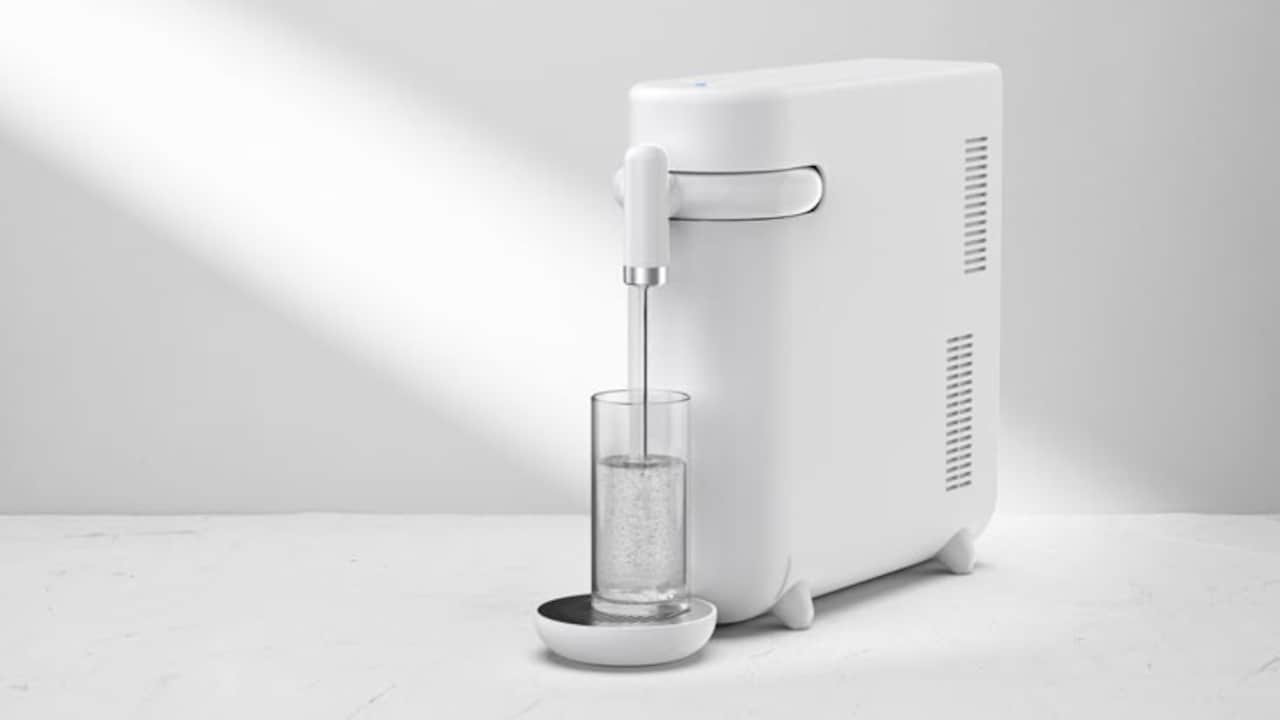
A reverse osmosis purifier often earns a permanent spot in the kitchen once families get used to the taste and convenience of purified water. Then comes the slightly uncomfortable discovery: the machine does not turn every litre entering it into clean drinking water. Some water leaves through the reject line instead. That is not necessarily a defect. RO purification works by pushing water through a fine membrane that blocks many dissolved salts and contaminants. The rejected water carries away much of what the membrane removes. The trouble begins when the purifier starts rejecting far more water than expected. Two homes with similar-looking machines can have very different recovery rates. One family may barely notice the wastewater, while another may watch a bucket fill during every purification cycle. Local water quality, inlet pressure, temperature, membrane age and even a tiny clogged filter can change the equation. The good news is that excessive rejection often has an identifiable cause. A few practical changes can reduce waste, improve purifier performance and make every litre work a little harder.
Why Does Your RO Purifier Reject So Much Water? 10 Causes and Solutions; Photo Credit: Pexels
Why Some RO Purifiers Waste More Water Than Others
1. High TDS Makes The Membrane Work Harder
Water with high total dissolved solids, or TDS, contains more dissolved salts and minerals. An RO membrane has to separate these substances from the water that eventually reaches the storage tank. As the concentration rises, the purifier often needs to send more water towards the reject outlet to keep the membrane functioning properly.
This explains why a purifier connected to high-TDS borewell water may reject noticeably more water than the same model connected to a lower-TDS municipal supply.
Think of the membrane as a very selective gatekeeper. The busier the gate becomes, the more effort the system needs to keep things moving.
Households should first check the inlet TDS rather than assuming the purifier has developed a fault. A technician can also confirm whether the machine suits the source water. In some situations, blending treated water or improving pre-treatment can help the RO unit work more efficiently.
However, chasing an unrealistically high recovery rate can shorten membrane life. The aim should remain sensible water recovery while maintaining safe and consistent purification.
Also Read: Affordable And Efficient: Top 5 Budget Water Purifiers With 5-Star Energy Rating Under ₹5,000
2. Low Inlet Water Pressure Reduces Recovery
RO systems depend on pressure. Without enough force, water struggles to move efficiently through the membrane. The purifier may continue running, yet a larger share of incoming water can leave through the reject line instead of becoming purified water.
Low pressure often appears in flats on upper floors, homes with weak overhead tank flow or neighbourhoods where supply pressure drops during busy hours. The purifier may take longer to fill its storage tank, which makes the extra rejection even more noticeable.
A pressure gauge can reveal whether the inlet pressure falls within the purifier manufacturer's recommended range. When pressure remains too low, a suitable booster pump may improve performance.
That does not mean installing the most powerful pump available. Excessive pressure can also damage components. Bigger is not automatically better, especially when plumbing gets involved.
Regularly checking the feed line also helps. A half-closed valve, bent pipe or clogged inlet filter can quietly reduce pressure.
Restoring correct pressure often improves both purification speed and water recovery without requiring major changes to the RO unit.
3. A Clogged Sediment Filter Restricts Water Flow
The sediment filter acts as the purifier's first line of defence. It catches visible and suspended particles such as sand, rust, mud and fine debris before they reach more delicate components.
Over time, the filter becomes dirty. As the trapped material builds up, water finds it harder to pass through. Reduced flow can disturb pressure inside the purifier and force the RO stage to operate less efficiently.
This problem often develops slowly. The purifier still works, so nobody suspects much. Then the tank starts taking longer to fill and the reject-water bucket seems unusually enthusiastic about its job.
Homes receiving muddy water during pipeline repairs or seasonal supply changes may experience faster sediment-filter clogging. Borewell supplies can create similar trouble.
Replacing or cleaning the filter according to the purifier's maintenance schedule usually restores proper flow. The exact interval depends on water conditions rather than the calendar alone.
Ignoring a badly clogged filter can also put extra strain on pumps and membranes. Spending a modest amount on timely filter maintenance may therefore prevent larger repair bills while reducing unnecessary water rejection.
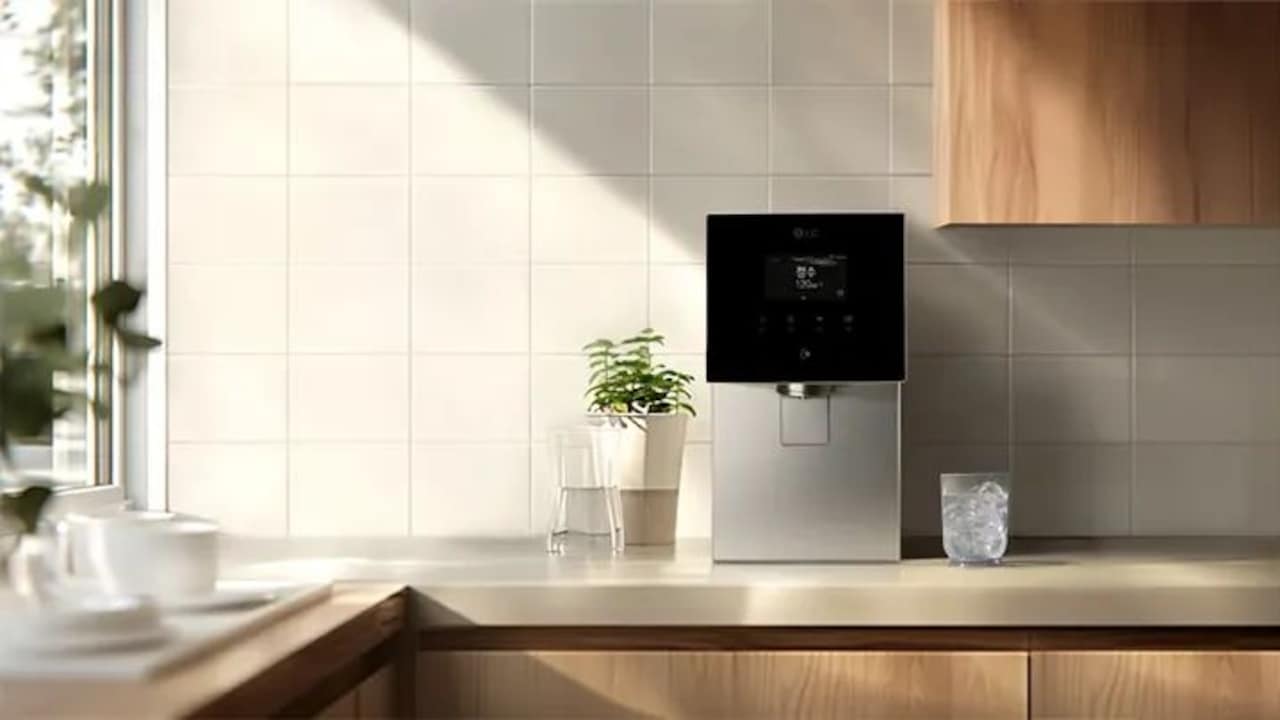
Why Does Your RO Purifier Reject So Much Water? 10 Causes and Solutions; Photo Credit: Pexels
4. An Old RO Membrane Can Become Less Efficient
The RO membrane does most of the heavy lifting inside the purifier, but it does not last forever. Minerals, salts and other impurities gradually collect on its surface. With time, this fouling can reduce water flow and affect the membrane's ability to separate purified water efficiently.
An ageing membrane may cause the purifier to run for longer periods. It can also change the balance between purified water and reject water.
Membrane life varies widely because source-water quality matters enormously. A membrane handling relatively moderate TDS may last much longer than one facing hard, mineral-heavy water every day.
Regular servicing can help identify declining membrane performance before it becomes obvious. Technicians usually examine purified-water TDS, flow rate and recovery rather than judging the membrane only by age.
Replacing the membrane too early wastes money, while keeping a badly worn membrane for too long can waste water and compromise purification.
The sensible approach is performance-based replacement. When output quality declines and rejection rises despite proper filters, pressure and flow controls, the membrane deserves closer attention.
5. Incorrect Flow Restrictor Size Can Waste Water
A small component called the flow restrictor has a surprisingly important job. It controls how much water leaves through the RO reject line and helps maintain the pressure needed across the membrane.
If the restrictor does not match the membrane capacity, the purifier's recovery ratio can change significantly.
A restrictor that allows too much flow may send an unnecessarily large volume of water straight towards the drain. One that restricts too aggressively can create other problems, including membrane scaling and poor flushing.
This mismatch sometimes appears after a membrane replacement. A technician may install a membrane with a different capacity while leaving the old restrictor in place. The purifier keeps running, but its water balance quietly changes.
Households noticing a sudden rise in reject water after servicing should ask whether the membrane and flow restrictor match.
Trying to modify the restrictor at home with makeshift adjustments can create more trouble than savings. RO systems depend on carefully balanced pressure and flow.
A correctly matched restrictor helps the membrane reject contaminants effectively while avoiding needless water loss.
6. Hard Water Encourages Scaling Inside The System
Hard water contains higher levels of calcium and magnesium. These minerals may sound harmless enough, but inside an RO purifier they can form deposits on membrane surfaces and narrow internal water passages.
This scaling makes water movement more difficult and can reduce membrane efficiency. As the system struggles against the deposits, purified-water production may fall while reject water remains high.
Anyone who has scrubbed stubborn white marks from taps or bathroom fittings has already met hard-water scale in another form.
RO membranes can suffer a similar build-up, only where a kitchen sponge cannot reach.
Pre-treatment can make a major difference in areas with very hard water. Depending on the source and purifier design, this may involve suitable antiscalant systems, softening solutions or better filtration before water reaches the membrane.
Routine maintenance also matters because early scaling causes fewer problems than heavy deposits left for months.
A purifier should not simply receive more pressure to overcome scale. That treats the symptom rather than the cause.
Reducing mineral build-up helps preserve the membrane and can improve the ratio of useful water to reject water.
7. Cold Water Can Slow Membrane Performance
Water temperature affects RO membrane performance more than many households realise. Membranes generally allow water to pass more easily when the feed water sits within a suitable temperature range.
When water becomes colder, it turns slightly more viscous. That makes movement through the membrane slower.
The effect may appear during cooler months or in homes where water comes from tanks or pipes that remain unusually cold. The purifier may take longer to produce the same quantity of drinking water, creating the impression that it suddenly rejects much more water.
There is usually no reason to heat the purifier's incoming supply. In fact, hot water can damage membranes and other components.
Instead, households should recognise seasonal changes when comparing performance. A purifier that fills the tank slightly more slowly in cooler conditions may not require immediate repair.
However, a dramatic or persistent increase in reject water deserves investigation. Temperature alone rarely explains every extreme change.
Checking pressure, filters, membrane condition, and flow restriction alongside temperature offers a more reliable diagnosis and avoids replacing perfectly good components unnecessarily.
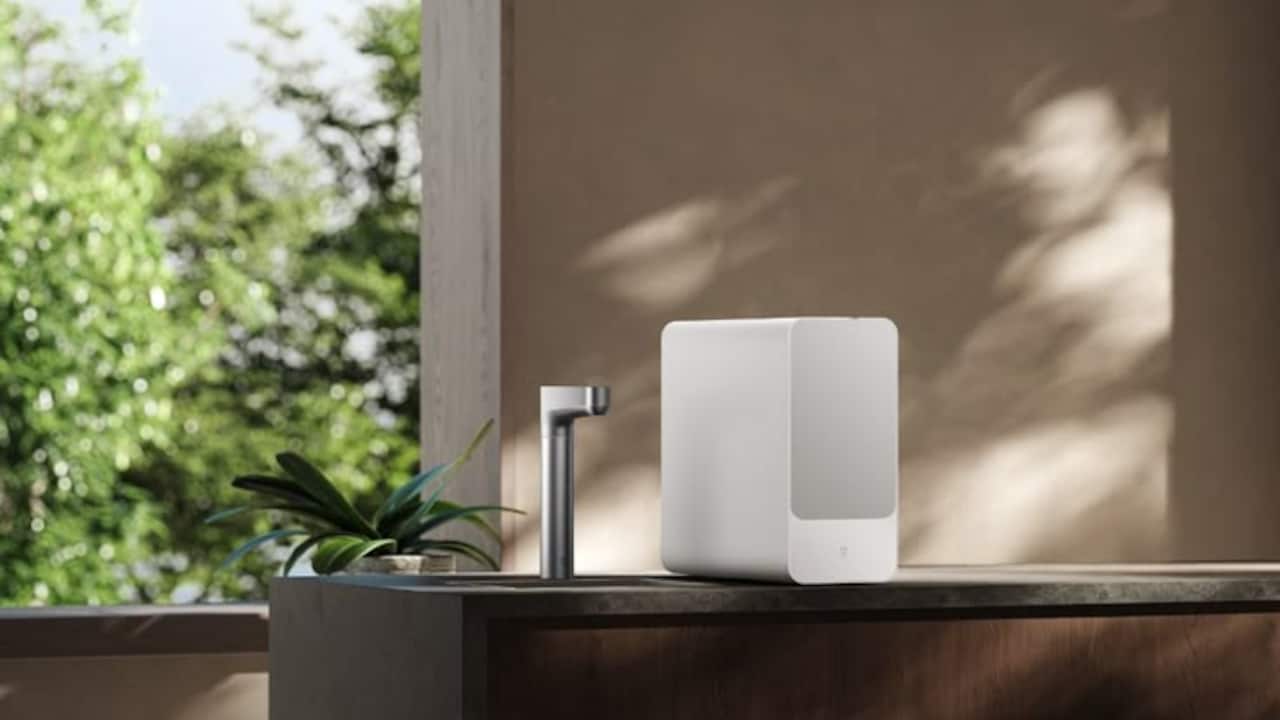
Why Does Your RO Purifier Reject So Much Water? 10 Causes and Solutions; Photo Credit: Pexels
8. Frequent Automatic Flushing Can Increase Reject Water
Many modern RO purifiers use automatic membrane flushing. The system briefly sends water across the membrane at a higher flow rate to clear accumulated salts and deposits.
This process protects the membrane, but the flushing water usually exits through the reject line.
A purifier that flushes frequently can therefore appear wasteful even when it works exactly as designed.
Frequent flushing may happen when family members repeatedly draw small amounts of water, causing the machine to start and stop throughout the day. Some models also flush during startup, shutdown or after a fixed number of operating hours.
The answer is not to disable flushing. Doing so may shorten membrane life and encourage scaling.
Instead, check whether the purifier follows its intended flushing cycle. A faulty sensor, control valve or electronic component can sometimes trigger unnecessary flushing.
Households can also avoid repeatedly switching the purifier's electricity supply on and off unless the manufacturer recommends it. Some machines perform a flush every time they restart.
Understanding the difference between protective flushing and excessive flushing can prevent both needless repairs and needless water waste.
9. Faulty Valves And Sensors Can Keep Water Flowing
RO purifiers rely on several small valves and sensors to control water movement. These components decide when purification should begin, when the storage tank is full and when incoming water should stop.
When one of them develops a fault, reject water may continue flowing even after the purifier has completed its normal cycle.
A malfunctioning automatic shut-off valve often creates this symptom. The storage tank may already be full, yet a thin stream keeps slipping through the waste pipe.
Because the flow looks small, households sometimes ignore it. Over several hours, however, that trickle can add up to many litres.
A simple observation can reveal trouble. Once the purifier tank reaches full capacity, check whether the reject-water flow stops after the normal shutdown sequence. If water continues running for an unusually long time, the machine may need inspection.
Replacing a faulty valve or sensor can restore normal operation quickly.
This kind of repair offers one of the clearest opportunities to cut waste because the extra rejection serves no useful purification purpose at all.
10. Reject Water Often Gets Wasted Even When It Can Be Reused
Not all RO reject water needs to go down the drain. It contains a higher concentration of dissolved salts than the original supply, so drinking or cooking with it generally makes little sense. Yet many household tasks do not require portable water.
Collecting reject water in a separate bucket can make a surprisingly visible difference to daily consumption.
It may work well for floor cleaning, washing balconies, pre-rinsing utensils, cleaning bins or flushing toilets, depending on its TDS and local water quality. Some households also use it for washing vehicles, though very high mineral content may leave marks after drying.
Plants need more caution. Salt-sensitive varieties may suffer if they receive high-TDS reject water regularly.
The simplest reuse system does not need clever plumbing. A clean container placed near the purifier may be enough, provided someone empties it before it turns the kitchen into a miniature monsoon.
More permanent reuse arrangements can route reject water towards utility areas.
Reducing waste does not always mean forcing the purifier to reject less. Sometimes it means putting the rejected water to better use.
Products Related To This Article
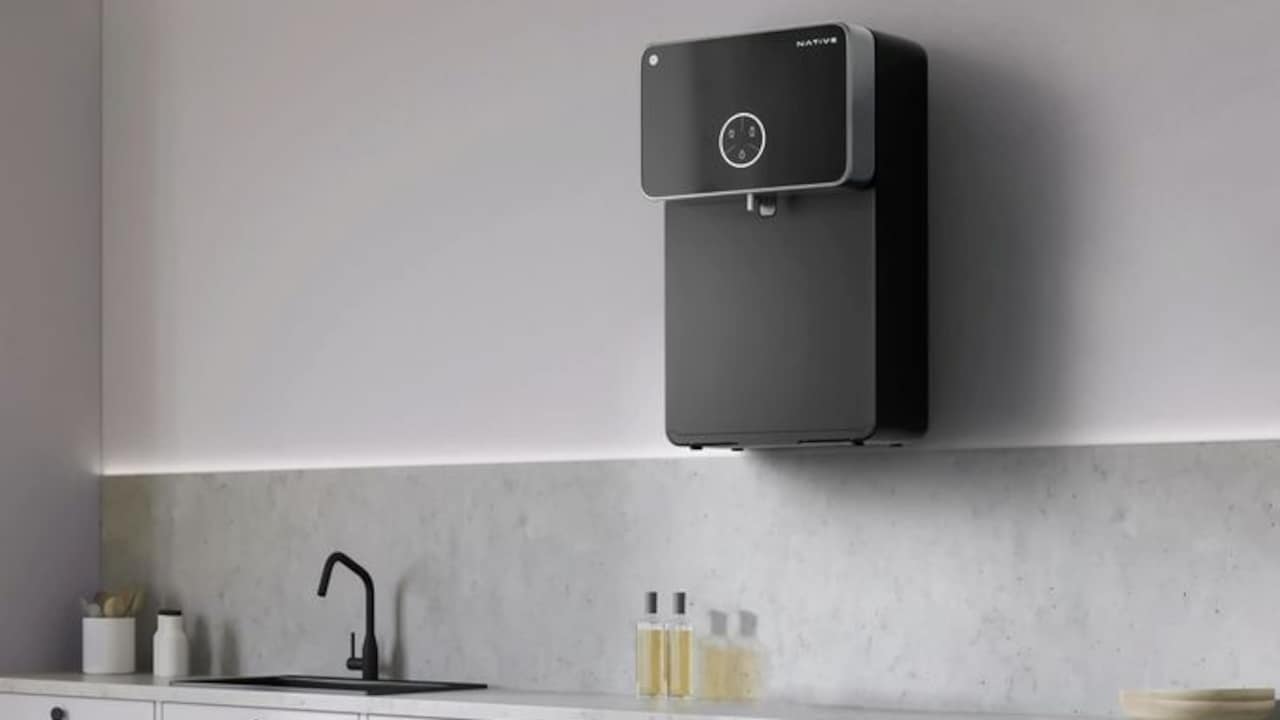
1. Native M1 Water Purifier by Urban Company
2. Atomberg Intellon - India's 1st Adaptive Water Purifier
3. AQUA D PURE 4 in 1 Copper RO Water Purifier with 10 Stage Purification Filtration
4. Aquaguard Sure Delight NXT RO+UV Water Purifier
5. AO Smith Z9 Pro Black RO Water Purifier For Home
6. Atomberg Intellon - India's 1st Adaptive Water Purifier
7. Pureit Wave Plus RO Purifier + Mineral + UV (Black)
RO purifiers do not reject the same amount of water in every home because they do not operate under identical conditions. TDS, hardness, pressure, temperature, filter health, membrane condition and internal controls all influence how much purified water the system can recover.
Some rejection remains essential. It carries concentrated salts away from the membrane and helps the purifier maintain water quality. Trying to eliminate reject water completely can therefore do more harm than good.
The more practical goal is to prevent unnecessary rejection. Clean filters on time, maintain suitable inlet pressure, check the membrane when performance drops and ensure replacement components match the purifier's specifications. Watch for continuous wastewater flow after the storage tank fills, because a small valve fault can quietly waste a substantial amount of water.
Just as importantly, reuse reject water wherever its quality allows. A bucket used for mopping or toilet flushing may not look like sophisticated conservation technology, but the litres saved still count. A well-maintained RO purifier should balance three things: drinking-water quality, sensible recovery and responsible use of every litre that enters the system.
(Disclaimer: This article may include references to or features of products and services made available through affiliate marketing campaigns. NDTV Convergence Limited (“NDTV”) strives to maintain editorial independence while participating in such campaigns. NDTV does not assume responsibility for the performance or claims of any featured products or services.)