10 Deep-Frying Mistakes That Cause Temperature Drops And Leave Food Greasy
Greasy fried food often starts with falling oil temperature. From overcrowding the kadhai to adding wet or cold ingredients, these 10 common mistakes can ruin crispness, increase oil absorption, and leave every batch heavy instead of crunchy.

10 Frying Mistakes That Drop Oil Temperature and Ruin Crispness
Deep-frying looks simple enough. Heat some oil, drop in the food and wait for that glorious golden colour. Yet anyone who has watched a batch of pakoras emerge soft, oily and slightly defeated knows that the process can go wrong very quickly. The real trouble usually begins when the oil temperature falls. Hot oil cooks the outer layer of food rapidly, creating a crisp crust that limits how much fat the food absorbs. When the temperature drops too far, that protective crust forms slowly. Oil then sneaks into the surface while moisture escapes, leaving the finished food heavy rather than crunchy. This explains why one batch of samosas can taste light and flaky while the next feels as though it has spent the afternoon soaking in a non-stick kadhai. Temperature drops rarely happen without a reason. Overcrowding, wet ingredients, poor cookware, and impatient heat adjustments can all upset the balance. Once those mistakes become easy to recognise, deep-frying becomes far more predictable. Here are ten common errors that quietly drag the oil temperature down and turn promising snacks greasy.
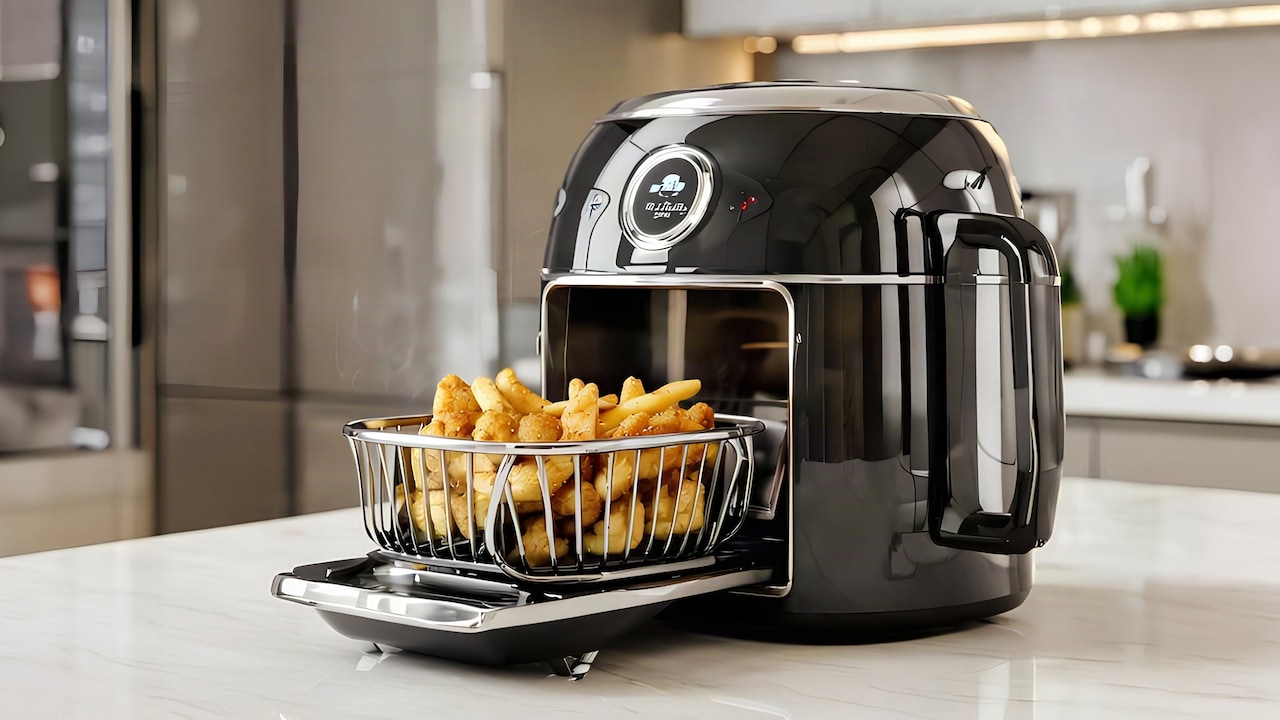
10 Frying Mistakes That Drop Oil Temperature and Ruin Crispness; Photo Credit: Pexels
What Makes Deep-Fried Food Turn Greasy?
1. Overcrowding The Kadhai
The quickest way to ruin a good frying temperature is to drop too much food into the oil at once. Every piece that enters the kadhai carries a lower temperature than the hot oil around it. Add five or six pieces and the oil can recover quickly. Add an entire plateful and the temperature may tumble.
That sudden drop slows crust formation. Instead of crisping immediately, the food sits in cooler oil and starts absorbing fat.
This often happens when guests arrive hungry and the cook tries to speed things up. A mountain of pakora batter goes into the kadhai in one heroic scoop, only for the pieces to emerge pale, soft and oily. The attempt to save five minutes creates another ten minutes of frying.
Leave enough space for the oil to circulate each piece. Smaller batches may seem slower, but they usually cook faster because the oil stays hot. They also brown more evenly and require less time between batches for the temperature to recover.
In deep-frying, patience often works faster than rushing.
Also Read: 5 Best Air Fryers Under ₹6,000 For Quick, Festive-Season Snacking
2. Frying Food Straight From The Fridge
Cold ingredients can shock hot oil more dramatically than expected. A chilled cutlet, paneer cube or portion of marinated chicken pulls heat from the oil the moment it enters the pan.
One or two cold pieces may not cause much trouble. A full batch can drag the temperature down enough to affect texture.
The problem becomes even worse with thicker foods. Their cold centres keep absorbing heat while the outside struggles to crisp. The cook may then leave them in the oil for longer, which encourages even more oil absorption.
Whenever food safety allows, let prepared ingredients lose their refrigerator chill for a short period before frying. They do not need to become warm. The goal is simply to avoid sending icy-cold food straight into the kadhai.
Frozen foods require a different approach because many products are designed for frying straight from frozen. In that case, follow the cooking instructions and work in small batches.
A little temperature awareness before frying can prevent a lot of oily disappointment afterwards.
3. Adding Wet Ingredients To Hot Oil
Water and deep-frying have never enjoyed a peaceful relationship.
Wet ingredients do more than make hot oil spit and splutter. Surface moisture also consumes heat as it turns into steam. Add a large quantity of damp food and the oil temperature can fall sharply.
This commonly happens with freshly washed vegetables. Potatoes, cauliflower, brinjal and green chillies may look dry at first glance while still carrying a thin film of water. Batter-coated foods can create the same problem when the batter becomes too watery.
Dry ingredients thoroughly before frying whenever the recipe allows. Pat vegetables with a clean kitchen towel and shake excess marinade from foods that do not require a thick coating.
Moisture inside the food is normal and necessary. Surface water causes most of the trouble.
There is also a safety reason to take this seriously. Water can make hot oil bubble aggressively and splash beyond the pan. A few extra minutes spent drying ingredients can protect both the texture of the food and the person standing beside the stove. Crispness often starts long before the food reaches the oil.
10 Frying Mistakes That Drop Oil Temperature and Ruin Crispness; Photo Credit: Pexels
4. Guessing The Oil Temperature
Many cooks judge frying oil by instinct. A tiny drop of batter goes in, it sizzles, and the frying begins.
That old-school method can work, but it leaves plenty of room for error. Oil that looks active may still sit below the ideal frying range. If the temperature starts too low, the food absorbs oil from the beginning.
A kitchen thermometer removes the guesswork. Most deep-fried foods cook well somewhere around 170°C to 190°C, although the exact temperature depends on the recipe.
Without a thermometer, use visual clues carefully. A small piece of batter should rise steadily with lively bubbles around it. If it sinks and barely reacts, the oil needs more heat. If it turns dark almost immediately, the oil has become too hot.
The biggest mistake comes from assuming that once the oil reaches the right temperature, it will stay there. Every batch changes the temperature.
Check regularly and allow the oil to recover between rounds. Deep-frying rewards attention more than confidence.
5. Using Too Little Oil
Trying to save oil by using a shallow amount in a deep-frying recipe can backfire.
A larger quantity of oil holds heat more steadily. When food enters the pan, that extra volume helps the temperature recover quickly. A small amount of oil loses heat much faster because the cold food makes up a larger proportion of the total contents of the pan.
The result can look confusing. The food seems to fry, bubbles appear and the surface eventually browns, yet the texture feels heavy and greasy.
Use enough oil for the food to float freely without touching the base of the vessel. The kadhai should still have plenty of empty space above the oil because bubbling can raise the level considerably.
Oil need not go to waste after one session. Once cooled, suitable frying oil can often be strained and reused a limited number of times, depending on what was cooked and the condition of the oil.
Saving a small quantity of oil during frying may feel economical. Ruining an entire batch of snacks rarely does.
6. Choosing The Wrong Frying Vessel
The pan itself plays a surprisingly large role in temperature control.
A thin, lightweight vessel heats quickly but also loses heat quickly. When a batch of food enters, the temperature may drop sharply and take longer to recover. Heavy-bottomed cookware stores more heat and gives the oil greater stability.
A sturdy kadhai, deep saucepan or cast-iron pot works particularly well for frying because the thick material handles temperature changes better.
Size matters too. A pan that barely fits the food encourages overcrowding and leaves little room for safe bubbling. A vessel that is excessively wide may require far more oil than necessary and can make temperature control awkward on a small burner.
Choose a pot that feels comfortably larger than the batch you plan to fry. Keep the oil level well below the rim.
The right vessel will not make poor frying technique disappear, but it creates a much more forgiving environment. Think of it as the steady colleague in the kitchen: not flashy, but quietly preventing chaos.
7. Turning The Heat Down Too Early
Hot oil can make people nervous. The bubbling grows louder, steam rises and the natural instinct says, “Reduce the flame before something burns.”
That reaction often comes too soon.
When food enters the oil, the temperature naturally falls. Turning the heat down at the same moment exaggerates the drop and leaves the food cooking in oil that is far cooler than intended.
Instead, watch the behaviour of the oil. Maintain enough heat for the temperature to recover after adding each batch. Once it stabilises, adjust the flame if necessary.
Gas burners respond quickly, while induction and electric hobs may behave differently. Every kitchen has its own rhythm.
The goal is not to keep the flame permanently high. Excessive heat can burn the outside while leaving the centre raw. The goal is to manage the heat rather than react to the noise.
Deep-frying always looks dramatic. Bubbling does not automatically mean danger or excessive temperature.
Sometimes the loudest kadhai is simply doing its job.
10 Frying Mistakes That Drop Oil Temperature and Ruin Crispness; Photo Credit: Pexels
8. Adding The Next Batch Too Quickly
The first batch comes out beautifully. Everyone grabs a piece. Confidence rises. The second batch goes in immediately.
Then the trouble begins.
Oil needs time to recover after each batch. Even when the previous food looked perfectly cooked, it may have lowered the oil temperature by several degrees. Adding more food before the oil reheats compounds the problem.
Each batch then takes longer to cook, absorbs more oil and often turns progressively paler.
Give the oil a short recovery period between rounds. Watch the thermometer if you use one, or test with a tiny amount of batter before continuing.
This matters especially during large frying sessions for festivals, family gatherings or evening snacks. The temptation to keep the production line moving can be strong when a plate empties faster than expected.
Still, a brief pause produces better results than sending batch after batch into struggling oil.
The guests may complain for thirty seconds. A greasy samosa stays greasy for the entire meal.
9. Using Batter That Is Too Thin
A thin batter can sabotage frying temperature in two ways.
First, watery batter introduces extra moisture into the oil. That moisture turns into steam and pulls heat from the pan. Second, a thin coating takes longer to form a crisp protective layer around the food.
The result often appears with pakoras, battered vegetables and fried paneer. The coating slides away, bubbles aggressively and develops a soft texture instead of a crisp shell.
Aim for a batter that clings easily to the ingredient without running off like water. Besan-based batters usually need enough thickness to coat the food evenly while still feeling light.
Do not correct an overly thick batter by pouring in a large quantity of water at once. Add liquid gradually and mix between additions.
Resting time can also change consistency. Some flours absorb moisture after sitting, which means a batter that looked perfect ten minutes ago may behave differently when frying begins.
Good batter should meet hot oil with confidence, not dissolve into it like a nervous guest at a crowded wedding.
10. Frying Before The Oil Reheats After Adjustments
Cooks often add oil midway through frying, move the pan to another burner or change the flame after noticing that food is browning too slowly. The mistake comes when frying resumes immediately after that adjustment.
Fresh oil lowers the overall temperature. Moving cookware can interrupt heating. Even lifting the pan from the burner for a minute makes a difference.
The oil needs time to return to the correct frying temperature.
This also applies after removing burnt crumbs. Cleaning the oil between batches is a good habit because loose batter pieces can darken and affect flavour. However, spending several minutes skimming the surface may allow the temperature to fall.
Recheck the heat before adding more food.
Deep-frying works best when every batch starts under similar conditions. That consistency creates even colour, reliable cooking times and a lighter texture.
Treat the oil like an ingredient rather than a background cooking medium. Its temperature, freshness and volume shape the final result just as much as the spices in the filling or batter.
Products Related To This Article
1. iBELL DF620M 12L Electric Deep Fryer
2. Modern India Kitchenware Commercial Double Tank Electric Deep Fryer with Temperature Control
3. iBELL OILKING200 Electric Deep Fryer
4. Heatza 6 Litre Electric Deep Fryer
5. Electric Deep Fryer Machine, Stainless Steel
6. AMERICAN MICRONIC® 3 L Electric Deep Fryer
7. FUZION 6 Liters 2500W Commercial Single Electric Fryer, Silver
Greasy deep-fried food rarely comes down to bad luck. More often, the oil simply lost too much heat at the wrong moment.
Overcrowding, chilled ingredients, excess moisture, thin cookware and rushed batches can all pull the temperature down. Once that happens, food takes longer to crisp and absorbs more oil along the way.
The solution does not require restaurant equipment or complicated technique. A sturdy kadhai, sensible batch sizes, dry ingredients and steady heat control can make an enormous difference.
Most importantly, resist the urge to rush. Give the oil time to heat properly, let it recover between batches and pay attention to how the food reacts once it enters the pan.
That small bit of patience can turn soft pakoras into crisp ones, greasy fries into golden ones and heavy samosas into the kind that shatter delicately with the first bite. Because when deep-frying works properly, the crunch should arrive before the guilt.
(Disclaimer: This article may include references to or features of products and services made available through affiliate marketing campaigns. NDTV Convergence Limited (“NDTV”) strives to maintain editorial independence while participating in such campaigns. NDTV does not assume responsibility for the performance or claims of any featured products or services.)