Electric Kettle Safety Guide: Plastic, Glass Or Steel, Which Is Safest For Daily Boiling?
Choosing the right electric kettle isn't just about speed and style. Material matters for safety, taste and durability. Should daily boiling be done in plastic, glass or stainless steel? Here's a clear guide to pick the safest option. Check out these 10 key differences between plastic, glass, and steel electric kettles.
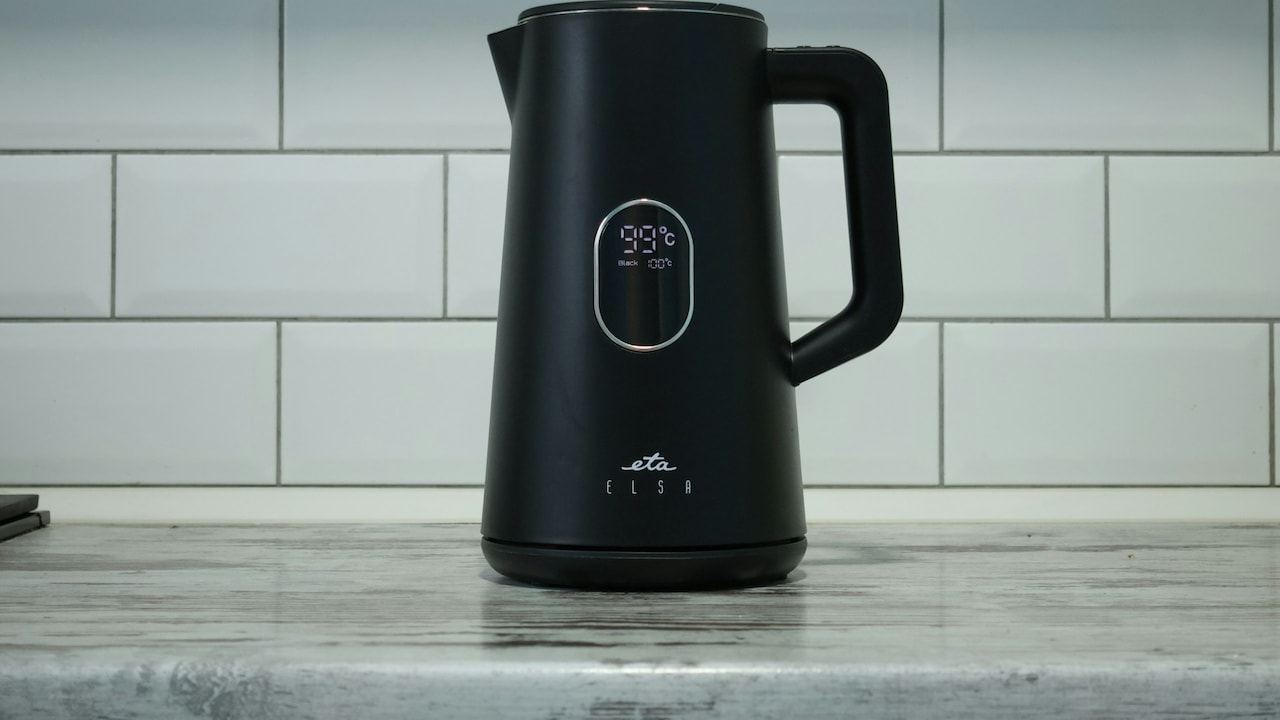
Electric Kettle Safety Guide: Glass, Plastic or Steel - Here Is What You Should Choose.
Picture a lazy morning where the alarm screams at 6 am, and the only comforting thought is a steaming cup of chai. Walking into the kitchen, switching on an electric kettle now saves more time than waiting for a gas flame to behave. With quick boiling, energy efficiency and zero mess, kettles are now as common as pressure cookers. But here comes a tricky twist: every model looks stylish, promises safety and claims to be the “best”. Then a simple purchase turns into a confusing science experiment and therefore, in this electric kettle safety guide, we reveal which is safest for daily boiling - plastic, glass or steel.
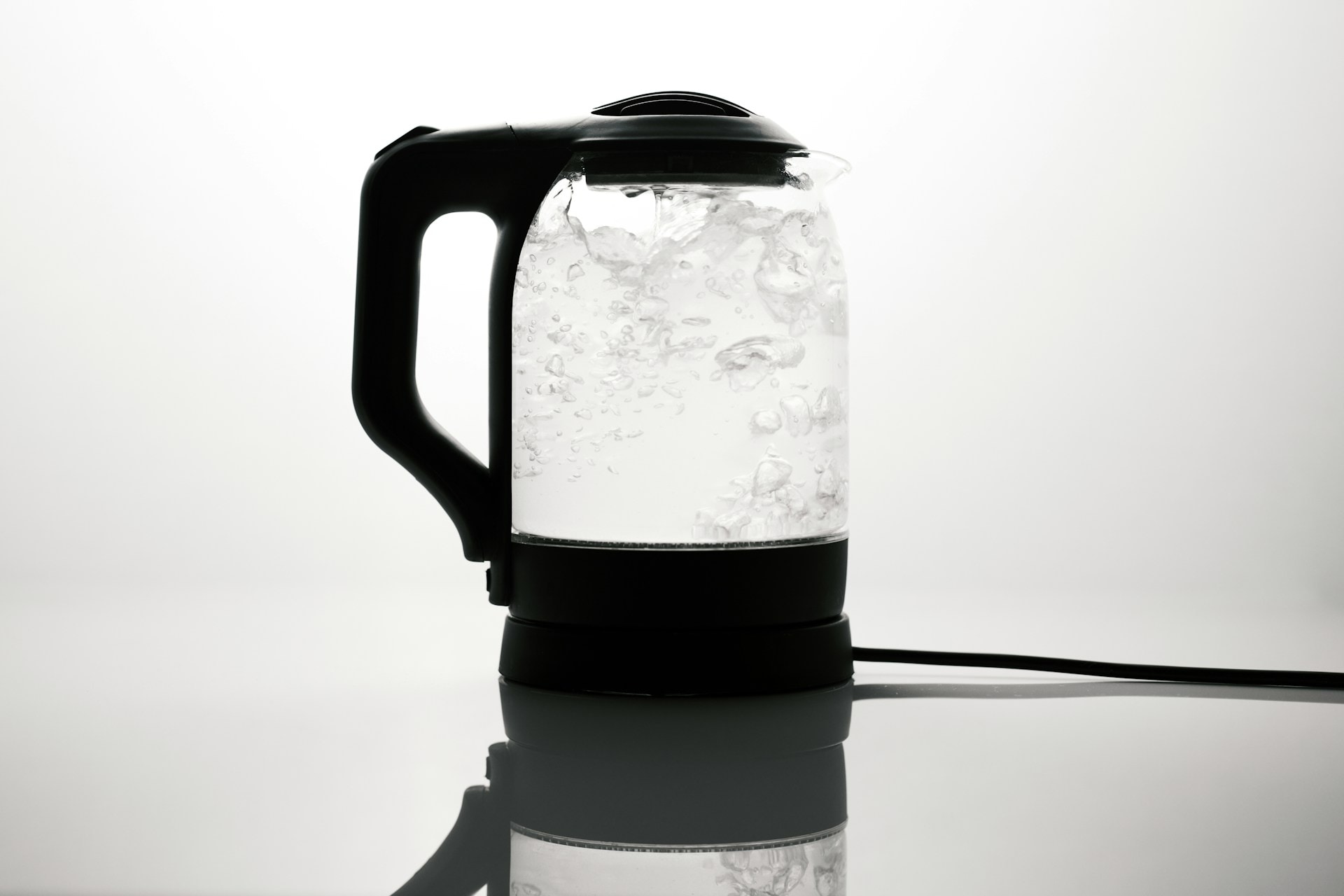
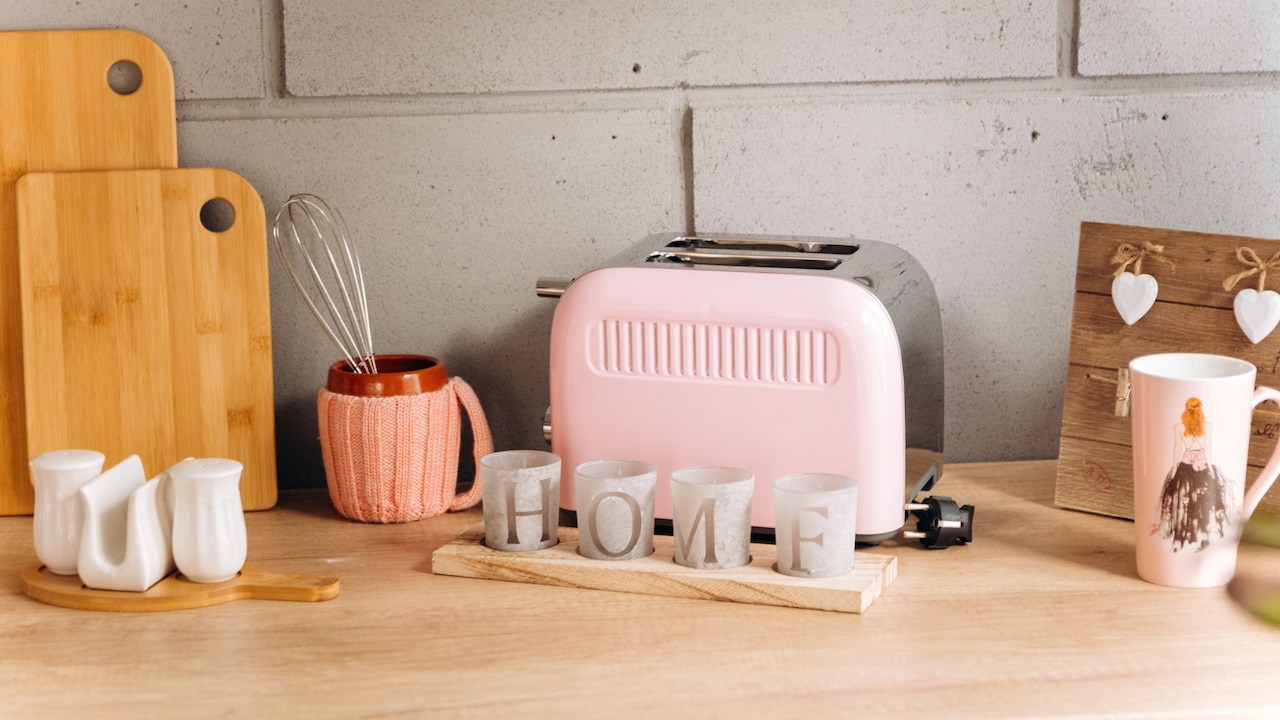
Read all about plastic vs glass vs steel electric kettles; Photo Credit: Unsplash
Health concerns, durability, flavour impact and budget all play a role. A kettle runs daily, often several times, so choosing the right one matters more than it seems. This guide breaks down the options, plastic, glass and stainless steel, using practical examples and everyday concerns. By the end, the choice becomes simple, logical and safe for long-term use.
Also Read: Top Rated Electric Kettle For Fast Boiling, Efficient Picks For Tea, Coffee, And more
Comparing Materials For Safe Daily Boiling
1. The Health Question: Does Material Really Affect Water Safety?
Every sip of boiled water seems harmless until questions linger about what stays behind after heating. When plastic is heated repeatedly, micro-particles might leach into the water. Glass remains neutral, while stainless steel is known to be non-reactive unless it contains low-grade alloys. A kettle used daily becomes part of the household routine, so even tiny traces matter.
Boiling water strips away bacteria, yet the wrong kettle material may introduce chemicals such as BPA from low-grade plastic or nickel from poor-quality steel. These are not immediately noticeable, but long-term exposure could influence well-being. Many households boil water for tea, coffee, baby formula and even remedies during seasonal illnesses, which makes purity essential. Choosing a safe material means protecting what matters most without fussing about side effects every time the kettle switches on.
2. Plastic Electric Kettles: Affordable, But How Safe?
Plastic kettles seem attractive because they are lightweight, stylish and priced around ₹400 to ₹1,200, making them a budget favourite for students, paying guests and first-time buyers. Their designs vary from bold colours to compact shapes that fit tiny kitchens or hostel shelves. Yet affordability often brings concerns.
Repeated heating may cause low-grade plastics to release harmful compounds. Some kettles promise “BPA-free” construction, but verification is tricky unless from a trusted brand. Over time, plastic kettles may absorb odours from tea or spices, giving water a strange flavour. In a household that loves masala chai, this could become an everyday annoyance. They also scratch easily, and those scratches can trap residue. Plastic works well for short, occasional use, but for heavy, everyday boiling, it raises more questions than comfort.
3. Glass Kettles: Pure, Stylish, But Fragile
A glass kettle looks elegant on the countertop, almost like a transparent teapot revealing bubbling water. Glass doesn't react with heat, doesn't release chemicals and keeps the taste neutral no matter what is boiled. Whether it's warm honey water during winter or instant soup during long office meetings at home, the flavour remains intact.
However, style comes with delicate handling. Glass kettles cost anywhere between ₹900 and ₹2,500 and demand care during cleaning and storage. Accidental drops, sudden temperature changes or metal spoons inside the kettle may lead to cracks. Even though they use tough borosilicate glass in most cases, they remain more fragile than steel. Family kitchens with kids running around or people in a hurry might find a glass kettle too risky. It is perfect for those who value clarity and purity, but only if handled mindfully.
4. Stainless Steel Kettles: Durable, Safe And Built To Last
Stainless steel kettles are popular because they balance affordability and durability. Most models cost ₹800 to ₹2,200 and offer toughness that suits everyday boiling. Unlike glass, they won't crack; unlike plastic, they won't melt or release chemicals. Good-quality stainless steel prevents rust and doesn't interfere with taste. This makes it reliable for multiple daily uses, especially in large families.
Steel kettles also retain heat slightly longer, keeping water warm for another cup of tea or herbal infusion. They handle rough handling, hurried mornings and endless batches of noodles cooked by teenagers experimenting with midnight snacks. The only caution is to choose kettles made from food-grade 304 steel. Cheaper steel variants might cause a metallic odour or contain nickel traces. With proper selection, stainless steel becomes the safest long-term companion for daily boiling.
5. Boiling Speed And Energy Efficiency: Who Wins?
When hunger strikes and ready-to-eat noodles promise salvation, boiling speed becomes a hero. Electric kettles generally work faster than gas stoves, but the material affects heat retention. Stainless steel kettles heat water quickly and distribute warmth evenly. Glass heats more slowly because heat escapes through the transparent surface, while plastic offers the slowest performance due to poor conductivity.
In terms of electricity usage, all kettles consume roughly 1000–2000W, depending on the model. But faster heating reduces runtime, saving a few rupees each month. Over a year, regular users could feel the difference in power bills. A steel kettle provides the best balance between speed and energy cost. Glass competes well in many cases, while plastic lags behind. In homes where boiling happens many times a day, speed silently influences both convenience and monthly expenses.
Always consider boiling speed and energy efficiency when buying kettles; Photo Credit: Unsplash
6. Taste Matters: Does Water Flavour Really Change?
Tea lovers easily notice when the flavour drops even slightly. Water boiled in poor-quality plastic may feel synthetic, especially when preparing green tea, black coffee or herbal drinks that rely on natural aroma. Glass, being neutral, preserves pure flavour, making it ideal for delicate beverages. Stainless steel generally maintains taste unless the steel grade is inferior.
Some households boil water for honey, ginger water or lemon drinks during seasonal coughs and colds. A kettle that changes flavour could reduce the effectiveness of such homemade remedies. Over time, deposits inside the kettle might also change how the water tastes. Steel kettles handle descaling easily; plastic absorbs odour, and glass requires gentle cleaning. So, the choice isn't just about boiling water; it influences everyday culinary pleasure.
7. Durability And Maintenance: Long-Term Value Counts
A kettle isn't a yearly purchase like festive clothes or an impulse sale during online mega discounts. It should last long enough to become part of everyday routine. Plastic kettles score poorly here; scratches, fading and heating damage often reduce lifespan. They may look attractive initially but rarely survive prolonged heavy use.
Glass demands careful handling. Cleaning must be done gently to avoid scratches that weaken its surface. Hard water stains appear easily on transparent glass but can be removed using diluted vinegar. Stainless steel excels in durability. It survives careless drops, rough scrubbing and hard water deposits. A little descaling now and then keeps it shining. For families that boil water multiple times a day, steel gives the best long-term comfort with minimal maintenance drama.
8. Budget And Value For Money: What Makes Practical Sense?
Price influences most household purchases, and kettles are no different. Students in hostels or young professionals moving into rented apartments often prefer plastic simply because the price looks tempting. Yet plastic might cost more later when replacement becomes necessary after a short period.
Glass seems premium, but comes with the cost of careful handling. Replacement or repair rarely makes sense because once broken, the entire product typically needs replacement. Stainless steel offers the best value. Though slightly more expensive than budget plastic, it lasts longer, works safely and fits varied usage. In the long run, steel saves money by avoiding frequent replacement. Spending ₹900–₹1500 once is far better than paying ₹600 repeatedly over time. The wise choice, therefore, weighs boththe present budget and future savings.
9. Safety Features To Look For: Beyond Just Material
Material matters, but safety features define whether the kettle is reliable. Automatic shut-off prevents overheating when water dries out. Boil-dry protection shuts the kettle off before it burns. Concealed heating elements make cleaning easier and prevent scaling issues. A comfortable handle, stable base and secure lid add to safety during hurried mornings.
Plastic handles on steel or glass kettles offer heat protection, while steel handles could become hot. Transparent water level indicators help avoid overfilling. Cordless designs and 360-degree bases improve convenience. Features matter especially in homes with elderly members or college students who may forget the kettle mid-boil. Choosing a kettle with safety options ensures peace of mind along with efficiency.
10. So, Which Kettle Wins? Choosing Based On Lifestyle
The right kettle depends on how it is used, not just what looks attractive. For fast-paced households where boiling happens repeatedly throughout the day, stainless steel offers the best balance of safety, durability and value. For those who appreciate visual clarity and purity of taste, and handle appliances delicately, glass serves beautifully. Plastic might work for temporary setups or occasional use, but demands cautious selection and trusted brands.
People who cook noodles, soups and boil water often should avoid plastic. Families with children or heavy daily use would benefit most from steel. Anyone seeking elegance and clarity without frequent rough usage could enjoy glass. The best choice is the one that stays safe, reliable and practical for the long run, rather than the trendiest or cheapest option on the shelf.
Products Related To This Article
1. Hafele Dome Plus 2200W
2. Philips HD9314/90 Double-Walled Electric Kettle
3. Glen Glass Electric Kettle 1.8L
4. Milton Rapid Electric Kettle 1.8L
5. iBELL Gekb17M Black Glass Electric Kettle
6. AGARO Elegant Electric Kettle
7. Hafele Dome Plus 2200W
Electric kettles have quietly transformed daily routines, speeding up mornings and simplifying everything from tea to instant snacks. When used every day, material choice impacts not just taste but long-term health, cost and convenience. Stainless steel emerges as the most dependable option for frequent use, glass promises purity and elegance with careful handling, and plastic remains suited only for limited or short-term needs. The perfect kettle doesn't just boil water; it becomes a trusted companion in everyday comfort. With thoughtful selection, every warm cup becomes safer, tastier and effortlessly enjoyable.
(Disclaimer: This article may include references to or features of products and services made available through affiliate marketing campaigns. NDTV Convergence Limited (“NDTV”) strives to maintain editorial independence while participating in such campaigns. NDTV does not assume responsibility for the performance or claims of any featured products or services.)