Why Robot Vacuums Keep Missing Corners And The Home Layout Mistake Behind It
Robot vacuums often miss corners not because they are faulty, but because poor furniture placement and cluttered layouts disrupt navigation and cleaning patterns.
Why Robot Vacuums Keep Missing Corners And The Home Layout Mistake Behind It
The dream sounds perfect. Press a button, sip evening chai, and let a robot vacuum glide around the house while the daily mess disappears. Advertisements make these little machines look almost magical. They dodge obstacles, map rooms, and return to their charging dock like disciplined pets. Yet reality often feels different. Dust gathers in corners. Biscuit crumbs survive under dining chairs. Hair clumps sit untouched beside sofa legs like tiny tumbleweeds. Many households blame the robot itself. Some assume the suction lacks power. Others think the machine needs replacing after a few months. Yet the bigger issue usually sits right in front of everyone, the layout of the home. Robot vacuums rely on predictable movement patterns, open paths, and clean navigation. The average flat or bungalow rarely offers that luxury. Narrow furniture spacing, cluttered floors, uneven transitions, and awkward room shapes quietly sabotage the cleaning process.
Why Robot Vacuums Keep Missing Corners And The Home Layout Mistake Behind It
Photo Credit: Pexels
Modern homes have also evolved faster than robot technology. Interior trends now favour low seating, nested coffee tables, decorative floor lamps, pouffes, and indoor plants. These may look stylish on social media, but they create obstacle courses for cleaning robots. Even expensive models worth ₹60,000 can struggle when furniture placement blocks movement every few feet.
The irony feels almost comical. People buy robot vacuums to save time, then unknowingly arrange homes in ways that make the machines work twice as hard. The result? Half-cleaned floors and growing frustration. Understanding how home layouts affect cleaning performance changes everything. Sometimes a simple furniture shift works better than upgrading to a pricier model.
What Most Households Get Wrong About Automated Cleaning
The Corner Problem Starts With Circular Design
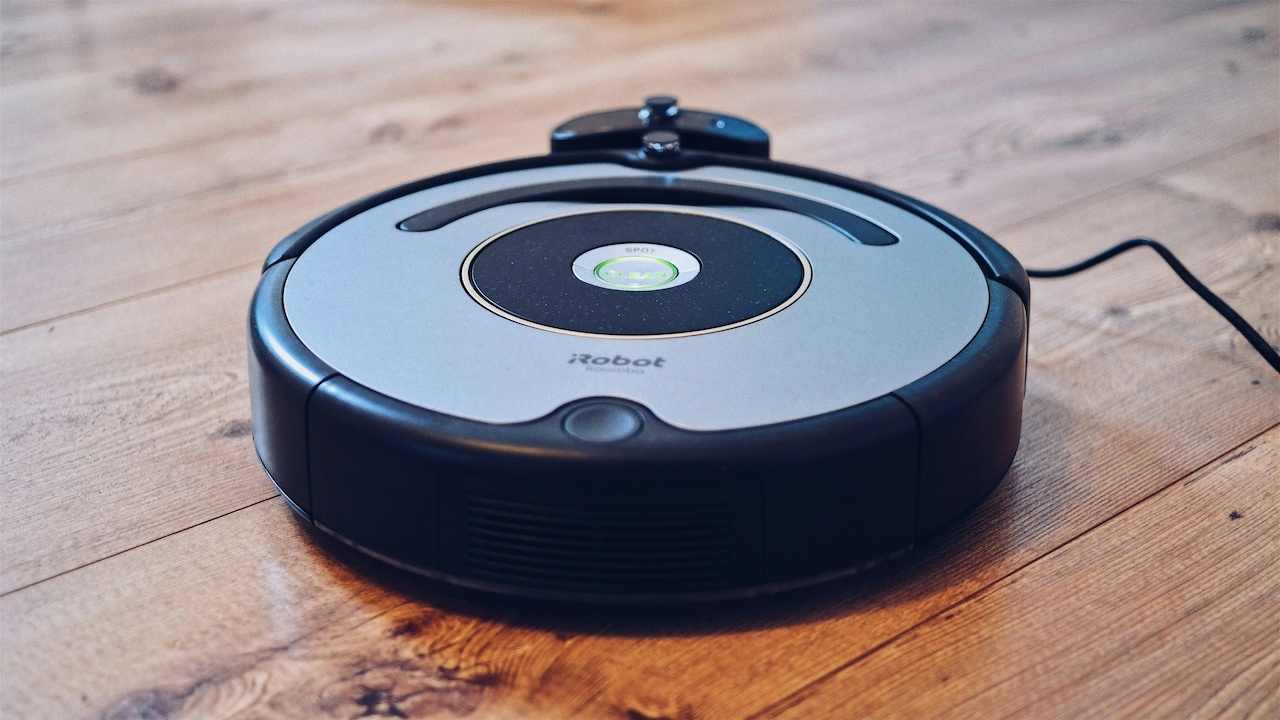
Most robot vacuums share one obvious feature: a circular shape. That design helps the machine rotate smoothly and avoid collisions, but it also creates a funny little problem. Circles and corners do not naturally cooperate. Sharp ninety-degree angles leave small triangular spaces where dust escapes the vacuum's main brush.
Manufacturers try to solve this with spinning side brushes. Those tiny sweeping arms flick dirt inward so the suction can collect it. In theory, the solution sounds clever. In reality, those brushes often scatter fine dust rather than fully capture it. Anyone who has watched a robot vacuum enthusiastically push a coriander flake from one corner to another understands the frustration.
Home layouts make this worse. Decorative corner tables, floor lamps, shoe racks, and plant stands create tight edges where the machine cannot rotate properly. Instead of entering the space, the robot taps the furniture, hesitates dramatically, then retreats like a confused tourist.
Corners near kitchens become especially troublesome because cooking dust and spice particles settle heavily there. Tiny grains of atta or rice often escape repeated cleaning cycles. Many users wrongly assume the vacuum lacks intelligence, when the issue actually comes down to geometry and spacing.
A slight redesign can improve results enormously. Pulling furniture a few centimetres away from the walls gives the robot enough room to align itself properly. Rounded furniture edges also help navigation. Oddly enough, a room with slightly less decorative clutter often cleans far better than a perfectly styled showroom-inspired space.
Too Much Furniture Creates Navigation Chaos
Robot vacuums love open spaces. Unfortunately, many living rooms resemble obstacle courses by the end of the week. Chairs sit at awkward angles, charging cables snake across floors, and stools appear mysteriously beside sofas after guests leave.
Humans navigate these spaces effortlessly because the brain constantly adapts. Robot vacuums rely on sensors and mapped routes. Every unexpected obstacle forces recalculation. That slows cleaning and increases the chances of missed areas.
Dining spaces often become the biggest headache. Chairs tucked tightly around tables create narrow gaps that robots struggle to enter. The machine circles repeatedly, bumps into chair legs, then eventually abandons the area altogether. Meanwhile, biscuit crumbs under the table survive untouched after every meal.
Low furniture adds another complication. Some sofas leave just enough clearance for the vacuum to partially enter, but not enough to turn around smoothly. The machine wedges itself underneath, makes alarming grinding noises, and eventually escapes after wasting several minutes.
Homes with heavily decorated floors also confuse navigation systems. Pouffes, floor cushions, magazine baskets, and decorative stands interrupt cleaning patterns constantly. While these additions create warmth and personality, they also reduce cleaning efficiency dramatically.
Simple adjustments help more than most people realise. Moving dining chairs aside before starting a cleaning cycle creates surprisingly better coverage. Organising cables along walls instead of across floors also improves movement. A robot vacuum works best when the room offers predictable pathways rather than surprise obstacles every two feet.
Narrow Gaps Trap More Dust Than Expected
Many homes contain tiny spaces that seem harmless but quietly collect enormous amounts of dust. The narrow gap between the refrigerator and the wall. The slim area beside the wardrobes. The awkward strip between beds and side tables. These forgotten zones become dirt magnets over time.
Robot vacuums struggle badly with such spaces because manufacturers design them for wider movement paths. Even slim models require turning radius space. If the machine squeezes into a tight area but cannot rotate, it often reverses out immediately without proper cleaning.
Bedrooms illustrate this perfectly. Beds placed too close to wardrobes create inaccessible strips where dust accumulates for weeks. Hair, lint, and fabric fibres gather silently until someone finally notices a grey line running along the edge.
This issue becomes even more noticeable during festival cleaning seasons. Areas ignored by the robot suddenly reveal shocking dust build-up behind furniture. Families often blame the machine, but the truth sits in the layout itself.
Modern modular furniture worsens the situation because designers prioritise storage efficiency over cleaning access. Compact urban flats especially suffer from this problem. Every inch gets utilised, leaving little room for automated cleaners to manoeuvre.
Creating slightly wider furniture spacing helps tremendously. Even an extra three or four inches can allow better access. Some households also schedule occasional manual cleaning for these impossible zones instead of expecting the robot to handle every corner perfectly. Accepting those limitations actually reduces disappointment significantly.
Dark Flooring And Mirrors Confuse Sensors
Technology sounds impressive until a robot vacuum panics because of shiny tiles. Many homeowners never realise that flooring itself affects cleaning accuracy. Dark surfaces, reflective marble, and mirrored furniture often confuse cliff sensors and navigation cameras.
Robot vacuums use downward-facing sensors to prevent falls down stairs. Certain dark flooring patterns resemble drop-offs to the machine. As a result, the robot slows nervously, changes direction randomly, or refuses to enter sections altogether.
Glossy floors create another strange issue. Reflections from sunlight or overhead lights interfere with mapping sensors. Some machines interpret mirrored wardrobe panels as open pathways and repeatedly bump into them. Watching this unfold feels oddly similar to birds attacking their own reflection.
Large mirrors placed near floor level create navigation errors, too. Robots may attempt to clean imaginary spaces reflected in the glass. The machine keeps approaching the mirror, retreating, then trying again like someone searching for a hidden doorway.
Many premium homes now feature polished vitrified tiles that look stunning but challenge automated cleaning systems. The vacuum technically functions, but navigation becomes less efficient and more erratic.
Simple changes often solve the problem. Better lighting improves sensor performance significantly. Covering low mirrors temporarily during cleaning cycles can also help. Some households place thin boundary strips near troublesome reflective areas so the robot avoids them entirely.
Technology continues improving every year, but home design trends still evolve faster than robot navigation systems can adapt.
Charging Dock Placement Quietly Affects Everything
Most people place the charging dock wherever a plug point happens to exist. That innocent decision can ruin the robot vacuum's entire cleaning pattern.
The dock acts as the machine's starting and ending reference point. If placed in a cramped corner or behind furniture, navigation becomes inefficient immediately. The robot struggles to exit cleanly, loses mapping accuracy, or wastes battery trying to reposition itself.
Many households tuck the dock under side tables to hide it aesthetically. Unfortunately, this creates sensor interference and restricted movement. Some robots repeatedly collide with surrounding furniture before finally starting the cleaning cycle properly.
Corridor placement causes another common issue. Narrow hallways force the robot into awkward alignment every time it begins cleaning. Instead of moving smoothly into open rooms, the machine spends extra time recalculating routes.
Dock placement near clutter creates even more problems. Shoes, bags, umbrellas, and loose wires disrupt navigation before cleaning even starts. It resembles trying to begin a morning jog inside a crowded storeroom.
Ideally, the dock needs open space around it. A clear path allows smoother exits and more reliable returns after cleaning. Positioning it centrally rather than in isolated corners also improves room coverage.
Interestingly, many users spend weeks adjusting cleaning schedules through apps while ignoring the physical placement of the dock itself. Yet this small setup detail often influences performance more than software settings ever could.
Rugs And Floor Transitions Interrupt Cleaning Flow
Robot vacuums handle smooth flooring beautifully. The moment rugs enter the picture, things become unpredictable.
Thin rugs curl at the edges and trap wheels. Thick carpets create resistance that drains the battery faster. Tasselled rugs behave like playful enemies determined to strangle the machine. Watching a robot vacuum inhale rug fringes with absolute confidence remains both frustrating and unintentionally hilarious.
Floor transitions create additional complications. Raised strips between rooms confuse wheel sensors and interrupt mapping consistency. Many homes combine tiles, wood, and carpets within the same layout, forcing the vacuum to constantly adjust traction and suction settings.
Small bathroom thresholds become especially troublesome. Some robots repeatedly attempt crossing tiny ledges but fail every time. The machine stubbornly retries like someone attempting to park on a crowded market street during festival season.
Kitchen mats also disrupt cleaning flow. Lightweight mats slide around during cleaning, blocking navigation paths unexpectedly. Instead of cleaning efficiently, the robot spends valuable time dragging fabric across the room.
Consistent flooring improves automated cleaning dramatically. Homes with fewer abrupt transitions allow smoother movement and better battery efficiency. Securing rugs properly also reduces interruptions.
The goal does not require removing every carpet from the house. It simply means understanding how surface changes affect movement patterns. A robot vacuum performs best when it glides rather than constantly climbing, tugging, and correcting itself every few seconds.
Why Robot Vacuums Keep Missing Corners And The Home Layout Mistake Behind It
Photo Credit: Pexels
Cluttered Corners Become Permanent Blind Spots
Corners naturally attract clutter. Grocery bags wait there temporarily for three days. Laundry baskets migrate mysteriously beside cupboards. Children leave toys tucked behind sofas. These small habits quietly create permanent blind spots for robot vacuums.
Unlike humans, robots cannot pick things up before cleaning. They simply avoid blocked spaces entirely. Over time, these neglected zones collect layers of dust that gradually spread across nearby floors again.
Bedrooms often suffer the most. Charging cables, slippers, backpacks, and random shopping bags occupy corners almost permanently. The vacuum approaches cautiously, detects obstacles, and then abandons the area without proper cleaning.
Festive decorations also create seasonal problems. Decorative lights, extension cords, and floor décor disrupt navigation for weeks at a time. During monsoon season, umbrellas and footwear near entrances add even more clutter.
The problem extends beyond cleanliness. Constant obstacle avoidance increases cleaning duration and battery consumption. The robot works harder while achieving worse results.
Creating designated storage zones solves much of this frustration. Simple baskets for loose items help maintain open floor space. Raising small décor pieces slightly off the floor also improves accessibility.
Many users expect robot vacuums to adapt endlessly to chaotic surroundings. In reality, these machines thrive on consistency. A slightly tidier layout transforms cleaning quality more effectively than expensive hardware upgrades.
Open Floor Plans Are Not Always Better
Open layouts appear perfect for robot vacuums at first glance. Large, uninterrupted spaces seem ideal for smooth movement. Yet overly open designs sometimes create surprising inefficiencies.
Without clear room boundaries, robots may spend too much time navigating large central areas while neglecting edges. The machine keeps circling broad spaces repeatedly because the mapping system prioritises open movement paths.
Massive living-dining combinations illustrate this issue well. The robot cleans visible central flooring thoroughly but misses tucked-away edges near walls and furniture clusters. Since the open space dominates the map, peripheral areas receive less focused attention.
Natural lighting also affects open layouts differently throughout the day. Bright afternoon sunlight streaming through balcony doors can interfere with sensors temporarily. Shadows shift constantly, creating inconsistent navigation patterns.
Another overlooked issue involves foot traffic. Large open layouts encourage movement across multiple areas. Shoes, bags, and temporary clutter spread more widely, increasing navigation interruptions.
Partitioning spaces subtly often improves cleaning results. Rugs, furniture arrangement, or low dividers help robots interpret room boundaries more effectively. This creates more organised cleaning patterns without sacrificing openness completely.
Ironically, many smaller homes achieve better robot vacuum performance simply because the layout provides clearer zones and predictable movement paths. Bigger spaces do not automatically guarantee smarter cleaning.
Smart Mapping Still Depends On Human Habits
Modern robot vacuums boast advanced mapping technology. They scan rooms, memorise layouts, and even recognise furniture positions. Yet no software can fully compensate for constantly changing human habits.
One day, the floor remains clear. The next day, shopping bags occupy half the living room after a weekend mall visit. Furniture shifts during family gatherings. Extra mattresses appear during wedding season when relatives stay over. The robot suddenly encounters a completely different environment.
Frequent layout changes disrupt stored maps significantly. The vacuum either remaps repeatedly or cleans inefficiently using outdated information. Some machines become visibly confused, spinning in circles before restarting routes awkwardly.
Children and pets introduce even more unpredictability. Toys scatter across floors within minutes. Pet bowls move around. Even charging cables migrate mysteriously from room to room.
People often expect robotic cleaners to function with human flexibility. Yet these machines rely heavily on routine. Stable furniture placement and predictable floor conditions improve performance enormously.
Scheduling cleaning during quieter parts of the day also helps. Early morning cycles before household activity begins usually deliver better results than evening cleaning sessions during peak movement.
Technology may feel futuristic, but robot vacuums still depend heavily on cooperation from the environment around them. Smart homes require smart habits too.
The Real Solution Lies In Designing Homes For Cleaning
Most conversations around robot vacuums focus on suction power, battery life, or app features. Yet the bigger conversation rarely happens: homes themselves need better cleaning-friendly design.
Interior styling trends often ignore practical maintenance completely. The furniture sits too low. Decorative clutter spreads across floors. Tight layouts prioritise appearance over accessibility. Cleaning becomes difficult not because technology fails, but because spaces resist efficient movement.
Future-friendly home layouts will likely balance aesthetics with maintenance. Slightly raised furniture, wider pathways, and organised cable management already make enormous differences. Even thoughtful storage solutions reduce floor clutter significantly.
Architects and interior designers increasingly discuss “cleanability” as part of modern living. That shift matters. A visually beautiful home loses charm quickly when dust gathers endlessly in unreachable corners.
The funniest part? Many households discover dramatic improvement after making surprisingly small adjustments. Moving a sofa slightly forward. Relocating a charging dock. Clearing floor clutter before cleaning cycles. These tiny changes often outperform expensive upgrades.
Robot vacuums work best as partners rather than miracle workers. Expecting flawless cleaning in chaotic environments only creates disappointment. But designing spaces with automation in mind unlocks their true potential.
Why Robot Vacuums Keep Missing Corners And The Home Layout Mistake Behind It
Photo Credit: Pexels
Products Related To This Article
1. ECOVACS DEEBOT N30 White 2 in 1 Robot Vacuum Cleaner
2. DREAME L10 Prime Robot Vacuum and Mop
3. ILIFE V20 Robot Vacuum Cleaner with SoF Laser Navigation
4. DJI ROMO S Robot Vacuum Cleaner with 25000Pa Suction
5. Mova E40 Ultra Robot Vacuum Cleaner with Mop Function & Auto Empty
6. NARWAL Freo X Plus 2-in-1 Robotic Vacuum & Mopping
7. Eureka Forbes SmartClean Home Mapping Turbo
Robot vacuums promise convenience, but convenience depends heavily on the environment they operate in. Dusty corners and missed spots rarely result from weak technology alone. More often, furniture placement, clutter, flooring choices, and awkward layouts quietly interfere with navigation and cleaning efficiency.
Homes today contain more visual complexity than ever before. Stylish décor, compact layouts, layered furniture, and multi-purpose spaces challenge even advanced robotic systems. Yet most problems have surprisingly simple solutions. Open pathways, organised floors, better dock placement, and smarter furniture spacing transform cleaning performance dramatically.
The future of automated cleaning will not rely solely on smarter robots. It will also depend on homes designed with movement and accessibility in mind. Until then, the humble robot vacuum will continue bravely bumping into chair legs, wrestling rugs, and pretending dusty corners do not exist.
And somewhere in countless homes each evening, someone will still watch the robot skip the same tiny corner for the hundredth time while muttering, “That spot again?”
(Disclaimer: This article may include references to or features of products and services made available through affiliate marketing campaigns. NDTV Convergence Limited (“NDTV”) strives to maintain editorial independence while participating in such campaigns. NDTV does not assume responsibility for the performance or claims of any featured products or services.)