Why Your Vacuum Cleaner Feels Useless On The Dirt That Actually Bothers You
Your vacuum cleaner removes visible dirt but struggles with fine dust, grease, and stubborn grime. This is why the mess that truly bothers you often survives, and what is really going on behind it.
Why Your Vacuum Cleaner Feels Useless on the Dirt That Actually Bothers You
A shiny new vacuum cleaner often arrives with quiet confidence. It hums, it glides, and it claims to trap every speck of dust. For a few days, perhaps even weeks, everything feels under control. Floors look neat, corners seem cleaner, and there is a certain satisfaction in emptying a dust container full of visible proof. Yet, over time, a different reality creeps in.
That fine layer of dust on the TV screen still returns within hours. The greasy film near the stove refuses to disappear. The corners near the balcony collect an odd mix of dirt that no suction seems to lift. It creates a strange contradiction. A machine designed to clean feels strangely ineffective against the dirt that truly annoys.
This is not a failure of effort. Nor is it entirely the fault of the appliance. The issue lies deeper, in the nature of dirt itself, the design of cleaning tools, and the everyday environment that constantly reintroduces mess. Understanding this gap can turn frustration into clarity, and perhaps even make cleaning feel less like a losing game.
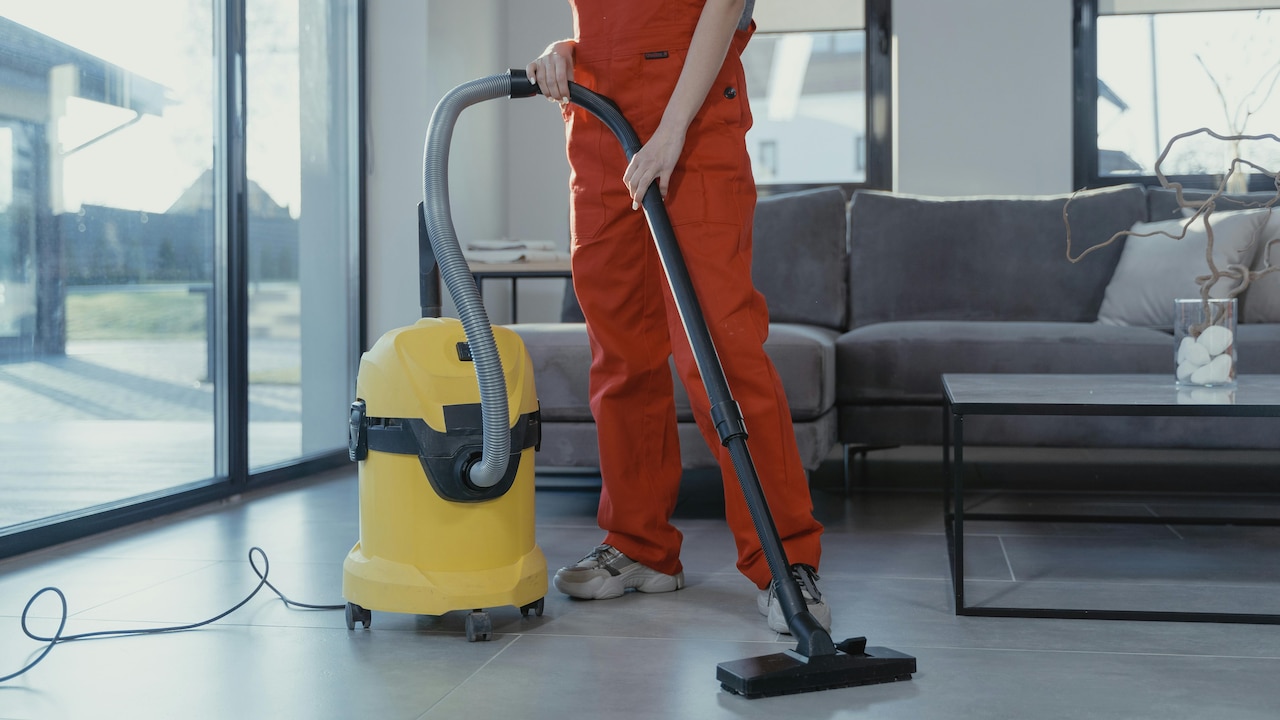
Why Your Vacuum Cleaner Is Not Picking Up The Dirt That Actually Matters
Photo Credit: Pexels
Understanding The Limits Of Everyday Cleaning
The Illusion Of Clean Floors
Vacuum cleaners excel at one thing: visible debris. Crumbs, hair, and loose dust vanish quickly, leaving behind a surface that looks clean. This visual satisfaction often creates a false sense of completeness. A floor that appears spotless might still hold fine particles that cling stubbornly to surfaces.
In many homes, tiled or marble floors dominate. These surfaces reflect light, which makes them appear cleaner than they actually are. A vacuum can remove larger particles, but ultra-fine dust often settles into micro-textures or clings due to static. The result is a deceptive shine that masks underlying grime.
This illusion becomes obvious when walking barefoot. That faint, gritty feeling underfoot reveals what the eyes cannot see. It is a reminder that cleanliness is not just visual; it is tactile. The vacuum may have done its job, but only within its limited scope.
The mismatch between expectation and reality begins here. A machine designed for surface-level cleaning cannot fully tackle the deeper, more stubborn dirt that truly affects comfort.
Fine Dust That Floats Back
Fine dust behaves differently from the dirt that a vacuum easily collects. It is lighter, almost weightless, and tends to float in the air before settling again. This constant cycle makes it feel as though cleaning achieves nothing.
In urban environments, dust enters homes from multiple sources. Open windows, traffic pollution, construction work nearby, and even footwear bring in microscopic particles. Once inside, these particles linger in the air and resettle within hours.
Vacuum cleaners often disturb this dust rather than eliminate it completely. Even advanced filters cannot capture every particle. Some escape back into the room, while others remain suspended and settle again later.
This creates a frustrating loop. Clean today, and the same layer returns tomorrow. It is not laziness or poor cleaning habits. It is simply the nature of fine dust, which refuses to stay where it is put.
Understanding this behaviour helps shift expectations. A vacuum can reduce dust, but it cannot eliminate the constant inflow that keeps homes in a state of gentle, ongoing accumulation.
Sticky Dirt Needs More Than Suction
Not all dirt is dry. Kitchens, in particular, introduce a different kind of challenge. Oil particles released during cooking settle on nearby surfaces, mixing with dust to form a sticky residue. This type of grime clings tightly and resists suction.
A vacuum cleaner, no matter how powerful, cannot break down grease. It can remove loose particles sitting on top, but the underlying sticky layer remains untouched. Over time, this builds up into a film that feels impossible to clean.
This is why kitchen shelves, cabinets, and tiles often feel perpetually greasy despite regular vacuuming. The problem is not the machine; it is the mismatch between the tool and the type of dirt.
Effective cleaning in such cases requires wiping, scrubbing, and sometimes specialised solutions. Suction alone cannot replace the physical action needed to dissolve and lift sticky grime. Recognising this difference prevents unrealistic expectations from taking root.
Also Read: Dust Not Getting Picked Properly? High-Suction Vacuum Cleaners That Work On Carpets
Corners That Defy Design
Vacuum cleaners are designed with efficiency in mind, but their shape often limits their reach. Corners, edges, and tight spaces become natural hiding spots for dirt.
Dust tends to accumulate in these areas because airflow is minimal. Once settled, it compacts over time, making it harder to remove. Standard vacuum heads struggle to reach these spots effectively, leaving behind stubborn patches.
Even attachments meant for corners require patience and precision. In busy households, such detailed cleaning often gets skipped. The result is a gradual build-up that becomes more noticeable over time.
These neglected corners create the impression that cleaning efforts are incomplete. It is not a matter of neglect but a design limitation. Machines prioritise speed and convenience, while corners demand time and attention.
This gap highlights a simple truth: some areas still require manual care, no matter how advanced the appliance may be.
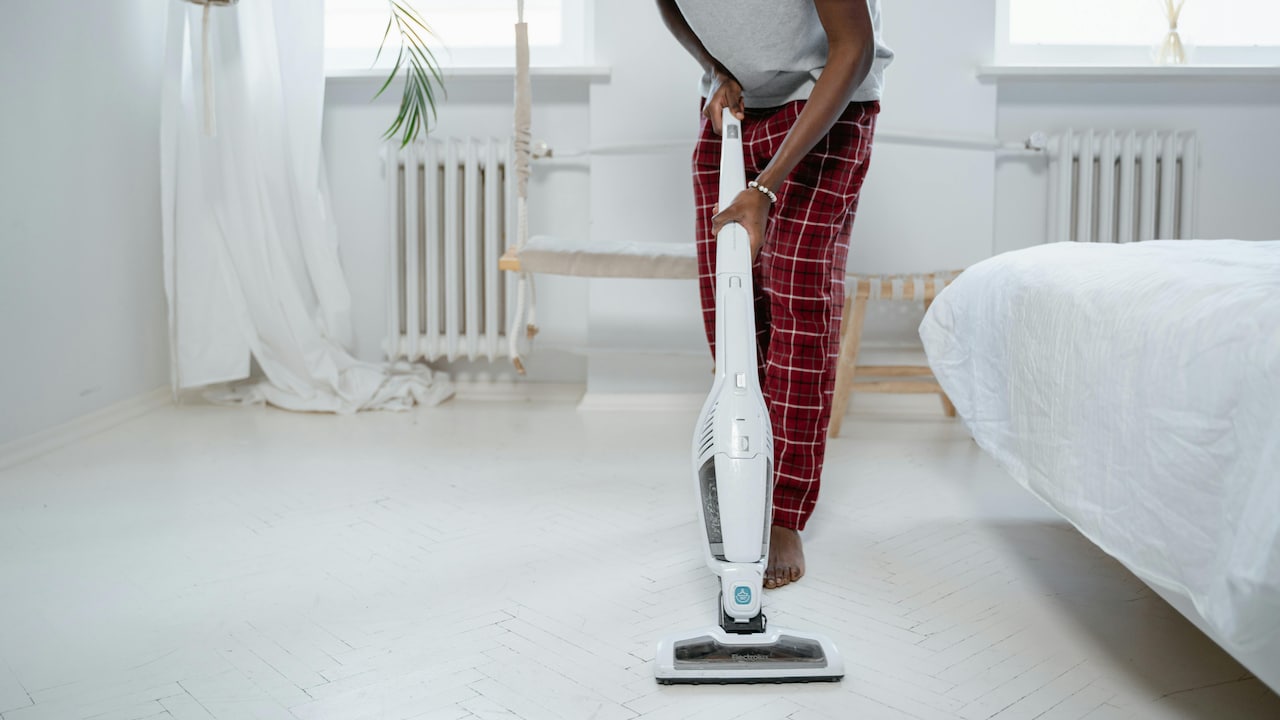
Why Your Vacuum Cleaner Is Not Picking Up The Dirt That Actually Matters
Photo Credit: Pexels
Carpets Versus Hard Floors
Different surfaces respond differently to cleaning tools. Carpets, for instance, trap dirt within their fibres, making vacuuming highly effective. Hard floors, on the other hand, allow dust to sit loosely or spread thinly.
This difference affects how cleanliness is perceived. A vacuum cleaner often performs better on carpets because it can pull dirt from within. On hard floors, it simply moves across the surface, sometimes pushing fine dust around rather than capturing it.
In many homes, hard flooring dominates. This makes the limitations of vacuuming more noticeable. Dust spreads easily, and even a thorough pass may leave behind a thin layer.
The contrast between surfaces creates confusion. A machine that works brilliantly in one setting may feel inadequate in another. It is not an inconsistency but a reflection of how different materials interact with dirt.
Adapting cleaning methods to suit each surface can make a noticeable difference in results.
The Noise Of Effort Versus Results
Vacuum cleaners often create a sense of effort through sound and motion. The loud hum, the visible movement, and the collected dust all suggest effectiveness. Yet, the results do not always match this perceived effort.
This disconnect can be frustrating. After spending time cleaning, the persistence of certain types of dirt feels like a betrayal of effort. It raises questions about whether the machine is working as intended.
In reality, the noise and activity do not guarantee comprehensive cleaning. They only indicate that the machine is operating. The types of dirt that remain often require different approaches altogether.
This mismatch between effort and outcome can lead to dissatisfaction. Recognising the limitations of what a vacuum can achieve helps align expectations with reality.
Humidity And Its Quiet Influence
Humidity plays a subtle yet significant role in how dirt behaves. In coastal or humid regions, dust tends to absorb moisture, making it heavier and stickier. This changes how it interacts with surfaces.
A vacuum cleaner may struggle to lift damp or slightly sticky particles. Instead of being sucked up easily, they cling to floors and surfaces. This makes cleaning feel less effective, even when the machine is functioning properly.
Humidity also affects how quickly dust settles. Moist air can cause particles to fall faster, leading to quicker accumulation after cleaning. This adds to the sense that dirt returns almost immediately.
Understanding the role of humidity provides clarity. It is not always about the cleaning tool but the environment in which it operates.
The Psychology Of Visible Dirt
Certain types of dirt bother more than others. A small stain on a kitchen counter may feel more irritating than a layer of dust on the floor. This is not about quantity but perception.
Vacuum cleaners address what is easy to see and collect. However, the dirt that causes discomfort often lies outside their scope. Sticky patches, smudges, and uneven textures draw attention because they disrupt visual harmony.
This creates a psychological imbalance. The cleaner removes a large amount of dirt, yet the most noticeable imperfections remain. The result is a lingering sense of dissatisfaction.
Cleaning, in this sense, is as much about perception as it is about hygiene. Addressing the dirt that truly stands out requires a broader approach beyond suction alone.
Maintenance Matters More Than Expected
A vacuum cleaner's performance depends heavily on its condition. Filters clog, dust containers fill, and brushes wear out. When maintenance is overlooked, efficiency drops noticeably.
Reduced suction makes it harder to pick up even basic debris, let alone finer particles. This can create the impression that the machine is ineffective, when in reality it simply needs attention.
Regular cleaning of filters and timely replacement of worn parts can restore performance. It is a simple step that often goes unnoticed in the routine of daily life.
Even the best appliance requires care. Without it, the gap between expectation and performance widens, adding to the frustration.
When Tools Need Teamwork
No single tool can handle every type of dirt. A vacuum cleaner works best as part of a broader cleaning routine rather than as a standalone solution.
Mops, cloths, and cleaning solutions each play a role in addressing different types of grime. Combining these methods creates a more comprehensive approach to cleanliness.
This does not mean abandoning the vacuum. Instead, it involves recognising its strengths and pairing it with complementary tools. Together, they can tackle the full spectrum of dirt found in everyday life.
This shift in approach transforms cleaning from a frustrating task into a more manageable process.

Why Your Vacuum Cleaner Is Not Picking Up The Dirt That Actually Matters
Photo Credit: Pexels
Products Related To This Article
1. SEZNIK Vacuum Cleaner for Home Use Wet and Dry
2. Eureka Forbes Cyclo Vac -24 kPa High Suction Vacuum Cleaner
3. AGARO Regal 800 Watts Handheld Vacuum Cleaner
4. DOMESTICA Trio Sweep 3-in-1 Vacuum Cleaner for Home Use Wet and Dry
5. Philips PowerPro FC9352/01-Compact Bagless Vacuum Cleaner for home
The frustration with vacuum cleaners does not stem from failure but from expectation. These machines are designed to handle specific types of dirt, and they perform that role well. The problem arises when they are expected to do everything.
Dirt is not uniform. It comes in forms that require different methods, from fine dust that floats endlessly to sticky grime that clings stubbornly. A vacuum cleaner addresses only a part of this spectrum.
Understanding these limitations changes the narrative. Instead of viewing the appliance as ineffective, it becomes clear that cleaning is a multi-layered process. Each tool has its place, and each type of dirt demands a different approach.
The next time that persistent patch of grime refuses to disappear, it may help to pause and reconsider the method rather than the machine. Cleanliness, after all, is not about perfection but about finding the right balance between effort, tools and expectations.
(Disclaimer: This article may include references to or features of products and services made available through affiliate marketing campaigns. NDTV Convergence Limited (“NDTV”) strives to maintain editorial independence while participating in such campaigns. NDTV does not assume responsibility for the performance or claims of any featured products or services.)