How To Choose A Hard Anodised Pressure Cooker: Safety, Coating And Durability | Explained
Learn how to choose the best hard anodised pressure cooker with this guide, covering key aspects like safety features, coating quality, and long-lasting durability.
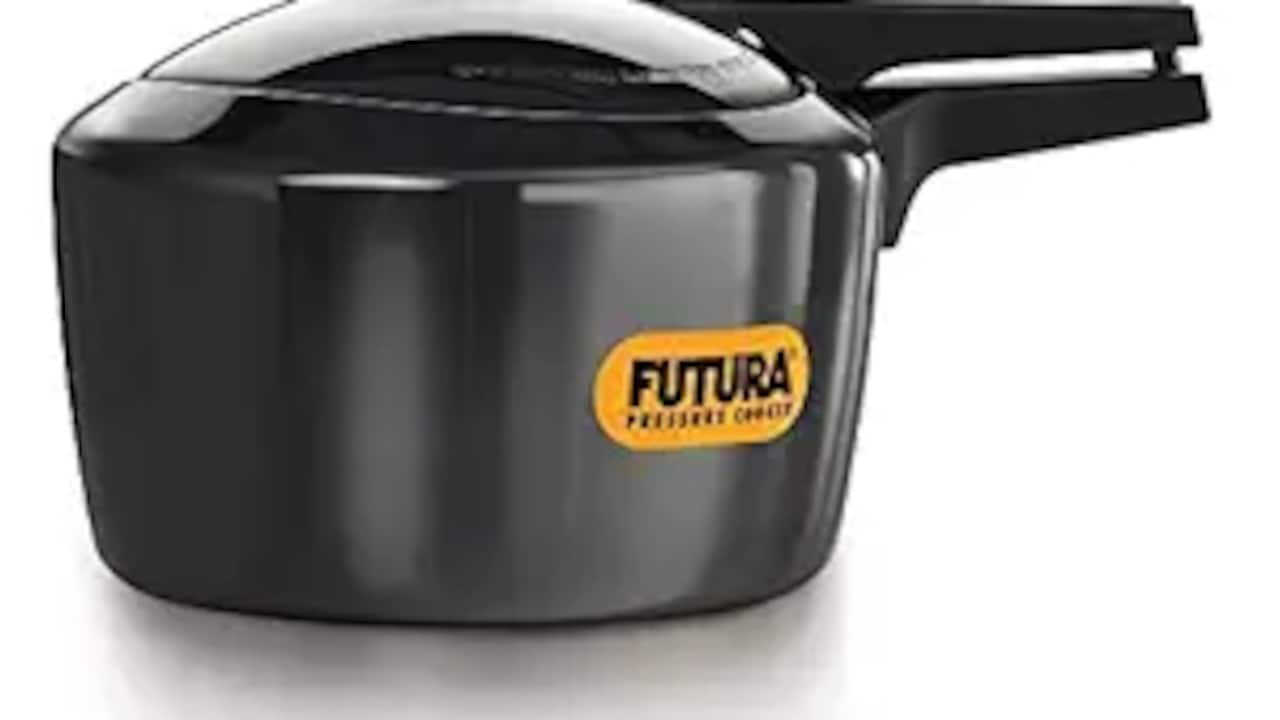
How to Choose a Hard Anodised Pressure Cooker: Check The Key Tips on Safety and Durability.
Pressure cookers have long been kitchen companions, especially in homes where dal simmers every morning and biryani marks celebrations. Over time, the humble cooker has evolved. Aluminium gave way to stainless steel, and now hard anodised cookware commands attention. This shift did not happen because of trends alone. It came from the need for safer cooking, longer life and better performance. A hard-anodised pressure cooker looks sleek, feels sturdy and promises fewer worries about scratches or food reactions. Yet choosing the right one often feels confusing.
This article explains how to choose a hard-anodised pressure cooker with clarity and confidence. It focuses on safety, coating quality and long-term durability, while keeping real kitchen habits in mind.
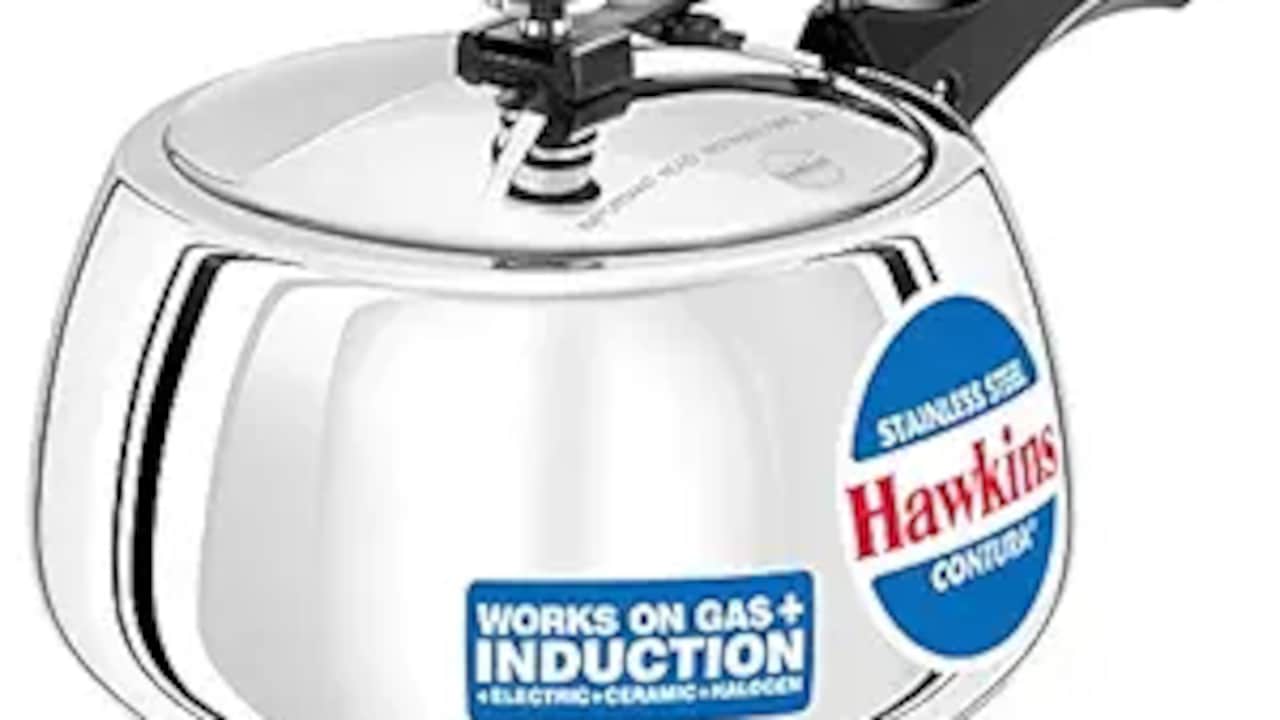
Hard Anodised Pressure Cooker Buying Guide: Safety, Coating And Tips
Photo Credit: Amazon
Essential Checks Before Investing in a Hard Anodised Pressure Cooker
1. Understanding Hard Anodised Material
Hard anodised cookware starts with aluminium but undergoes a special electrochemical process. This treatment transforms the surface into a hard, non-reactive layer that resists scratches and corrosion. Unlike raw aluminium, this surface does not react with acidic ingredients such as tomatoes or tamarind, which often feature in everyday cooking.
The biggest advantage lies in strength. Hard anodised cookers feel noticeably heavier than regular aluminium ones. This weight signals durability rather than inconvenience. The material spreads heat evenly, reducing hotspots that burn food. That even heating proves useful while cooking rice, curries or slow-simmered gravies.
Another often-overlooked benefit involves appearance. The dark, matte finish does not stain easily and retains its look even after years of use. No more scrubbing away stubborn marks before guests arrive. While the cost may sit slightly higher than basic cookers, the material pays back over time through fewer replacements and consistent performance.
2. Safety Features That Truly Matter
Safety forms the backbone of any pressure cooker decision. A hard-anodised body alone does not guarantee peace of mind. Attention should turn towards built-in safety mechanisms that prevent accidents during daily use.
Look for cookers with a well-designed pressure regulator that releases excess steam smoothly. Sudden bursts or noisy rattling often signal poor regulation. A strong gasket made from food-grade rubber also plays a key role. It should seal properly without emitting unpleasant odours, even after repeated use.
Many modern cookers include additional safety valves that activate if the main vent clogs. This backup feature may seem minor, but it can prevent dangerous situations during busy cooking hours. Secure lid-locking systems also deserve attention. The lid should not open while pressure remains inside.
In homes where cooking happens quickly between work calls and school schedules, such safety features provide quiet reassurance. They allow focus on flavours rather than fear.
3. Coating Quality And Food Safety
The coating inside a hard anodised pressure cooker does more than improve appearance. It protects food and ensures healthy cooking. A good-quality anodised coating remains non-reactive, meaning it does not leach metals into food. This matters greatly when meals simmer for long periods.
Some cookers include an additional non-stick layer over the anodised surface. While convenient, this extra coating should remain free from harmful chemicals. Labels that mention PFOA-free coatings offer reassurance. Over time, inferior coatings peel or discolour, affecting both taste and safety.
Cooking habits also influence coating choice. Those who often cook thick dals or sauté spices directly in the cooker benefit from a robust surface that resists sticking. A smooth yet tough interior allows easy stirring without scratching.
Proper care extends coating life. Avoid metal spoons, harsh scrubbers and sudden temperature changes. With thoughtful use, a quality coating stays intact for years, making everyday cooking simpler and healthier.
4. Durability For Everyday Cooking
Durability separates a short-term purchase from a long-term kitchen ally. Hard anodised pressure cookers score high in this area, provided the construction meets quality standards. Thick walls resist warping, even after years of exposure to high heat.
Handles often reveal durability secrets. Sturdy, heat-resistant handles fixed with strong rivets last longer than loosely attached ones. Wobbly handles indicate poor build quality and create safety risks. The lid should sit firmly without gaps, maintaining pressure efficiently.
Daily routines test cookware harshly. Morning tea prep, lunchtime reheating and elaborate dinners place repeated stress on the cooker. A durable model handles this workload without losing shape or performance.
While budget options tempt many buyers, frequent replacements cost more over time. Investing in durability ensures fewer repairs and replacements, saving money and effort. In bustling households, reliability matters more than shiny promises.
5. Size And Capacity: Choosing Wisely
Size often creates confusion. Bigger does not always mean better. Choosing the right capacity depends on family size and cooking habits. A two-litre cooker suits small households or quick side dishes. A three to five-litre option works well for families preparing daily meals.
Oversized cookers waste energy and feel cumbersome on smaller stoves. Undersized ones overflow easily and increase cooking time. Consider typical dishes. Cooking rice, dal and vegetables together requires sufficient space for pressure build-up.
Storage space also matters. Compact kitchens benefit from stackable or mid-sized cookers that fit neatly into cabinets. Some brands offer matching lids across sizes, reducing clutter.
Balanced choices lead to smoother routines. The right size reduces frustration, improves efficiency and keeps cooking enjoyable rather than chaotic.
Also Read: Top 5 Shock-Proof Immersion Rods For Winter 2025
6. Compatibility With Modern Cooktops
Modern kitchens now feature diverse cooking surfaces. Gas stoves still dominate, but induction cooktops steadily gain popularity. Not all hard anodised pressure cookers support induction cooking.
Check the base carefully. Induction-compatible cookers include a magnetic stainless steel plate fused at the bottom. Without this, the cooker remains useless on induction surfaces. Dual compatibility adds flexibility, especially in homes that switch between cooktops.
Flat bases improve stability and heat transfer. A slightly warped base reduces efficiency and causes uneven cooking. Quality brands invest in precision machining to avoid such issues.
Future-proofing the kitchen saves money. Choosing a cooker that works across different heat sources ensures continued use even if appliances change later.
7. Ease Of Cleaning And Maintenance
After cooking comes cleaning, often the least loved kitchen task. Hard anodised pressure cookers simplify this chore when designed well. Smooth interiors prevent food from sticking stubbornly.
Unlike shiny stainless steel, anodised surfaces hide water spots and fingerprints. A gentle sponge and mild detergent usually suffice. Avoid dishwasher cleaning unless the manufacturer explicitly allows it.
Gaskets and valves require periodic inspection. Removable parts make cleaning easier and improve hygiene. A cooker that allows quick disassembly saves time and prevents residue build-up.
Ease of maintenance directly affects usage frequency. When cleaning feels effortless, the cooker stays in rotation rather than gathering dust on a shelf.
8. Weight, Balance And Handling Comfort
Weight signals quality but should not strain wrists. Hard anodised cookers weigh more than aluminium ones, yet thoughtful design balances this heft well.
Comfortable handles with proper grip reduce strain while lifting. Balanced weight distribution prevents tipping when moving the cooker from stove to counter. This becomes crucial during busy meal times.
Older family members or teenagers learning to cook benefit from lighter yet stable models. Some brands optimise thickness to maintain strength without excess weight.
Comfort influences confidence. A cooker that feels secure encourages regular use and reduces accident risks.
9. Brand Reputation And Warranty Support
Brand reputation often reflects years of trust rather than flashy advertising. Established manufacturers maintain quality control, consistent materials and accessible customer support.
Warranty coverage offers insight into product confidence. A longer warranty suggests faith in durability and construction. Read warranty terms carefully, noting coverage on body, lid and accessories.
Customer service availability matters. Easy access to spare parts such as gaskets or safety valves extends product life. A cooker without replacement parts quickly turns into scrap metal.
Choosing trusted brands reduces uncertainty and ensures help remains available when needed.
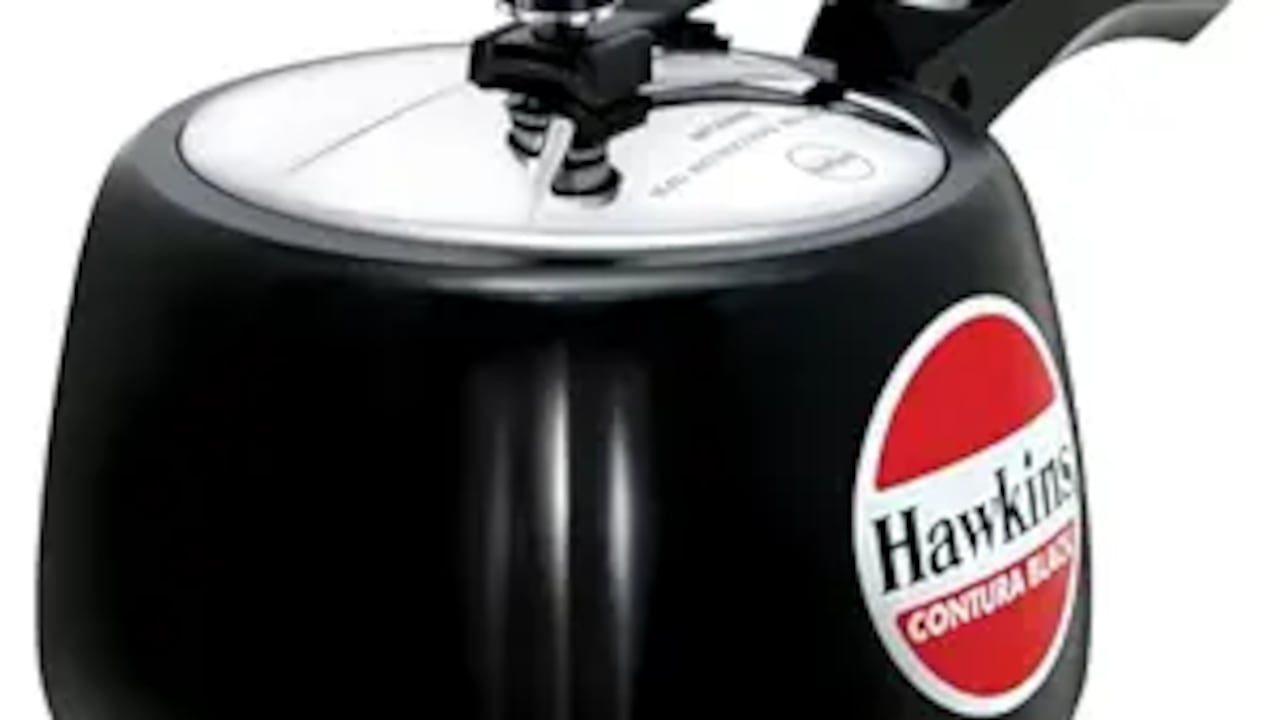
Hard Anodised Pressure Cooker Buying Guide: Safety, Coating And Tips
Photo Credit: Amazon
10. Value For Money Over Price Tags
Price alone does not define value. A cheaper cooker that needs replacement within a year costs more in the long run. Conversely, an expensive model without practical benefits offers poor returns.
Evaluate features against actual needs. Fancy extras rarely improve daily cooking. Focus on safety, durability and ease of use. Mid-range cookers often deliver the best balance.
Seasonal discounts and festive sales lower prices significantly. Planning purchases around such times stretches budgets further.
True value lies in reliability, safety and longevity. A cooker that serves faithfully for years earns its place in the kitchen, regardless of initial cost.
Products Related To This Article
1. Wonderchef Taurus Hard Anodized Inner Lid Pressure Cooker 5 litres
2. Hawkins 3 Litre Contura Black Pressure Cooker
3. Hawkins Contura Ceramic Coated 5 Ltr Tomato Red Pressure Cooker
4. Prestige 3 Litre Hard Anodised Popular Svachh Outerlid Pressure Cooker
5. KENT Hard Anodised 5 Litre Pressure Cooker with SS Inner Lid
Choosing a hard-anodised pressure cooker involves more than selecting a brand or chasing discounts. It requires understanding materials, safety features and everyday practicality. From coating quality to handle comfort, each detail contributes to the overall cooking experience. A well-chosen cooker saves time, preserves flavours and brings calm to hectic kitchens.
(Disclaimer: This article may include references to or features of products and services made available through affiliate marketing campaigns. NDTV Convergence Limited (“NDTV”) strives to maintain editorial independence while participating in such campaigns. NDTV does not assume responsibility for the performance or claims of any featured products or services.)