How To Choose Home Appliances For Homes With Frequent Power Cuts
Frequent power cuts can damage appliances and drive up costs. Discover how to choose reliable, energy-efficient appliances that keep your home running smoothly during outages.
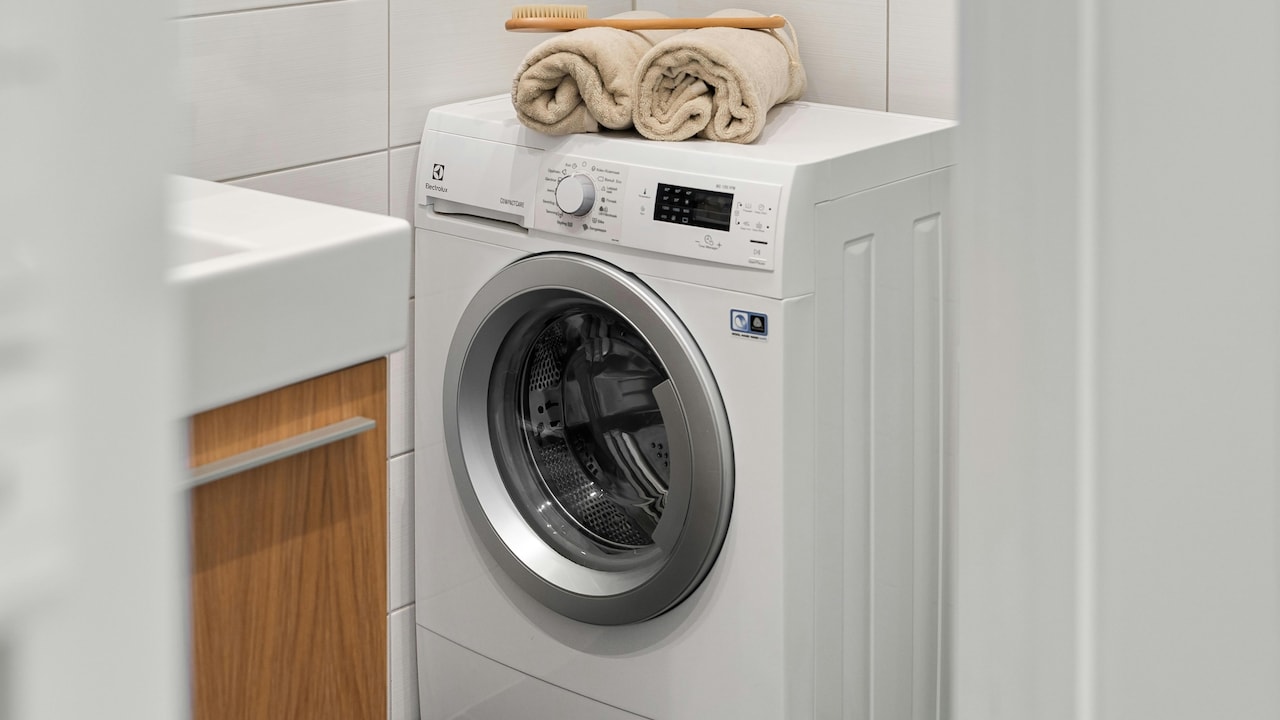
How To Choose Home Appliances For Homes With Frequent Power Cuts
Power cuts have a way of arriving at the worst possible moment. A refrigerator stops humming just before a family gathering. The washing machine pauses halfway through a load of clothes. A summer evening suddenly feels far warmer when the fan comes to a standstill. While backup systems and inverters offer some relief, selecting the right appliances often proves just as important. Not every refrigerator, fan, television, or washing machine performs equally well during unstable power conditions. Some models consume excessive electricity, struggle with voltage fluctuations, or take longer to restart after an outage.
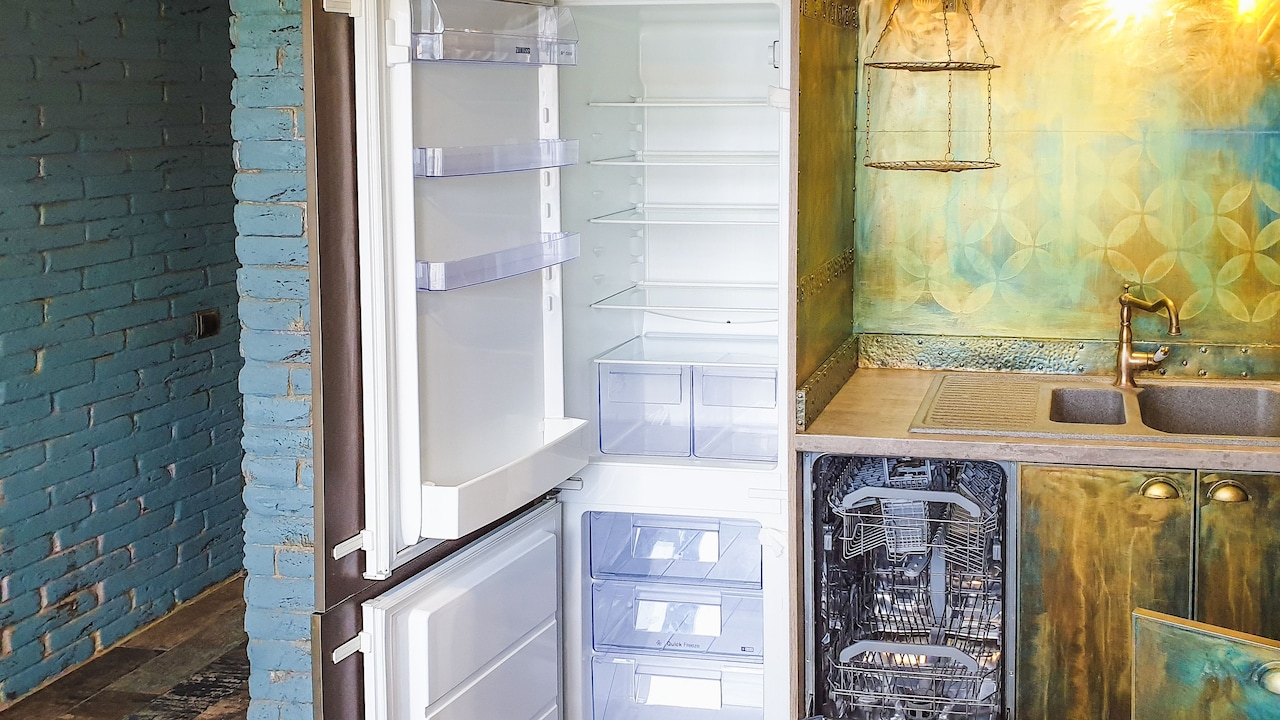
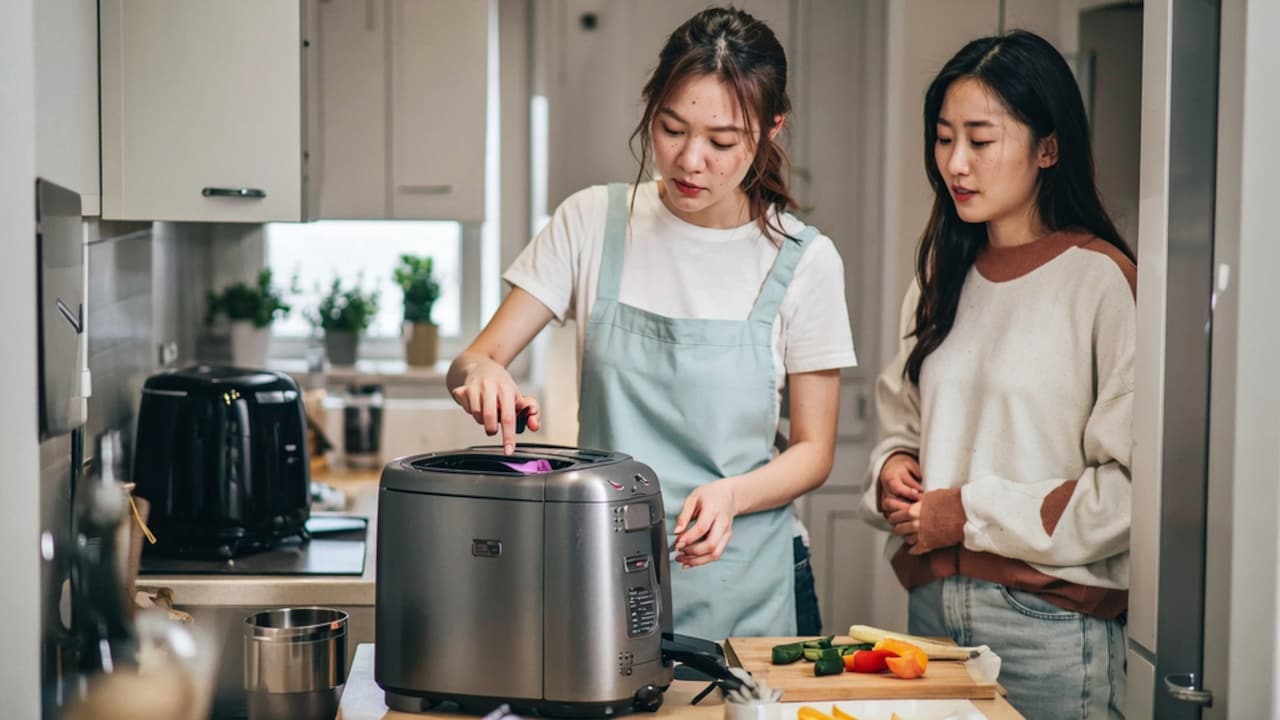
How To Choose Home Appliances For Homes With Frequent Power Cuts; Photo Credit: Pexels
Choosing appliances for a home that experiences regular power interruptions requires a little more thought than simply comparing prices and features. Durability, energy efficiency, power consumption, and compatibility with backup systems all play a crucial role. A well-informed purchase can reduce stress, lower electricity bills, and extend the lifespan of household equipment. The good news is that smart choices today can prevent expensive headaches tomorrow. Here are ten practical considerations that can help households invest in appliances that stay dependable when the lights refuse to cooperate.
Essential Tips For Selecting Appliances During an Unreliable Power Supply
Prioritise Energy-Efficient Appliances
Energy efficiency should sit at the top of the checklist when selecting appliances for homes with frequent power cuts. Appliances that consume less electricity place a lighter load on inverters and backup systems, allowing them to operate for longer periods during outages.
Consider a household that relies on an inverter during evening power cuts. A standard refrigerator and an energy-efficient model may appear similar on the showroom floor, yet their power consumption can differ significantly. Over time, that difference affects both electricity bills and backup performance.
Energy-efficient appliances often recover more smoothly after power restoration as well. They place less strain on electrical systems and generate lower operating costs throughout their lifespan.
Many households focus heavily on the initial purchase price. However, an appliance priced at ₹5,000 less may eventually cost far more through higher electricity consumption. Looking beyond the sticker price often reveals the better long-term investment.
When outages occur regularly, every unit of saved electricity matters. Choosing efficient appliances creates a foundation for a more reliable and economical household.
Also Read: Top 7 Washing Machine Features Rarely Used While Doing Laundry
Look For Wide Voltage Protection
Voltage fluctuations frequently accompany power cuts. One moment the supply drops unexpectedly, and the next it surges without warning. Such variations can damage sensitive electronics and reduce appliance lifespan.
Many modern appliances include built-in voltage protection. This feature allows equipment to operate safely across a wider voltage range without requiring additional stabilisers. Refrigerators, air conditioners, and televisions benefit particularly from this capability.
Imagine returning home after a storm only to discover that a voltage spike has damaged an expensive appliance. Repair costs can quickly erase any savings gained from choosing a cheaper model.
Checking voltage specifications before purchase helps avoid unpleasant surprises. Manufacturers often highlight wide voltage operation because it represents a valuable selling point in areas where electricity supply remains inconsistent.
An appliance designed to tolerate fluctuations offers greater peace of mind. Rather than worrying whenever lights flicker, households can focus on daily life knowing their equipment stands a better chance of surviving unpredictable electrical conditions.
Choose Appliances Compatible With Inverters
Many households depend on inverters to bridge the gap during power cuts. However, not every appliance works efficiently with backup systems.
Compatibility matters because certain appliances draw high starting currents. When connected to an inverter, these sudden power demands can drain batteries quickly or trigger shutdowns. Refrigerators, pumps, and some air conditioners often fall into this category.
Manufacturers increasingly provide inverter-friendly models designed to operate smoothly with backup power. These appliances typically feature improved motors, reduced power consumption, and better startup performance.
Picture an inverter running comfortably throughout the evening until a power-hungry appliance switches on and drains the battery unexpectedly. Such situations create frustration and reduce backup effectiveness.
Before purchasing a major appliance, it helps to verify its power requirements and discuss compatibility with both the retailer and the inverter provider. A small amount of research can prevent costly mismatches later.
The goal is simple: ensure appliances and backup systems work together rather than competing against each other for limited stored energy.
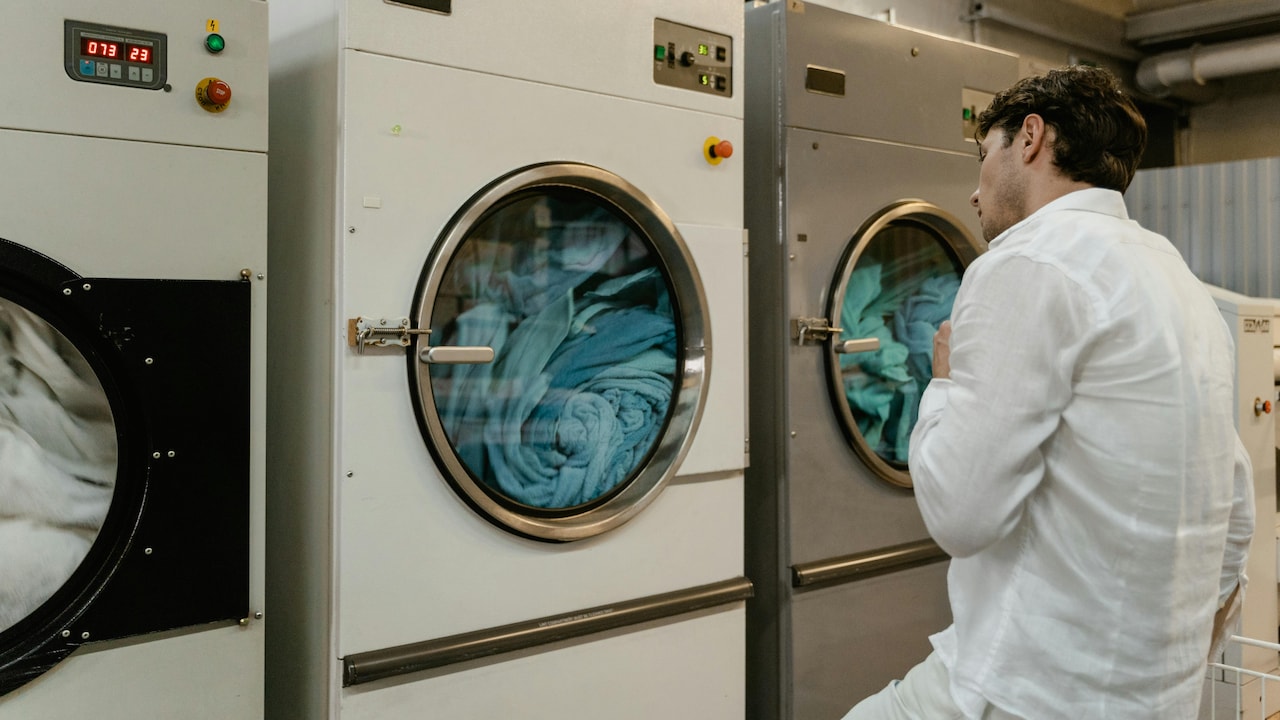
How To Choose Home Appliances For Homes With Frequent Power Cuts; Photo Credit: Pexels
Consider Appliances With Auto-Restart Features
Power often returns when nobody expects it. Sometimes it arrives while the family sleeps, and sometimes during working hours when the house stands empty.
Auto-restart functionality becomes incredibly useful in such situations. Appliances equipped with this feature automatically resume operation once power returns. Refrigerators, air conditioners, water purifiers, and washing machines frequently offer this capability.
Without auto-restart, some devices remain switched off until someone manually resets them. A refrigerator left inactive for several hours after power restoration can affect food freshness, especially during warmer months.
The convenience may seem minor at first glance. Yet households dealing with repeated outages quickly appreciate appliances that quietly resume their duties without intervention.
Think of it as a dependable neighbour who waters the plants while everyone is away. The task happens automatically, removing one more concern from daily life.
In homes where electricity interruptions occur regularly, auto-restart features contribute significantly to convenience and continuity.
Invest In Durable Compressor Technology
The compressor forms the heart of appliances such as refrigerators and air conditioners. Frequent power interruptions place additional stress on this critical component.
Traditional compressors often experience greater wear due to repeated stopping and starting. Modern compressor technologies generally handle these conditions more effectively while improving energy efficiency.
A durable compressor not only extends appliance lifespan but also maintains more stable performance during challenging electrical conditions. This can prove especially valuable during summer months when cooling appliances work hardest.
Many households hesitate when they see a slightly higher price tag attached to advanced compressor technology. However, replacing a damaged compressor can cost far more than the initial difference.
Choosing durability over short-term savings resembles selecting a sturdy umbrella before monsoon season. The investment may seem unnecessary on a sunny day, but its value becomes obvious when conditions change.
For homes facing regular outages, robust compressor technology provides an important layer of protection and reliability.
Evaluate Battery Backup Requirements
Some appliances now include built-in battery support or specialised backup features. These options deserve attention when frequent power cuts disrupt daily routines.
Ceiling fans with integrated battery systems, emergency lighting solutions, and certain security devices can continue operating even when the grid fails. Such products enhance comfort and convenience without relying solely on a central inverter.
The ideal choice depends on household priorities. A family with young children may prioritise cooling solutions, while someone working remotely may focus on uninterrupted internet connectivity and lighting.
Understanding daily requirements helps prevent overspending on unnecessary features. Instead of attempting to back up every appliance, households can concentrate resources on essential functions.
A thoughtful assessment often reveals that selective backup solutions provide better value than an all-or-nothing approach. This strategy balances practicality, comfort, and cost while ensuring key household activities continue during outages.
Check Power Consumption During Startup
Many buyers compare running power consumption yet overlook startup requirements. This mistake can create problems when appliances operate on backup systems.
Certain appliances demand significantly more power when they first switch on. Although this surge lasts only briefly, it can strain inverters, batteries, and electrical circuits.
Refrigerators, pumps, and cooling equipment commonly display this behaviour. Understanding startup loads helps households choose appliances that remain manageable during outages.
Imagine a vehicle that uses very little fuel while cruising but consumes a large amount during every start. The same principle applies to electrical equipment.
Manufacturers often provide technical specifications detailing startup and operating power requirements. Reviewing these figures allows more accurate planning and prevents unpleasant surprises.
For households relying on backup power, startup consumption can influence performance just as much as regular electricity usage. Paying attention to both figures creates a more reliable and efficient setup.
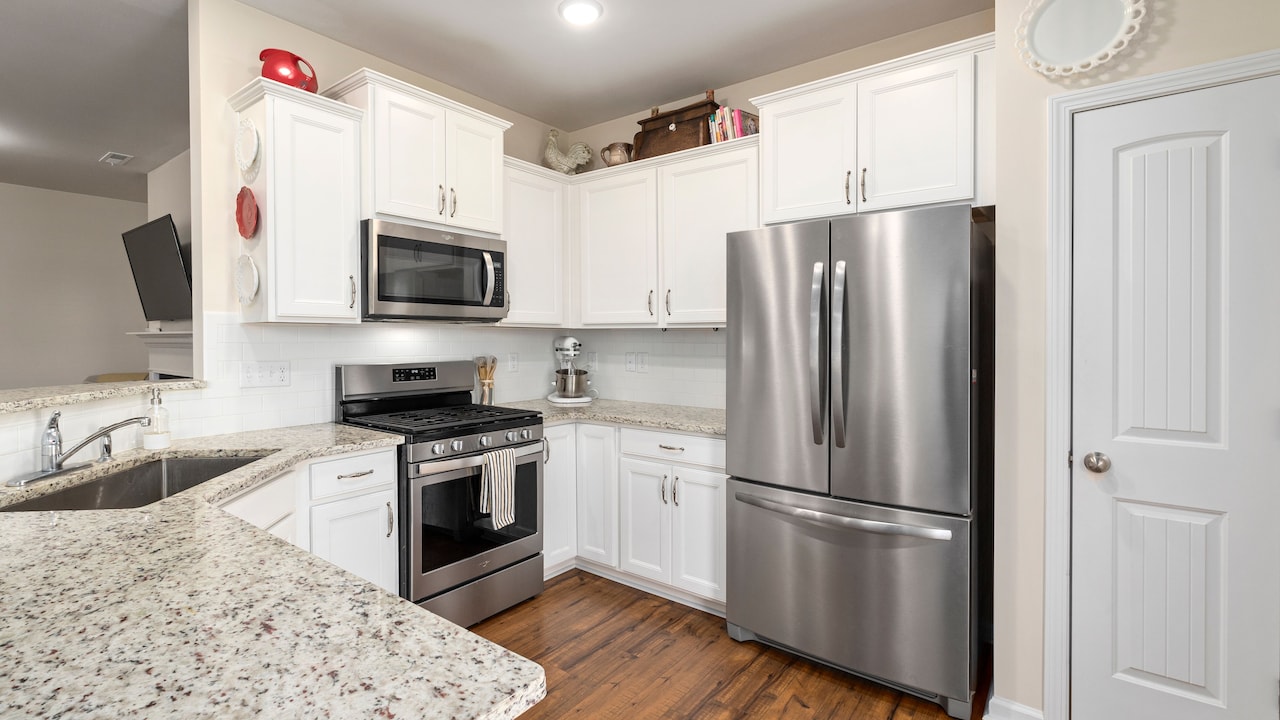
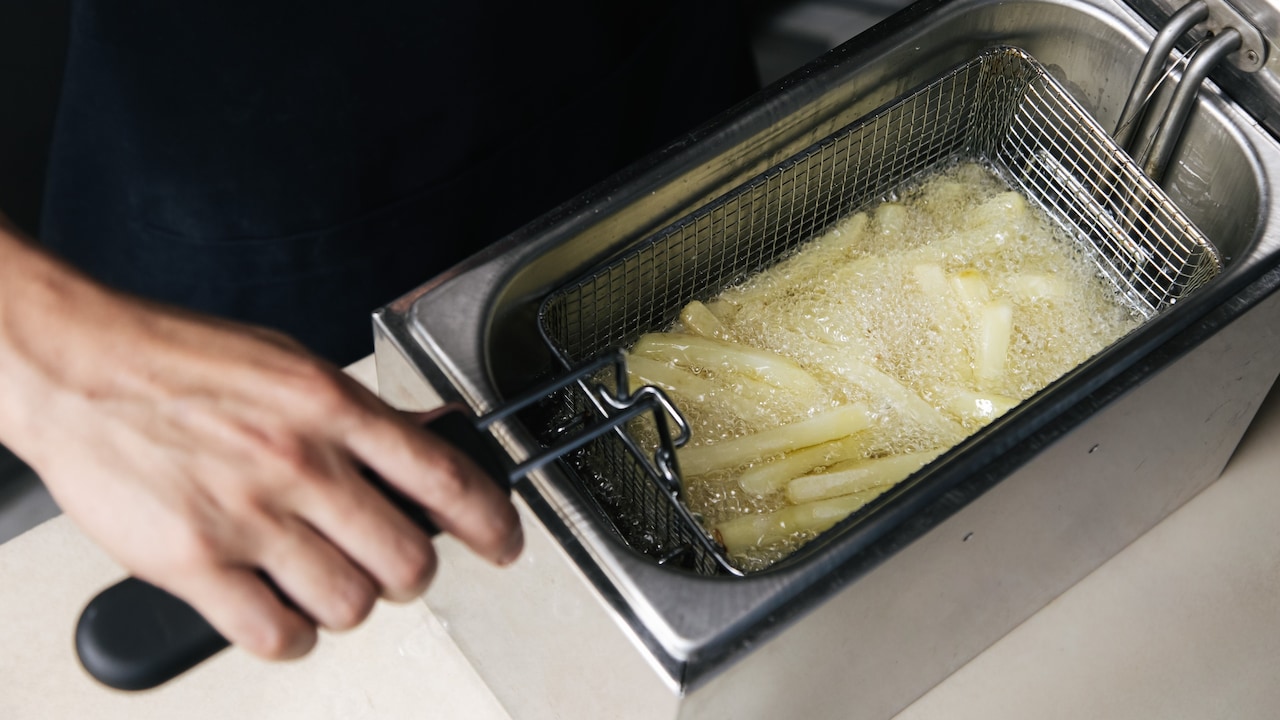
How To Choose Home Appliances For Homes With Frequent Power Cuts; Photo Credit: Pexels
Focus On Essential Features Rather Than Extras
Modern appliances arrive packed with features. Touchscreens, advanced connectivity options, voice controls, and elaborate displays often attract attention in showrooms.
However, homes experiencing frequent power cuts benefit most from reliability and efficiency rather than flashy extras. Additional electronic components can increase complexity and sometimes create more points of failure.
A refrigerator that consistently keeps food fresh provides greater value than one loaded with features that rarely get used. Similarly, a washing machine that operates efficiently on backup power may outperform a more sophisticated model that struggles during outages.
This does not mean avoiding innovation altogether. Instead, it involves identifying features that genuinely improve everyday life.
Practical decision-making often leads to better long-term satisfaction. Households that focus on dependable performance tend to experience fewer regrets after purchase.
Sometimes the smartest appliance is not the one with the longest feature list. It is the one that continues doing its job when conditions become less than ideal.
Compare Warranty And Service Support
Even the most carefully selected appliance may eventually require maintenance. Strong warranty coverage and dependable service support become particularly important where electrical disruptions occur regularly.
Frequent voltage fluctuations and outages can place additional stress on components. Access to prompt service helps minimise downtime and repair expenses.
Before making a purchase, it helps to investigate service availability in the local area. An attractive price loses its appeal if repairs require weeks of waiting.
Warranty terms also deserve close attention. Some manufacturers provide extended coverage on critical components such as compressors and motors. These protections can deliver substantial savings if problems arise.
Many buyers focus entirely on product specifications while overlooking after-sales support. Yet service quality often determines long-term ownership satisfaction.
Reliable support transforms appliance ownership from a potential headache into a smoother experience, especially when electrical conditions remain unpredictable.
Plan For Future Power Needs
Household needs evolve over time. Families grow, work patterns change, and new appliances gradually enter the home. Planning for future requirements helps avoid expensive upgrades later.
When selecting appliances, consider how they will fit into the broader household ecosystem over the next several years. An inverter-friendly refrigerator purchased today should continue performing well if additional backup solutions are installed later.
Similarly, energy-efficient appliances reduce pressure on future electrical infrastructure. They create flexibility and allow households to expand without overwhelming existing systems.
A little foresight can prevent situations where a newly purchased appliance becomes incompatible with future plans. Thinking ahead encourages smarter spending and better long-term outcomes.
Households rarely regret planning for tomorrow. They often regret assuming that current circumstances will never change.
Choosing appliances with future needs in mind creates a more resilient and adaptable home environment.
Products Related To This Article
1. V-Guard Id5 Ace 5540 Ac Stabilizer For 2 Ton Inverter Ac
2. Midea 560 L Side by Side Refrigerator, Inverter Compressor
3. Samsung 8 kg, 5-star, AI Control, AI Eco Bubble
4. Plus 1150Wh 12V Lithium Ion Inverter Battery for Office and Home
5. LG 251 L, 2 Star, Frost-Free Smart Inverter Double Door Convertible Refrigerator
6. IFB Laundrimagic 3-in-1 8.5/6.5/2.5 Kg Inverter Washer Dryer Refresh
7. AYUDH 24V 100AH Lithium Ferro Phosphate
Frequent power cuts can challenge even the most organised household, but the right appliances help minimise disruption. Energy efficiency, voltage protection, inverter compatibility, auto-restart functionality, durable components, and dependable service support all contribute to better performance under difficult conditions.
Rather than focusing solely on price or flashy features, households benefit from evaluating how appliances behave during real-world electrical interruptions. A thoughtful purchase today can improve comfort, protect valuable equipment, and reduce long-term expenses.
Power cuts may remain unpredictable, but appliance choices do not have to be. With careful planning and attention to practical features, households can build a home that stays functional, efficient, and comfortable even when the electricity supply refuses to cooperate.
(Disclaimer: This article may include references to or features of products and services made available through affiliate marketing campaigns. NDTV Convergence Limited (“NDTV”) strives to maintain editorial independence while participating in such campaigns. NDTV does not assume responsibility for the performance or claims of any featured products or services.)