How To Use A Portable Washing Machine Without Overloading
Portable washing machines work best when used within limits. This guide explains how to avoid overloading, improve wash quality, protect your machine, and make laundry easier with simple, practical habits.
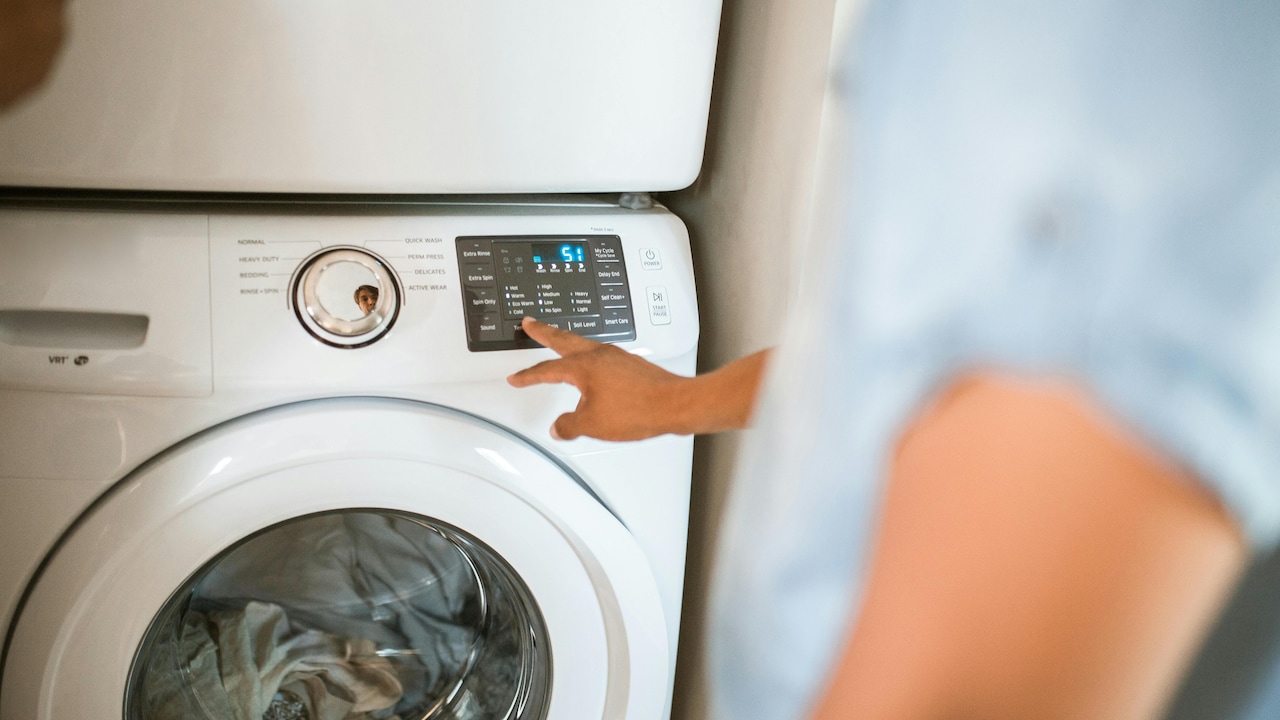
Portable Washing Machine Tips: Here Is How To Avoid Overloading And Damaging This Pricey Machine.
A portable washing machine feels like a blessing on a humid afternoon when laundry piles up faster than weekend plans. Compact, efficient, and surprisingly powerful, these machines suit modern living where space comes at a premium and convenience matters. Yet many users treat them like full-sized washers. That habit often leads to noisy spins, half-clean clothes, and costly repairs. Overloading does not always look dramatic. Sometimes it appears as “just one more towel” or “only a few extra jeans.” Over time, those small decisions strain the motor, twist the drum, and reduce washing quality.
Using a portable washing machine well requires balance rather than sacrifice. With the right approach, it handles daily laundry smoothly without drama. The following sections explain how to get the best results while keeping the machine healthy. Here is how to use a portable washing machine without overloading it. Each point focuses on simple habits that fit easily into daily routines.
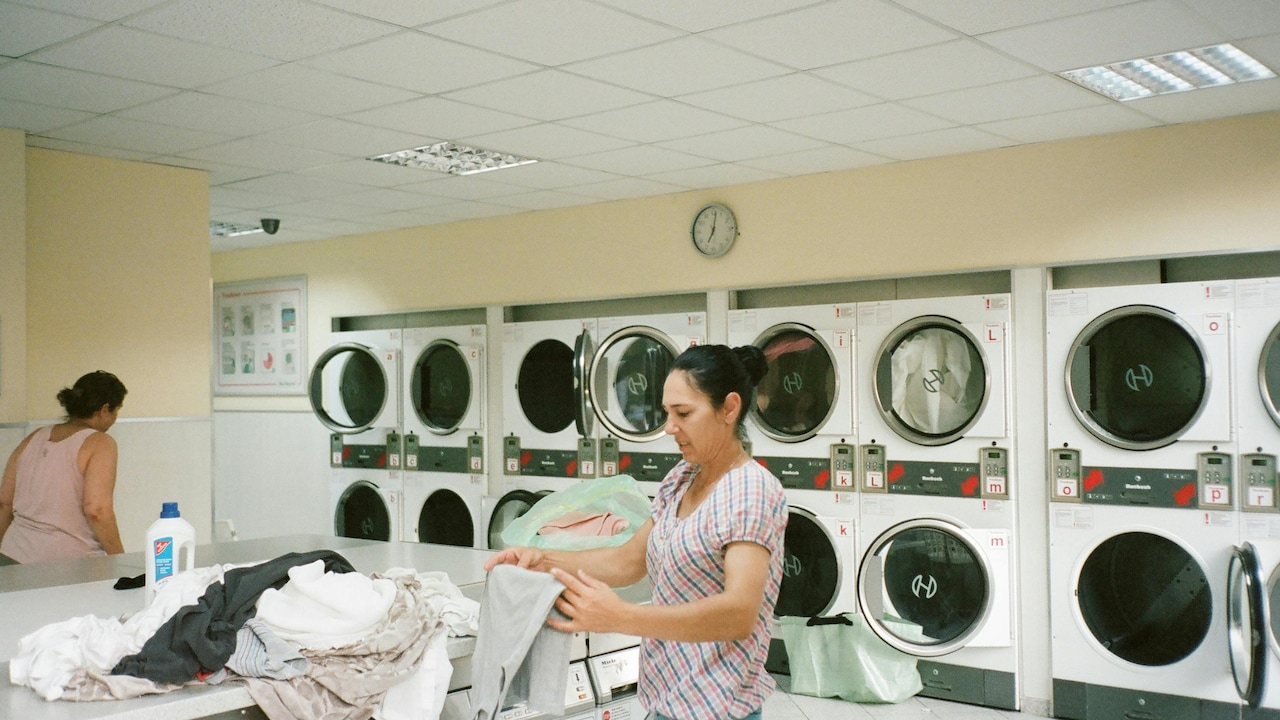
How To Use A Portable Washing Machine Without Overloading
Photo Credit: Pexels
Essential Guidelines For Using A Portable Washing Machine Safely
1. Understand the True Load Capacity
Every portable washing machine carries a specific load rating, often between 3 kg and 6 kg. That number refers to dry clothes, not wet ones. Wet fabric weighs much more, which explains why machines struggle when overloaded.
A common mistake involves judging loads by sight. A drum that looks half full may already exceed the safe limit once clothes absorb water. Heavier fabrics like denim, bedsheets, or towels add weight quickly. A bucket test helps here. One pair of jeans weighs around 700–800 grams when dry. Three pairs already push past 2 kg.
Manufacturers test machines under ideal conditions. Real-life washing includes mixed fabrics, uneven distribution, and soap residue. Staying slightly below the rated capacity keeps the motor relaxed and the wash effective. Think of the capacity as a comfort zone rather than a challenge.
Keeping a mental note of typical garment weights saves guesswork. Over time, estimating loads becomes second nature. The machine runs quieter, clothes rinse better, and breakdowns stay away.
2. Sort Clothes by Weight, Not Just Colour
Sorting laundry often stops at light and dark piles. Weight rarely enters the conversation, yet it plays a key role in preventing overload. Mixing heavy and light fabrics in a small machine causes an imbalance during spinning.
A load with jeans, towels, and thin T-shirts may fit physically but behaves badly during rotation. Heavy items sink, light ones float, and the drum struggles to balance. This leads to loud thumping, incomplete spins, and extra wear on internal parts.
Creating weight-based batches helps. Wash heavy items like bedsheets and denim separately. Pair lighter clothes such as kurtas, tops, or activewear together. This approach improves water circulation and detergent distribution.
It also shortens drying time. When fabrics share similar thickness, moisture is released evenly. Electricity bills stay lower, and clothes smell fresher.
This habit feels slower at first, but soon saves time. Fewer re-washes, fewer tangles, and fewer interruptions during spin cycles make laundry days smoother.
3. Measure Detergent Carefully
Detergent overload often accompanies machine overload. Many assume extra soap equals extra cleanliness. In reality, too much detergent traps dirt inside fabric fibres and adds stress to the machine.
Portable washing machines use less water than full-sized models. Excess detergent creates thick foam that restricts movement. The drum struggles, the motor heats up, and clothes rinse poorly. Leftover soap causes stiffness and skin irritation.
Most liquid detergents require just 10–15 ml for a small load. Powder detergents often need even less. Checking the label helps, but personal adjustment matters too. Soft water areas require lower amounts.
Using a measuring cup avoids guesswork. If clothes come out slippery or smell strongly of soap, detergent levels run too high. Reducing quantity improves results almost immediately.
Less detergent also protects inner pipes and filters from residue buildup. Maintenance costs drop, and clothes retain softness longer. Clean laundry does not need dramatic foam to prove its point.
4. Leave Space for Clothes to Move
A portable washing machine cleans by lifting and dropping clothes through water. When the drum fills to the brim, clothes stick together and rotate as a lump. Dirt stays trapped, and stains survive.
A simple rule helps: leave at least one palm's width of space at the top of the drum. This gap allows clothes to tumble freely. Water reaches every fold, and detergent spreads evenly.
Many users pack clothes tightly to “save a cycle.” The result often requires a second wash, doubling water and electricity use. Giving clothes breathing room actually saves resources.
This principle applies strongly to spin cycles. Overfilled drums wobble violently during spinning. Machines pause frequently or shut off for safety. Leaving space keeps the spin smooth and efficient.
Think of the drum as a dance floor rather than a storage box. When clothes move freely, cleaning improves, and machines stay calm.
5. Balance the Load Before Starting
Imbalanced loads cause more trouble than slightly heavy ones. Even a small machine handles its capacity well when the weight is distributed evenly. Problems arise when all heavy items sit on one side.
Before starting the wash, spread clothes around the drum. Place heavier garments opposite each other. Avoid stuffing items in one corner. This small step prevents violent shaking during spin cycles.
Portable washing machines lack the advanced balancing systems found in larger models. They rely on basic sensors or none at all. Manual balancing becomes essential.
If the machine vibrates loudly, pause the cycle. Rearrange the clothes and restart. Ignoring the noise risks damaging the suspension or loosening internal bolts.
Balanced loads also reduce noise pollution, a blessing in shared homes or apartments. Neighbours stay happier, and washing feels less stressful.
This habit takes seconds but saves money and nerves in the long run.
6. Choose the Right Wash Cycle
Portable washing machines often offer fewer cycles than full-sized ones, yet each cycle serves a purpose. Using the wrong setting encourages overloading.
Quick wash cycles suit small, lightly soiled loads. Stuffing heavy laundry into these cycles leads to poor cleaning. The machine rushes through movements without enough water or time.
For thicker fabrics, choose normal or heavy cycles even if they take longer. These cycles allow more soaking and stronger agitation. Clothes clean better with smaller loads.
Avoid the temptation to wash everything together under one setting. Separating loads by fabric type improves efficiency. Electricity use stays controlled, and clothes last longer.
Understanding cycle functions reduces the urge to overload. When each wash does its job properly, fewer repeats become necessary.
7. Respect Wet Weight During Rinsing
Rinsing adds significant weight to clothes. A load that seems manageable during washing may strain the machine during rinsing or spinning.
Portable washing machines handle this by limiting spin speed. Overloaded machines often leave clothes dripping wet. Users then run extra spin cycles, adding more strain.
Reducing the initial load size prevents this issue. Clothes spin drier the first time, saving electricity and drying effort.
If manual water filling applies, avoid filling above the recommended level. Extra water adds pressure and weight without improving cleaning.
Understanding wet weight encourages moderation. Clothes feel cleaner, machines feel lighter, and laundry days feel shorter.
8. Clean the Machine Regularly
A neglected machine struggles even with small loads. Lint, soap residue, and dirt build up inside the drum and pipes. This restricts movement and increases friction.
Cleaning the machine once a month keeps it efficient. Run an empty cycle with warm water and a cup of vinegar or machine cleaner. Wipe the drum and lid afterwards.
Clean filters frequently. Blocked filters reduce water flow, forcing the motor to work harder. Over time, this mimics the effects of overloading.
A clean machine handles loads smoothly and quietly. Clothes smell fresher, and wash quality improves noticeably.
Maintenance may not feel urgent, but it prevents bigger problems. A well-kept machine forgives small mistakes more easily.
9. Listen to the Machine's Signals
Machines communicate through sound and behaviour. Loud knocking, frequent pauses, or incomplete cycles signal overload or imbalance.
Ignoring these signs shortens machine life. Responding early prevents damage. Pause, redistribute, or reduce the load.
Many users grow used to noise and consider it normal. It is not. A healthy portable washing machine hums steadily without violent movement.
Learning these signals builds confidence. Laundry becomes less of a guessing game and more of a routine.
Machines, like people, perform best when treated with attention rather than impatience.
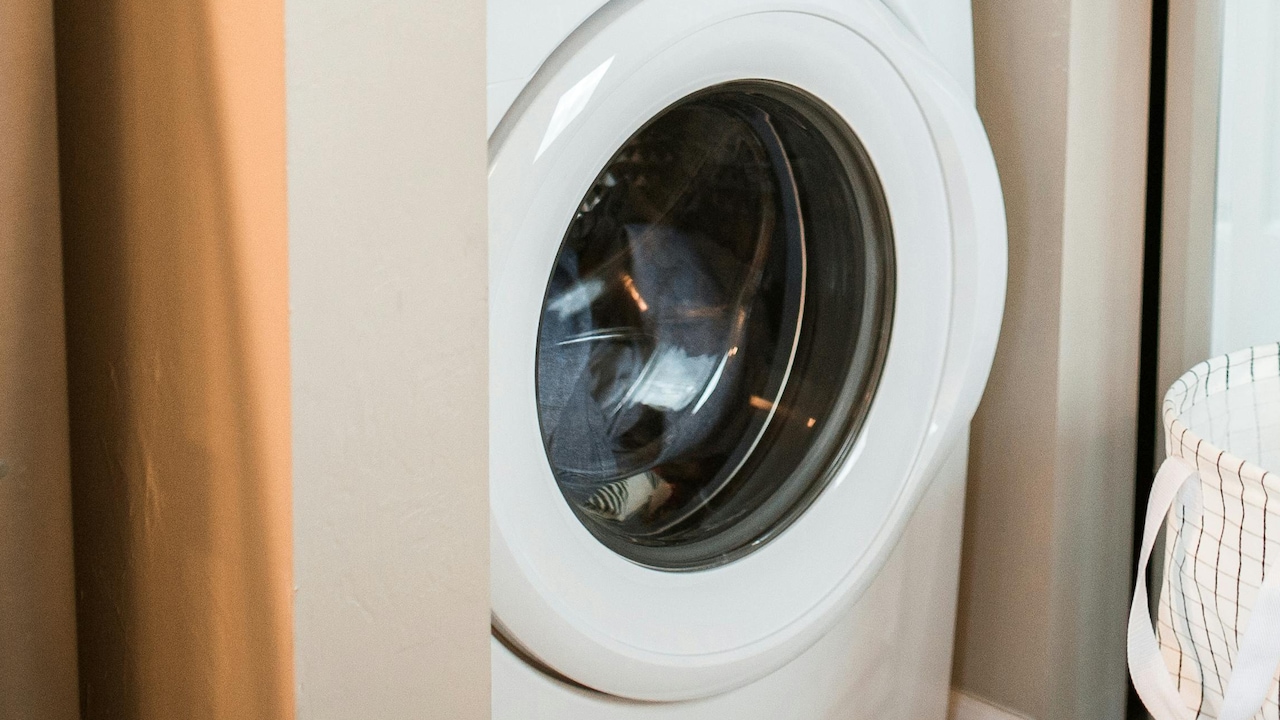
How To Use A Portable Washing Machine Without Overloading
Photo Credit: Pexels
10. Build a Sustainable Laundry Routine
Overloading often stems from rushed schedules. Busy weekdays push laundry into tight windows, tempting users to cram everything into one cycle.
Creating a routine solves this. Smaller, frequent loads reduce pressure on both machine and schedule. Washing every alternate day prevents pile-ups.
A sustainable routine also saves money. Lower repair costs, reduced electricity bills, and longer machine life balance out the effort.
Laundry becomes less daunting when it fits naturally into daily life. Portable washing machines thrive on consistency rather than extremes.
This approach respects the machine's design and rewards users with reliable performance.
Products Related To This Article
1. Heavy Quality Mini Portable Folding Washing Machine
2. Portable Washing Machine
3. Portable Washing Machine
4. Semi Automatic Folding 2kg Top Loading Mini Washing Machine
5. Portable Washing Machine
Portable washing machines offer freedom, flexibility, and efficiency when used thoughtfully. Overloading remains the most common mistake, yet also the easiest to avoid. Understanding capacity, balancing loads, choosing the right cycles, and listening to the machine transform laundry from a chore into a smooth habit. Using a portable washing machine well does not require expertise. It only needs awareness, patience, and a little respect for limits.
(Disclaimer: This article may include references to or features of products and services made available through affiliate marketing campaigns. NDTV Convergence Limited (“NDTV”) strives to maintain editorial independence while participating in such campaigns. NDTV does not assume responsibility for the performance or claims of any featured products or services.)