How To Use Non-Stick Cookware Safely: 10 Tips to Prevent Damage And Toxin Risks
Non-stick pans simplify everyday cooking, but poor habits can shorten their life and raise safety concerns. These practical tips help maintain coatings, reduce toxin risks, and keep cookware performing safely for longer.
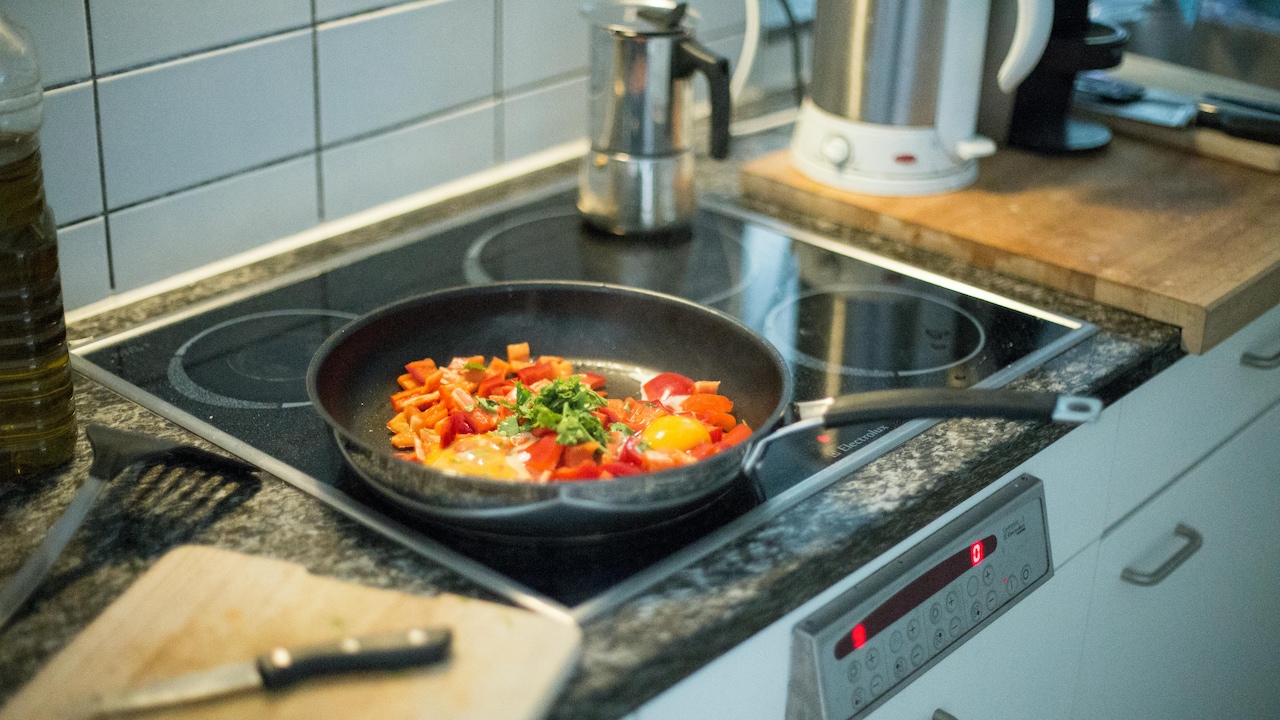
Non-Stick Cookware Safety Tips To Prolong Pan Life And How To Reduce Risk Of Toxins.
Non-stick pans promise convenience. They save time, reduce oil use, and make clean-up almost effortless. However, many households unknowingly shorten the life of these pans or increase health risks through small daily habits. Overheating, rough cleaning, or the wrong utensils can quietly damage the coating. Once that layer breaks down, worries around chemical exposure begin to surface.
The good news lies in simple changes. With the right care, non-stick cookware can remain a reliable kitchen companion for years. These tips focus on safe usage, mindful maintenance, and smarter buying choices. No technical jargon. No alarm bells. Just practical advice shaped around real kitchens, busy schedules, and familiar cooking styles.
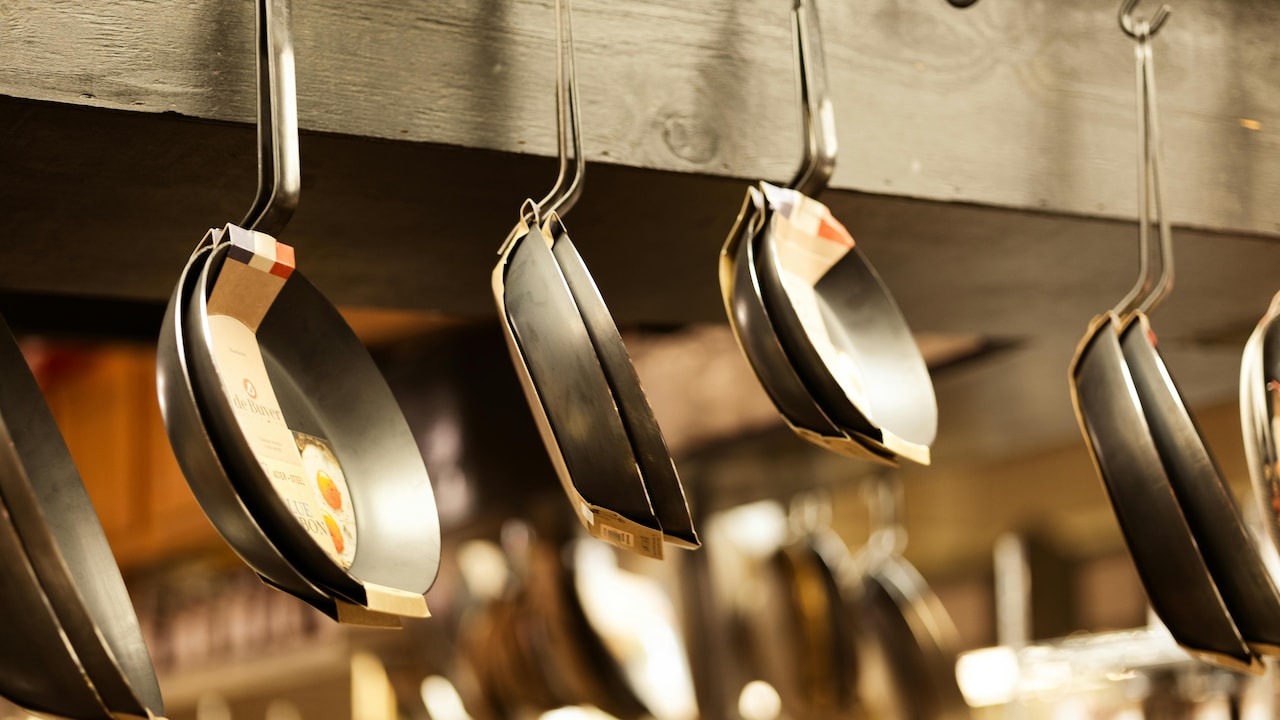
Non-Stick Cookware Safety Tips To Extend Pan Life And Reduce Health Risks; Photo Credit: Pexels
Small Kitchen Habits That Make A Big Difference To Non-Stick Safety
1. Choose Quality Over Bargains
That tempting ₹799 non-stick pan at the local market might feel like a steal. Yet, low prices often hide poor coatings and weak construction. Cheap pans tend to peel faster and lose their non-stick charm within months. Investing in reputable brands with certified coatings pays off in the long run.
Look for cookware labelled PFOA-free and compliant with food safety standards. Heavier pans with thick bases distribute heat evenly and resist warping. A good non-stick pan feels sturdy in hand, not flimsy. Spending ₹1,800 once beats replacing ₹800 pans every year.
Quality cookware also improves cooking results. Rotis brown evenly, vegetables sauté without scorching, and gravies simmer gently. Better materials mean lower chances of toxic fumes during cooking. In the kitchen, peace of mind often starts with what sits on the stove.
2. Keep the Heat in Check
High heat remains the biggest enemy of non-stick coatings. Many pans release harmful fumes when overheated, especially when left empty on the flame. Cooking on medium or low heat protects both health and cookware.
Non-stick pans excel at gentle cooking. Omelettes, pancakes, stir-fries, and shallow frying do not need roaring flames. Preheat the pan lightly, add oil or food promptly, and adjust the heat as needed. The pan should never smoke.
Gas stoves, common in homes, often produce uneven flames. Using a flame spreader helps distribute heat evenly. This small addition reduces hot spots and prevents coating damage. Controlled heat not only extends shelf life but also preserves flavours and nutrients in food.
Also Read: Are Nonstick Pans Safe? Top Myths and Healthy Cooking Tips You Need To Know
3. Use the Right Utensils Every Time
Metal spatulas may feel sturdy, but they act like tiny blades on non-stick surfaces. Each scrape leaves micro-scratches that weaken the coating over time. Wooden, silicone, or nylon utensils offer a safer alternative.
A soft spatula glides smoothly and protects the coating. Silicone ladles work well for gravies and curries. Wooden spoons feel traditional and gentle. Keeping a separate utensil holder near the stove avoids accidental grabs during busy cooking moments.
Children helping in the kitchen should learn this rule early. One enthusiastic scrape with a steel spoon can undo months of careful use. Treating non-stick pans with the right tools keeps them smooth, safe, and functional.
4. Avoid Sudden Temperature Shocks
Dropping a hot pan straight under cold tap water feels satisfying after cooking. Unfortunately, this habit warps the pan and cracks the coating. Sudden temperature changes stress the material and reduce its lifespan.
Allow the pan to cool naturally for a few minutes before washing. Warm water works better than cold for cleaning anyway. A gentle soak loosens food residues without harsh scrubbing.
This patience pays off. A pan that keeps its shape heats evenly and lasts longer. Small pauses between cooking and cleaning protect both cookware and nerves. The kitchen thrives on rhythm, not rush.
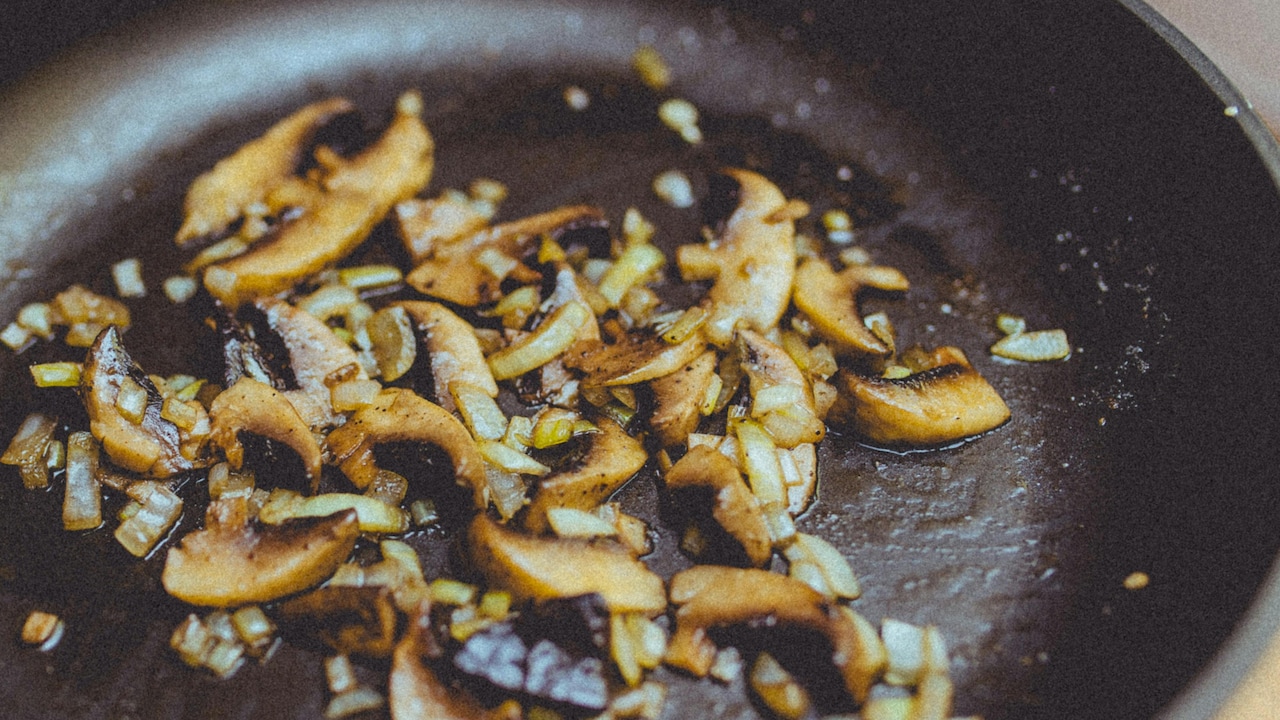
Non-Stick Cookware Safety Tips To Extend Pan Life And Reduce Health Risks; Photo Credit: Pexels
5. Clean Gently, Not Aggressively
Burnt bits may tempt a hard scrub, but abrasive pads damage non-stick surfaces quickly. Steel wool and harsh cleaners strip away the coating layer by layer.
Use a soft sponge with mild dishwashing liquid. For stubborn residue, soak the pan in warm water with a drop of soap. Baking soda paste works gently for tougher stains without harming the surface.
Cleaning right after cooling prevents food from sticking permanently. A clean pan performs better and smells fresher. Gentle care keeps the coating intact and avoids unnecessary exposure to degraded materials.
6. Store Pans with Care
Stacking pans directly over one another scratches the surface. Those fine lines add up, reducing non-stick efficiency. Placing a soft cloth or paper towel between pans creates a simple barrier.
Hanging pans on hooks also works well if space allows. This method prevents contact damage and keeps cookware accessible. Storage habits matter as much as cooking habits.
Even cabinet crowding takes a toll. Pulling pans out carefully avoids edge damage. Respectful storage keeps cookware ready for daily use without hidden wear.
7. Know When to Replace the Pan
No non-stick pan lasts forever. Peeling, flaking, or persistent sticking signal time for replacement. Continuing to cook on damaged surfaces increases the risk of ingesting coating particles.
A well-maintained pan usually lasts three to five years. Heavy daily use may shorten this span. Watching for signs helps avoid health concerns.
Replacing cookware feels inconvenient, but safety matters more. A fresh pan restores cooking ease and peace of mind. Treat replacement as routine maintenance, not failure.
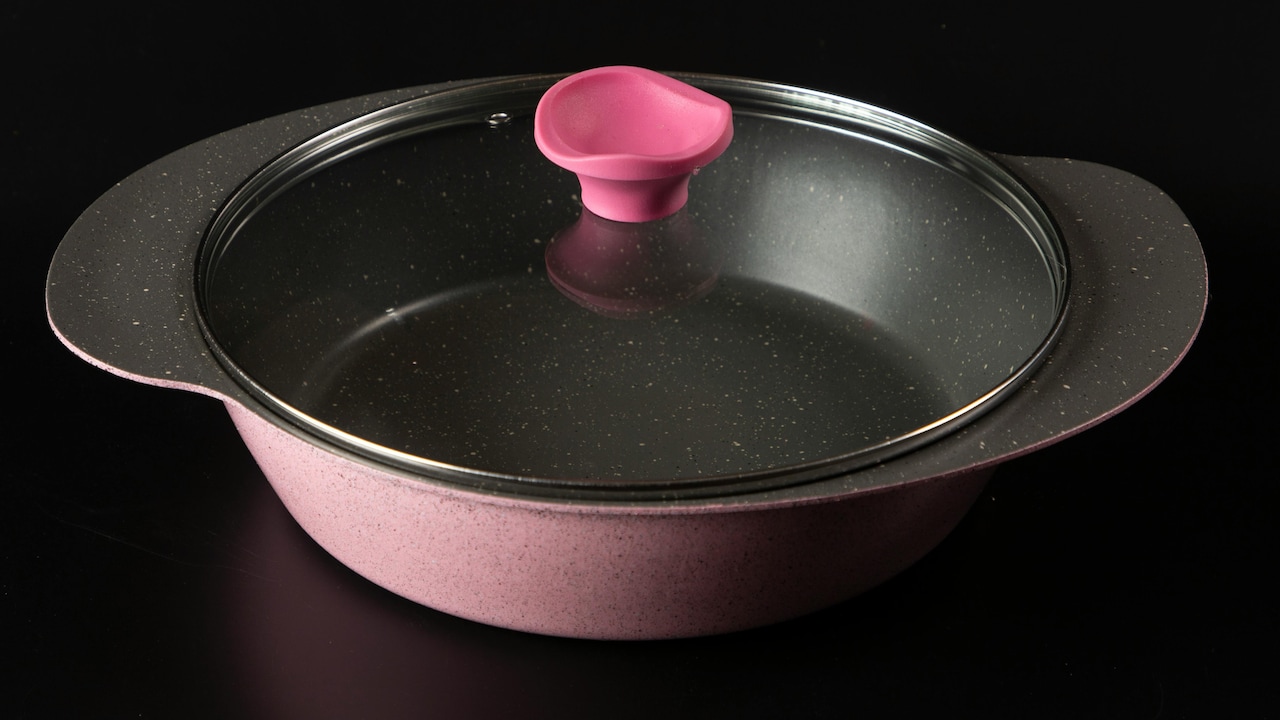
Non-Stick Cookware Safety Tips To Extend Pan Life And Reduce Health Risks; Photo Credit: Pexels
8. Avoid Cooking Sprays
Aerosol cooking sprays leave sticky residues that resist cleaning. Over time, this build-up reduces non-stick performance and attracts burning.
Using a small amount of regular oil works better. Brushing oil lightly across the surface ensures even coverage without residue. Traditional oils suit most cooking needs and maintain pan quality.
Measuring oil with a spoon also supports healthier cooking. Small changes improve both cookware care and daily meals.
9. Match the Pan to the Task
Using non-stick cookware for everything seems convenient, but certain tasks demand sturdier tools. High-heat searing, deep frying, or dry roasting suits cast iron or stainless steel better.
Non-stick pans shine during low to medium heat cooking. Eggs, pancakes, vegetables, and light curries benefit most. Matching cookware to purpose prevents damage and improves results.
A balanced kitchen includes variety. Each pan has strengths. Using them wisely protects non-stick surfaces from unnecessary strain.
10. Ventilation Matters More Than Realised
Cooking fumes accumulate quickly in closed kitchens. Overheated non-stick pans release fumes that irritate the eyes and throat. Proper ventilation reduces exposure and improves comfort.
Using exhaust fans or opening windows while cooking keeps the air fresh. This habit benefits everyone in the household, especially during long cooking sessions.
Clean air supports safer cooking environments. Ventilation complements other safety measures and turns the kitchen into a healthier space.
Products Related To This Article
1. Tramontina Aura 4-Pc Cookware Set
2. Amazon Basics Granite Finish Non Stick 5 Pcs Induction Base Cookware Set
3. Stahl Artisan Hybrid Triply Dosa Tawa
4. Tower Cerasure 26 cm (3.5 L) Ceramic Non-Stick Kadai with Lid
5. Hawkins Futura 20 cm Frying Pan, Non Stick Fry Pan
6. 4-Hole Non-Stick Egg Frying Pan with Detachable Wooden Handle
7. Prestige Non-Stick Omega Deluxe Granite Fry Pan
Non-stick cookware brings undeniable ease to daily cooking. With mindful use, these pans remain safe, efficient, and durable. Small habits, lower heat, gentle cleaning, and thoughtful storage make a significant difference over time.
Caring for cookware mirrors caring for health. Both thrive on balance and awareness. These tips offer simple ways to protect favourite pans while reducing unnecessary risks. In the rhythm of everyday meals, a little attention keeps both food and cookware in excellent shape.
(Disclaimer: This article may include references to or features of products and services made available through affiliate marketing campaigns. NDTV Convergence Limited (“NDTV”) strives to maintain editorial independence while participating in such campaigns. NDTV does not assume responsibility for the performance or claims of any featured products or services.)