How To Verify Your Air Purifier Is Truly Improving Indoor Air Quality Or Not
Learn simple, practical ways to check whether your air purifier is actually improving indoor air quality, from tracking dust and odours to using air quality monitors and observing everyday health changes.
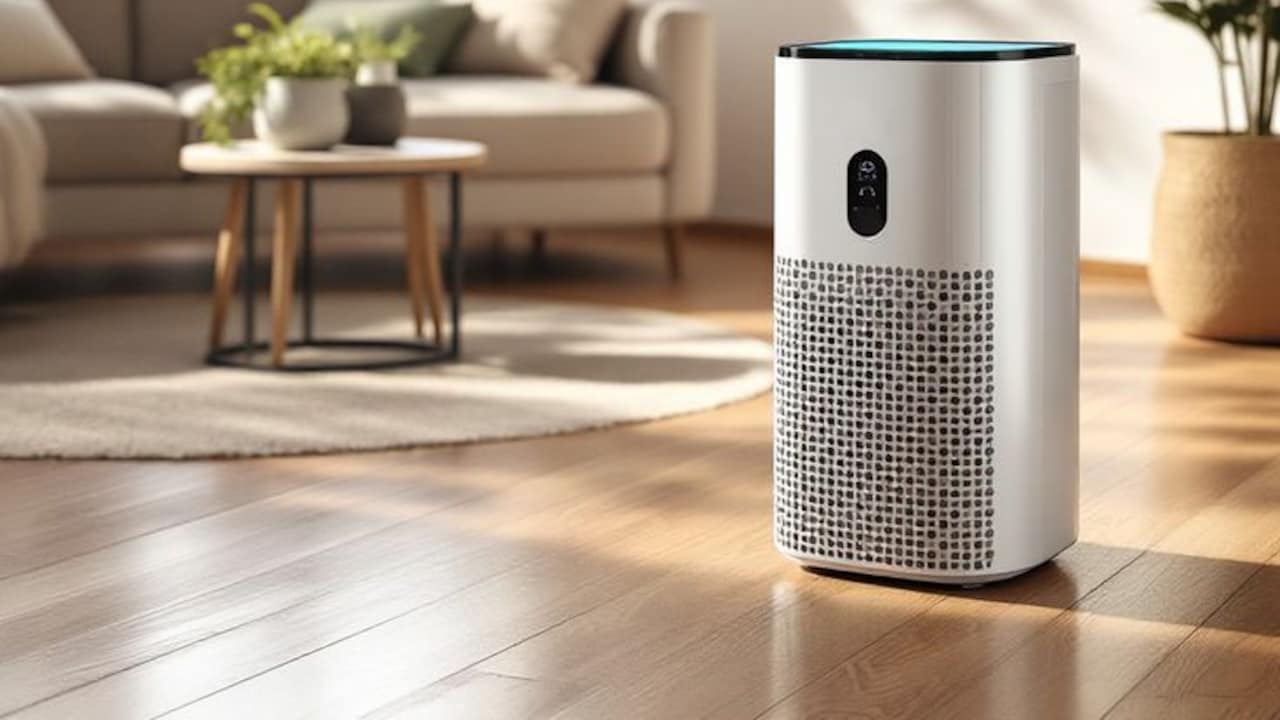
10 Simple Ways To Check Whether Your Air Purifier Is Actually Working Or Not.
Air purifiers have quietly moved from luxury gadgets to near-essentials in many homes. Busy roads, construction dust, pollen, cooking fumes, and seasonal smog all find ways indoors. An air purifier offers hope: cleaner air, fewer sneezes, better sleep, and a calmer chest. Yet doubts often creep in after a few weeks. Does the purifier actually work, or does it simply hum through the night? And then, how to verify whether your air purifier is truly improving indoor air quality or not?
Verifying real improvement in indoor air quality does not require scientific degrees or costly lab tests. An air purifier does not transform a home into a mountain retreat, but it should reduce pollutants noticeably over time. This article explores 10 practical ways to verify whether an air purifier truly improves indoor air quality. Each method fits easily into daily life, using common sense, relatable scenarios, and a touch of curiosity.
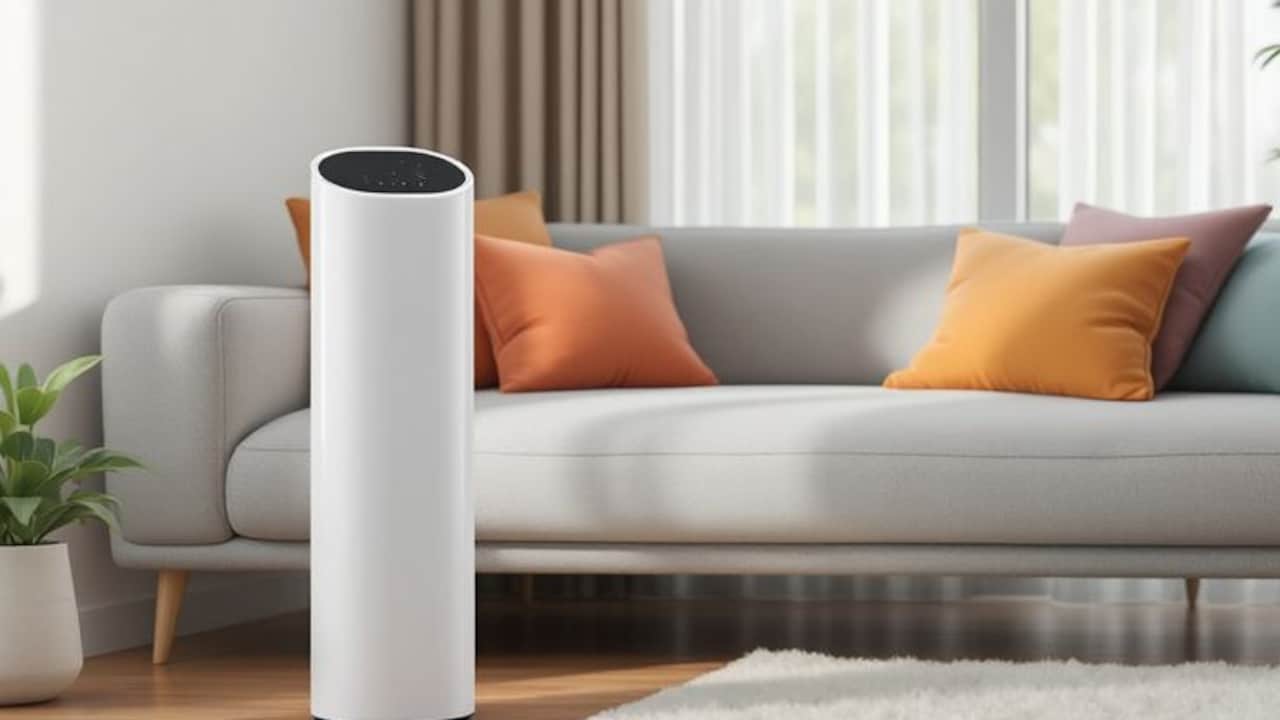
How To Verify Your Air Purifier Is Truly Improving Indoor Air Quality For Your Family Or Not; Photo Credit: Pexels
Practical Ways to Tell If Your Air Purifier Is Actually Working
1. Track Changes in Dust Levels Around the Home
Dust offers one of the simplest visual clues. Before installing an air purifier, most homes collect dust quickly on shelves, television screens, and window sills. After a few weeks of regular purifier use, those surfaces should stay cleaner for longer.
A simple test helps. Clean a table thoroughly and leave it untouched for two days. Compare dust accumulation with a similar surface in another room without a purifier. The difference often appears subtle but noticeable. Fewer grey specks usually suggest reduced airborne particles.
Homes near busy roads or construction sites often struggle with fine dust that settles everywhere. An effective air purifier reduces this nuisance. Curtains feel fresher. Corners look less grimy. Even ceiling fans collect less residue over time.
Dust reduction does not happen overnight. Patience matters. Continuous use, especially during peak pollution hours, shows better results. If dust levels remain unchanged for weeks, the purifier may lack capacity or require filter maintenance.
2. Observe Allergy and Respiratory Symptoms
The body acts as a sensitive air-quality monitor. Sneezing fits, itchy eyes, morning congestion, or mild coughing often reflect poor indoor air. After installing a purifier, these symptoms should ease gradually.
For households with children or elderly members, changes feel even clearer. Fewer sniffles during sleep, reduced wheezing after waking, or calmer breathing during the night often indicate cleaner air. Even pets may scratch less or breathe more comfortably.
Seasonal pollen provides a strong test. During high pollen months, open windows invite allergens indoors. A reliable air purifier should soften the impact. Fewer allergy tablets and clearer sinuses signal progress.
However, expectations must remain realistic. An air purifier supports health but does not replace medical care. Persistent symptoms may stem from humidity, mould, or external pollution sources. Still, noticeable symptom relief remains one of the strongest signs of improved indoor air quality.
Also Read: Air Purifier Benefits: Know 10 Reasons Why You Need It And Check Top 5 Picks From Philips To Qubo
3. Use an Indoor Air Quality Monitor
Technology simplifies verification. Affordable indoor air quality monitors now measure PM2.5, PM10, VOCs, and carbon dioxide. These devices provide numerical evidence rather than guesswork.
Place a monitor in the same room as the air purifier. Record readings before switching the purifier on and after several hours of operation. Effective purifiers typically reduce particulate matter within 30–60 minutes.
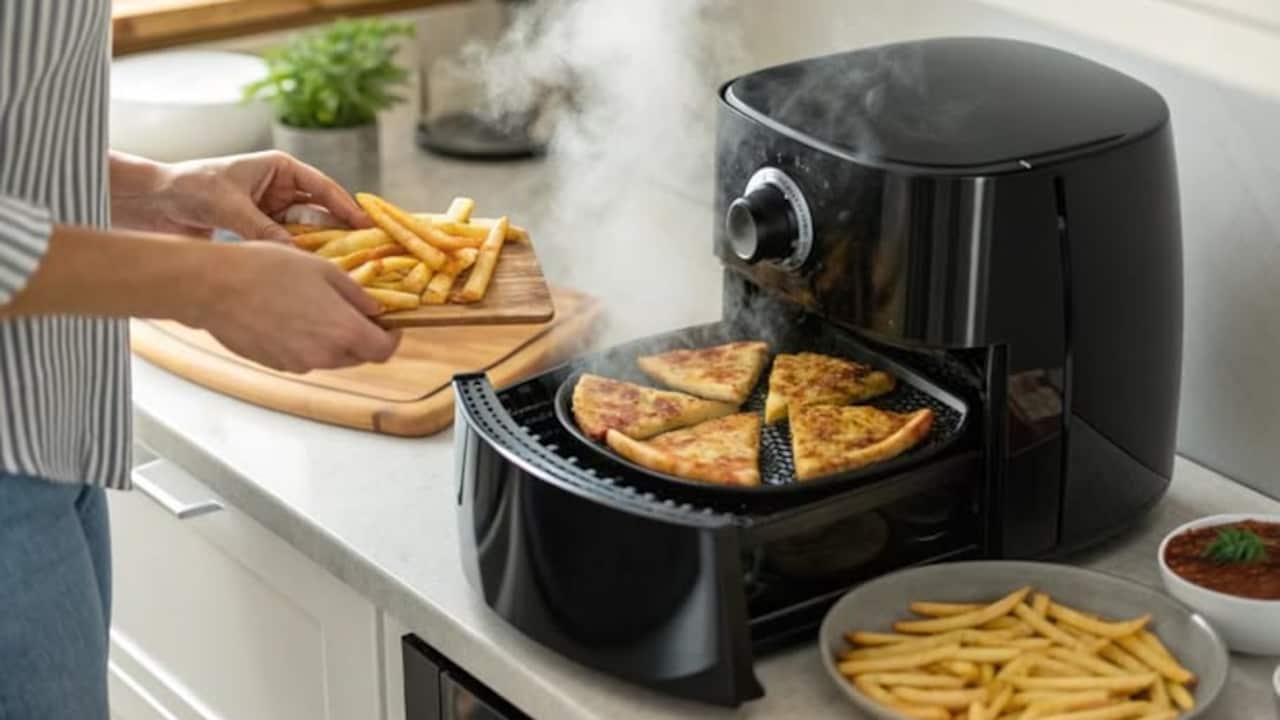
Cooking offers a practical test. Frying or tadka releases smoke and particles. Monitor readings often spike quickly. Switch on the purifier and watch levels fall. Faster reduction usually signals strong filtration.
Some purifiers include built-in sensors and colour indicators. While convenient, external monitors offer more transparency. Numbers tell stories. A steady decline in pollutant levels confirms genuine improvement rather than placebo comfort.
4. Notice Odour Reduction and Fresher Air
Smell remains a powerful indicator. Cooking aromas, damp smells, pet odours, or lingering incense often hang in closed rooms. A good air purifier clears these faster than open windows alone.
Test this by cooking a spicy meal or lighting agarbatti in the evening. Observe how long the smell lingers with the purifier running. Compare this with earlier experiences or rooms without purifiers.
Carbon filters play a key role here. If odours persist despite continuous use, the carbon filter may feel saturated or insufficient. Some purifiers focus more on particles than gases.
Fresh air does not smell floral or artificial. It simply feels neutral and clean. That absence of stale odour, especially during humid monsoon months, often confirms effective air purification.
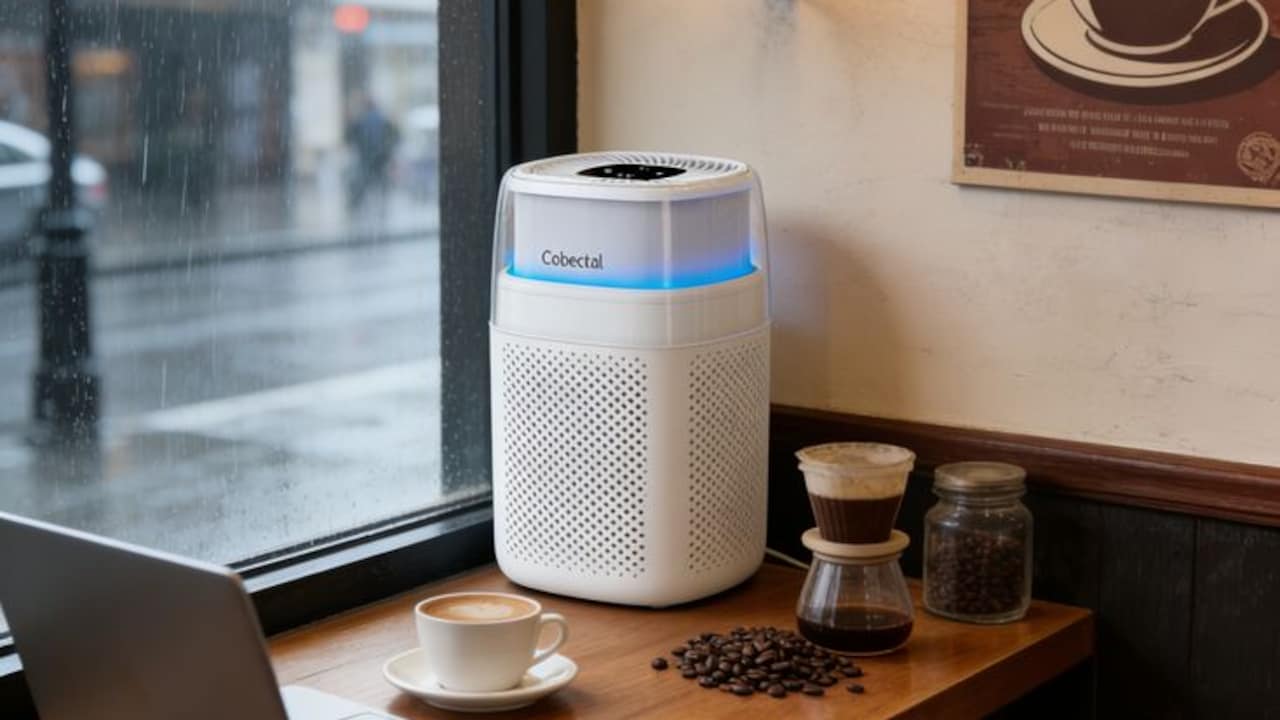
How To Verify Your Air Purifier Is Truly Improving Indoor Air Quality; Photo Credit: Pexels
5. Check Filter Condition and Dirt Accumulation
Filters tell honest stories. After several weeks of use, remove the purifier's pre-filter or HEPA filter carefully. Visible dust, hair, and grey residue indicate active pollutant capture.
Many users feel surprised by how dirty filters look within a month. This dirt would otherwise float in indoor air or settle on surfaces. A clean-looking filter after long use may signal poor airflow, incorrect placement, or low pollution capture.
Some purifiers include filter replacement indicators. These help but do not replace visual inspection. Homes near traffic-heavy roads often require more frequent cleaning or replacement.
A clogged filter reduces performance. Regular maintenance ensures continued improvement. Clean or replace filters as recommended. A purifier works only as well as the filter inside it.
6. Monitor Sleep Quality and Morning Freshness
Sleep quality often improves subtly with cleaner air. Fewer midnight coughs, deeper breathing, and reduced dryness in the throat reflect better indoor conditions.
Bedrooms benefit most from air purifiers. Night-time air often stagnates, especially with closed windows and fans running. A purifier circulates and cleans air silently, promoting restful sleep.
Morning freshness serves as a clue. Waking without heaviness in the chest or a blocked nose suggests progress. Rooms feel lighter, not stuffy.
Parents often notice children sleeping more peacefully, with fewer restless turns. Even simple changes like reduced snoring or less mouth breathing can relate to improved air quality.
Sleep improvements rarely feel dramatic but accumulate over time. A calmer start to the day often confirms the purifier's quiet work through the night.
7. Compare Rooms With and Without Purifiers
Side-by-side comparison offers clarity. Homes with multiple rooms allow natural experiments. Place a purifier in one room and leave another similar room untreated.
Over weeks, differences emerge. The purified room often smells fresher, gathers less dust, and feels more comfortable during hot or humid days. Occupants may prefer spending time there without consciously realising why.
Seasonal pollution peaks amplify contrasts. During winter smog or summer dust storms, the difference becomes stark. Air feels heavier in untreated spaces.
This comparison removes bias. Observations feel grounded in daily experience rather than marketing promises. If no noticeable difference appears, reassessing purifier size, placement, or maintenance becomes essential.
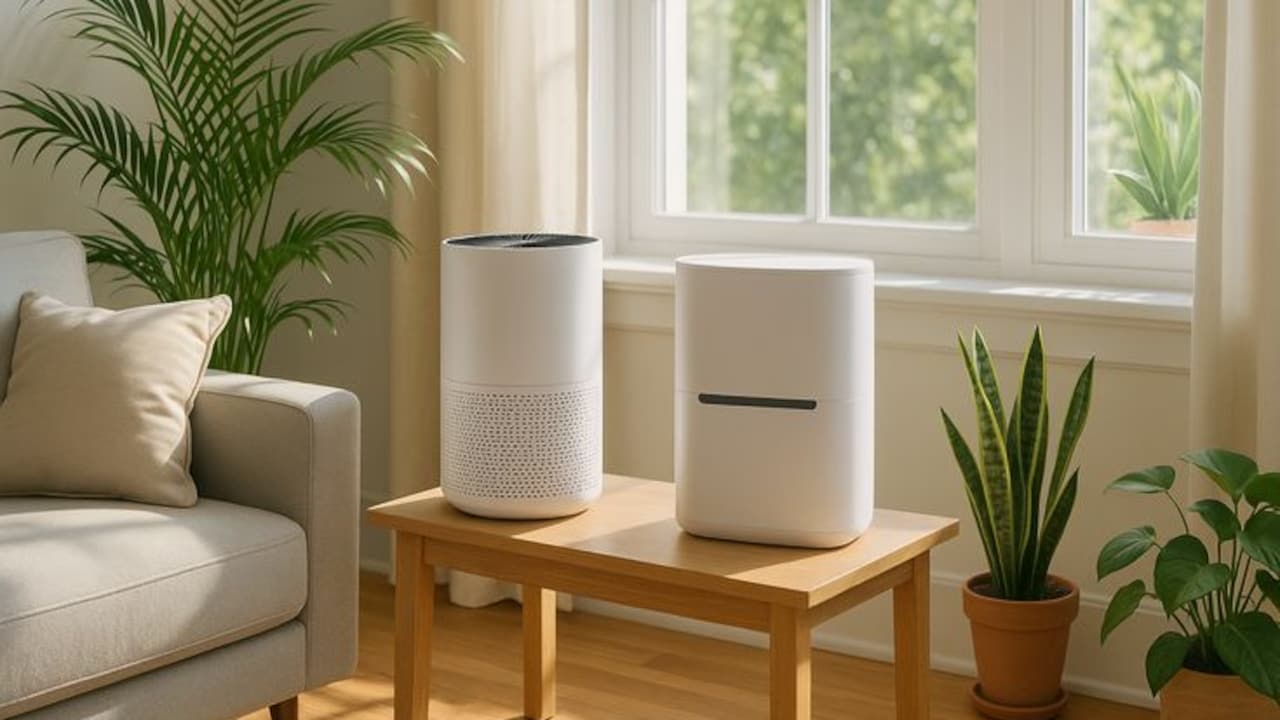
How To Verify Your Air Purifier Is Truly Improving Indoor Air Quality; Photo Credit: Pexels
8. Evaluate Noise, Airflow, and Coverage Area
Effectiveness is closely to correct usage. A purifier too small for the room struggles silently. Check the recommended coverage area and match it with the room size.
Airflow matters. Clean air should circulate properly. Place the purifier away from walls, curtains, or furniture. Blocked airflow reduces efficiency.
Noise levels influence usage. Many users switch off loud purifiers at night, unknowingly reducing benefits. A truly effective purifier balances performance with comfort.
Observe how quickly the air feels refreshed after switching the purifier on. Slow improvement may suggest undersized capacity. Upgrading to the correct size often transforms results without changing brands.
9. Observe Effects During High Pollution Days
Outdoor pollution sneaks indoors during peak days. Construction dust, traffic emissions, and festive fireworks push indoor air quality down quickly.
On such days, a working purifier should visibly help. Haze indoors reduces faster. Breathing feels easier. Indoor monitors show controlled pollutant levels despite outdoor spikes.
Keep windows closed during high pollution hours and rely on the purifier. Compare comfort levels with previous years. Reduced irritation, fewer headaches, and calmer lungs confirm effectiveness.
Festive seasons offer real-world testing grounds. Smoke-heavy evenings reveal whether the purifier truly earns trust or merely hums in the background.
10. Assess Long-Term Health and Maintenance Costs
Long-term benefits matter most. Fewer doctor visits, reduced allergy medication expenses, and improved daily comfort reflect genuine improvement.
Consider maintenance costs too. Filter replacements may cost ₹2,000–₹5,000 annually, depending on usage. This expense feels justified if benefits remain consistent.
Energy consumption stays modest for most models, often under ₹300 per month. Compare this with health-related savings and improved quality of life.
An effective purifier becomes a silent partner in wellbeing rather than a flashy appliance. Long-term satisfaction often confirms that indoor air quality truly improved.
Products Related To This Article
1. Winix Premium 4 Stage Air Purifier
2. Honeywell Air Purifier for Home & Office
3. Shark HP300 Air Purifier
4. LEVOIT Core Mini Air Purifier For Coverage Area 183 Sq Ft
B0CG1N11DV
5. Coway Airmega AIM (AP-0623B) Air Purifier For Home
Verifying whether an air purifier improves indoor air quality does not require blind faith. Simple observations, practical tests, and mindful habits reveal the truth over time. Cleaner surfaces, easier breathing, fresher rooms, and calmer nights all whisper the same message.
Air purifiers work best when chosen wisely, placed correctly, and maintained regularly. They do not perform miracles, yet they quietly reduce invisible threats that affect daily comfort and long-term health. When indoor air feels lighter, smells neutral, and supports better sleep, the air purifier proves its worth.
(Disclaimer: This article may include references to or features of products and services made available through affiliate marketing campaigns. NDTV Convergence Limited (“NDTV”) strives to maintain editorial independence while participating in such campaigns. NDTV does not assume responsibility for the performance or claims of any featured products or services.)