OTG Vs Convection Microwave: A Complete Oven Buying Guide For Everyday Use
OTG vs convection microwave explained. Compare cooking performance, energy use, costs, and everyday convenience to choose the right oven for your kitchen needs. Pick the right one between OTGs and convection ovens using these super helpful tips.
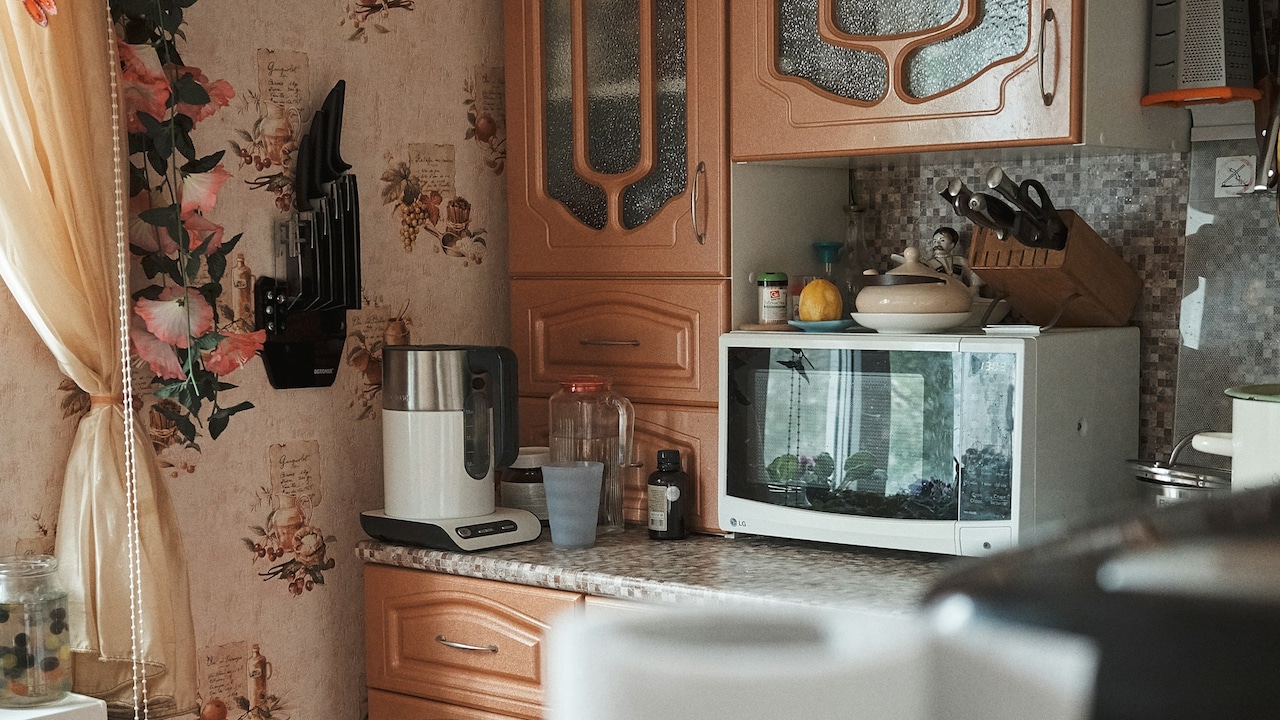
OTG Vs Convection Microwave: Choose The Right One With Our Oven Buying Guide.
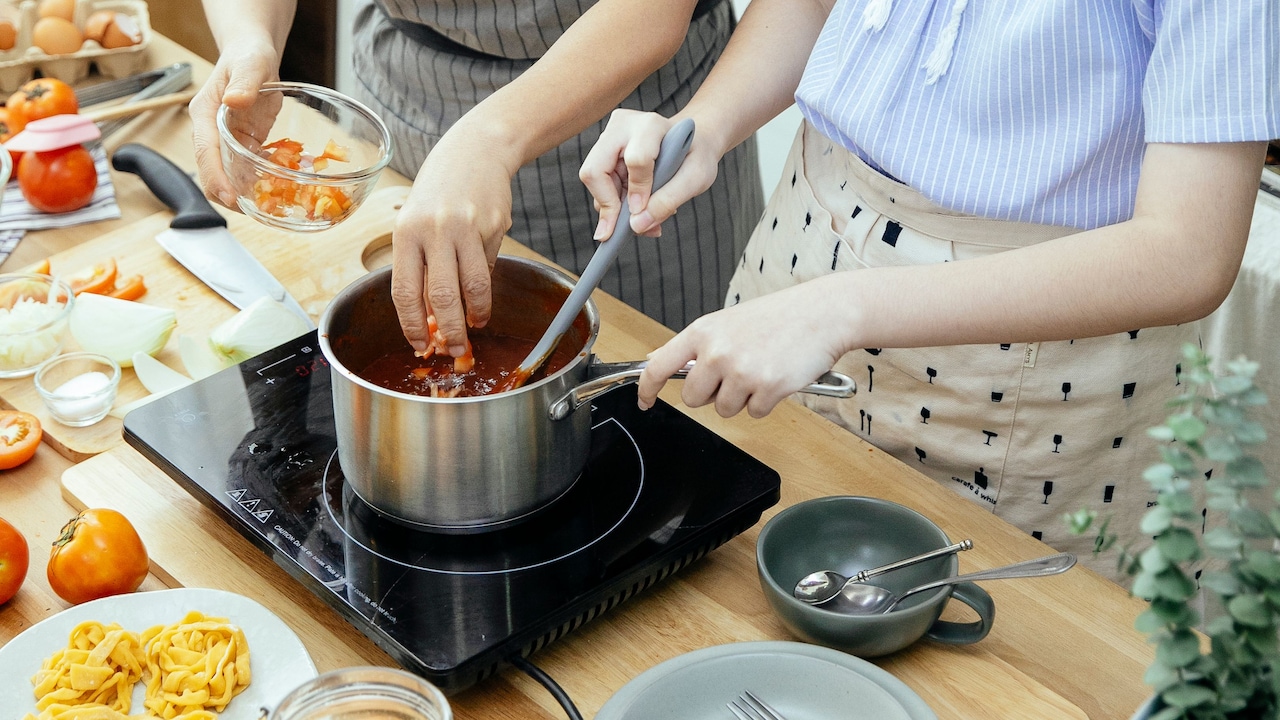
Baking banana bread on a Sunday, reheating last night's biryani, or grilling paneer for guests has become common. This shift brings a familiar question: should the kitchen welcome an OTG or a convection microwave? Both appliances promise convenience, yet they serve different cooking styles. The confusion grows because sales pitches often sound similar, while real-life usage tells a different story. Some homes swear by slow, even baking. Others want speed and versatility. Space, budget, and eating habits also play quiet but important roles.
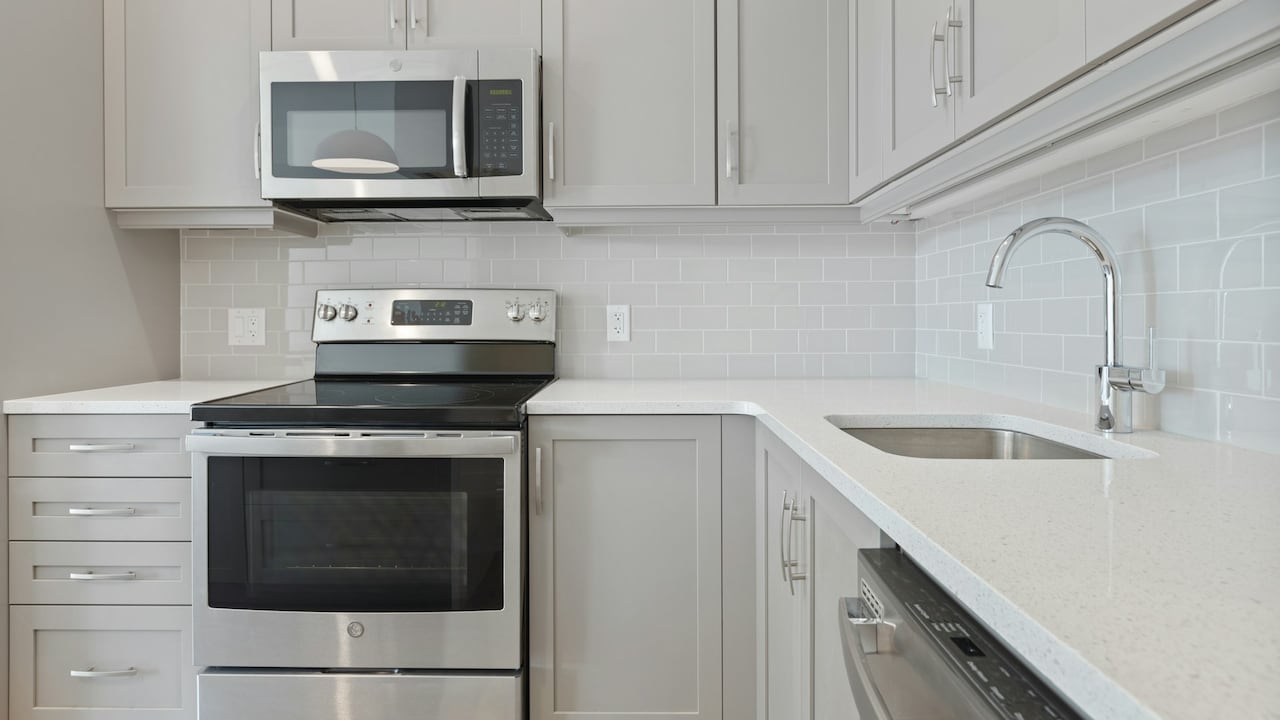
Here's how you can decide if your kitchen needs an OTG or a convection microwave; Photo Credit: Unsplash
This guide aims to clear the fog. It compares OTGs and convection microwaves across daily use, cost, energy, learning curve, and more. So, when it comes tp choosing an OTG or convection microwave oven, check out these key differences, pros, and cons in this complete oven buying guide to choose the best option for your daily cooking needs.
Also Read: Modular Kitchen Essentials: Discover 12 Essential Appliances You Need In Your Kitchen
How OTGs and Convection Microwaves Really Differ
1. Understanding the Basics: What Exactly Is an OTG?
An OTG, short for Oven, Toaster, and Griller, feels like the old soul of modern appliances. It focuses on one thing and does it well: controlled heating for baking, grilling, and toasting. Heating rods sit at the top and bottom, warming food evenly over time.
This appliance suits those who enjoy hands-on cooking. Temperature dials, timers, and manual settings encourage experimentation. Cakes rise slowly, cookies brown evenly, and garlic bread crisps just right. An OTG rewards patience.
Many homes use it for baking birthday cakes, roasting vegetables, or grilling sandwiches. It does not reheat food quickly, nor does it defrost frozen items efficiently. That limitation matters in busy households.
OTGs usually cost less, starting around ₹3,000 and going up to ₹10,000 depending on size and brand. They also consume less power per use, though cooking takes longer.
This appliance suits kitchens where baking happens often and convenience cooking happens less. It fits homes that enjoy weekend cooking projects and appreciate traditional results over speed.
2. Getting to Know the Convection Microwave
A convection microwave feels like a multitasking champion. It combines microwave energy with a heating element and a fan. This trio allows reheating, defrosting, baking, grilling, and cooking full meals.
Speed defines this appliance. Leftover rajma heats in minutes. Frozen parathas thaw quickly. Cakes bake faster than in an OTG, though results vary by recipe. Preset menus guide beginners, which reduces guesswork.
Touch panels and digital displays add a modern feel. Many models offer auto-cook options for popular dishes. This feature helps those who prefer quick meals over culinary experiments.
Convection microwaves cost more, usually between ₹8,000 and ₹25,000. Power consumption also rises, especially during convection mode. Repairs may cost more due to complex electronics.
This appliance suits busy households where time matters. It supports daily cooking, reheating, and occasional baking. Those who value convenience and variety often lean towards this option.
3. Baking Performance: Cakes, Cookies, and Bread
Baking reveals the true personality of an oven. An OTG shines here. Dry heat and steady temperatures create bakery-style results. Cakes rise evenly. Cookies develop crisp edges. Bread forms a proper crust.
Temperature control feels precise, though it requires manual adjustment. Preheating takes time, yet the results reward patience. Baking enthusiasts often prefer this control. Recipes written for traditional ovens translate easily.
Convection microwaves bake differently. Fan-assisted heat speeds up the process. Cakes bake faster, yet sometimes turn dense if the settings go wrong. Learning correct temperatures takes practice.
Preset baking modes help beginners, but flexibility feels limited. Small batch baking works well. Large or delicate bakes may need trial runs.
Those who bake often, especially breads and pastries, may find more joy with an OTG. Occasional bakers, who value speed over perfection, may feel satisfied with a convection microwave. Baking habits play a decisive role here.
4. Daily Cooking and Reheating Needs
Daily cooking tells a different story. Reheating leftovers in an OTG feels slow and inefficient. Defrosting frozen food also proves tricky. This appliance does not suit rushed mornings or quick dinners.
A convection microwave excels here. Reheating happens evenly and quickly. Defrosting frozen vegetables or meat takes minutes. Cooking rice, dal, or vegetables feels effortless with microwave-safe cookware.
Many households rely on reheating multiple times a day. Tea reheats, lunch leftovers warm up, and dinner plates stay hot. A convection microwave handles this rhythm smoothly.
OTGs remain idle during weekdays in such homes. They come alive during weekends or special occasions. This pattern suits some kitchens but frustrates others.
Choosing between these appliances depends on daily routines. Homes that cook fresh meals daily but reheat often benefit from a convection microwave. Homes that cook leisurely and enjoy baking sessions may accept slower reheating.
5. Space, Size, and Kitchen Layout
Kitchen space often decides more than features. OTGs come in compact sizes, starting around 9 litres and going up to 60 litres. Smaller models fit neatly on counters. Larger ones need dedicated space.
Convection microwaves usually start at 20 litres. They demand more counter space and proper ventilation. Built-in options suit modular kitchens but increase costs.
Weight also matters. OTGs feel lighter and easier to move. Convection microwaves feel heavier due to internal components. Frequent rearranging becomes inconvenient.
Door clearance needs consideration, too. Drop-down OTG doors require front space. Microwave doors swing sideways, which suits narrow counters better.
Small kitchens may prefer compact OTGs or slim microwaves. Spacious kitchens can accommodate either comfortably. Measuring available space before purchase prevents regret later.
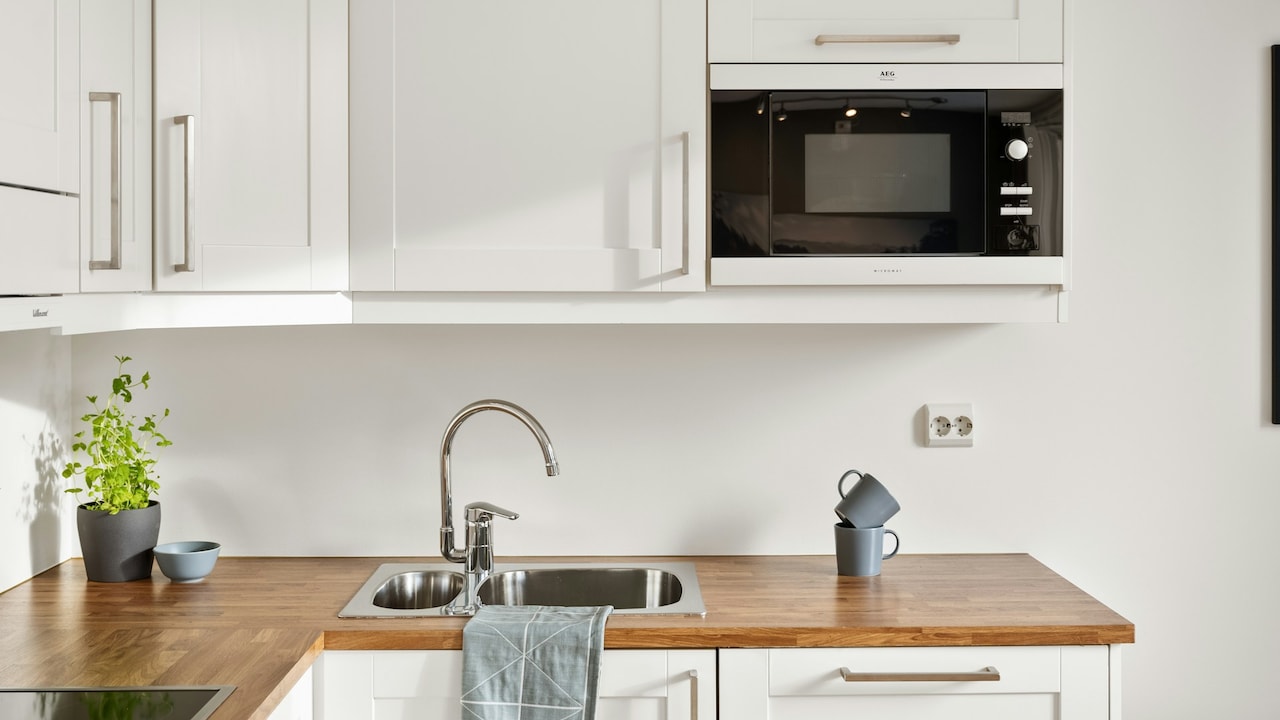
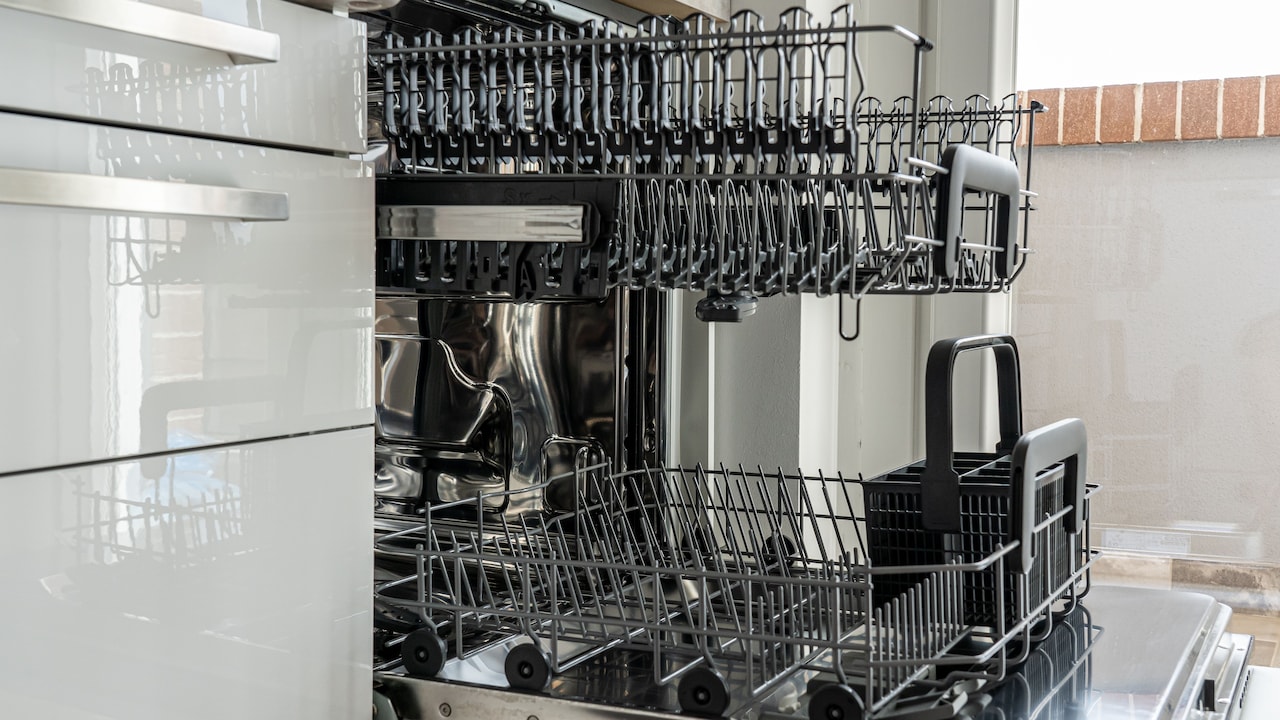
Always consider the kitchen space, layout, and available space; Photo Credit: Unsplash
6. Ease of Use and Learning Curve
Ease of use shapes daily satisfaction. OTGs rely on knobs and manual controls. This simplicity appeals to those who dislike digital menus. Learning happens through trial and error, which feels rewarding for some.
Convection microwaves use digital panels with preset programmes. Beginners feel guided. Pressing a button replaces guesswork. Yet too many options may overwhelm some users.
Maintenance also differs. OTGs clean easily with removable trays and crumb collectors. Convection microwaves need careful cleaning to protect sensors and interiors.
Repairs feel simpler for OTGs. Fewer electronics mean fewer breakdowns. Convection microwaves may require authorised service centres for repairs.
Those who enjoy manual control and simplicity may prefer OTGs. Those who like automation and guided cooking may lean towards convection microwaves. Comfort with technology influences this choice strongly.
7. Power Consumption and Running Costs
Electricity bills matter in the long run. OTGs consume moderate power, usually between 800 and 1600 watts. Cooking takes longer, which balances out consumption.
Convection microwaves use higher wattage, often above 2000 watts, during convection mode. Reheating uses less power, but frequent use adds up.
Running costs depend on usage patterns. Occasional baking in an OTG keeps bills manageable. Daily reheating and cooking in a microwave increases consumption.
Energy-efficient models help reduce costs. Using appropriate cookware also improves efficiency. Overusing convection mode for simple reheating wastes energy.
Budget-conscious homes should consider monthly usage, not just appliance price. A cheaper oven may cost more over time if used inefficiently.
8. Budget Considerations and Value for Money
Budget shapes expectations. OTGs offer excellent value for baking-focused homes. Spending ₹5,000 can deliver reliable performance for years.
Convection microwaves cost more upfront. The price reflects versatility and technology. Spending ₹15,000 may replace several appliances.
Value depends on usage. Buying a convection microwave but using only reheating features wastes potential. Buying an OTG but needing daily reheating creates inconvenience.
Accessories add to the cost too. Microwave-safe cookware differs from OTG trays. Replacement parts also vary in price.
Smart buying matches features with habits. Stretching the budget for unused features rarely feels satisfying. Choosing based on real needs brings better value and fewer regrets.
9. Food Habits and Lifestyle Fit
Food habits reveal the right choice quietly. Homes that enjoy baking, grilling, and roasting lean towards OTGs. Weekend baking sessions, festive treats, and homemade pizzas fit well.
Homes that juggle work, school, and quick meals value speed. Reheating curries, defrosting snacks, and cooking simple dishes daily suit convection microwaves.
Lifestyle matters too. Those who enjoy learning recipes and experimenting enjoy OTGs. Those who prefer quick results enjoy microwaves.
Families, couples, and solo dwellers all differ. Smaller households may not need large ovens. Larger families benefit from capacity and speed.
Matching appliance personality with lifestyle ensures long-term satisfaction. The best oven feels like a helpful partner, not a complicated gadget.
10. Making the Final Choice with Confidence
Choosing between an OTG and a convection microwave feels easier after an honest evaluation. There is no universal winner. Each appliance serves a distinct purpose.
OTGs suit baking lovers, traditional cooks, and those who enjoy control. Convection microwaves suit busy kitchens, multitaskers, and convenience seekers.
Listing daily needs helps clarify priorities. Reheating frequency, baking interest, available space, and budget all matter. Ignoring any one factor leads to compromise later.
Visiting showrooms, reading manuals, and imagining daily use also help. The right choice feels obvious when needs align with features.
Confidence comes from clarity. Understanding strengths and limits ensures the chosen oven earns its place on the counter.
Products Related To This Article
1. Cadlec Ovnix Multi-Function OTG for Kitchen
2. IFB 20 L Convection Microwave Oven
3. Glen Multi-Function OTG for Kitchen, 25 Litre, 1700W
4. Samsung 21 L, Convection Microwave Oven
5. iBELL Ibleo25Lgnew 25 Liters Electric Oven Toaster Grill Otg
6. LG 21 L Convection Microwave Oven
7. LG 21 L Convection Microwave Oven
An oven purchase marks a small yet meaningful upgrade in kitchen life. Whether choosing an OTG or a convection microwave, the decision reflects habits, pace, and personality. One celebrates slow cooking and tradition. The other champions' speed and versatility. This guide aims to simplify that choice. With clear comparisons and relatable insights, selecting the right oven becomes less daunting. The perfect oven waits to serve meals, memories, and moments, one dish at a time.
(Disclaimer: This article may include references to or features of products and services made available through affiliate marketing campaigns. NDTV Convergence Limited (“NDTV”) strives to maintain editorial independence while participating in such campaigns. NDTV does not assume responsibility for the performance or claims of any featured products or services.)