Robot Vacuum Missing Corners? This Is What Mapping Technology Actually Means
Robot vacuum missing corners? The reason often comes down to mapping technology. Discover how robot vacuums navigate homes, avoid obstacles, and why smarter mapping leads to better cleaning.
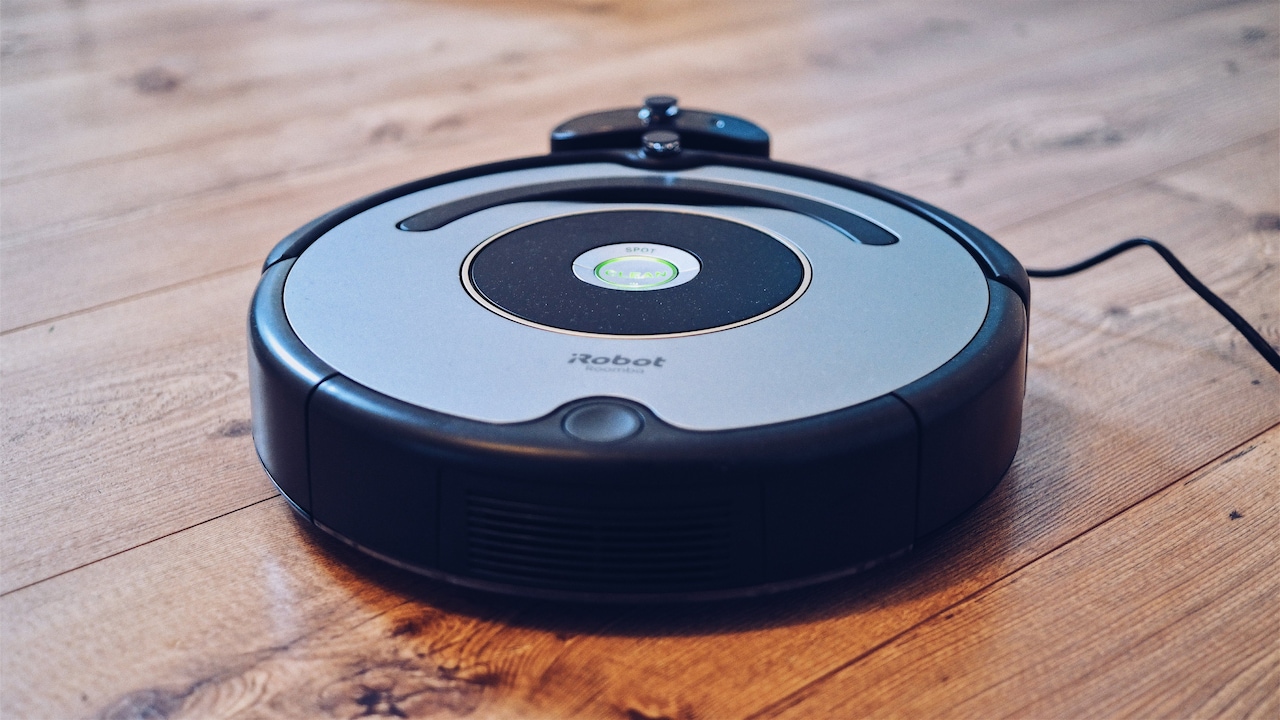
Robot Vacuum Missing Corners? This Is What Mapping Technology Means
Robot vacuums have transformed household cleaning. What once seemed like a futuristic gadget has become a practical helper for busy families, working professionals, and anyone who would rather spend weekends relaxing than chasing dust around the house. Yet one complaint appears again and again. The robot cleans most of the floor but somehow misses a corner, leaves a small patch near a table leg, or circles around a room without reaching every edge. It raises an obvious question: if these machines are smart enough to move around on their own, why do they sometimes struggle with corners? The answer is more interesting than many realise. Robot vacuums do not simply wander around hoping for the best. Modern cleaning models rely on sophisticated mapping technology that helps them understand their surroundings, create virtual floor plans, and plan efficient cleaning routes.
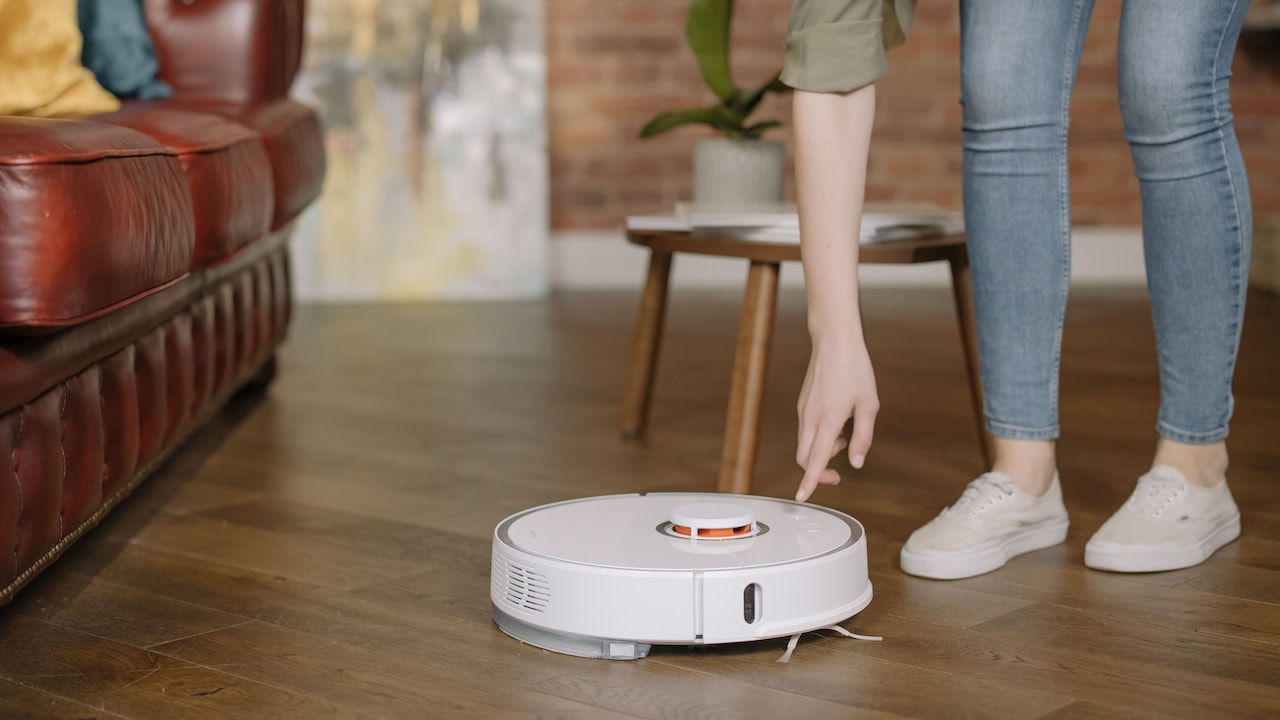
Robot Vacuum Missing Corners? This Is What Mapping Technology Means; Photo Credit: Pexels
The quality of that mapping system often determines whether a robot vacuum behaves like a diligent housekeeper or a confused guest trying to find the exit after a family gathering. Understanding how mapping works can help buyers make better decisions and set realistic expectations about what these devices can achieve.
What Mapping Technology Really Means For Cleaning Performance
What Mapping Technology Actually Does
Mapping technology acts as the robot vacuum's sense of direction. Instead of moving randomly across a room, the machine builds a digital representation of its environment. This map allows the robot to understand where walls, furniture, doorways, and obstacles exist.
Imagine entering a large shopping mall for the first time without a directory. Finding a specific store would take longer because there is no clear picture of the layout. Mapping technology provides a directory for a robot vacuum.
As the machine moves around, sensors gather information about distances, objects, and room dimensions. The vacuum processes this information and creates a structured map. It then uses that map to determine the most efficient cleaning route.
Without accurate mapping, the robot may revisit the same areas repeatedly while missing others entirely. With effective mapping, it cleans methodically and remembers where it has already travelled. The result is faster cleaning, improved coverage, and fewer missed spots throughout the home.
Also Read: Top 5 Robot Vacuum Cleaners Under ₹30,000 With Mopping Feature For Dust-Free Homes
Why Corners Are Naturally Difficult To Clean
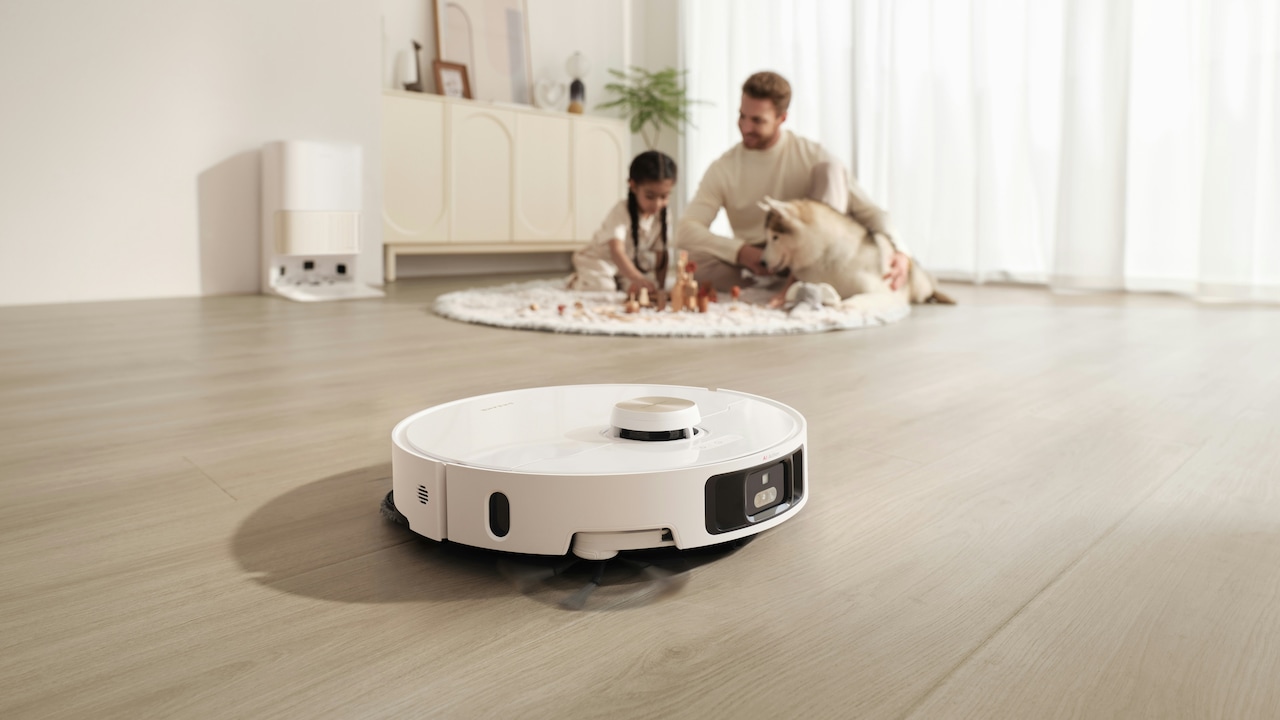
Corners create a unique challenge for robot vacuums because most machines have a circular design. A circle cannot naturally fit into a sharp ninety-degree corner. Even with excellent navigation, the body of the robot physically cannot reach every millimetre of that space.
Manufacturers tackle this issue using rotating side brushes that sweep dust from corners toward the suction path. While these brushes improve performance significantly, they are not always perfect. Dust can settle deep into tight edges, especially when furniture placement limits access.
Think about sweeping a room with a traditional broom. Even a person sometimes needs an extra pass to collect dust trapped in awkward spots. A robot vacuum faces similar limitations.
Mapping technology helps by ensuring the robot approaches corners from the correct angle and revisits areas when necessary. However, mapping alone cannot overcome every physical constraint. Understanding this distinction helps explain why even premium models occasionally leave behind small traces of dust in difficult corners.
Robot Vacuum Missing Corners? This Is What Mapping Technology Means; Photo Credit: Pexels
The Difference Between Random Navigation And Smart Mapping
Earlier robot vacuums often relied on random movement patterns. They bumped into objects, changed direction, and gradually covered the floor through repetition. While this approach eventually cleaned much of the room, efficiency suffered.
Modern mapping systems operate very differently. The robot analyses its surroundings and follows deliberate cleaning paths. Instead of wandering, it moves in organised rows similar to a person mowing a lawn.
The difference becomes noticeable in larger homes. A randomly navigating robot may spend extra time covering the same area several times. A mapped robot focuses on untouched spaces and completes cleaning faster.
This organised behaviour also improves corner coverage. Because the machine understands room boundaries, it can follow walls more accurately and direct side brushes where they are needed most.
Many households upgrading from older models notice that cleaning feels more thorough. The robot appears calmer, more confident, and less likely to get trapped in strange loops around furniture. That improvement often stems from better mapping rather than stronger suction alone.
How Laser Mapping Improves Accuracy
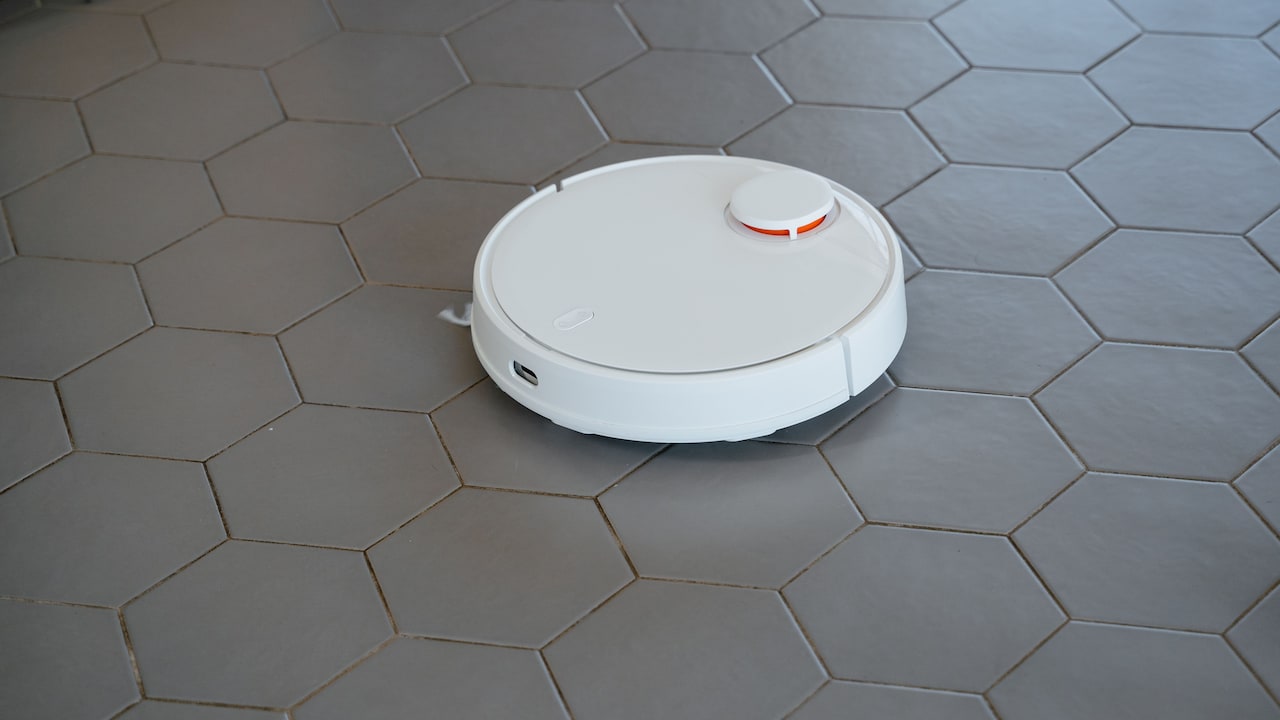
Laser-based navigation, often known as LiDAR mapping, has become one of the most respected technologies in robot vacuum design. A small laser scanner measures distances throughout the room and creates highly detailed maps.
The process happens surprisingly quickly. Within minutes, the robot can understand room dimensions, identify obstacles, and establish efficient cleaning routes. Because lasers do not depend heavily on lighting conditions, performance remains consistent during the day or at night.
Consider a home where cleaning begins after dinner. A camera-based system may struggle slightly in dim conditions, while a laser-based system maintains accuracy.
Laser mapping also supports advanced features such as room-specific cleaning, virtual boundaries, and multi-floor map storage. If a family lives in a duplex apartment purchased for ₹75 lakh or more, these capabilities can significantly improve convenience.
The precision offered by laser mapping often reduces missed areas because the robot develops a clearer understanding of room edges and obstacle locations. Although corners still present physical challenges, navigation becomes far more reliable.
The Role Of Cameras In Modern Mapping
Many robot vacuums use cameras to enhance navigation. These systems interpret visual information much like a person observing a room. The robot identifies landmarks, furniture, and pathways while building its internal map.
Camera-based navigation offers several advantages. It can recognise specific objects, avoid clutter more intelligently, and adapt to changing environments. Shoes left near the entrance or a forgotten toy on the floor become easier to detect.
However, cameras depend on visibility. Poor lighting can reduce effectiveness, especially in darker rooms. Manufacturers continue improving image processing to minimise these limitations.
For many households, camera-assisted mapping creates a more personalised cleaning experience. The robot develops a better understanding of the home and reacts to obstacles with greater awareness.
When combined with other sensors, cameras contribute to accurate room mapping and improved coverage. They help the robot identify edges and navigate around obstacles that might otherwise interfere with cleaning performance. The result is a smoother operation that feels noticeably smarter than older navigation systems.
Robot Vacuum Missing Corners? This Is What Mapping Technology Means; Photo Credit: Pexels
Why Furniture Placement Matters More Than You Think
Even the best mapping technology depends on physical access. Furniture arrangement plays a major role in determining how effectively a robot vacuum can clean corners and edges.
A narrow gap between a sofa and a wall may appear insignificant to a person, but it can completely block a robot's path. Similarly, decorative items placed close to room boundaries can create navigation challenges.
Many people assume the robot is malfunctioning when a missed area appears. In reality, the machine may simply lack enough space to reach that location safely.
Mapping technology helps identify accessible routes and avoid collisions, but it cannot magically shrink the robot's size. Homes with open layouts generally allow better cleaning coverage than heavily crowded spaces.
A simple adjustment, such as moving a side table by a few centimetres, can improve access dramatically. Small changes often lead to surprisingly noticeable improvements in cleaning performance. Sometimes the solution is not a smarter robot but a slightly friendlier environment for it to navigate.
Understanding Virtual Boundaries And No-Go Zones
One of the biggest advantages of advanced mapping systems is the ability to create virtual boundaries. These digital barriers tell the robot where it should and should not travel.
This feature proves useful in many situations. Pet feeding areas, delicate decorations, charging cables, and children's play spaces can remain untouched without requiring physical barriers.
The robot remembers these instructions because the mapping system stores them within the floor plan. Future cleaning sessions follow the same rules automatically.
Virtual boundaries also improve efficiency. Instead of repeatedly entering problematic areas, the robot focuses on accessible spaces where cleaning can be completed successfully.
Many users initially believe these restrictions reduce coverage. In practice, they often improve overall performance by preventing interruptions and navigation errors.
When combined with accurate room maps, virtual boundaries transform the robot from a simple cleaning gadget into a highly customisable household assistant that adapts to individual needs and preferences.
Why Mapping Gets Better Over Time
A common misconception suggests that mapping happens only once. In reality, many advanced robot vacuums continuously refine their understanding of a home.
Each cleaning session provides new information. The robot learns about obstacles, furniture positions, and movement patterns within the environment. As data accumulates, navigation often becomes more efficient.
This improvement resembles learning a daily commute. The first journey may involve hesitation and wrong turns. After repeated trips, the route feels natural and predictable.
The same principle applies to robot vacuums. Early cleaning sessions may involve minor navigation errors. Over time, the machine develops a more accurate representation of the home.
Users frequently notice fewer missed areas after several cleaning cycles. The robot appears more confident because its internal map has matured through repeated experience.
This learning process explains why patience can be important during the first few weeks of ownership. Mapping technology often delivers its best performance after it has gathered enough environmental data.
Does Better Mapping Mean Perfect Cleaning?
Advanced mapping technology significantly improves cleaning performance, but perfection remains an unrealistic expectation. Every home contains unique challenges that influence results.
Complex furniture layouts, uneven flooring, narrow gaps, and constantly changing obstacles create situations that even sophisticated robots must navigate carefully. A chair moved unexpectedly or a pile of shopping bags left near the doorway can alter the cleaning experience.
Better mapping reduces these challenges by helping the robot make smarter decisions. It improves efficiency, minimises missed areas, and creates more predictable cleaning patterns. However, it cannot eliminate every limitation.
Expecting flawless corner cleaning every single time may lead to disappointment. Expecting consistent, reliable maintenance cleaning across most of the home represents a more practical perspective.
Viewed through that lens, mapping technology becomes easier to appreciate. Its purpose is not to create a perfect machine but to help a robot clean intelligently and efficiently while reducing the effort required from household members.
Products Related To This Article
1. ECOVACS DEEBOT N30 White 2-in-1 Robot Vacuum Cleaner & Mop
2. DREAME L10 Prime Robot Vacuum and Mop
3. ILIFE V20 Robot Vacuum Cleaner with SoF Laser Navigation
4. ILIFE A30 Pro Robotic Vacuum Cleaner with Self-Empty Station
5. Mova E40 Ultra Robot Vacuum Cleaner with Mop Function & Auto Empty
6. Eureka Forbes SmartClean Auto Bin Turbo
7. ILIFE T20s Ultra Robot Vacuum Cleaner with LiDAR Navigation
When a robot vacuum misses a corner, the issue is not always poor performance. More often, it reflects the realities of navigation, design, and physical access. Mapping technology serves as the brain behind modern robot vacuums, allowing them to understand room layouts, plan efficient routes, and clean with impressive precision.
From laser scanners to camera-based systems, mapping technology has transformed robot vacuums from wandering gadgets into capable household assistants. It helps them remember rooms, avoid obstacles, follow walls, and make smarter cleaning decisions.
While no system guarantees perfect corner coverage, advanced mapping dramatically improves overall results. The next time a robot vacuum leaves a tiny patch of dust behind, it may be worth considering what the machine accomplished rather than focusing solely on what it missed. After all, understanding the map often reveals far more than the missed corner.
(Disclaimer: This article may include references to or features of products and services made available through affiliate marketing campaigns. NDTV Convergence Limited (“NDTV”) strives to maintain editorial independence while participating in such campaigns. NDTV does not assume responsibility for the performance or claims of any featured products or services.)