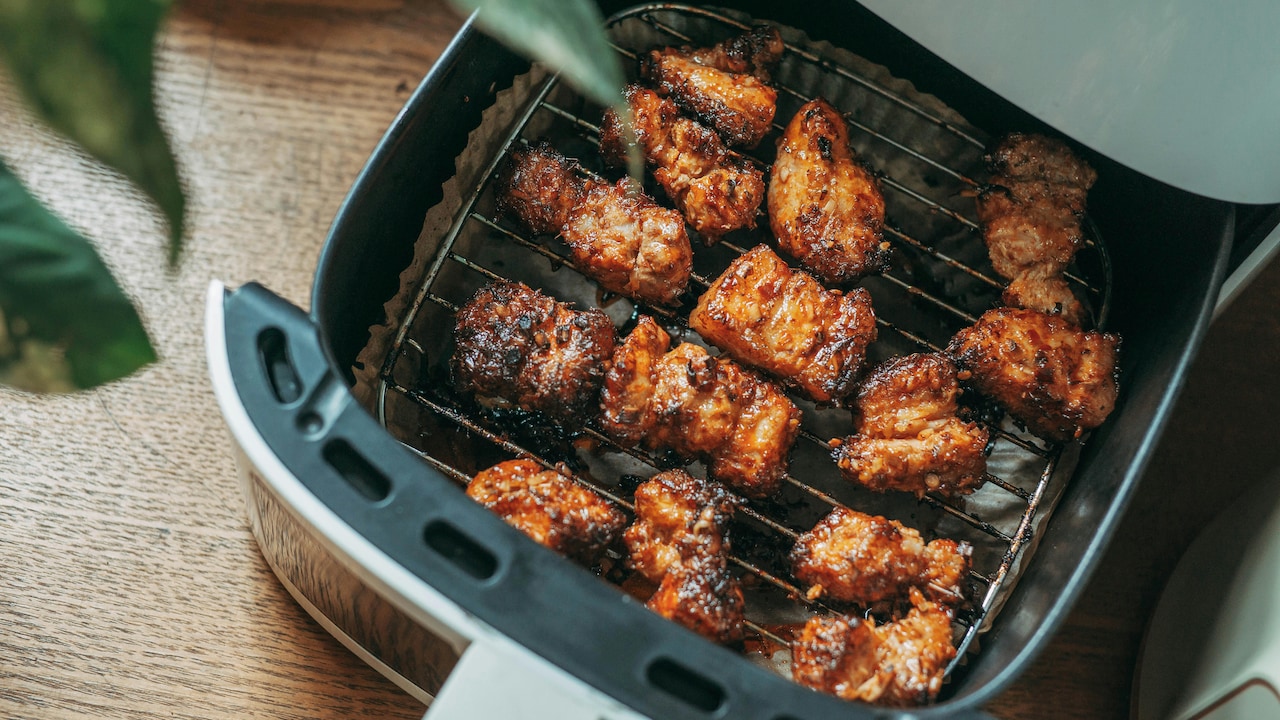
Air Fryer Food Turning Dry Instead Of Crispy? This Is What Usually Goes Wrong
Air fryer meals turning dry instead of crispy? Common mistakes such as overcrowding, high temperatures, and overcooking could be ruining your results without you realising it.
Air Fryer Food Turning Dry Instead Of Crispy? This Is What Goes Wrong
The air fryer has earned a permanent spot on countless kitchen counters. It promises crisp snacks, quick meals, and less oil without sacrificing flavour. On busy evenings, it often feels like the culinary equivalent of a dependable friend. Pop something into the basket, press a few buttons, and dinner appears in record time. Yet reality does not always match expectations. Many people open the basket hoping for crunchy perfection, only to discover dry paneer, shrivelled vegetables, or chicken that resembles something left in the sun too long. The disappointment feels even sharper when the recipe looks flawless online.

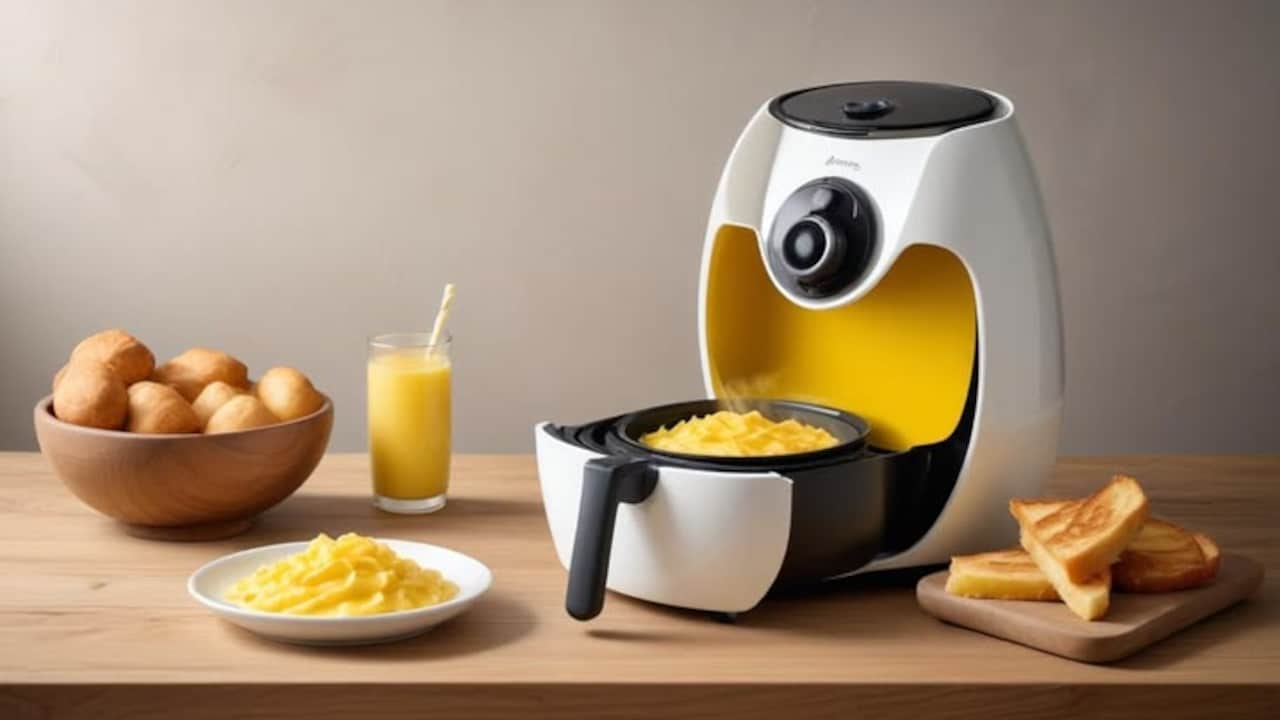
Air Fryer Food Turning Dry Instead Of Crispy? This Is What Goes Wrong; Photo Credit: Pexels
The truth is that air fryers are remarkably simple machines, but they demand a slightly different approach than conventional cooking methods. A handful of common habits often stand between dry food and perfectly crisp results. Once these habits change, the difference can be surprisingly dramatic.
Why Your Air Fryer Food Ends Up Dry Instead Of Crispy
Not Using Enough Oil
One of the biggest misconceptions about air fryers is that they require no oil at all. While they use far less than deep frying, eliminating oil can leave food dry and unappealing.
A light coating of oil helps create the golden exterior that most people expect. Without it, moisture escapes rapidly during cooking. Instead of a crisp shell, food develops a dull, leathery texture. Vegetables often suffer the most. Potatoes, cauliflower, and even okra can lose their natural appeal when cooked without any oil.
The solution is refreshingly simple. A teaspoon or two of oil spread evenly across ingredients often works wonders. There is no need to drench food or undo the health benefits. The goal is merely to encourage browning and lock in moisture.
Think of oil as a supporting actor rather than the star of the show. It quietly helps everything perform better. A small amount can mean the difference between crunchy potato wedges and something that tastes like a forgotten science experiment.
Also Read: Best 5 Morphy Richards Air Fryers In India With Price 2026
Overcrowding The Basket
The temptation to cook everything at once is understandable. Nobody enjoys waiting through multiple batches when hungry family members keep asking how much longer dinner will take.
Unfortunately, overcrowding is one of the quickest ways to ruin texture. Air fryers rely on hot air circulating food. When ingredients pile on top of one another, that airflow disappears. Instead of crisping, food steams.
Many people notice this with frozen snacks. The top layer may appear cooked, while the pieces underneath remain soft and soggy. To compensate, cooking time gets extended, which often dries out the exposed pieces.
Cooking in smaller batches may feel inconvenient, but it delivers significantly better results. Every piece gets equal exposure to heat, creating consistent browning and crunch.
Consider it similar to trying to dry clothes on a crowded clothesline during monsoon season. If everything is packed tightly together, nothing dries properly. Food behaves in much the same way inside an air fryer basket.
Setting The Temperature Too High
Higher heat does not always mean better food. In fact, excessive temperatures often create the exact problem many people are trying to avoid.
When heat becomes too intense, the outer layer cooks rapidly while the inside struggles to keep up. The surface loses moisture long before the centre reaches the ideal texture. Chicken can become tough. Fish can turn flaky in all the wrong ways. Vegetables may look beautifully browned but taste surprisingly dry.
Many recipes call for temperatures between 180°C and 200°C. Yet not every ingredient thrives at the upper end of that range. Delicate foods frequently benefit from gentler cooking.
Patience plays an important role here. A slightly lower temperature with a few extra minutes often produces superior results. The food cooks more evenly, retains moisture, and develops a satisfying crunch without becoming brittle.
The sight of sizzling food can encourage a rush towards maximum heat settings. However, successful air frying often rewards restraint rather than speed.
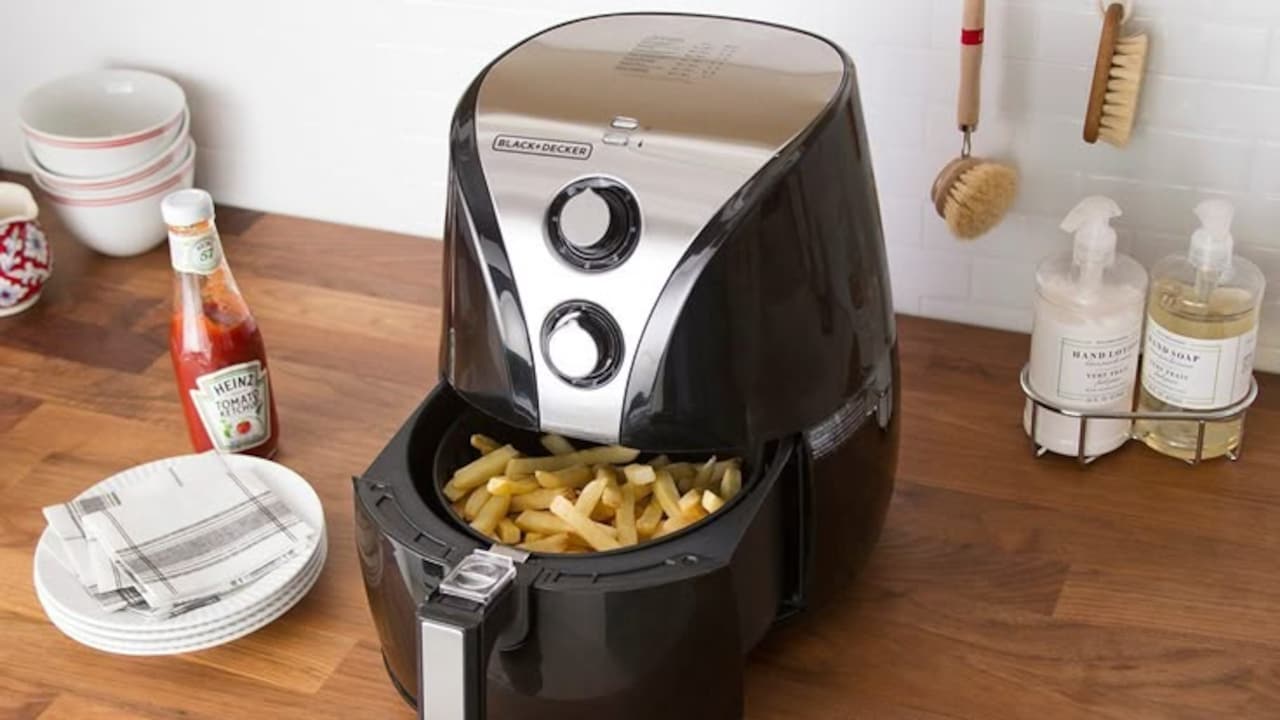
Air Fryer Food Turning Dry Instead Of Crispy? This Is What Goes Wrong; Photo Credit: Pexels
Cooking Food For Too Long
Air fryers work faster than traditional ovens. This advantage becomes a disadvantage when cooking times are treated exactly the same.
Many people set a timer based on oven instructions and walk away. By the time they return, the food has crossed the line from crisp to dry. The compact cooking chamber accelerates heat transfer, making overcooking surprisingly easy.
Even a few extra minutes can have a noticeable effect. Chicken breast may lose juiciness. Paneer cubes can become rubbery. Breaded foods often darken beyond the point of pleasant crunch.
Checking progress midway through cooking helps avoid disappointment. Most air fryer recipes benefit from regular monitoring rather than blind trust in a timer.
A useful habit involves treating recommended cooking times as guidelines rather than strict rules. Factors such as food size, basket capacity, and appliance model can all influence results.
Successful air frying resembles keeping an eye on tea brewing. Leave it unattended for too long, and the flavour changes dramatically.
Skipping The Preheating Step
Preheating often feels unnecessary, especially on busy days. After all, the appliance heats up quickly. Surely those few extra minutes cannot matter that much.
In reality, they matter more than many realise.
Starting with a cold air fryer means food spends extra time slowly warming up. During that period, moisture begins escaping before the crisping process starts. The result can be dryness without the desired crunch.
Preheating creates an immediate burst of heat when food enters the basket. That quick reaction helps seal the exterior and encourages even cooking. Frozen snacks particularly benefit from this approach.
Many newer models include preheat settings, making the process effortless. Even appliances without dedicated functions usually need only a few minutes to reach temperature.
The difference may seem subtle at first, but side-by-side comparisons reveal noticeable improvements. Crispy exteriors develop more reliably, while interiors remain tender.
It is a small step that often delivers results far beyond the effort required.
Ignoring Food Size And Thickness
Uniformity matters more than many people expect. When ingredients vary dramatically in size, cooking becomes uneven.
Imagine a basket containing tiny potato cubes alongside large chunks. The smaller pieces finish first and continue cooking while the larger ones catch up. By the time everything appears ready, some pieces have become excessively dry.
The same issue affects chicken, vegetables, and even homemade snacks. Consistent sizing allows heat to reach ingredients at a similar rate.
Preparation may take a few extra minutes, but those minutes pay off later. Even cooking improves flavour, texture, and appearance. It also reduces the temptation to extend cooking times unnecessarily.
Professional kitchens place considerable emphasis on uniform cuts for good reason. Consistency creates predictability.
A plate filled with evenly cooked food looks more appetising and tastes better. Nobody enjoys discovering that half the potatoes are perfectly crisp while the other half resemble crunchy pebbles.
Forgetting To Shake Or Turn The Food
One of the most overlooked air fryer habits involves movement. Food does not automatically crisp evenly on all sides simply because hot air circulates it.
Items resting against the basket receive different heat exposure compared with exposed surfaces. Without shaking or turning, uneven cooking becomes almost inevitable.
This issue commonly appears with fries, nuggets, vegetables, and bite-sized snacks. One side develops a beautiful golden colour while the opposite side remains pale and soft.
Shaking the basket halfway through cooking redistributes ingredients and improves airflow. Larger foods benefit from being flipped during the process.
The effort takes only a few seconds but can dramatically improve texture. It also reduces the likelihood of certain areas becoming excessively dry while others remain undercooked.
Think of it as giving food a chance to enjoy equal time in the spotlight. Every side deserves an opportunity to crisp properly.
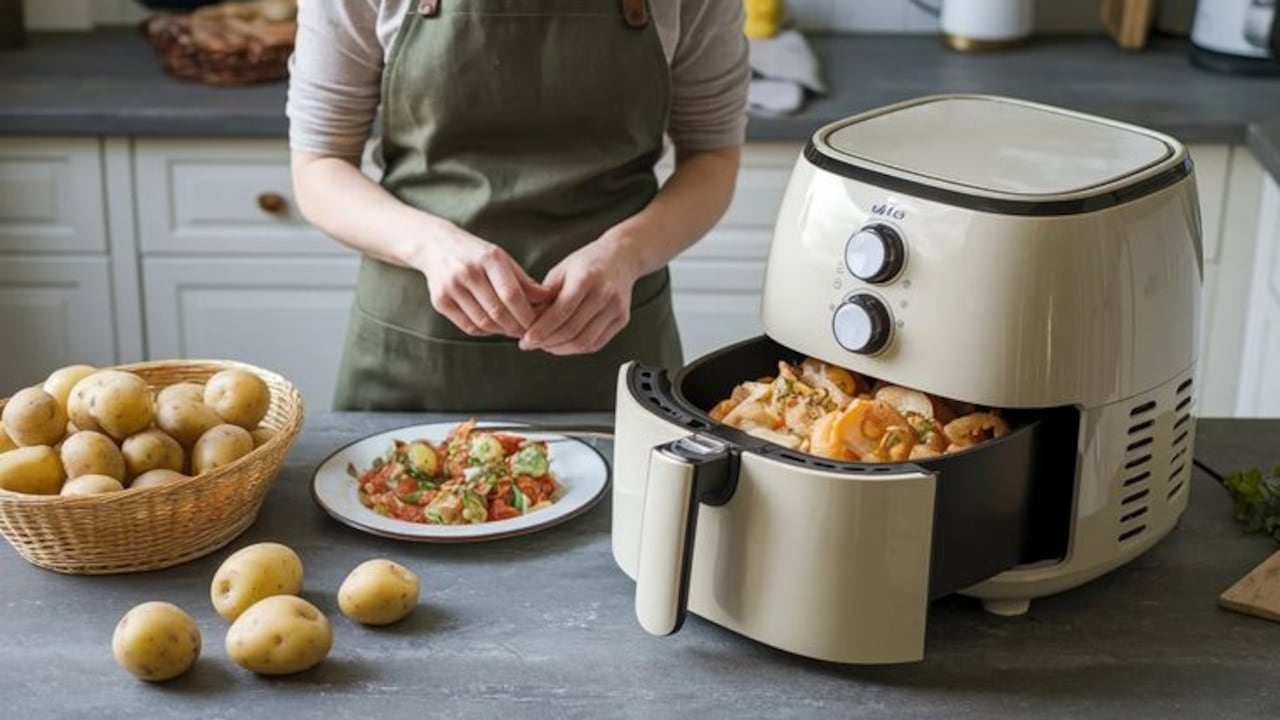
Air Fryer Food Turning Dry Instead Of Crispy? This Is What Goes Wrong; Photo Credit: Pexels
Using The Wrong Type Of Food Coating
Coatings influence texture more than many people realise. A batter designed for deep frying does not always perform well inside an air fryer.
Traditional wet batters often drip away before setting. Instead of forming a crunchy shell, they create a messy finish and uneven texture. The food underneath may lose moisture while waiting for the coating to cook.
Dry coatings such as breadcrumbs, crushed cornflakes, or seasoned flour generally produce better results. They crisp more effectively and help retain moisture inside.
Lightly spraying coated food with oil can further enhance browning. The result resembles the satisfying crunch associated with deep-fried dishes without excessive oil usage.
Many home cooks discover this lesson after an enthusiastic attempt at recreating favourite takeaway treats. Expectations run high, but the coating behaves unpredictably.
Choosing air fryer-friendly coatings dramatically improves consistency and delivers the crisp texture everyone hopes to achieve.
Not Accounting For Food Moisture Levels
Different ingredients contain different amounts of water. Ignoring this reality often leads to disappointing results.
Vegetables such as courgettes, mushrooms, and tomatoes release significant moisture during cooking. If excess water remains on their surface before cooking, crisping becomes difficult. The appliance spends valuable time evaporating moisture rather than creating texture.
Patting ingredients dry before seasoning can make a surprising difference. Frozen foods may also benefit from removing excess ice crystals.
At the opposite extreme, naturally lean foods can dry out quickly because they contain less fat and moisture. Careful temperature control becomes particularly important in these cases.
Understanding moisture content helps explain why two seemingly similar recipes can produce very different outcomes. Successful cooking often depends on managing water levels as much as managing heat.
A few minutes spent preparing ingredients properly can save an entire meal from mediocrity.
Neglecting Regular Air Fryer Maintenance
A neglected air fryer rarely performs at its best. Over time, grease, crumbs, and residue accumulate inside the basket and cooking chamber.
This buildup restricts airflow and affects heat distribution. Food may cook unevenly, forcing longer cooking times that increase the risk of dryness. Unpleasant odours can also develop, influencing flavour.
Regular cleaning keeps the appliance working efficiently. Washing removable components after use prevents residue from hardening and becoming difficult to remove later.
Maintenance also improves safety and extends the appliance's lifespan. Considering that many households invest several thousand rupees in a quality air fryer, protecting that investment makes practical sense.
Cleaning may not be the most exciting kitchen activity, but it contributes directly to better cooking results. Crisp food begins with an appliance that can perform as intended.
A clean basket allows hot air to circulate freely, giving every ingredient the best possible chance to shine.
Products Related To This Article
1. Milton Rapid Digital Air Fryer 4.2L
2. Philips Air Fryer Oven 7.2L with See-Through Window
3. NUUK BRĪSK 6.5L 100% Toxin-Free Ceramic Air Fryer
4. Ninja Air Fryer MAX PRO 6.2L (AF180IN) 2000W Max Crisp Technology Variable Air Flow PFOA
5. Pigeon by Stovekraft Healthifry 5.4L Digital Air Fryer
6. COSORI Air Fryer 5 QT (4.7 Litre) Black, 1500W Fast Cooking 9 Preset Menu
7. Cookwell Air Fryer - 5L With See-Through Window
Dry air fryer food rarely results from a faulty appliance. More often, a few small mistakes quietly sabotage the cooking process. Too little oil, overcrowded baskets, excessive temperatures, uneven ingredient sizes, and skipped preheating all contribute to disappointing results.
Fortunately, each issue has a straightforward solution. Small adjustments can transform texture, improve flavour, and restore confidence in every meal. The air fryer remains one of the most useful kitchen tools available, but like any tool, success depends on understanding how it works.
The next time a batch of fries, vegetables, or chicken emerges looking less than perfect, resist the urge to blame the appliance. A closer look at the cooking process may reveal the real culprit. With a few simple tweaks, dry food can become wonderfully crisp, golden, and genuinely satisfying.
(Disclaimer: This article may include references to or features of products and services made available through affiliate marketing campaigns. NDTV Convergence Limited (“NDTV”) strives to maintain editorial independence while participating in such campaigns. NDTV does not assume responsibility for the performance or claims of any featured products or services.)