Steel Or Electric Idli Steamer: Pros, Cons And How To Choose The Right One
Steel or electric idli steamer, both promise soft, fluffy idlis, but which suits your kitchen better? From taste and convenience to cost and capacity, this guide breaks down what really matters before choosing one. We also list the top picks from Cookwell, Vinod to Pigeon.
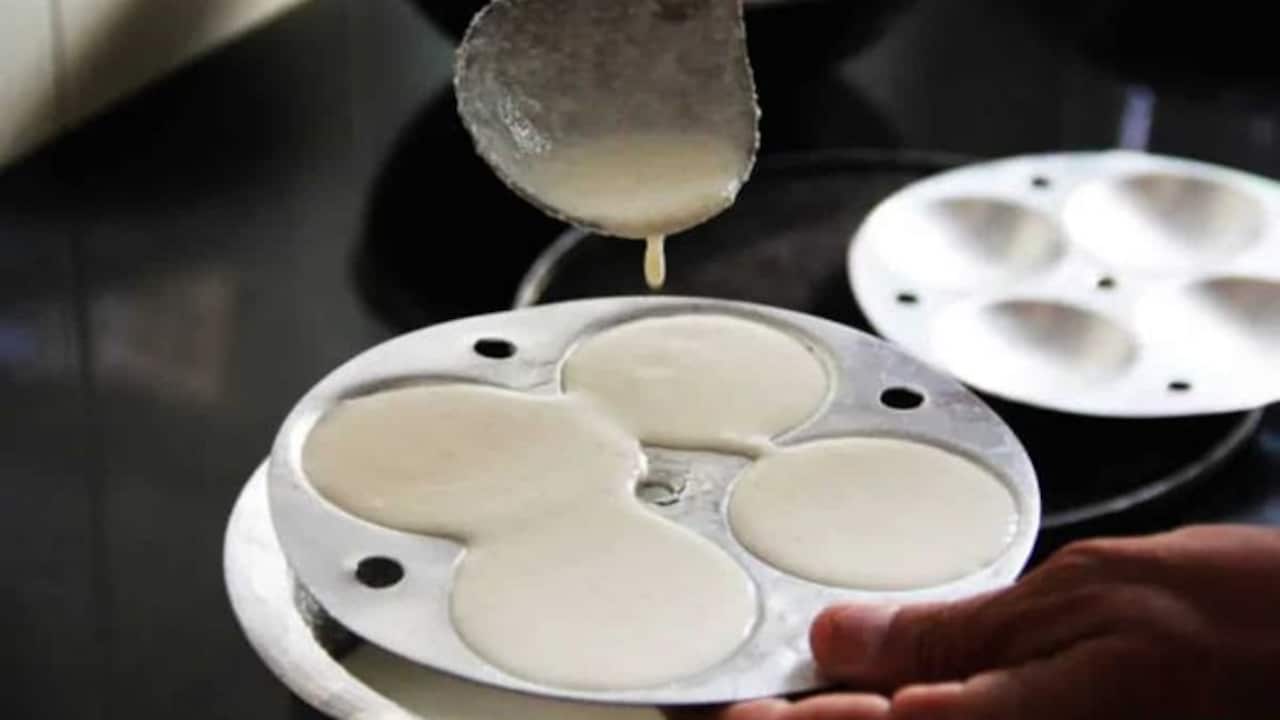
Steel vs Electric Idli Steamers: Which One Belongs in Your Kitchen? Vinod to Pigeon, Check Top Picks.
Idlis hold a special place on breakfast tables across the country. They signal comfort, routine and a sense of home. The gentle hiss of steam, the familiar aroma and the first bite dipped in coconut chutney form a ritual many households cherish. Traditionally, steel idli steamers ruled kitchens, passed down through generations like trusted companions. In recent years, electric idli steamers have entered the scene, promising convenience, speed and modern flair. Choosing between steel and electric steamers now feels like choosing between tradition and technology. The right choice often depends on lifestyle, family size, cooking habits and even kitchen space.
This guide breaks down the differences between steel and electric idli steamer in a clear, relatable way. From taste and texture to cost, maintenance and daily use, every angle receives attention. Whether setting up a new kitchen or replacing an old ildi steamer, this comparison helps make an informed, confident decision. Also, check the top picks from Cookwell, Vinod to Pigeon.
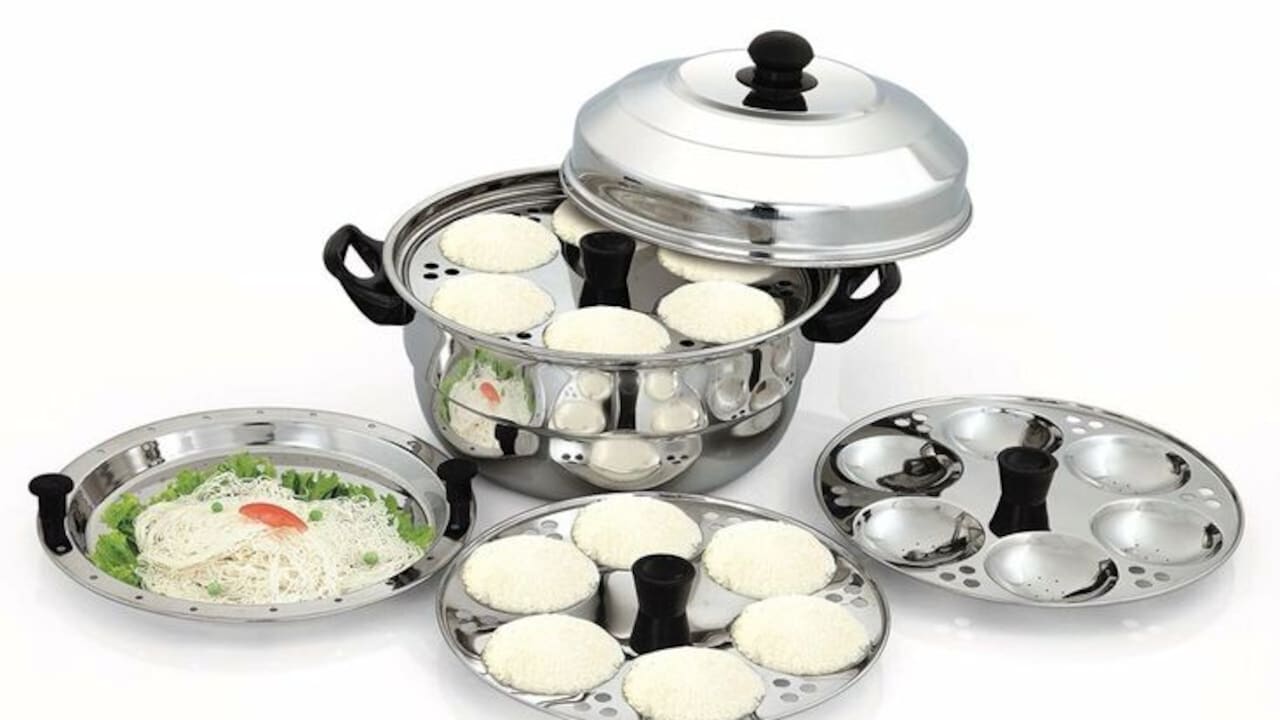
Steel vs Electric Idli Steamers: Which One Belongs in Your Kitchen?; Photo Credit: Pexels
What Really Sets Steel and Electric Idli Steamers Apart
1. The Emotional Pull of Tradition vs Modern Comfort
Steel idli steamers often carry stories. Many households remember watching elders lift heavy lids, releasing clouds of steam that fogged spectacles and filled kitchens with warmth. That familiarity brings comfort and trust. Steel feels dependable, rooted and reassuring, like a well-worn recipe book.
Electric idli steamers appeal to a different emotion. They symbolise progress, ease and time saved. For working families or those juggling packed mornings, pressing a button feels liberating. No need to watch the flame or worry about water levels every few minutes. The steamer quietly does its job while other tasks continue.
Both experiences matter. Some enjoy the tactile nature of cooking, the clatter of vessels and the rhythm of traditional methods. Others prefer calm mornings with fewer steps and less mess. Kitchens reflect lifestyles, and the steamer choice often mirrors how mornings unfold. Emotion plays a bigger role here than many admit, quietly guiding the final decision.
2. Taste and Texture: Does the Steamer Matter?
Ask any idli lover about texture, and opinions flow freely. Steel steamers, used on gas stoves, create strong, consistent steam. Many believe this results in softer idlis with a slight bounce. The slow build-up of heat allows the batter to rise evenly, creating that familiar spongy feel.
Electric steamers aim to replicate this environment. Modern models manage temperature well, producing steady steam without much intervention. For most palates, the difference feels minimal. Idlis emerge fluffy, well-cooked and ready to serve. Yet purists sometimes claim steel delivers better results, especially for larger batches.
Truth sits somewhere in between. Batter quality, fermentation and timing influence texture far more than the steamer itself. A well-fermented batter steams beautifully in both. For everyday breakfasts, electric steamers perform admirably. For festive spreads or family gatherings, some still trust steel for its capacity and traditional feel. Taste preferences remain deeply personal and shaped by habit.
Also Read: Lifelong To Tosaa, 5 Best Idli Makers Under ₹1000 For Families Of 2-To-4 People
3. Convenience in Daily Cooking
Mornings often feel rushed. Steel steamers require preparation: filling water, lighting the stove, monitoring heat and switching off at the right time. While none of this feels difficult, it demands attention. Multitasking becomes tricky, especially when children, work calls or errands compete for focus.
Electric idli steamers shine here. Add water, load plates, press a button and step away. Many models switch off automatically, preventing overcooking. This suits busy schedules and reduces stress. Some even come with timers and indicators, adding to the ease.
However, convenience comes with trade-offs. Electric steamers need a power socket and occupy counter space. Steel steamers store easily and work during power cuts, a reality many areas still face. Convenience depends on context. For fast-paced households, electric models save precious minutes. For others, the hands-on process of steel fits comfortably into their daily rhythm.
4. Capacity and Family Size
Steel idli steamers traditionally offer generous capacity. Large vessels with multiple plates handle big batches with ease. This suits joint families, weekend breakfasts and festive mornings when neighbours or relatives drop by. Cooking several rounds feels manageable with gas stoves providing continuous heat.
Electric steamers usually come with a fixed capacity. While adequate for small to medium families, they may struggle during gatherings. Cooking multiple batches takes longer, as the unit often needs cooling time between cycles. Some advanced models offer higher capacity, but prices climb accordingly.
Family size plays a key role here. A couple or small family may find electric steamers perfectly sufficient. Larger households may prefer steel for its flexibility and volume. Capacity affects not just quantity but also mood. Nobody enjoys waiting endlessly for the next batch while chutney sits ready. Choosing wisely avoids such breakfast blues.
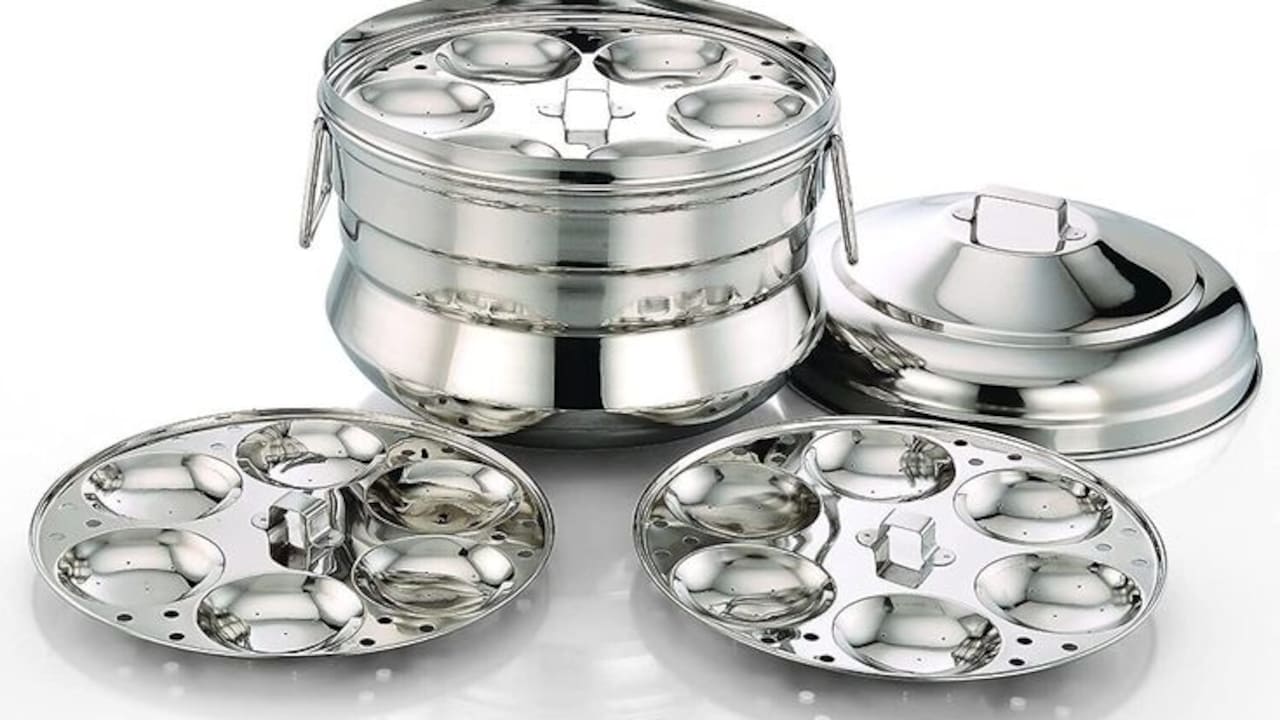
Steel vs Electric Idli Steamers: Which One Belongs in Your Kitchen?; Photo Credit: Pexels
5. Cost, Budget and Long-Term Value
Steel idli steamers score high on affordability. Basic models start at reasonable prices and last for years. With minimal parts, repairs rarely arise. Even after decades, many steel steamers continue to perform reliably with little more than a good scrub.
Electric steamers require a higher initial investment. Prices vary based on brand, features and capacity. Over time, electrical components may need servicing or replacement. Power consumption adds a small but ongoing cost, though modern models aim for efficiency.
Budget-conscious buyers often lean towards steel for its long-term value. Those willing to spend more for convenience and features may choose electric. Both options offer value in different ways. Steel delivers durability and simplicity. Electric offers time savings and ease. Evaluating cost involves not just price tags but how often the steamer gets used and how much convenience matters day to day.
6. Maintenance and Cleaning
Steel steamers keep things simple. A thorough wash with dish soap removes residue easily. Occasional descaling keeps the vessel shining. Scratches and dents rarely affect performance. Even rough handling rarely shortens lifespan.
Electric steamers need more care. Water chambers require regular cleaning to prevent scale build-up. Electrical parts demand caution during washing. Some models include dishwasher-safe components, easing the process. Others need careful hand washing.
Maintenance habits influence satisfaction. Those who prefer fuss-free cleaning often favour steel. Electric models reward attentive care with reliable performance. Ignoring maintenance may lead to reduced efficiency or faults. Both require responsibility, but steel forgives neglect more readily. Choosing depends on the willingness to commit to regular upkeep.
7. Space, Storage and Kitchen Layout
Kitchen space matters more than ever. Steel steamers disassemble easily and stack inside cupboards. When not in use, they stay out of sight. Their simple shape adapts well to storage shelves.
Electric steamers occupy permanent counter space for many households. Power cords, water tanks and control panels limit storage flexibility. Smaller kitchens may feel cramped with additional appliances. However, sleek designs now blend well with modern interiors, adding visual appeal.
Layout influences comfort. Those with spacious counters may enjoy keeping an electric steamer ready for use. Compact kitchens benefit from collapsible steel options. Storage convenience often decides which steamer feels less intrusive. A clutter-free kitchen contributes to calmer cooking, making this factor worth serious thought.
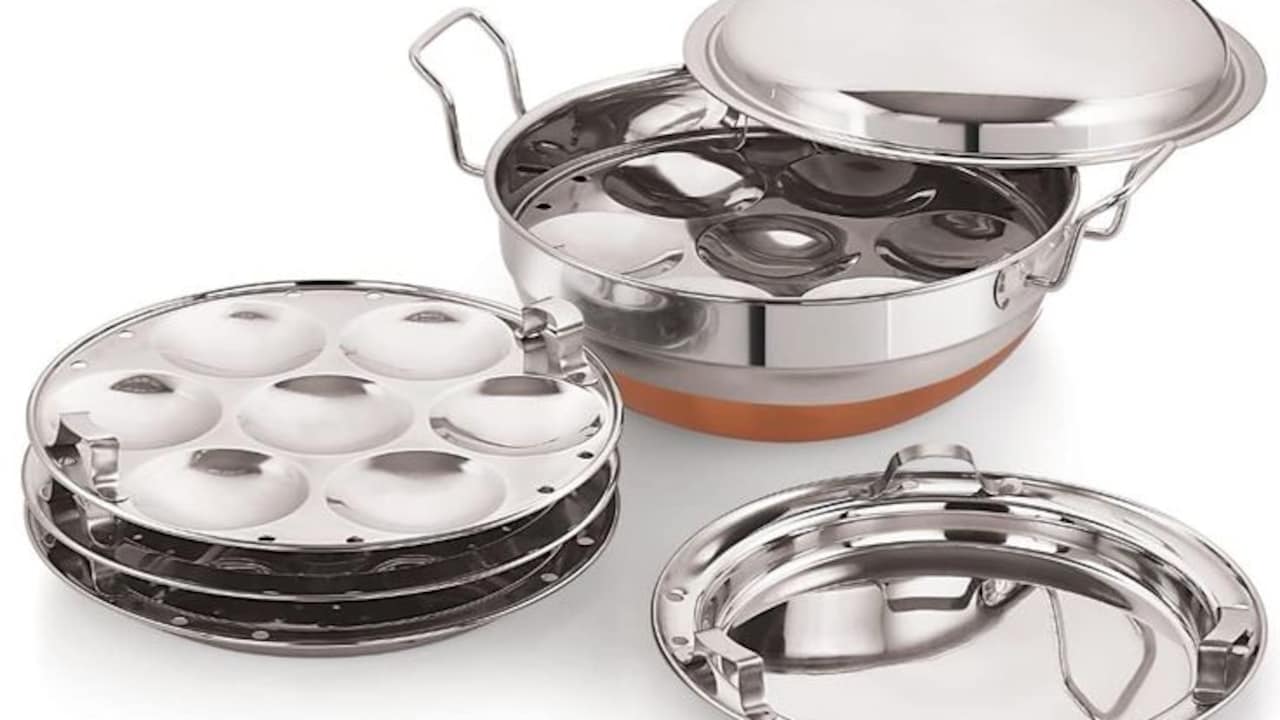
Steel vs Electric Idli Steamers: Which One Belongs in Your Kitchen?; Photo Credit: Pexels
8. Safety and Control
Steel steamers rely on stove control. Managing flame size ensures proper steaming. Experienced cooks handle this with ease, though beginners may occasionally overcook or undercook batches. Steam burns remain a risk if lids open carelessly.
Electric steamers focus on safety features. Auto shut-off, insulated handles and controlled steam release reduce hazards. This suits households with elderly members or young helpers in the kitchen. Reduced exposure to open flames adds peace of mind.
However, reliance on electricity introduces new concerns. Faulty wiring or power surges may cause issues if not handled carefully. Using branded products and proper sockets mitigates risks. Both options remain safe when used correctly. Comfort level with technology and cooking experience often guides preference here.
9. Versatility Beyond Idlis
Steel steamers offer impressive versatility. Beyond idlis, they handle dhoklas, modaks, vegetables, and even reheating rice. Their large size accommodates different containers, expanding use beyond breakfast.
Electric steamers also support multi-purpose cooking. Many models include trays for momos, vegetables or sweets. Some double as rice cookers or warmers. However, space constraints limit container size and variety.
Versatility adds value. Those who enjoy experimenting may appreciate steel's flexibility. Electric models suit those who prefer defined functions and guided cooking. Both support creative cooking, but steel offers fewer restrictions. Considering cooking habits beyond idlis helps determine which steamer earns more use throughout the week.
10. Lifestyle, Habits and Final Fit
Ultimately, the right steamer aligns with daily life. Steel suits those who enjoy traditional cooking, value durability and cook for larger groups. It fits homes where gas stoves anchor routines and time allows hands-on preparation.
Electric steamers fit fast-paced lifestyles. They serve busy professionals, small families and those who prioritise ease. Minimal supervision frees mornings for other tasks. Modern kitchens often embrace such appliances as helpers rather than centrepieces.
Neither option claims superiority. Each answers different needs. Kitchens reflect personalities, habits and priorities. Choosing a steamer feels less about features and more about fit. When the steamer complements lifestyle, breakfast flows smoothly and idlis taste just right.
Products Related To This Article
1. QSEC All-in-One Stainless Steel Multi 3 in 1 Kadai Cooker Steamer
2. Pigeon By Stovekraft 1.5 Liters Multipurpose Kessel 3 In 1 Value Pack
3. Solaris Kitchenware's Aluminium Idli Pot
4. InstaCuppa 3-in-1 Multi Cook Kettle with Steamer
5. Vinod 2 Tier Stainless Steel Idli Steamer for Kitchen with Glass Lid
6. Cookwell Multipurpose Cook Kettle With 1.5L Nonstick Inner Pot
7. Amazon Brand Solimo - Stainless Steel 2 Tier
Steel and electric idli steamers both hold strong positions in today's kitchens. Steel represents heritage, reliability and adaptability. Electric models bring convenience, safety and modern appeal. The decision rests on personal rhythm, family size, space and comfort with technology.
Perfect idlis come from good batter, patience and a steamer that feels right at home. Whether steam rises from a steel vessel on the stove or hums quietly inside an electric unit, the joy remains the same. Warm idlis, shared at the table, continue to bring comfort, one bite at a time.
(Disclaimer: This article may include references to or features of products and services made available through affiliate marketing campaigns. NDTV Convergence Limited (“NDTV”) strives to maintain editorial independence while participating in such campaigns. NDTV does not assume responsibility for the performance or claims of any featured products or services.)