Induction Cooktops Burning Food? How To Use Them Right
Struggling with burnt food on an induction cooktop? It is not the appliance, it is the technique. Learn simple fixes to control heat, timing and cookware for perfectly cooked meals every time.
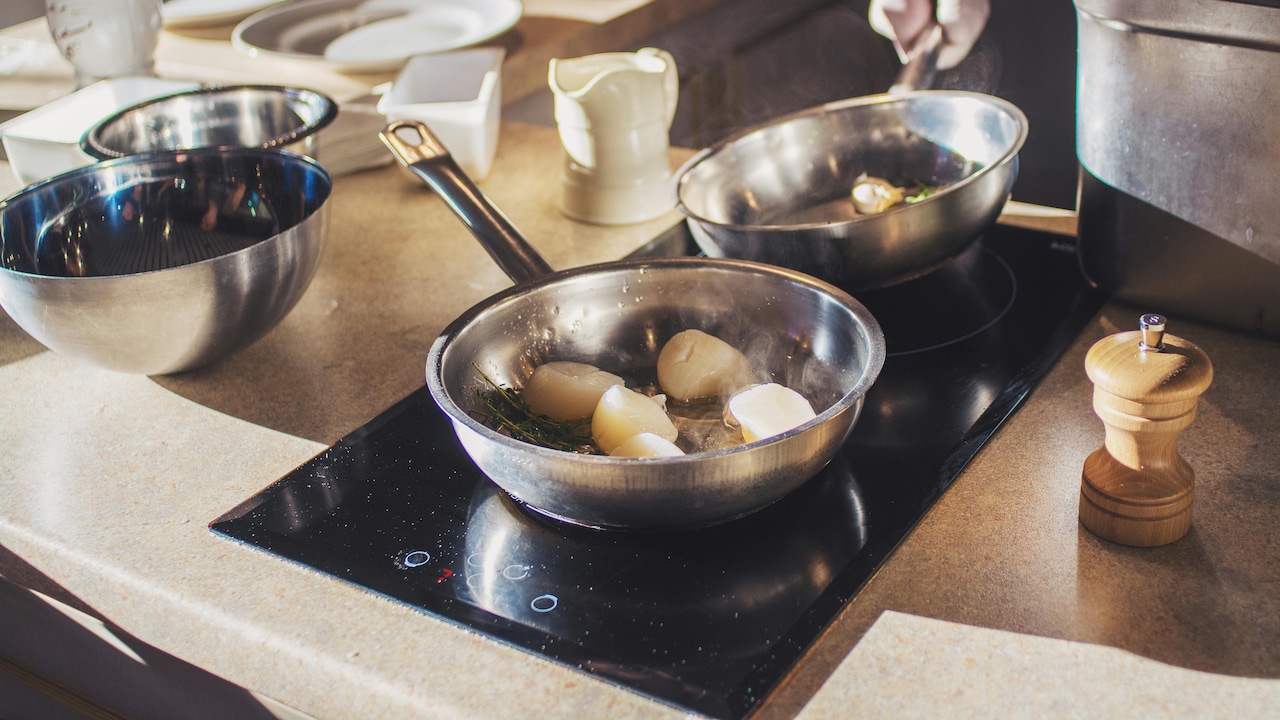
10 easy ways to prevent your food from burning on induction cooktops
A shiny induction cooktop often promises modern convenience. Faster cooking, lower electricity bills, and a sleek kitchen vibe make it an easy upgrade. Yet, the first few days can feel frustrating. Dal scorches at the bottom, onions brown too quickly, and chai seems to boil over in seconds.
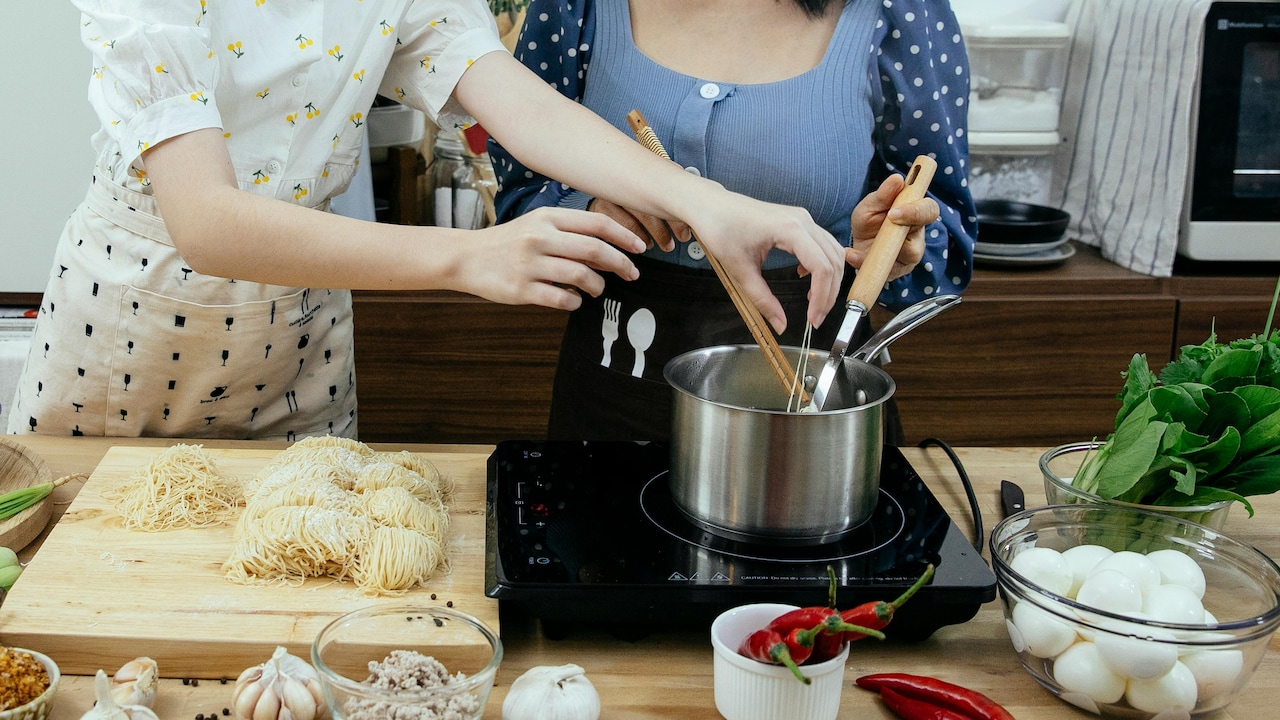
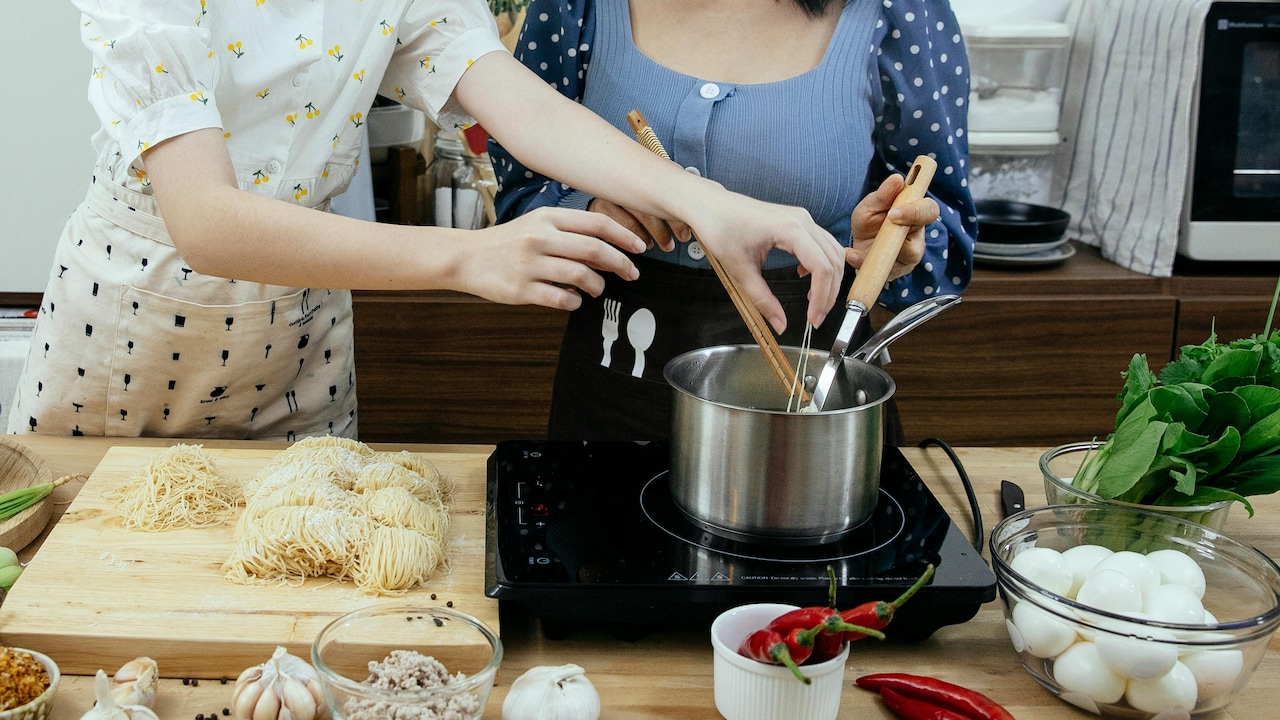
Here's why most people end up burning food on induction cooktops; Photo Credit: Pexels
The shift from gas to induction isn't just about swapping appliances; it's about changing cooking habits. Heat behaves differently. Timing matters more. Even the cookware plays a starring role.
Many households assume induction cooking lacks “feel.” There's no visible flame, no gradual heat build-up, and no instinctive control. But once understood, induction offers unmatched precision. It can simmer with finesse or boil water in record time.
This guide breaks down why food burns on induction cooktops and how to fix it. Think of it as a kitchen reset, less guesswork, more control, and meals that turn out just right.
Also Read: Cook Smart: 5 Best-Selling Induction Cooktops For Every Indian Kitchen
Why Food Burns On Induction Cooktops And How To Fix It
Understanding How Induction Heating Works
Induction cooking doesn't rely on fire. Instead, it uses electromagnetic energy to heat the cookware directly. This means the pan becomes the heat source, not the cooktop surface. As a result, heat builds up almost instantly.
That speed often catches people off guard. A pan that takes two minutes to heat on gas may get scorching hot in under 30 seconds on induction. Without adjusting habits, ingredients hit high heat too quickly and burn before they cook through.
Another key difference lies in precision. Induction cooktops operate in power levels rather than flame intensity. Each level corresponds to a specific heat output. Once understood, this allows consistent cooking results.
The absence of residual heat also plays a role. Gas stoves remain warm even after switching off. Induction stops heating almost immediately. This can be a blessing or a challenge, depending on timing.
Recognising these differences helps prevent burnt food. Instead of reacting late, the focus shifts to controlling heat from the start.
Choosing The Right Cookware Matters More Than You Think
Not every vessel works on induction. The base must contain ferromagnetic material, which allows the cooktop to generate heat. Stainless steel and cast iron perform well, while aluminium and glass often fail unless designed for induction.
Beyond compatibility, thickness plays a crucial role. Thin-bottomed pans heat unevenly and create hotspots. These hotspots cause food to burn in patches, especially when frying or sautéing.
Heavy-bottom cookware distributes heat evenly. It allows better control and reduces sudden temperature spikes. Investing ₹1,500–₹3,000 in a good-quality pan can make a visible difference in cooking results.
Flat-bottom vessels also improve efficiency. A warped or uneven base reduces contact with the cooktop, leading to inconsistent heating.
Many home cooks overlook this factor. They blame the cooktop when the real issue lies in the pan. Switching to sturdy, induction-friendly cookware often solves half the problem instantly.
Preheating: The Silent Culprit Behind Burnt Food
On gas stoves, preheating feels forgiving. On induction, it can turn into a trap. Leaving an empty pan on high power for even a minute can overheat it drastically.
When oil hits an overheated pan, it smokes quickly. Spices burn within seconds. Vegetables char on contact. The result? Bitter flavours and uneven cooking.
A better approach involves controlled preheating. Start with medium power. Allow the pan to warm gradually for 20–30 seconds. Add oil early rather than waiting too long.
Another helpful trick involves testing temperature. Drop a small piece of onion or a few cumin seeds. If they sizzle gently instead of burning instantly, the pan is ready.
This small adjustment can transform cooking outcomes. Instead of reacting to burnt food, the cook stays ahead of the heat curve.
Mastering Heat Levels Instead Of Guessing
Induction cooktops offer numbered heat settings. Yet, many users treat them like gas flames, jumping straight to high heat. This often leads to burning.
Each dish demands a specific heat range. For instance, tempering spices works best at medium heat, while simmering curry needs low power. High heat suits boiling water but not delicate cooking.
Learning the sweet spot for common dishes helps build confidence. Over time, these settings become second nature. Cooking shifts from guesswork to precision.
Another advantage lies in consistency. Once a preferred setting is found, it delivers the same results every time. No more adjusting flames mid-cooking or dealing with uneven heat.
Patience plays a role here. Slowing down initially helps develop control. Soon enough, the cooktop starts feeling intuitive rather than intimidating.
Timing Is Everything In Induction Cooking
Speed defines induction cooking. This can feel like a blessing when in a rush, but it can also lead to mistakes.
Food cooks faster than expected. Onions brown quicker, sauces reduce rapidly, and milk boils over before one can react. This demands closer attention and quicker responses.
Preparation becomes crucial. Chopping ingredients beforehand prevents last-minute scrambling. Having everything ready ensures smooth cooking without panic.
Cooking in stages also helps. Instead of adding all ingredients at once, introducing them gradually allows better control.
A slight delay can mean the difference between perfectly cooked food and something burnt. Staying attentive, especially during the initial learning phase, makes a noticeable difference.
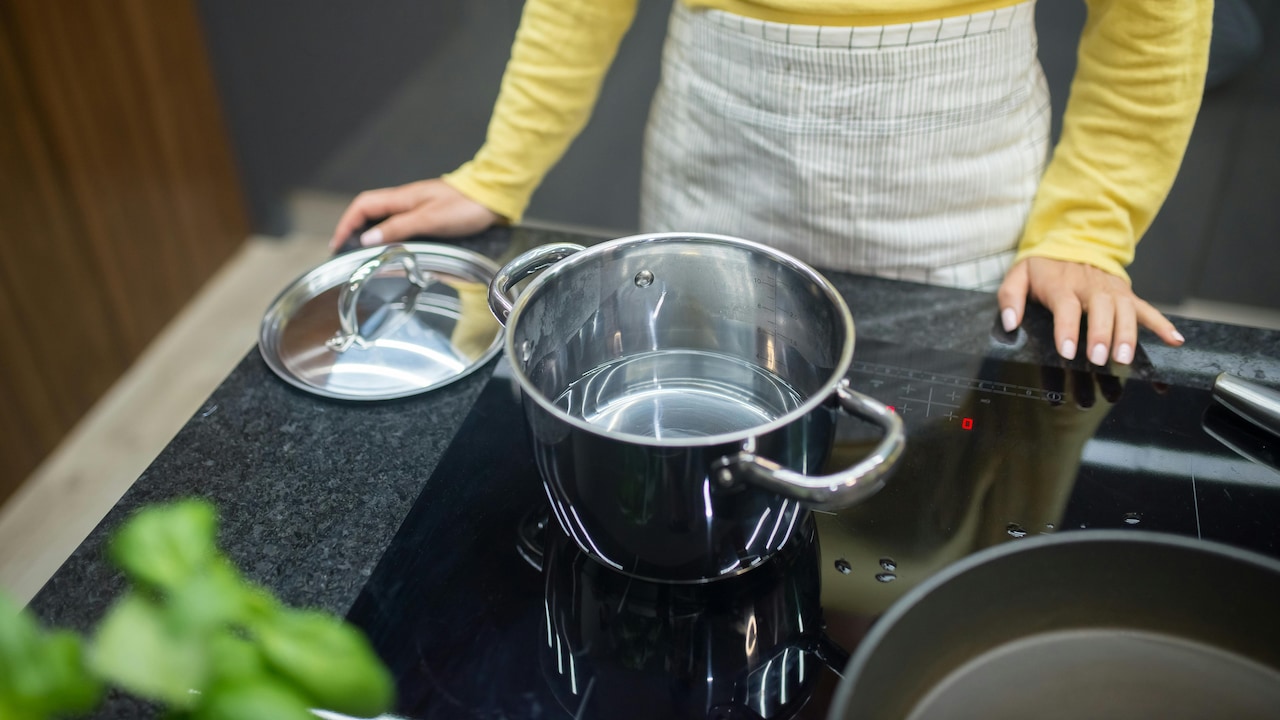
Stay alert while cooking and pay attention to the timing; Photo Credit: Pexels
Oil And Fat: Your Best Allies Against Burning
Oil acts as a buffer between heat and food. On induction cooktops, this buffer becomes even more important.
Using too little oil increases the risk of burning. Ingredients stick to the pan and cook unevenly. On the other hand, using the right amount helps regulate heat and enhances flavour.
Choosing the right oil matters as well. Oils with higher smoke points, such as sunflower or groundnut oil, perform better for high-heat cooking. Butter or ghee suits lower heat applications.
Adding oil at the right time also makes a difference. Pouring oil into an already overheated pan can cause instant smoking.
A balanced approach keeps food from sticking and burning. It also ensures better texture and taste.
Stirring And Movement Prevent Hotspots
Unlike gas stoves, induction cooktops can create concentrated heat zones. This makes stirring more important than ever.
Leaving food unattended, even briefly, can lead to burning. Regular stirring distributes heat evenly and prevents sticking.
This becomes especially important for dishes like sabzi, pulao, or gravies. Gentle movement ensures uniform cooking and avoids charred bits at the bottom.
Using the right utensils also helps. Silicone or wooden spatulas prevent scratching and allow smooth stirring.
Cooking becomes more interactive on induction. Instead of stepping away, staying engaged with the process yields better results.
Understanding Residual Heat And Carryover Cooking
Induction cooktops cool down quickly. However, the cookware retains heat. This leads to carryover cooking even after switching off the power.
Ignoring this can cause overcooking or burning. For example, rice may stick to the bottom, or the gravy may thicken too much.
Switching off the cooktop slightly earlier helps counter this effect. Letting the residual heat finish the cooking works well for many dishes.
This technique saves energy and improves texture. It also prevents last-minute burning mishaps.
Learning to anticipate carryover heat adds finesse to cooking. It's a small detail that makes a big difference.
Cleaning And Maintenance Impact Performance
A dirty cooktop or pan affects heat transfer. Spilled food, grease, or residue can lead to uneven cooking.
Regular cleaning keeps the surface smooth and efficient. Wiping the cooktop after each use prevents buildup.
Cookware maintenance matters too. Burnt residue on the pan base reduces its ability to heat evenly.
Using gentle cleaning methods preserves both the cooktop and utensils. Harsh scrubbing can damage surfaces and affect performance over time.
A clean setup ensures consistent results. It also extends the lifespan of the appliance.
Patience And Practice Make All The Difference
Switching to induction cooking feels unfamiliar at first. Mistakes happen, such as burnt food, overcooked dishes, or uneven textures.
Instead of getting frustrated, treating it as a learning curve helps. Each attempt builds understanding. Small adjustments lead to noticeable improvements.
Over time, the cooktop becomes an ally rather than a challenge. It offers speed, precision, and convenience once mastered.
Even experienced cooks need time to adapt. The key lies in observing, adjusting, and staying patient.
Cooking evolves with practice. Soon enough, induction cooking feels just as natural as any traditional method.
Products Related To This Article
1. IBELL SLIM50 Induction Cooktop, 2000W, BIS Certified
2. MILTON Classic 2200 Watt Infrared Cooktop with Crystal Glass & Touch Panel
3. BLOWHOT BL 500 Grill Infrared Cooker 2200 Watt
4. Bajaj Glass Majesty ICX-3 1400W Open Heating Induction Cooktop
5. Cadlec CookMate 2000W Induction Cooktop with Crystal Glass
Induction cooktops don't burn food; misunderstanding them does. With the right approach, they offer remarkable control and efficiency.
From choosing proper cookware to mastering heat levels, each step contributes to better results. Small changes in habit can transform the entire cooking experience.
What begins as frustration can turn into appreciation. Meals cook faster, flavours stay intact, and energy consumption drops.
The shift requires patience, but the rewards make it worthwhile. Once understood, induction cooking doesn't just simplify life, it elevates everyday meals.
(Disclaimer: This article may include references to or features of products and services made available through affiliate marketing campaigns. NDTV Convergence Limited (“NDTV”) strives to maintain editorial independence while participating in such campaigns. NDTV does not assume responsibility for the performance or claims of any featured products or services.)