Top 10 Mistakes People Make While Using Multipurpose Kettles
Multipurpose kettles make everyday cooking easier, but small mistakes can reduce their lifespan and cause safety issues. From overfilling to poor cleaning habits, here are the ten most common errors and how to avoid them.
Using a Multipurpose Kettle? These 10 Mistakes Could Be Costing You More.
The multipurpose kettle has earned a permanent spot on kitchen counters, hostel rooms, and office pantries. It feels like a small miracle on rushed mornings or lazy evenings. One button, a little water, and the job gets done. Tea boils faster, noodles cook in minutes, and soup warms without dragging out heavy cookware. However, convenience often breeds carelessness. Many people treat these electric kettles like indestructible gadgets, assuming they can handle anything poured into them. That assumption leads to burnt heating plates, odd smells, electrical faults, and sometimes even accidents. To prevent that, here we list the top 10 mistakes people make while using multipurpose kettles. We also list the top picks you should check out, from Agaro, Philips, Borosil to Kent.
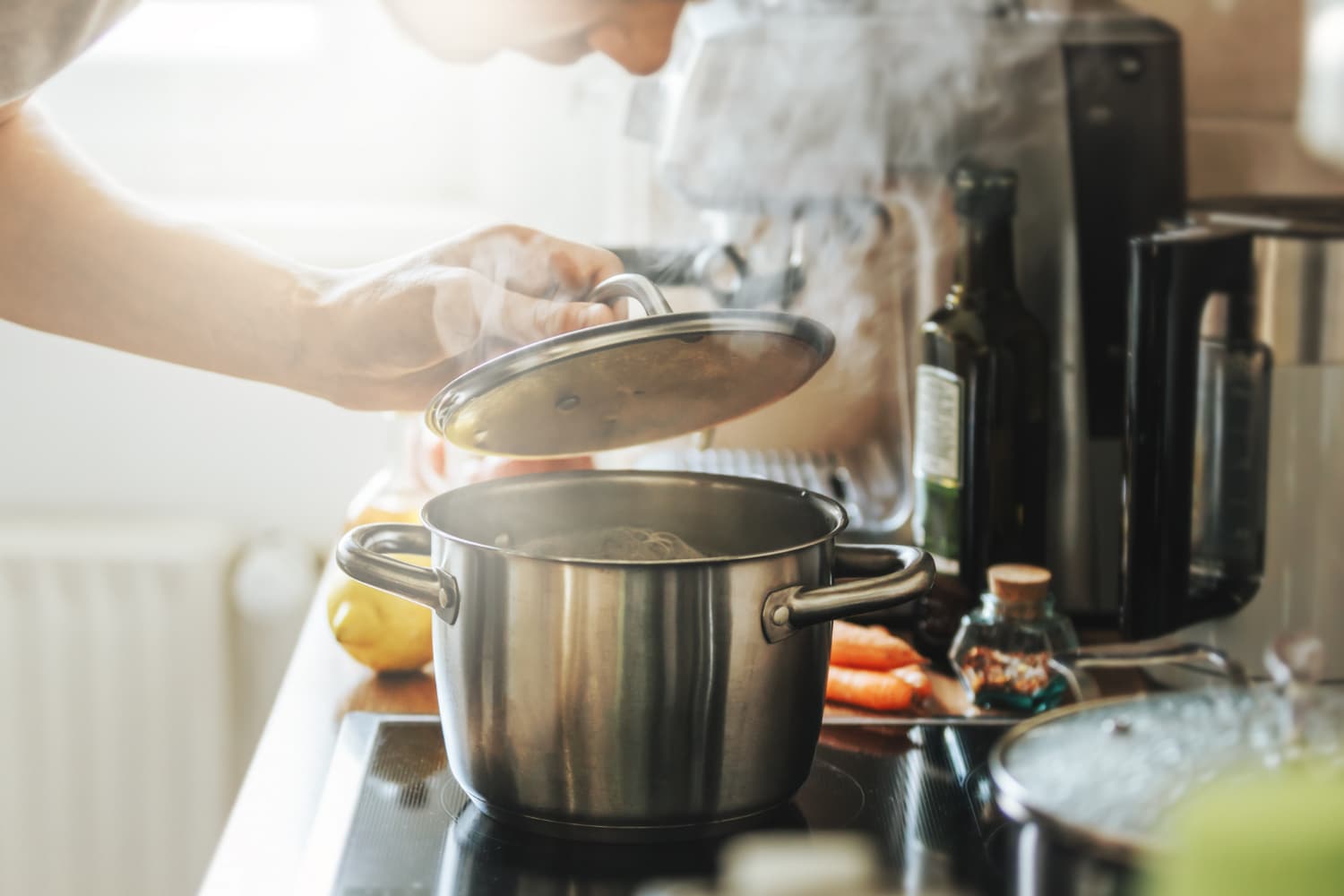
Explore common mistakes to avoid when using electric kettles; Photo Credit: Freepik
Understanding how to use a multipurpose kettle correctly does not require technical expertise. It only needs awareness.
Also Read: Know Surprising Ways To Use Your Multipurpose Kettle
Everyday Errors That Can Shorten Your Kettle's Life
1. Overfilling the Kettle
One of the most frequent mistakes involves filling the kettle beyond its maximum limit. It feels tempting, especially when guests arrive or when multiple cups of tea are on the agenda. Yet, overfilling causes water to splash into electrical components, which leads to short circuits or complete failure.
Many kettles carry clear markings, but those lines often get ignored in the morning rush. Excess water may also spill out during boiling, leaving wet patches around the base. Over time, this moisture damages internal wiring and creates safety risks.
There is also a practical downside. An overfilled kettle takes longer to boil, which wastes electricity and tests patience. Power bills may not show a dramatic jump, but repeated misuse adds up.
A simple habit change solves this problem. Fill only what is needed and respect the marked limits. When extra water is required, running a second boil works far better than replacing a damaged kettle that costs ₹1,500 or more.
2. Using the Kettle for Deep Frying
Multipurpose kettles handle boiling and light cooking well, but they are not designed for deep frying. Yet, many kitchens witness oil heating experiments in these kettles, especially during late-night snack cravings.
Oil behaves very differently from water. It heats unevenly and reaches higher temperatures. This puts immense stress on the kettle's heating element and coating. The result often includes burnt residue, smoke, and a lingering smell that refuses to leave.
More importantly, hot oil splashes can cause burns or fire hazards. Unlike a deep pan, kettles lack wide openings and proper temperature control for frying.
Using the kettle strictly for boiling, steaming, or simmering keeps it safe and functional. For pakoras or pooris, a regular kadhai remains the safest choice. The kettle will thank its owner by lasting longer and performing better.
3. Ignoring Regular Cleaning
Many people clean their kettle only when visible stains appear. Unfortunately, mineral deposits build up silently with every boil. Hard water leaves a chalky layer inside, which affects heating efficiency and taste.
Over time, limescale forces the kettle to work harder, leading to slower boiling and higher energy use. In some cases, it also causes overheating, which shortens the appliance's lifespan.
Cleaning does not require fancy solutions. A mix of water and vinegar or lemon juice works wonders. Boiling this mixture once a fortnight dissolves deposits and keeps the interior fresh.
Neglecting cleaning feels harmless until the kettle starts making strange noises or takes forever to heat. A few minutes of maintenance saves repair costs and preserves that perfect cup of tea.
4. Leaving Water Inside After Use
It often feels convenient to leave leftover water in the kettle for the next use. After all, why pour it out when another boil seems likely? Unfortunately, this habit invites trouble.
Standing water accelerates mineral build-up and encourages bacterial growth, especially in warm climates. It also causes staining and unpleasant odours over time.
Additionally, leftover water may spill during movement or storage, seeping into the base and damaging electrical parts. Such damage rarely shows immediate signs but surfaces when the kettle suddenly stops working.
Emptying the kettle after each use takes seconds. Wiping it dry adds another layer of care. This simple step keeps the interior clean and ensures safe operation every time the kettle switches on.
5. Using Metal Utensils Inside the Kettle
When cooking noodles or stirring soup, reaching for a metal spoon feels natural. However, metal utensils scratch the inner coating of most multipurpose kettles. Those scratches expose the heating plate and invite rust or food sticking.
Repeated scraping damages the non-stick surface, making cleaning harder and reducing cooking efficiency. Over time, the kettle may develop hotspots, leading to uneven heating.
Wooden or silicone utensils work far better. They protect the interior and feel gentler during stirring. Investing ₹150 in a silicone spatula costs far less than replacing a damaged kettle.
Small choices during cooking make a big difference. Treating the kettle with care ensures it stays reliable for years.
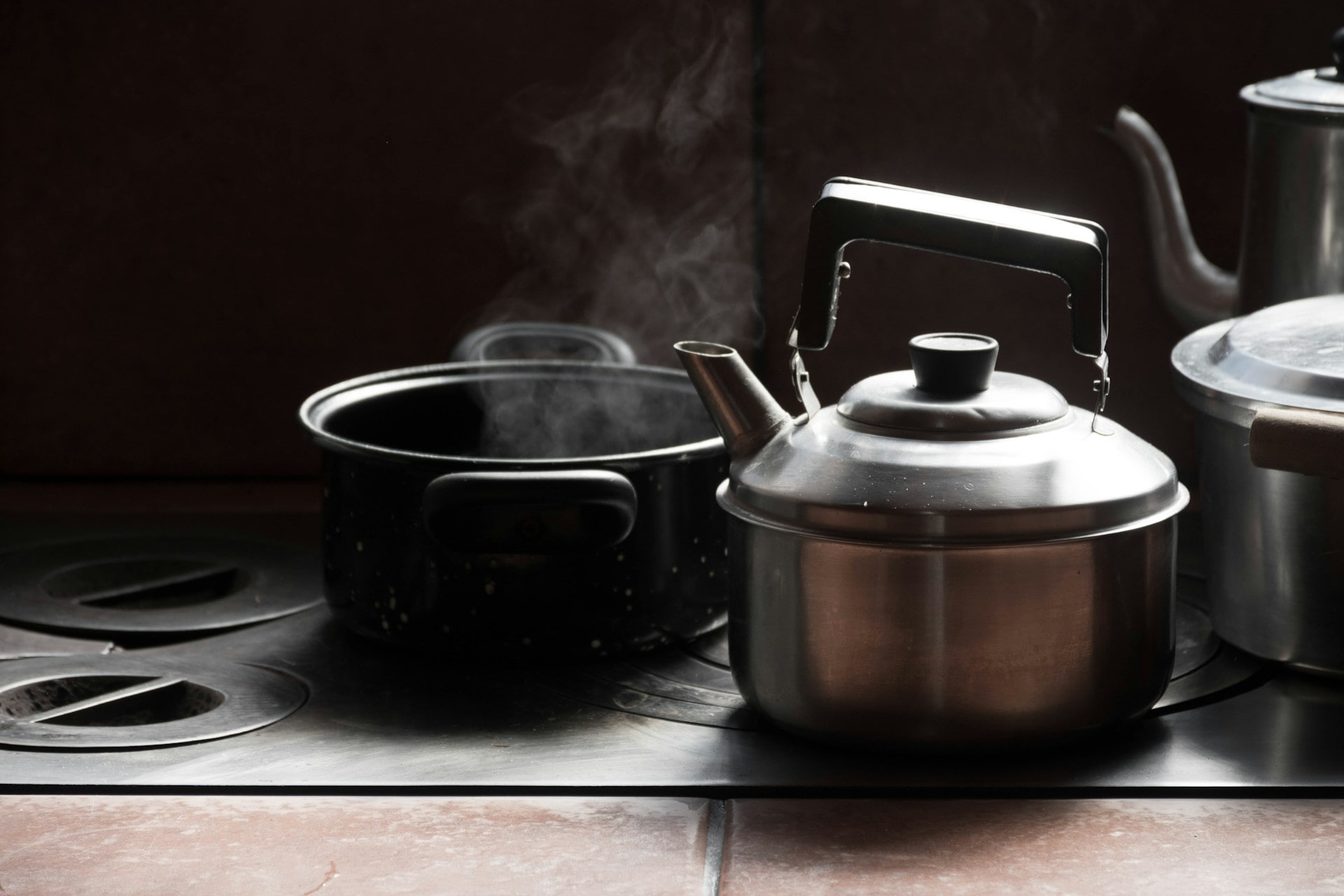
Avoid using metal utensils inside the kettle; Photo Credit: Unsplash
6. Plugging It Into Unsafe Power Sources
Kettles draw significant power. Plugging them into loose sockets, extension cords, or overloaded power strips creates serious safety risks. Sparks, overheating, and short circuits often start this way.
Many people use kettles in hostel rooms or offices where power points already handle multiple devices. Adding a kettle to the mix strains the circuit.
A dedicated wall socket with proper earthing provides the safest option. It ensures steady power flow and reduces accident risks. Using low-quality extension cords may save space, but it compromises safety.
Electrical safety often gets ignored until something goes wrong. Choosing the right power source keeps both the kettle and the surroundings safe.
7. Running the Kettle Without Water
Switching on an empty kettle remains one of the most damaging mistakes. It usually happens accidentally, especially during hurried mornings. Without water, the heating element overheats within seconds.
Modern kettles include auto shut-off features, but repeated dry runs still cause internal damage. The kettle may start smelling burnt or stop functioning altogether.
Checking water levels before switching on becomes a crucial habit. Even a quick glance prevents costly repairs or replacements.
A kettle priced at ₹2,000 deserves better than a careless switch-on. Awareness keeps appliances running smoothly and mornings stress-free.
8. Cooking Foods That Spill Easily
Milk, pasta, and rice create foam while boiling. Many people forget this and leave the kettle unattended. The result often includes spillage, burnt residue, and messy clean-ups.
Spilled food seeps into the lid or base, causing unpleasant smells and electrical issues. Cleaning dried milk from a heating plate feels like a punishment no one asked for.
Lower heat settings and constant supervision help prevent this mess. Leaving the lid slightly open also reduces foam build-up.
Understanding what foods suit kettle cooking makes a huge difference. Soups and noodles work well, while milk requires caution and patience.
9. Skipping the User Manual
User manuals often land straight in drawers or dustbins. Many assume all kettles work the same way. This assumption leads to misuse.
Each model comes with specific instructions about capacity, cooking options, and cleaning methods. Ignoring them means missing out on useful features and safety tips.
Some kettles support temperature control or preset modes. Others require specific cleaning techniques. Skipping the manual wastes these advantages.
Spending ten minutes with the manual saves hours of frustration later. It also ensures the kettle performs exactly as designed.
10. Treating the Kettle as a One-Size-Fits-All Cooker
Multipurpose kettles offer versatility, but they still have limits. Treating them like pressure cookers or frying pans leads to disappointment and damage.
Cooking thick gravies, reheating oily leftovers, or attempting elaborate dishes often results in burnt food and stubborn stains. The kettle struggles, and so does the cook.
Using the kettle for what it does best keeps expectations realistic. Boiling, steaming, and light cooking suit it perfectly.
Respecting the appliance's role ensures better results and fewer kitchen mishaps. Sometimes, simplicity truly works best.
Products Related To This Article
1. AGARO Esteem Electric Multi Kettle 1.2L
2. Philips HD9314/90 Double-Walled Electric Kettle
3. Goodscity Multipurpose Electric Kettle with Ceramic Coating 1.2L
4. Borosil Electric Glass Kettle
5. Nutripro Multipurpose Cook Kettle
6. KENT Bliss Electric Kettle
7. Amazon Basics 1.5 Litre Electric Kettle
Multipurpose kettles bring convenience, speed, and comfort to everyday cooking. They simplify routines and save precious time. However, careless habits quietly chip away at their efficiency and safety.
Most mistakes stem from haste or lack of awareness rather than neglect. Overfilling, improper cleaning, and unsafe power use may seem minor, but cause long-term damage. Fortunately, these issues come with simple solutions.
By treating the kettle with a little respect and understanding its limits, users enjoy better performance and a longer lifespan. Small changes in daily habits protect both the appliance and the people using it.
After all, a kettle that works well makes every cup of tea, every bowl of noodles, and every quick meal feel just right.
(Disclaimer: This article may include references to or features of products and services made available through affiliate marketing campaigns. NDTV Convergence Limited (“NDTV”) strives to maintain editorial independence while participating in such campaigns. NDTV does not assume responsibility for the performance or claims of any featured products or services.)