Top 10 Safety Features To Check Before Buying A Bedroom Heater; Check Top Picks, From Usha, Orient to Havells Too
Top 10 essential safety features every buyer should check before choosing a bedroom heater to ensure safer, worry-free, and comfortable everyday home heating.
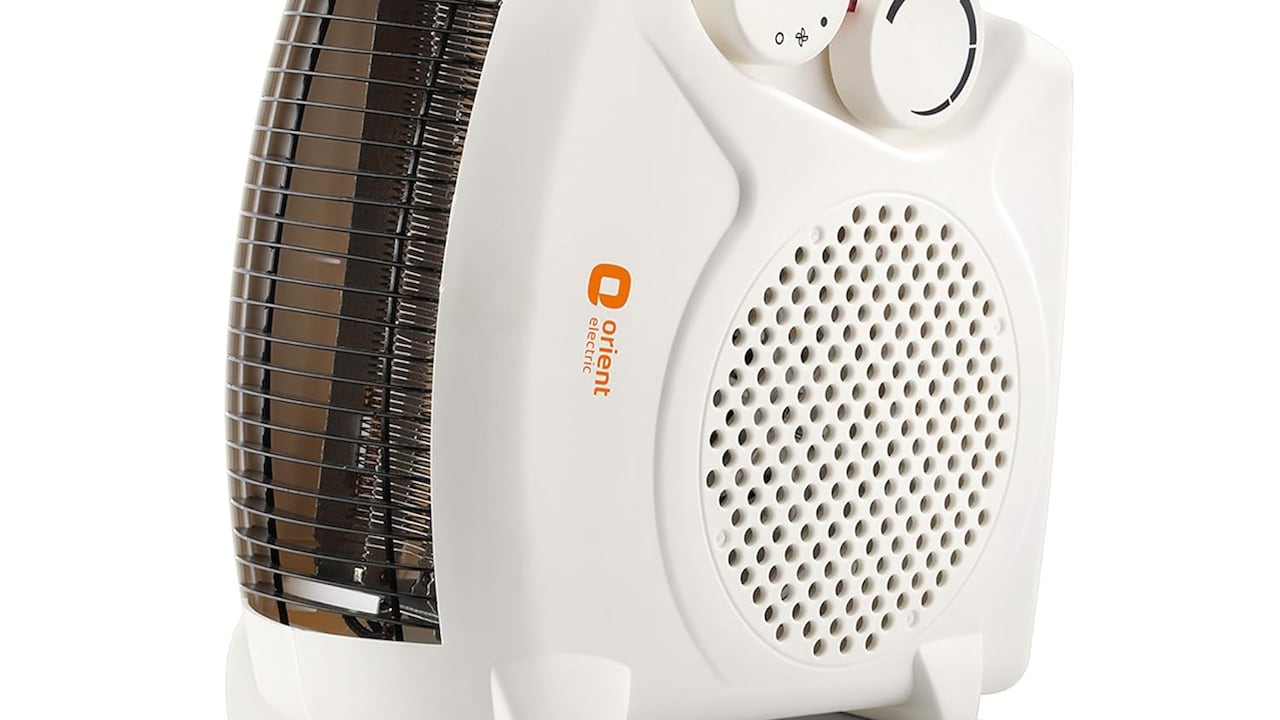
Top 10 Bedroom Heater Safety Features Every Buyer Must Check Before Purchasing For A Safe Home.
Winter nights invite comfort, thick quilts, hot chai, and the soft hum of a bedroom heater cutting through the cold. Yet, behind this comfort lies a quiet responsibility. A heater sits close to beds, curtains, wooden furniture, and sometimes restless children or pets. One careless purchase can turn a peaceful night into a serious risk. Stories circulate every winter about short circuits during power cuts, overheated rooms, or heaters tipping over in cramped spaces. These incidents rarely come from faulty intentions, but from overlooked safety details. A heater meant for the bedroom demands stricter checks than one used in a living room or office.
Modern heaters now offer advanced safety features designed to prevent accidents before they happen. However, not every buyer knows what to look for beyond wattage and price tags marked ₹2,000 or ₹5,000. This guide breaks down the top 10 safety features that truly matter in a bedroom heater. We explain it in simple terms and grounded in real-life bedroom scenarios.
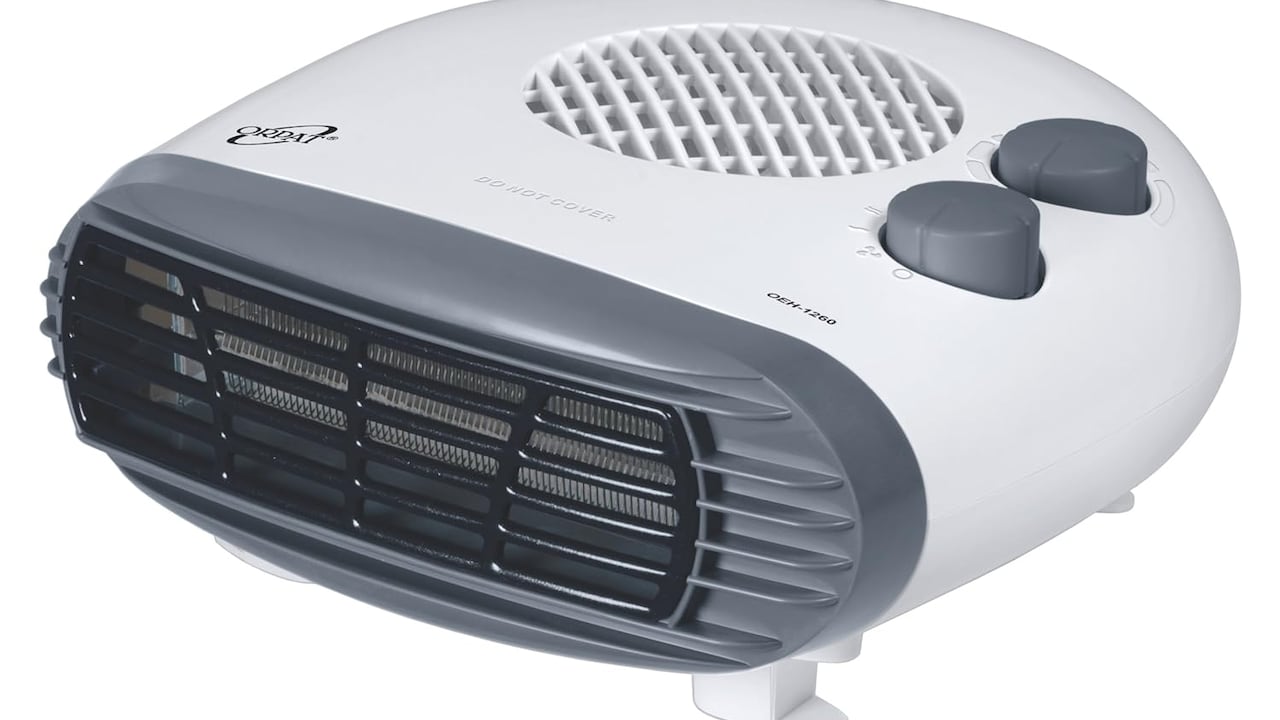
Top 10 Safety Features To Check Before Buying A Bedroom Heater
Photo Credit: Amazon
What Makes a Bedroom Heater Safe For Everyday Use
1. Automatic Tip-Over Protection
Bedrooms rarely offer wide-open spaces. Heaters often sit near beds, side tables, or wardrobes. In such tight layouts, a slight nudge from a sleepy foot, a pet's tail, or even a careless bedsheet can send a heater toppling over. Without protection, this moment can escalate fast.
Automatic tip-over protection shuts the heater off instantly when it tilts or falls. Sensors inside the unit detect an imbalance and cut power before heating elements cause damage. This feature proves invaluable in homes with children who treat everything as a climbing challenge or pets that treat heaters as mysterious new furniture.
Some budget models skip this feature to lower prices by a few hundred rupees. That saving rarely feels worth it during an emergency. A heater priced at ₹3,000 with tip-over protection offers far greater value than a cheaper alternative lacking it.
Always check product descriptions or packaging for “tip-over safety switch”. Give the heater a gentle tilt in-store if possible. A silent click or immediate shut-off signals reliable protection and a calmer night's sleep.
2. Overheat Protection System
A heater works hard during long winter nights. Hours of continuous use can cause internal temperatures to rise beyond safe limits. Without safeguards, overheating damages internal components or sparks electrical fires.
Overheat protection acts like a vigilant guard. Once the heater reaches a critical temperature, the system shuts it down automatically. After cooling, some models restart on their own, while others require manual resetting; both options enhance safety.
This feature becomes essential in areas prone to voltage fluctuations. Sudden power surges place extra strain on heating coils. Overheat protection responds before wires melt or insulation fails.
Many households rely on heaters while sleeping, often forgetting to switch them off at dawn. Overheat protection ensures the heater never pushes beyond safe boundaries, even during extended use.
Buyers should look for clear certification labels and mention of “thermal cut-off” or “overheat safety”. A slightly higher price tag, say ₹4,500 instead of ₹3,800, often includes this protection. That difference buys far more than warmth; it buys assurance through the coldest nights.
3. Cool-Touch Exterior
A heater warms a room, not curious fingers. Traditional heaters often develop scorching outer surfaces, turning accidental contact into a painful experience. In bedrooms, this risk increases with children who wander at night or sleepy adults reaching out without looking.
Cool-touch exteriors use insulated casings or double-layer designs to keep the outer surface safe to touch. Even when the heater runs at full power, the exterior remains warm rather than burning hot.
This feature proves particularly useful in compact bedrooms where space limits placement options. Curtains, wooden furniture, or bedside rugs sometimes sit closer than recommended. A cool-touch body reduces fire risk from accidental contact.
Modern ceramic heaters and oil-filled radiators often excel in this area. While they may cost ₹1,000–₹2,000 more than basic coil heaters, they compensate with added safety and durability.
When shopping, gently place a hand near display models. Product labels often highlight “cool-touch housing”. This simple feature transforms a heater from a potential hazard into a safer companion for nightly comfort.
4. Child Lock Function
Children possess an uncanny talent for finding buttons adults overlook. Heaters with accessible controls invite tiny hands to twist dials or press switches at the worst times.
A child lock function disables the control panel once settings are fixed. Even if buttons receive enthusiastic tapping, nothing changes. Temperature stays stable, and the heater continues safe operation.
This feature proves equally useful in households with pets that brush against controls or jump onto low furniture. Sudden setting changes can cause overheating or power surges.
Digital heaters often include child lock options, while manual knob models rarely do. Though digital heaters may cost around ₹6,000 compared to ₹3,500 for simpler models, the added safety justifies the expense.
Check user manuals for clear instructions on activating the lock. Some models require holding two buttons for three seconds, simple yet effective.
A peaceful winter night feels incomplete if worry lingers about accidental adjustments. Child lock features quietly remove that concern, letting warmth flow without constant supervision.
Also Read: AO Smith Water Heaters Get Smart Price Drops During the Flipkart Sale
5. Flame-Retardant Materials
Not all plastics handle heat equally. Cheaper heaters sometimes use low-grade plastic that softens or melts under prolonged exposure. In worst cases, this material catches fire, especially during power fluctuations.
Flame-retardant materials resist ignition and slow down fire spread if internal components fail. These materials comply with safety standards and offer valuable extra seconds to disconnect power or respond during emergencies.
Bedrooms contain flammable items, mattresses, blankets, wooden furniture. A heater built with flame-retardant casing reduces the risk of flames spreading rapidly.
Look for safety certifications and mentions of “fire-resistant” or “flame-retardant body” on packaging. Reputed brands usually highlight this feature clearly.
While heaters using such materials may cost ₹500–₹1,000 more, they often last longer and withstand years of seasonal use. That durability balances the upfront investment.
Safety rarely announces itself loudly. Flame-retardant materials work silently, standing guard throughout cold nights, ensuring that warmth never turns into danger.
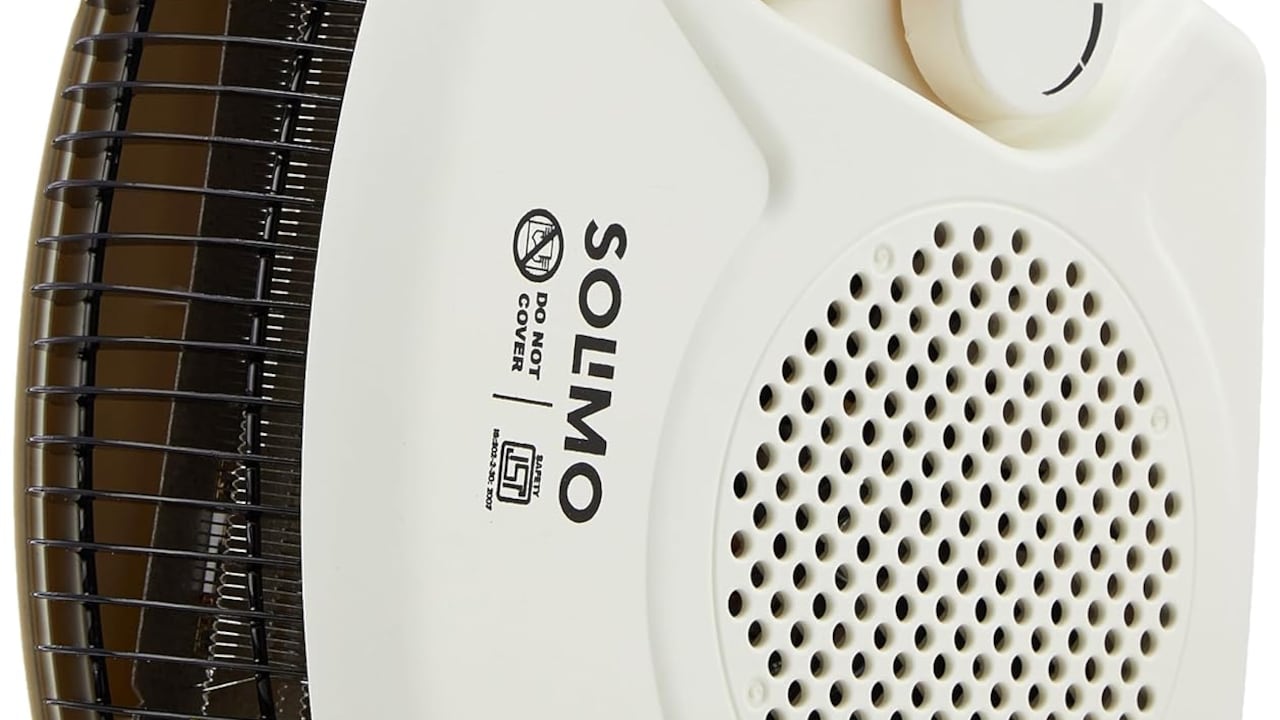
Top 10 Safety Features To Check Before Buying A Bedroom Heater
Photo Credit: Amazon
6. Automatic Shut-Off Timer
Falling asleep with the heater running feels comforting, but leaving it on all night raises safety and electricity concerns. An automatic shut-off timer solves both problems elegantly.
Timers allow users to set operating durations, one hour, three hours, or even eight hours, after which the heater turns off automatically. This feature prevents overheating and saves electricity, reducing winter power bills that often cross ₹2,000 per month.
Timers prove especially helpful during late-night usage. Set the heater to run until the room warms up, then switch off before deep sleep sets in.
Digital heaters and smart models commonly offer programmable timers. Some even include remote controls, allowing adjustments without leaving the bed.
Check timer flexibility before buying. A good model offers multiple intervals rather than a single fixed option.
Automatic shut-off adds discipline to warmth. It ensures comfort arrives without unnecessary risk or cost, letting mornings begin without the nagging thought of a heater left running too long.
7. Low Oxygen Safety Sensor
Bedrooms often remain closed at night to block cold air. In poorly ventilated rooms, oxygen levels can drop when heaters operate for long hours, especially gas-based models.
Low oxygen safety sensors detect falling oxygen levels and shut the heater off automatically. This feature prevents dizziness, headaches, or more serious health issues caused by oxygen depletion.
Though electric heaters pose less risk than gas heaters, enclosed spaces still benefit from this added protection. Urban bedrooms with sealed windows and thick curtains particularly need it.
Gas heaters equipped with this sensor usually cost more, around ₹7,000–₹10,000, but they deliver peace of mind during extended use.
Check manufacturer details carefully, as not all heaters include this sensor. Avoid models that rely solely on ventilation advice without built-in detection.
Breathing easy remains as important as staying warm. Low oxygen sensors ensure heaters respect that balance, keeping bedrooms safe through long winter nights.
8. Stable, Wide Base Design
A heater's design matters as much as its internal technology. Slim, tall heaters may look stylish, but they tip over easily if not designed with stability in mind.
A wide, balanced base lowers the centre of gravity, reducing the risk of accidental falls. This design suits bedrooms where movement occurs at night, getting up for water or navigating around furniture in dim light.
Some heaters include anti-slip rubber feet that grip tiled or wooden floors firmly. This feature proves useful in homes with smooth flooring where objects slide easily.
Inspect the base before purchasing. Gently push the heater sideways. A stable model resists tipping, while unstable ones wobble immediately.
Heaters with solid bases often cost slightly more due to extra material use, but they withstand years of use without accidents.
A stable heater stays where it belongs, upright, quiet, and dependable, allowing warmth to spread without unnecessary drama.
9. Certified Safety Standards
Safety features mean little without proper certification. Reputable heaters comply with national and international safety standards, ensuring rigorous testing before reaching homes.
Certification marks indicate protection against electrical faults, overheating, and material failure. These tests simulate real-world usage, including power surges and long operating hours.
Avoid unbranded or imitation products that skip certification to reduce costs. Such heaters may sell for ₹1,500–₹2,000 but compromise heavily on safety.
Always check packaging for certification symbols and manufacturer details. Online listings should display these clearly; if not, proceed with caution.
Certified heaters may cost more initially, but they reduce repair costs and replacement needs over time. More importantly, they protect households from avoidable risks.
Trusting certified products transforms heater shopping from guesswork into informed decision-making. Warmth feels better when backed by verified safety.
10. Proper Cable Quality and Plug Safety
The power cable often receives the least attention during heater purchases, yet it plays a critical role. Poor-quality cables overheat, fray, or spark under heavy load.
A good heater uses thick, heat-resistant cables and sturdy plugs that fit sockets snugly. Loose plugs generate heat at contact points, increasing fire risk.
Check cable length as well. Short cables encourage unsafe extensions, while overly long ones create tripping hazards. A balanced length allows direct socket connection without stretching.
Some heaters include reinforced plugs or fused connections for added protection. Though subtle, this feature significantly reduces electrical accidents.
Examine cables carefully before buying. Avoid thin wires or loosely fitted plugs, regardless of how attractive the heater looks.
Electricity powers warmth, but it demands respect. Quality cables ensure that warmth flows smoothly, safely, and without sparks interrupting peaceful nights.
Products Related To This Article
1. Usha 2 Rod Quartz Heater
2. Orient Electric Areva Portable Room Heater
3. Orpat OEH-1220 2000-Watt Fan Heater
4. Goodscity Room Heater for Home
5. Havells 13 Fin Oil Filled Room Heater
6. Bajaj Flashy Radiant Room Heater For Home
7. Sujata Room Heater for Bedroom
A bedroom heater should feel like a quiet guardian against winter chills, not a source of anxiety. Safety features transform ordinary heaters into reliable companions that protect families while delivering comfort.
From tip-over protection to certified standards, each feature plays a specific role. Together, they create a safety net that prevents accidents before they occur. Price tags matter, but value lies in thoughtful design and dependable protection.
Winter nights deserve warmth layered with peace of mind. Choosing a heater with the right safety features ensures that every cold evening ends with restful sleep, steady warmth, and the confidence that safety remains firmly switched on.
(Disclaimer: This article may include references to or features of products and services made available through affiliate marketing campaigns. NDTV Convergence Limited (“NDTV”) strives to maintain editorial independence while participating in such campaigns. NDTV does not assume responsibility for the performance or claims of any featured products or services.)